Have you ever wondered who invented wearable technology? You probably use gadgets like smartwatches or fitness trackers every day, but do you know where it all began?
Understanding the origins of wearable tech can give you a new appreciation for the devices you rely on. You’ll discover the story behind these clever inventions and the people who made them possible. Keep reading—you might be surprised by what you learn.

Credit: medium.com
Early Concepts Of Wearable Tech
Wearable technology might seem like a recent invention, but its roots stretch back centuries. People have always looked for ways to carry tools and useful items on their bodies. These early attempts laid the foundation for the modern devices you use today.
Ancient Tools And Adornments
Think about the first time you wore a watch or fitness tracker. Now imagine ancient humans carrying tools the same way, but without batteries or screens. They used items like belts, pouches, and jewelry to hold essential tools or signify status.
For example, prehistoric people wore bone or stone amulets, which served both decorative and practical purposes. These items could store small tools or help in navigation. Their wearable items were simple but effective, proving that the idea of technology worn on the body isn’t new.
First Mechanical Devices
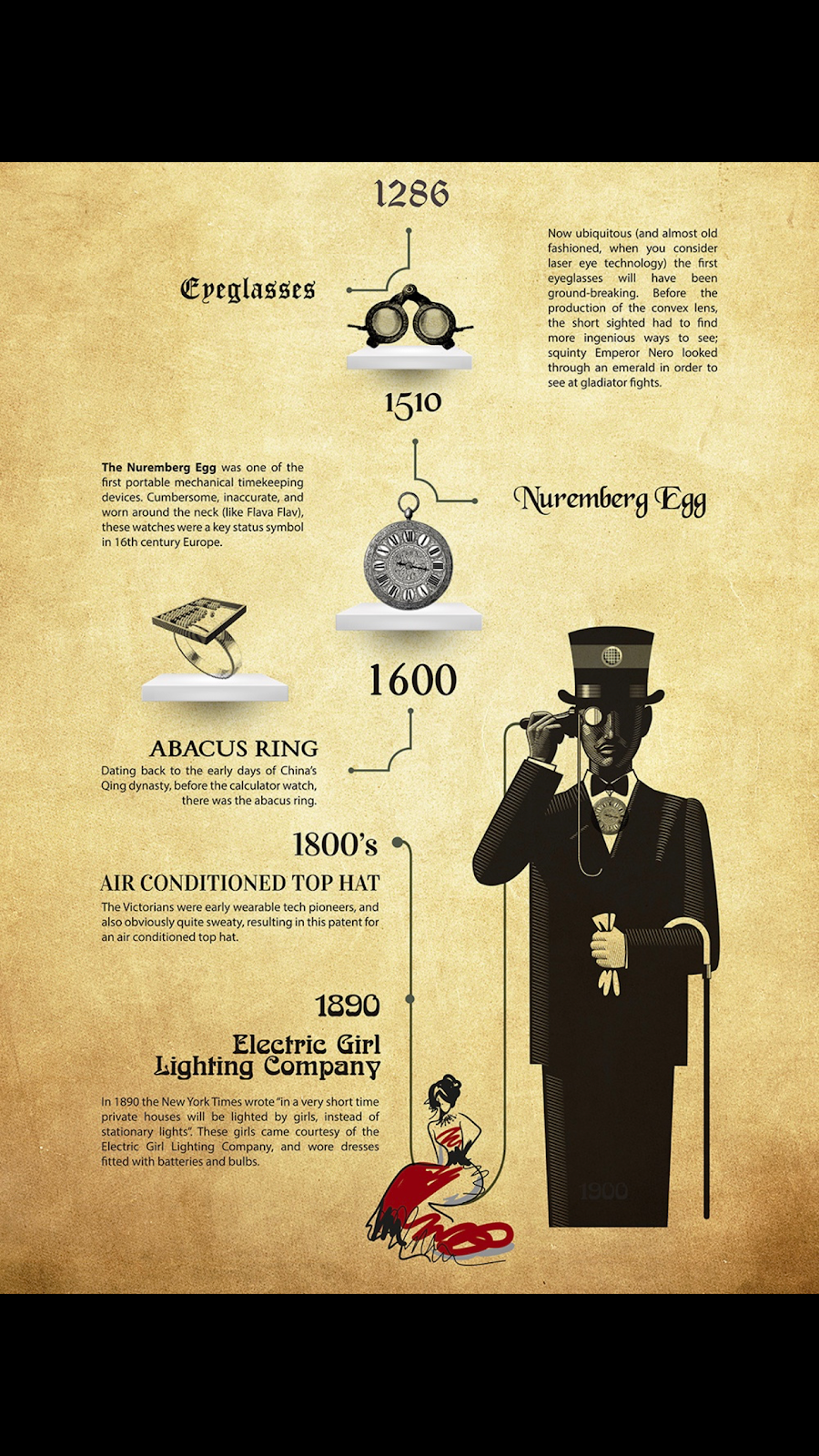
Fast forward to the Middle Ages and Renaissance, when inventors created mechanical devices you could wear. Pocket watches emerged as one of the first portable timekeeping tools. These devices fit in your pocket or hung from a chain, making time easy to carry and check anytime.
Leonardo da Vinci sketched early concepts of wearable devices, showing a fascination with combining mechanics and human use. Mechanical eyeglasses and early hearing aids also appeared, showing how technology moved closer to integrating with the human body.
Have you ever considered how these early mechanical devices influenced the design of your smartwatch today? The desire to keep useful information close has always driven wearable innovation.
Credit: www.venture7.com
Pioneers In Modern Wearables
Wearable technology has transformed the way you interact with the world around you. But who laid the foundation for these smart devices that now accompany your daily life? Understanding the pioneers behind modern wearables gives you insight into how innovation shapes your future gadgets.
The 20th Century Breakthroughs
The 20th century brought the first sparks of wearable technology that you might find surprising. Early inventors worked on devices that seemed futuristic at the time, such as wristwatches with calculators and head-mounted displays.
One notable breakthrough was the development of the hearing aid, which dates back to the early 1900s. This device marked a shift toward practical wearables designed to enhance human abilities.
Another milestone occurred in the 1960s, when engineers created the first wearable computer. This bulky device was designed to predict roulette outcomes, showing that wearables could have highly specialized uses.
Key Innovators And Inventors
Several individuals stand out as key innovators who pushed wearable technology forward. Steve Mann, often called the “father of wearable computing,” developed early wearable cameras and sensors in the 1980s.
Additionally, Dr. John C. K. Lee contributed to smart glasses technology, which paved the way for devices like Google Glass. Their work shows how visionary thinking can turn science fiction into reality.
Consider how these inventors faced challenges like bulky hardware and limited battery life. Their persistence helped create devices that are now compact, stylish, and highly functional.
What wearable innovation do you think will come next, inspired by these pioneers? Your curiosity might just drive the next leap in this exciting field.
The Role Of Military And Medicine
The role of military and medicine in the invention of wearable technology is significant. Both fields demanded precise, real-time data to improve performance and save lives. Their needs pushed early innovations that later shaped the devices you might use every day.
Wearables In Military Applications
The military was among the first to use wearable technology. Soldiers needed devices to monitor vital signs, track location, and communicate hands-free during missions. These requirements led to early prototypes like heads-up displays and biometric sensors integrated into uniforms.
Imagine being on a mission where every second counts. A wearable device that alerts you to health issues or enemy proximity can be a lifesaver. These military-grade gadgets laid the groundwork for modern smartwatches and fitness trackers you might wear now.
Medical Devices As Wearables
In medicine, wearable devices started as tools to monitor patients outside hospital walls. Early heart monitors and glucose sensors allowed doctors to track health remotely. This innovation gave patients freedom and improved continuous care.
Think about how your smartwatch tracks your heart rate or sleep. These features trace back to medical devices designed to keep patients safe and informed. If you have ever needed real-time health feedback, you’ve experienced the benefits of this medical heritage firsthand.
Credit: medium.com
The Rise Of Consumer Wearables
Wearable technology has moved beyond the realm of science fiction into everyday life. The rise of consumer wearables has transformed how you track health, communicate, and even manage daily tasks. This shift happened rapidly, powered by innovation and growing consumer interest.
From Fitness Trackers To Smartwatches
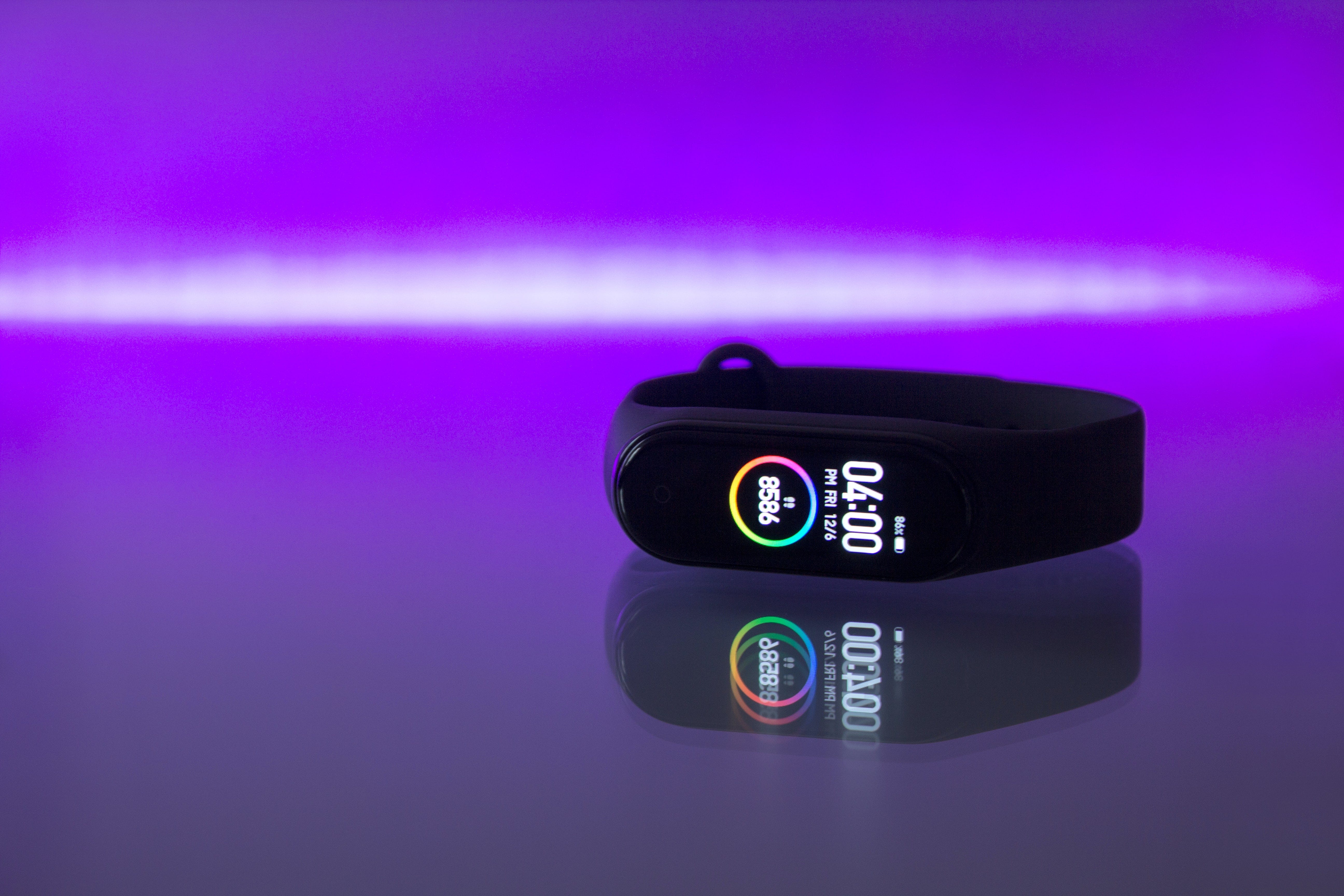
The journey started with simple fitness trackers designed to count steps and monitor heart rates. These devices gave you a new way to understand your body’s activity without bulky equipment.
Smartwatches took this concept further by adding notifications, apps, and even phone capabilities right on your wrist. Suddenly, your watch wasn’t just telling time—it was managing your schedule, tracking your health, and keeping you connected.
Have you noticed how these devices have become personal assistants? They offer convenience and insights that push you to be more active and organized.
Major Brands And Market Growth
Companies like Fitbit, Apple, Garmin, and Samsung have dominated the wearable market. Their products appeal to a wide range of users, from casual fitness enthusiasts to tech-savvy professionals.
The market’s growth is impressive. According to recent reports, global wearable shipments have surged year after year, showing no signs of slowing down.
- Apple’s Apple Watch leads with advanced health sensors and seamless integration with iPhones.
- Fitbit focuses on affordable, user-friendly fitness tracking.
- Garmin targets athletes and outdoor adventurers with durable, GPS-enabled devices.
- Samsung blends style and technology in its Galaxy Watch series.
What features do you find most useful in a wearable? Are you more drawn to fitness tracking or smart features like notifications and apps? Understanding what you want can help you choose the right device for your lifestyle.
Technological Advances Driving Wearables
Wearable technology has grown rapidly because of key technological advances. These advances made devices smaller, faster, and more connected. Wearables now fit easily on the body and offer many useful features. The progress in electronics and wireless tech played a big role. Both helped turn early concepts into everyday gadgets.
Miniaturization Of Electronics
Smaller electronic parts allowed wearables to shrink in size. Chips, sensors, and batteries became compact and efficient. This made devices lighter and comfortable to wear all day. Miniaturized components also used less power. This extended battery life without making devices bulky. Advances in materials helped create flexible and thin designs. These changes let wearables blend seamlessly with clothing or skin.
Wireless Connectivity Innovations
Wireless technology made wearables more useful and interactive. Bluetooth, Wi-Fi, and cellular networks connected devices to phones and the internet. This connection enabled real-time data sharing and notifications. Users could track health, receive messages, and control apps remotely. New wireless standards improved speed and range. This helped wearables work smoothly in many environments. Wireless charging also added convenience by reducing cable clutter.
Future Trends In Wearable Technology
The future of wearable technology holds exciting possibilities. Devices will become smarter and more useful in daily life. Expect wearables to blend better with fashion and personal style. They will help track health, improve communication, and enhance entertainment.
Advances in sensors, batteries, and wireless tech will drive this growth. Wearables may soon predict health issues before symptoms appear. Integration with AI will make devices more intuitive and adaptive. Users will enjoy seamless experiences across multiple devices.
Emerging Features And Uses
- Health monitoring will include hydration and stress levels.
- Wearables may support virtual and augmented reality apps.
- Smart fabrics could change color or control temperature.
- Devices will offer better voice control and gesture recognition.
- Real-time language translation might become a common feature.
- Wearables could assist in workplace safety and training.
Challenges And Ethical Considerations
- Privacy concerns will rise due to constant data collection.
- Security risks involve hacking and unauthorized access to data.
- Users may face issues with device dependency and distraction.
- Ethical questions arise around consent and data ownership.
- Accessibility must improve to include diverse user needs.
- Battery life and environmental impact remain ongoing challenges.
Frequently Asked Questions
Who Invented The First Wearable Technology Device?
The first wearable technology device was invented by Edward Thorp and Claude Shannon in 1961. They created a wearable computer to predict roulette outcomes in casinos. This invention laid the foundation for modern wearable tech like smartwatches and fitness trackers.
When Did Wearable Technology First Emerge?
Wearable technology first emerged in the early 1960s. The initial devices were bulky and experimental. Over decades, miniaturization and innovation made them practical and popular for everyday use.
What Was The Earliest Form Of Wearable Technology?
The earliest wearable technology was a hidden roulette-predicting computer. Developed in 1961, it was designed to assist gamblers. This device marked the beginning of wearable computing.
How Has Wearable Technology Evolved Over Time?
Wearable technology evolved from bulky computers to sleek devices. Advances in sensors, batteries, and wireless tech improved functionality. Today’s wearables track health, fitness, and provide smart notifications.
Conclusion
Wearable technology has a rich history. It began with simple innovations. Pioneers like Edward Thorp and Steve Mann led the way. Their early devices sparked interest and imagination. Today, wearables are part of daily life. They track fitness, monitor health, and offer convenience.
As technology advances, wearables will evolve further. More people will embrace these gadgets. The journey from past to present is fascinating. The future holds endless possibilities for wearable tech. It continues to blend seamlessly into our lives. Innovation in this field shows no signs of stopping.
Wearables remain a testament to human creativity and progress.
Leave a Reply