Have you ever wondered how your smartwatch knows when to buzz or how fitness trackers sense your every move? The secret lies in tiny signals called stimuli.
These signals are the invisible messengers that help wearable technology understand your body and surroundings. Understanding how stimuli work can change the way you use your devices and improve your daily life. Keep reading to discover the fascinating science behind these smart gadgets and how they respond to you in real time.
Basics Of Stimuli In Wearables
Understanding the basics of stimuli in wearable technology helps you grasp how these devices interact with your body and environment. Stimuli are the signals or changes detected by wearables that trigger a response or provide meaningful data. Knowing how these signals work can help you appreciate the precision and innovation behind your favorite gadgets.
Types Of Stimuli
Wearables respond to different types of stimuli, each serving a unique purpose. Common stimuli include:
- Mechanical stimuli:Movements like steps, gestures, or pressure.
- Chemical stimuli:Changes in sweat composition or blood oxygen levels.
- Thermal stimuli:Variations in body or ambient temperature.
- Electrical stimuli:Heart rate and muscle activity signals.
Which type of stimulus do you think your wearable picks up most often? This varies depending on the device’s function and your daily activities.
Sensors And Detection
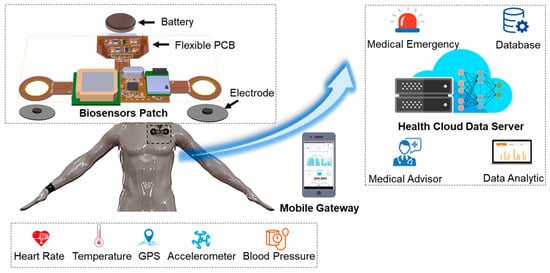
Sensors are the heart of wearable technology’s ability to detect stimuli. They convert physical or chemical changes into electrical signals your device can understand.
For example, accelerometers detect motion by measuring changes in velocity, while photoplethysmography (PPG) sensors use light to track blood flow. Each sensor must be sensitive and accurate to capture reliable data.
Imagine how your fitness tracker counts your steps—tiny sensors constantly monitor your movement to give you a real-time update. How accurate do you find this tracking during your workouts?
Signal Processing
Once sensors detect stimuli, signal processing turns raw data into useful information. This involves filtering noise, analyzing patterns, and converting signals into readable formats.
Wearables use algorithms to interpret data quickly, such as distinguishing between walking and running. This step is crucial because poor signal processing can lead to incorrect feedback or missed events.
Have you ever noticed your wearable reacting strangely during certain activities? That’s often a challenge in signal processing, highlighting the ongoing need for improvement in this area.
Credit: www.mdpi.com
Common Stimuli Triggers
Understanding common stimuli triggers is key to grasping how wearable technology reacts and adapts to your needs. These triggers serve as signals that prompt your device to perform specific actions. Let’s break down the main types of stimuli that wearables commonly respond to.
Physical Movement
Your body’s movements are one of the most straightforward triggers for wearables. Devices track steps, detect when you start running, or even notice when you’re sleeping. Have you ever noticed how your smartwatch automatically switches to workout mode as soon as you start jogging? That’s physical movement at work.
Wearables use accelerometers and gyroscopes to sense motion. These sensors help your device know not just if you’re moving, but how fast and in which direction. This data can then trigger notifications, activity tracking, or even safety alerts if a fall is detected.
Environmental Changes
Wearables don’t just respond to your body—they also react to your surroundings. Changes in temperature, light, or noise levels can trigger your device to adjust its settings or alert you. Imagine your smartwatch dimming its screen as you move from a bright outdoor setting to a dimly lit room.
Some devices monitor air quality or UV exposure, giving you real-time feedback to help protect your health. This kind of environmental awareness can make your wearable feel more like a personal assistant than just a gadget.
Biometric Signals
Your body sends out a variety of biometric signals that wearables can pick up on. Heart rate, skin temperature, and even sweat levels provide valuable information. This data allows your device to alert you about stress, dehydration, or irregular heartbeats.
For example, if your heart rate spikes unexpectedly while you’re resting, your wearable can notify you to take a break or seek medical advice. These biometric triggers help you stay in tune with your body’s condition throughout the day.
Smart Response Mechanisms
Smart response mechanisms are the heart of wearable technology. They allow devices to react instantly and appropriately to your body’s signals or environmental changes. This creates a seamless interaction that feels intuitive and personal, enhancing your overall experience.
Real-time Feedback
Wearables provide immediate responses based on the data they collect. Imagine your fitness tracker vibrating gently when your heart rate spikes during a workout, nudging you to slow down or take a break.
This instant feedback helps you stay aware and make quick decisions about your health or activity. It’s like having a coach on your wrist, guiding you every step of the way.
Adaptive Algorithms
Behind the scenes, smart devices use adaptive algorithms to improve their responses over time. These algorithms analyze patterns in your behavior and adjust settings automatically.
For example, a smartwatch might learn your sleep patterns and modify its alarm to wake you during a light sleep phase, helping you feel more refreshed. The device evolves with you, ensuring the feedback remains relevant and useful.
User Personalization
Wearables don’t just collect data—they tailor their responses to fit your unique needs. You can set preferences, but the device also personalizes suggestions based on your habits and goals.
Have you noticed how your smart device learns which workouts you prefer or when you’re usually active? This personalization makes your wearable feel like it was made just for you, turning data into meaningful support.
Applications In Health And Fitness
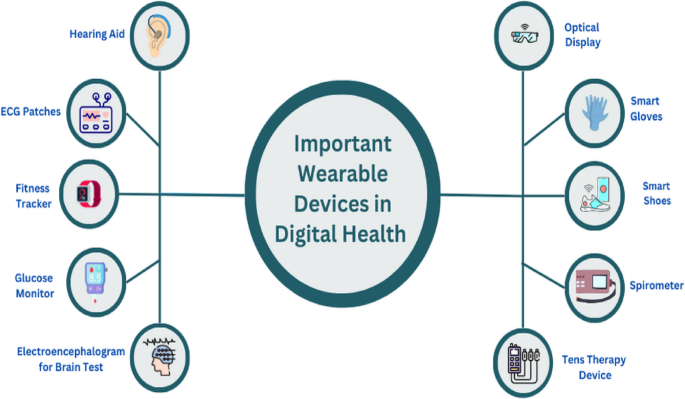
Wearable technology uses stimuli to gather and respond to real-time data. It plays a crucial role in health and fitness by offering personalized insights. These devices track physical activity, monitor vital signs, and analyze stress and sleep patterns. Their feedback helps users make better health decisions and stay motivated.
Activity Tracking
Wearables detect movement through sensors like accelerometers and gyroscopes. They count steps, measure distance, and track calories burned. Users get instant feedback on their daily activity levels. This information encourages regular exercise and helps set achievable goals.
Health Monitoring
Wearable devices monitor heart rate, blood oxygen, and other vital signs. They alert users about irregularities or potential health risks. Continuous monitoring allows early detection of issues. This can lead to timely medical advice and better health management.
Stress And Sleep Analysis
Wearables measure stress through heart rate variability and skin response. They also track sleep stages and duration using motion and heart rate data. Users receive suggestions to improve relaxation and sleep quality. Better stress and sleep management boosts overall well-being.
Challenges In Stimuli Integration
Integrating stimuli into wearable technology is no simple task. It involves balancing precision, energy use, and user trust. Each challenge shapes how effective and user-friendly these devices can become.
Accuracy And Reliability
Stimuli must respond correctly to your movements or environment to be useful. Imagine a fitness tracker that counts steps inaccurately or a health monitor that misses vital signs. Such errors can frustrate users and reduce the device’s value.
Reliability also means the stimuli work consistently over time without glitches. You want your wearable to deliver steady performance whether you’re running a marathon or sitting at your desk. How often have you stopped using a device because it just didn’t perform as promised?
Power Consumption
Stimuli often require sensors and actuators that draw power continuously. This can drain battery life quickly, limiting how long you can use your wearable without charging. Managing this balance is crucial for convenience.
Designers must find ways to optimize energy use, such as low-power sensors or smart activation only when needed. Have you ever been annoyed by your wearable dying right when you need it most? Power efficiency can solve that problem.
Privacy Concerns
Your wearable collects sensitive data to trigger stimuli accurately. This raises questions about who accesses this information and how it’s protected. You need assurance that your personal data isn’t being exposed or misused.
Wearables must include strong encryption and transparent privacy policies. When was the last time you read a device’s privacy policy carefully? It’s worth considering, especially as these devices become more integrated into daily life.
Credit: journalofcloudcomputing.springeropen.com
Future Trends In Wearable Stimuli
The future of wearable stimuli is shaping up to be more intuitive, responsive, and personalized than ever before. As technology advances, the way wearables interact with your body and environment will evolve dramatically. Understanding these trends can help you anticipate what’s coming next and how it might improve your daily life.
Advanced Sensor Technologies
Sensors are becoming smaller, smarter, and more sensitive. This means wearables will detect subtle changes in your body, like tiny muscle movements or shifts in skin temperature, with greater accuracy.
Imagine a fitness tracker that not only counts your steps but also senses your stress levels in real time. This level of detail allows for more precise feedback and tailored stimuli, helping you make better health decisions.
Ai And Machine Learning
AI is getting better at understanding the data collected by wearables. Instead of just recording information, your device will learn your habits and predict what stimuli you need at the right moment.
Think about a wearable that notices when you’re about to feel anxious and gently vibrates to help calm you down. This proactive approach turns wearables from passive monitors into active partners in your wellbeing.
Seamless User Experiences
Future wearables will blend effortlessly into your life. You won’t have to fiddle with complicated settings or interrupt what you’re doing to get the right stimuli.
Wearables might use voice commands or subtle gestures to deliver feedback discreetly. This makes technology feel less like a gadget and more like a natural extension of your body.
What kind of stimuli would you want your wearable to provide without you having to ask? Think about how this could change your daily routine.

Credit: chisoftware.medium.com
Frequently Asked Questions
How Do Stimuli Trigger Responses In Wearable Technology?
Stimuli in wearables are detected by sensors that sense changes like motion or temperature. These sensors send signals to the device’s processor, which interprets them and triggers a response, such as notifications or health alerts, enhancing user interaction and functionality.
What Types Of Stimuli Do Wearables Detect?
Wearable technology detects various stimuli including physical movements, heart rate, temperature, and environmental changes. These inputs help devices monitor health, fitness, and surroundings, enabling real-time feedback and personalized user experiences for improved lifestyle management.
How Is Sensory Data Processed In Wearable Devices?
Sensory data from stimuli is collected by sensors and sent to the wearable’s microprocessor. The processor analyzes this data using algorithms to generate meaningful insights or actions, such as activity tracking or health monitoring alerts, ensuring timely and accurate feedback.
Can Stimuli Improve Wearable Technology User Experience?
Yes, stimuli enhance user experience by providing real-time, personalized feedback. They enable wearables to adapt to user needs, improve accuracy in health monitoring, and offer interactive features like haptic feedback, making devices more intuitive and engaging.
Conclusion
Wearable technology is changing how we interact with the world. Stimuli in wearables help make devices more interactive. They respond to our needs and actions. This interaction boosts user experience and efficiency. Understanding stimuli can enhance how you use your devices.
It’s fascinating how these small signals make a big difference. Wearables are becoming smarter every day. They continue to integrate more stimuli for better functionality. As technology evolves, so will our interactions. Embrace these changes. Stay informed and make the most of your wearable tech.
Experience the benefits firsthand.
Leave a Reply