Have you ever wondered if the smartwatch on your wrist or the fitness tracker you use daily is more than just a gadget? What if these devices are actually part of a bigger, powerful network that changes how we communicate and share information?
Understanding whether wearable technology fits into Information Communications Technology (ICT) could change the way you see your devices—and your connection to the digital world. Keep reading, and you’ll discover how these small tools play a big role in the future of communication.
Credit: www.bgosoftware.com
Wearable Tech Basics
Wearable technology has quickly moved from being a futuristic concept to an everyday reality. These devices are designed to be worn on your body, offering real-time data and connectivity that can change how you interact with the world. Understanding the basics of wearable tech helps you see how it fits into the broader field of Information Communications Technology (ICT).
Types Of Wearable Devices
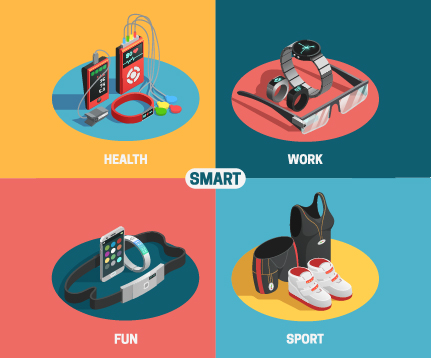
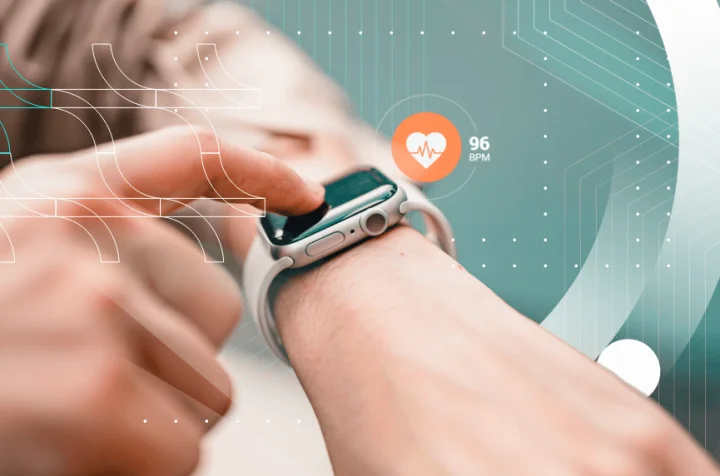
Wearable devices come in many shapes and sizes, each serving unique purposes. Fitness trackers like Fitbit monitor your physical activity and health stats. Smartwatches, such as the Apple Watch, combine fitness tracking with communication features like calls and messages.
Other types include:
- Smart glasses that display information directly in your line of sight
- Wearable cameras for capturing moments hands-free
- Medical devices that monitor vital signs continuously
- VR headsets used for immersive experiences
Have you ever noticed how these devices blend seamlessly into your daily routine, yet provide powerful insights and connectivity?
Core Features Of Wearables
Wearables are more than just gadgets; they offer core features that enhance your life. Most have sensors to collect data like heart rate, steps, or location. This real-time data helps you make informed decisions about your health or productivity.
Connectivity is another key feature. Wearables often sync with smartphones or the internet, allowing you to receive notifications, control apps, or share information instantly. Battery life and comfort also matter because a wearable that’s inconvenient won’t stay on your wrist or body for long.
Think about the last time your smartwatch alerted you to a message or reminded you to move. That’s wearable tech working to keep you connected and aware without demanding your constant attention.
Ict Components
Information Communications Technology (ICT) includes many parts that work together. These parts help to create, share, and manage information. Understanding these components helps to see how wearable technology fits in. Wearable devices often rely on these ICT parts to function well and connect with other systems.
Communication Systems
Communication systems allow devices to send and receive data. This includes networks like Wi-Fi, Bluetooth, and mobile data. Wearable technology uses these systems to connect to phones, computers, and the internet. This connection lets users receive notifications, track health data, and stay connected in real time.
These systems also ensure data moves quickly and securely. Without strong communication, wearable devices cannot share information effectively. They form the backbone of the wearable tech experience.
Information Processing
Information processing involves collecting, analyzing, and storing data. Wearable devices gather data from sensors like heart rate monitors or GPS. Then, they process this data to provide meaningful insights to users.
Processing happens inside the device or through cloud services. Quick processing helps wearables give real-time feedback. This component is key for fitness tracking, health monitoring, and other smart features.
Overlap Between Wearables And Ict
Wearable technology and Information Communications Technology (ICT) share many common features. Both involve devices that collect, process, and share data. Wearables extend ICT by offering new ways to connect and communicate. Their overlap creates exciting opportunities in healthcare, fitness, and daily life.
Data Transmission In Wearables
Wearable devices collect data through sensors. This data needs to be sent to other devices or servers. Wireless technologies like Bluetooth and Wi-Fi enable this transfer. Fast, reliable transmission is vital for real-time updates. Data security during transmission is also a key concern. Wearables rely on ICT standards to ensure smooth data flow.
Integration With Networks
Wearables connect to broader ICT networks for full functionality. They often link to smartphones, tablets, or cloud services. This integration allows data storage and advanced processing. Networks support constant device communication and synchronization. The connection helps users receive notifications and updates instantly. Network integration makes wearables a part of the ICT ecosystem.
Credit: www.fortunebusinessinsights.com
Applications Driving Convergence
Wearable technology blends with Information Communications Technology (ICT) through various applications. These applications push the boundaries of how devices communicate and share data. They create new opportunities in different sectors by connecting people, machines, and systems. The convergence of wearable tech and ICT drives innovation and efficiency.
Healthcare And Fitness
Wearables monitor health data like heart rate, steps, and sleep quality. This data transfers to healthcare providers for real-time analysis. Doctors can track patients remotely, improving care and response times. Fitness trackers motivate users to stay active and healthy. They also help manage chronic diseases with alerts and reminders.
Enterprise Solutions
Businesses use wearable devices to improve worker safety and productivity. Employees receive instant notifications and updates on the go. Wearables support hands-free communication in industries like manufacturing and logistics. They collect data to optimize workflows and reduce errors. This technology streamlines operations and enhances teamwork.
Smart Cities And Iot
Wearables integrate with smart city infrastructure through the Internet of Things (IoT). They provide data on traffic, pollution, and public safety. Citizens receive real-time information to navigate urban environments. Wearable sensors help monitor environmental conditions and energy use. This connection improves city management and quality of life.
Challenges In Merging Wearables With Ict
Merging wearable technology with Information Communications Technology (ICT) opens exciting possibilities, but it also brings significant challenges. These hurdles affect how securely, efficiently, and seamlessly wearables can communicate and operate within ICT frameworks. Understanding these challenges helps you navigate the evolving tech landscape and make smarter choices about using wearables.
Data Privacy Concerns
Wearables collect sensitive personal data, from health stats to location details. This raises serious privacy questions about who accesses your data and how it’s protected. You might wonder: How safe is my information when it’s constantly transmitted to various networks and cloud services?
Many wearables lack strong encryption, making data vulnerable to breaches. Users often have little control over data sharing, which can lead to misuse. You should demand clear privacy policies and robust security measures before trusting any wearable device.
Technical Limitations
Wearables face constraints like limited battery life, small storage, and reduced processing power. These limitations affect how well they can perform complex ICT tasks. Have you ever noticed your smartwatch struggling to sync or running out of battery quickly during important moments?
Connectivity issues also arise due to reliance on Bluetooth or Wi-Fi, which can be unstable or slow. Developers must find ways to optimize performance without sacrificing user experience. You can look for devices that balance functionality with energy efficiency for better daily use.
Standardization Issues
The wearable market is flooded with devices from different brands, each using unique protocols and formats. This lack of standardization creates compatibility headaches when integrating wearables into larger ICT systems. Have you tried syncing your fitness tracker data with a health app only to find they don’t communicate properly?
Without common standards, data sharing between devices and platforms becomes complicated and error-prone. Industry-wide agreements on communication protocols and data formats are needed to ensure smooth interoperability. Until then, you might face frustrating limitations in how your wearables work with other technologies.
Future Trends
Wearable technology is evolving fast, shaping the future of information communications technology (ICT). New trends show how these devices will connect, learn, and impact daily life. Exploring these trends helps understand how wearable tech fits into the ICT landscape.
Advancements In Connectivity
Wearables will use faster, more reliable networks. 5G and future 6G will enable instant data transfer. This means smoother video calls and real-time health monitoring. Devices will connect easily with other smart gadgets. Connectivity improvements will make wearables more useful and efficient.
Ai And Wearable Tech
Artificial intelligence will power smarter wearables. These devices will learn user habits and provide personalized feedback. AI will help predict health issues before they happen. Voice assistants will become more natural and helpful. AI will make wearables more interactive and adaptive.
Potential Impact On Ict
Wearable tech will expand the ICT ecosystem. It will create new data sources and communication methods. Businesses will use wearables for better customer service and operations. Education and healthcare will benefit from real-time data access. Overall, wearables will deepen the integration of ICT in daily life.

Credit: techcrunch.com
Frequently Asked Questions
What Is Wearable Technology In Ict?
Wearable technology refers to electronic devices worn on the body. It collects and communicates data, integrating with ICT systems for real-time information exchange.
How Does Wearable Technology Relate To Ict?
Wearables use wireless networks to transmit data. This connection makes them a vital part of the information and communications technology ecosystem.
Can Wearable Devices Improve Communication?
Yes, wearable devices enable instant notifications and data sharing. They enhance communication by providing hands-free, real-time interaction and information access.
Are Wearables Part Of The Internet Of Things (iot)?
Wearables are key IoT components. They connect to the internet and other devices, sharing data to improve user experiences and services.
Conclusion
Wearable technology clearly fits within the world of information communications technology. These devices send and receive data, just like other ICT tools. They help people stay connected and access information easily. Wearables have become part of daily life for many users.
Their role in communication and data sharing keeps growing. This shows how technology continues to blend and evolve. Understanding this connection helps us see the bigger picture. Wearable tech is not separate but a vital piece of ICT today.
Leave a Reply