Have you ever caught yourself checking your smartwatch more times than you planned? Or felt uneasy when your fitness tracker isn’t on your wrist?
Wearable technologies are becoming a big part of our daily lives, but are they just helpful gadgets—or something more? You might be surprised to learn how these tiny devices can pull you in, sometimes without you even noticing. Keep reading to find out if you, and millions like you, might be addicted to wearable tech—and what that really means for your life.
Rise Of Wearable Tech
Wearable technology has become a part of everyday life for many people. These devices track your health, keep you connected, and even assist in daily tasks. Their rise shows how technology can move beyond phones and computers to become something you wear on your body.
Popular Devices Today
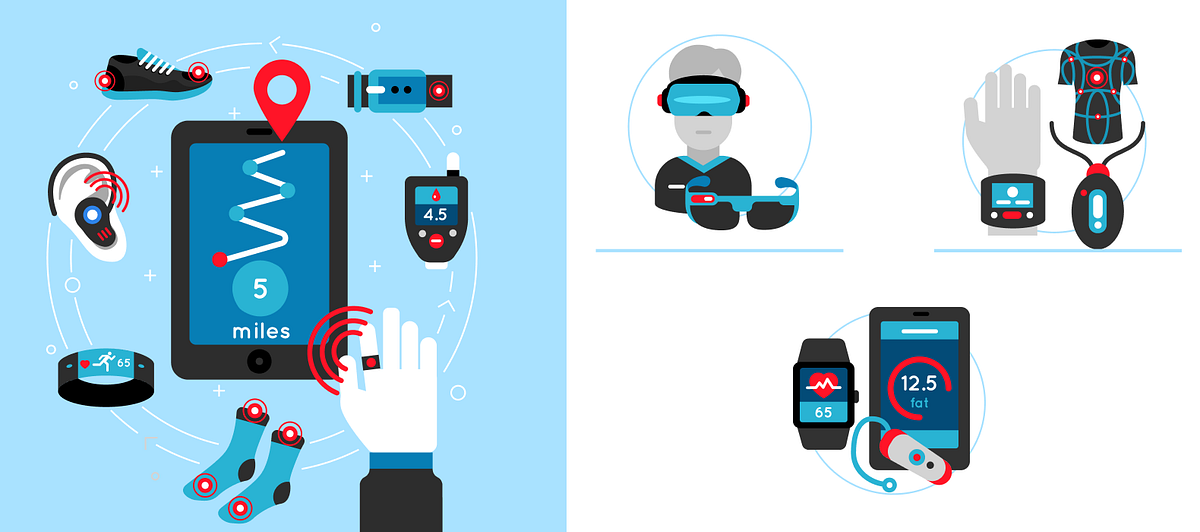
Smartwatches like the Apple Watch and Fitbit lead the market. They offer features like heart rate monitoring, GPS tracking, and message notifications. Fitness bands, smart glasses, and even smart rings are gaining attention as well.
These devices are not just gadgets; they become personal assistants you wear. You might find yourself checking your wrist for steps or heart rate more often than you expect. Have you noticed how quickly these habits form?
Growth In User Base
The number of wearable tech users is growing fast worldwide. Millions of people are adopting these devices for fitness, health, and convenience. This growth reflects a shift in how people engage with technology daily.
What’s driving this surge? Affordable prices, improved battery life, and better integration with smartphones play big roles. If you’ve recently bought a wearable, you’re part of a trend that’s changing how we live and interact.
Signs Of Addiction
Recognizing the signs of addiction to wearable technologies is key to understanding how these devices impact your daily life. Addiction doesn’t always look like constant use; sometimes it’s about how you feel when you’re not wearing the device. Identifying these signs early can help you regain control and maintain a healthy balance between technology and real life.
Behavioral Patterns
Do you check your wearable every few minutes, even without notifications? This compulsive behavior is a red flag. You might find yourself prioritizing the device over face-to-face conversations or ignoring tasks just to track your stats.
Some common patterns include:
- Constantly monitoring steps, heart rate, or sleep data beyond a healthy interest
- Feeling anxious or restless when the device is off or out of reach
- Using the wearable to avoid social situations or uncomfortable moments
Ask yourself: Are you using the device to enhance your life, or is it controlling your actions?
Psychological Impact
Your mood may depend heavily on what your wearable shows. High scores or positive feedback might give you a temporary boost, but low numbers can cause frustration or self-doubt. This emotional rollercoaster can wear you down over time.
Wearables can also create a constant pressure to improve, leading to stress and obsession. You might feel guilty if you don’t meet your daily goals or become preoccupied with perfect metrics instead of enjoying your activities.
Consider how your device affects your mental state. Does it motivate you without stress, or does it add unnecessary pressure to your day?
Benefits Vs. Risks
Wearable technologies offer a fascinating mix of benefits and risks that can impact your daily life. Understanding both sides helps you decide how much these devices should be part of your routine. Let’s look closely at the health and fitness gains they provide and the potential negative effects you might face.
Health And Fitness Gains
Wearables track your steps, heart rate, sleep patterns, and even stress levels. This constant feedback motivates many people to move more, eat better, and improve sleep quality. When I started using a fitness tracker, I realized how little I was actually walking each day, which pushed me to take more breaks and be active.
These devices also help you set realistic goals and celebrate small wins, which keeps your motivation high. Some wearables can detect irregular heartbeats or other health issues early, prompting timely medical advice. They turn abstract health data into clear actions you can take immediately.
Potential Negative Effects
However, the constant monitoring can sometimes backfire. You might feel pressured to meet daily goals even when your body needs rest. This pressure can lead to stress and anxiety, turning a helpful tool into a source of worry.
There’s also the risk of becoming too dependent on these gadgets, losing touch with your body’s natural signals. Some users report obsessively checking their stats, which can interrupt work and social interactions. Have you ever found yourself distracted by your wearable’s alerts instead of focusing on the moment?
Lastly, data privacy is a concern. Your personal health information stored on these devices could be vulnerable if not properly protected. Weighing these risks against the benefits is key to using wearables wisely and maintaining a healthy balance.

Credit: medium.com
Technology And Dopamine
Wearable technologies connect users to digital worlds continuously. This constant connection triggers dopamine, a brain chemical linked to pleasure and motivation. Dopamine plays a key role in how people interact with technology and can influence their behavior.
Reward Mechanisms
Wearables often give rewards like badges, points, or notifications. These rewards release dopamine, creating feelings of happiness and success. The brain starts to expect these rewards, encouraging users to keep engaging. This cycle of reward and pleasure can make the use of wearables feel very satisfying.
Habit Formation
Repeated dopamine releases help form habits. Using wearables daily becomes part of a routine. The brain learns to crave the positive feelings from the device. This craving can turn use into a habit that is hard to break. Over time, some people may feel dependent on their wearable technology for motivation and mood boosts.
Social Influence
Social influence plays a significant role in how people interact with wearable technologies. These devices are not just tools; they often become symbols of status, belonging, and lifestyle. Understanding this social dynamic helps explain why some users feel compelled to keep up with the latest gadgets or track every step obsessively.
Peer Pressure
Have you ever noticed how your friends’ use of smartwatches or fitness trackers affects your own desire to get one? Peer pressure can push you to adopt wearable tech even if you’re unsure about its benefits. When everyone around you is tracking their health stats or sharing achievements, it creates a subtle pressure to join in.
This pressure isn’t always obvious. It might come from casual conversations, social media updates, or group challenges that make you feel left out without a wearable device. The fear of missing out (FOMO) can make you check your device constantly, sometimes turning a healthy habit into an obsession.
Cultural Trends
Wearable technologies often ride waves of cultural trends that influence your buying decisions and usage patterns. Health and wellness trends, for example, have made fitness trackers highly popular as symbols of an active lifestyle. When society values tracking steps and sleep quality, you might find yourself drawn to these devices to fit in with the trend.
Additionally, fashion trends integrate wearables as accessories, blending technology with style. This combination can make it harder to separate practical use from social signaling. Are you wearing your device for health insights, or because it complements your outfit and sends a message about who you are?

Credit: www.embs.org
Managing Wearable Use
Managing wearable use is important to keep a healthy balance. These devices offer many benefits but can also lead to overuse. Setting clear limits helps control how often and when you use your wearable. Taking breaks allows your mind and body to rest from constant data and alerts.
Creating good habits around wearable use can improve focus and reduce stress. Understanding how to manage these tools helps prevent dependency. Small changes in daily routines can make a big difference.
Setting Boundaries
Set specific times to check your wearable device. Avoid wearing it 24/7 to reduce constant monitoring. Turn off non-essential notifications to limit distractions. Use “Do Not Disturb” modes during work or rest hours. Decide which features are most useful and disable the rest.
Keep your wearable out of reach during meals or social times. This helps focus on real-world interactions. Use physical reminders like notes or alarms to stick to your limits. Boundaries create a clear separation between device use and personal time.
Digital Detox Strategies
Plan regular breaks from your wearable device to reset your mind. Start with short detox periods, like a few hours or a day. Gradually increase detox time as you feel comfortable. Use these breaks to enjoy offline activities like walking or reading. Focus on being present without digital interruptions.
Try setting “tech-free zones” in your home, such as the bedroom. This encourages better sleep and reduces screen time before bed. Share detox plans with family or friends for support. Detoxing helps reduce reliance and brings back control over wearable use.
Future Of Wearable Addiction
The future of wearable addiction is unfolding as devices become more advanced and deeply integrated into daily life. These gadgets are no longer just about tracking steps or heart rates—they are evolving to influence behavior, emotions, and even decision-making. This raises important questions about how much control you really have over your interactions with technology.
Emerging Technologies
Wearables are getting smarter with features like AI-driven health monitoring, augmented reality, and real-time emotional feedback. Imagine a watch that not only tracks your stress levels but also suggests personalized breathing exercises before you even feel overwhelmed.
These innovations promise convenience and improved well-being, but they also increase the risk of dependency. How often do you find yourself checking your device, even when there’s no urgent need?
Regulation And Awareness
As wearable addiction grows, so does the call for clearer regulations and better user education. Right now, many users don’t fully understand how their data is used or how these devices influence their habits.
Awareness campaigns can help you recognize signs of overuse and encourage healthier tech habits. Should companies be responsible for limiting addictive features, or is it up to you to set boundaries?

Credit: www.thedailybeast.com
Frequently Asked Questions
Are Wearable Technologies Addictive For Most Users?
Wearable technologies can be addictive due to constant notifications and tracking features. Users often develop habits from frequent usage. However, addiction varies by individual and usage patterns. Awareness and moderation can prevent dependency.
How Do Wearables Impact Mental Health Addiction Risks?
Wearables may increase anxiety or stress by promoting constant self-monitoring. Overuse can lead to compulsive behavior and reliance on device feedback. Balancing use with offline activities helps reduce addiction risks.
Can Wearable Addiction Affect Daily Productivity?
Yes, excessive use of wearables can distract users and reduce focus. Constant alerts interrupt work and social interactions. Setting boundaries and disabling non-essential notifications improve productivity.
What Features Make Wearables More Addictive?
Features like real-time tracking, gamification, and social sharing boost engagement. Instant feedback and rewards trigger dopamine release, encouraging frequent use. Design plays a key role in potential addiction.
Conclusion
Wearable technologies shape our daily lives. They offer convenience and insight. People use them for fitness, health, and communication. These gadgets become a part of routine life. The appeal lies in tracking personal goals and staying connected. Yet, the concern of addiction arises.
Balance is crucial. Users should reflect on their dependence. Consider the benefits against potential drawbacks. Awareness leads to better choices. Wearables, when used mindfully, enhance life without taking over.
Leave a Reply