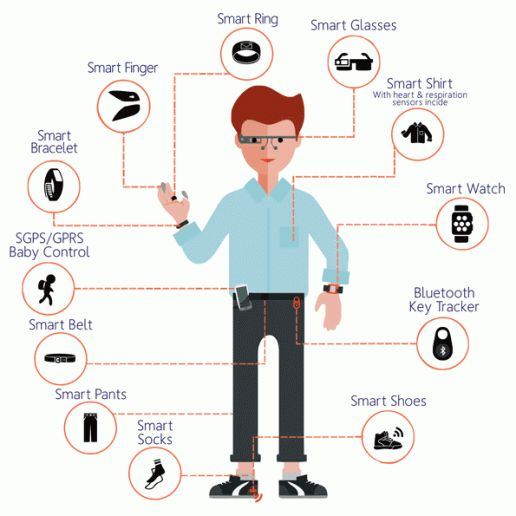
Imagine having a device that not only fits seamlessly into your daily life but also makes everything easier, faster, and smarter. What if your watch could track your health, help you stay connected, and even boost your productivity without interrupting your flow?
Smart wearables are not just cool gadgets—they might be the key to unlocking a new era of technology that changes how you live, work, and play. Curious about how these tiny devices could transform your future? Keep reading, because what you discover might surprise you.
Rise Of Smart Wearables
Smart wearables have quickly moved from niche gadgets to everyday essentials. Their rise is reshaping how you interact with technology, health, and even your environment. But what sparked this surge, and where is it heading?
Evolution Of Wearable Tech
Wearable technology started simply with basic step counters and digital watches. Over the years, these devices have grown smarter, adding sensors for heart rate, sleep tracking, and GPS.
Think about your own experience: maybe you started with a fitness band and now use a smartwatch that controls your music or answers calls. This shift shows how wearables are becoming more integrated into daily life, offering practical benefits beyond just tracking steps.
Each generation of devices has brought new features that push boundaries—like monitoring stress levels or detecting irregular heartbeats. This constant innovation keeps wearables relevant and useful.
Current Market Trends
The market for smart wearables is booming, with millions of units sold annually worldwide. Brands are competing fiercely to offer better battery life, sleeker designs, and more health-related functions.
- Health monitoring remains the top driver, especially with rising awareness about personal wellness.
- Integration with smartphones and smart home devices is improving user convenience.
- Affordable models are making wearables accessible to a wider audience.
Have you noticed how your device now suggests actionable insights rather than just data? This shift from data collection to meaningful feedback is what makes wearables truly valuable.
What feature would you want your next wearable to have? How might these devices change your daily habits or health awareness?
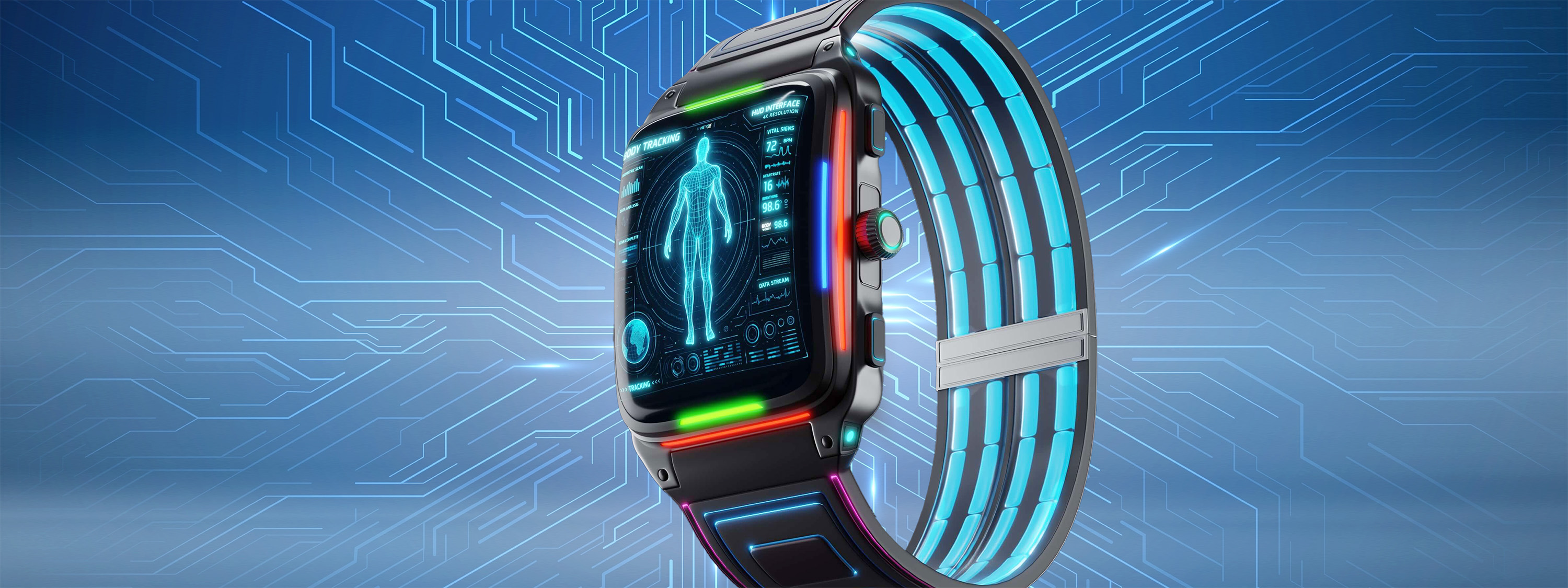
Credit: www.tomsguide.com
Key Features Of Smart Wearables
Smart wearables have transformed from simple gadgets into powerful tools packed with features designed to improve your daily life. Understanding their key features helps you see why they might be the future of technology. These devices blend health, connectivity, and personalization in ways that feel intuitive and helpful.
Health Monitoring
Smart wearables keep an eye on your health constantly. They track your heart rate, sleep quality, and physical activity without any effort on your part. Some devices even monitor blood oxygen levels and stress, giving you instant feedback.
Imagine getting notified when your heart rate spikes unexpectedly or when you need to move after sitting too long. This real-time health data can help you make better choices every day. Have you ever noticed how a simple vibration reminder can push you to drink water or take a deep breath?
Connectivity And Communication
These devices keep you connected without pulling out your phone. You can receive calls, texts, and notifications directly on your wrist or glasses. This means you stay updated while keeping your hands free.
Think about answering an important call during a workout or checking a message during a meeting discreetly. The seamless connection between your wearable and smartphone makes staying in touch easier and less disruptive. How often do you find yourself reaching for your phone just to check a quick notification?
Personalization And Ai Integration
Smart wearables learn from your habits and preferences. AI helps tailor alerts, suggestions, and even workout plans based on your unique lifestyle. This personalization makes the device feel like a helpful companion rather than just a tool.
For example, your wearable might suggest a calming breathing exercise after detecting elevated stress or recommend a new route for your run. The AI adapts as you use the device more, improving the experience continuously. How would having a gadget that truly understands your daily rhythm change the way you manage your time and health?
Impact On Daily Life
Smart wearables are changing how you live each day. These devices go beyond just telling time or tracking steps—they influence your habits, work, and even how you relax. Understanding their impact can help you use technology smarter and better.
Fitness And Wellness
Wearables track your heart rate, sleep, and activity levels in real time. They motivate you to move more by setting daily goals and sending reminders. You might find yourself walking an extra mile just to hit a step target.
These devices also help catch health issues early by monitoring irregularities. If your wearable alerts you to unusual heart rhythms, you can seek medical advice sooner. How often do you check your health stats without waiting for a doctor’s visit?
Work And Productivity
Smart wearables can boost your focus and time management. Some models offer silent notifications, helping you avoid distractions during meetings or deep work. You can also track how much time you spend on tasks and adjust your schedule accordingly.
For remote workers, wearables provide gentle reminders to stand or stretch, promoting better posture. They help balance work and breaks, which increases overall productivity. Could a small vibration on your wrist improve your daily work rhythm?
Entertainment And Lifestyle
Wearables make entertainment more accessible and hands-free. You can control music, answer calls, or even capture quick photos without pulling out your phone. This seamless interaction keeps you connected without losing focus on your surroundings.
Some devices integrate with smart home systems, allowing you to control lights or appliances with a tap. They also offer personalized recommendations based on your habits and preferences. What new lifestyle habit could you develop with such easy access to your digital world?
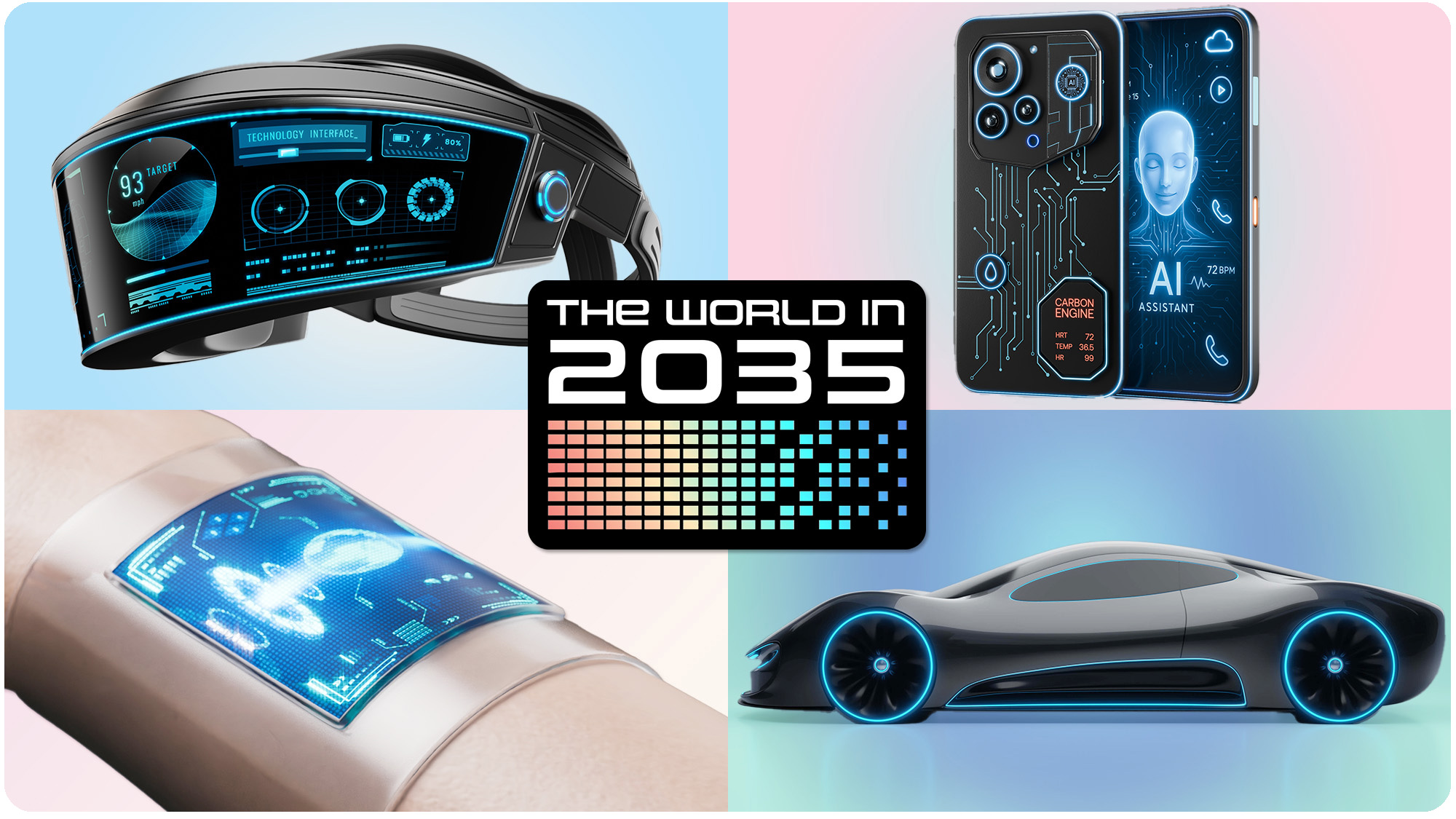
Credit: www.tomsguide.com
Challenges Facing Smart Wearables
Smart wearables offer exciting possibilities, but they face several challenges. These issues slow down their wider use and acceptance. Understanding these challenges helps improve the technology and user trust.
Privacy And Security Concerns
Smart wearables collect personal health and activity data. This data can be sensitive and private. Many users worry about how companies use and protect this information. Hackers can also target wearables to steal data. Security breaches can harm users and damage trust in the technology.
Manufacturers must build strong security measures. Encryption and regular updates are essential to protect data. Users need clear information about privacy policies.
Battery Life And Durability
Most smart wearables need frequent charging, which can be inconvenient. Small batteries limit usage time, especially for devices with many features. Durability is another problem. Wearables must resist water, dust, and daily wear and tear.
Improving battery technology and making devices more robust is critical. Users want devices that last long and work reliably in different conditions.
Cost And Accessibility
Smart wearables can be expensive, limiting access for many people. High prices reduce adoption, especially in low-income areas. Accessibility also involves ease of use. Complex interfaces can discourage older adults or less tech-savvy users.
Lowering prices and designing simple, user-friendly devices will help more people benefit from smart wearables. Affordable options can increase adoption worldwide.
Future Innovations
The future of smart wearables holds exciting innovations that will change how we live. New technology will make devices smarter, faster, and more helpful. These advances will touch many areas, from materials to health care.
Smart wearables will become more than just gadgets. They will be key parts of everyday life, connecting us to the world and our own bodies in new ways. Here are some future innovations shaping this path.
Advanced Sensors And Materials
Future wearables will use advanced sensors to collect more accurate data. These sensors will detect heart rate, temperature, and even blood sugar levels continuously. Materials will be lighter, flexible, and stronger. This will make devices more comfortable to wear all day. Some wearables may even heal themselves or change shape to fit better.
Integration With Iot
Wearables will connect easily with other smart devices through the Internet of Things (IoT). This means your watch could control home lights or unlock doors. It will share data with your car or phone seamlessly. This integration will create a smooth, connected experience. It will help automate daily tasks and improve safety.
Potential For Healthcare Transformation
Smart wearables will play a big role in healthcare. They can monitor chronic diseases and alert users to problems early. Doctors will get real-time data to make better decisions. These devices may even deliver medicine or perform small treatments. They will help people stay healthy and reduce hospital visits.

Credit: tech.yahoo.com
Smart Wearables Vs Traditional Devices
Smart wearables and traditional devices serve similar functions but differ greatly in design and use. Traditional devices include smartphones, laptops, and watches, which are separate gadgets we carry or wear. Smart wearables combine technology and convenience by being worn on the body, often tracking health and activity in real-time.
These new gadgets offer unique benefits over conventional tech. Yet, they also face challenges that limit their full potential. Understanding these points helps to see if smart wearables are truly the future.
Advantages Over Conventional Tech
- Constant connectivity without holding a device.
- Real-time health monitoring, like heart rate and sleep patterns.
- Hands-free operation improves user convenience.
- Lightweight and compact design for easy wearing all day.
- Faster access to notifications and alerts.
- Integration with other smart devices for seamless control.
Limitations And Areas For Improvement
- Battery life often shorter than traditional devices.
- Smaller screens limit detailed information display.
- Privacy concerns due to continuous data tracking.
- Durability issues with exposure to sweat and water.
- Higher prices compared to some conventional gadgets.
- Compatibility problems across different platforms and apps.
Frequently Asked Questions
What Are Smart Wearables In Technology?
Smart wearables are electronic devices worn on the body. They track health, fitness, and provide notifications. These gadgets connect to smartphones for enhanced functionality. Examples include smartwatches, fitness bands, and smart glasses. They offer convenience and real-time data monitoring.
How Do Smart Wearables Improve Daily Life?
Smart wearables monitor health metrics like heart rate and sleep. They provide alerts for calls, messages, and reminders. These devices encourage fitness and healthy habits. They also offer GPS and contactless payment features. Overall, they enhance productivity and well-being.
Are Smart Wearables Secure And Privacy-friendly?
Most smart wearables use encryption to protect user data. Manufacturers implement strict privacy policies and security updates. However, users should manage app permissions carefully. Avoid sharing sensitive information unnecessarily. Staying updated reduces security risks and protects personal data.
What Future Trends Are Expected In Smart Wearables?
Future smart wearables will have better sensors and AI integration. Expect longer battery life and more health monitoring features. Wearables will become more stylish and comfortable. Integration with IoT devices will enhance user experience. They aim to be indispensable daily tech tools.
Conclusion
Smart wearables hold great potential in technology’s future. Their convenience and connectivity make daily tasks easier. Health tracking features can lead to better wellness management. More people are adopting these devices for their benefits. Privacy and security remain concerns, though.
Developers must address these issues responsibly. As technology evolves, wearables will likely grow in significance. They may become integral to daily life. Staying informed about advancements is key. Embracing these innovations can enhance our lives. So, the future looks promising for smart wearables.
Leave a Reply