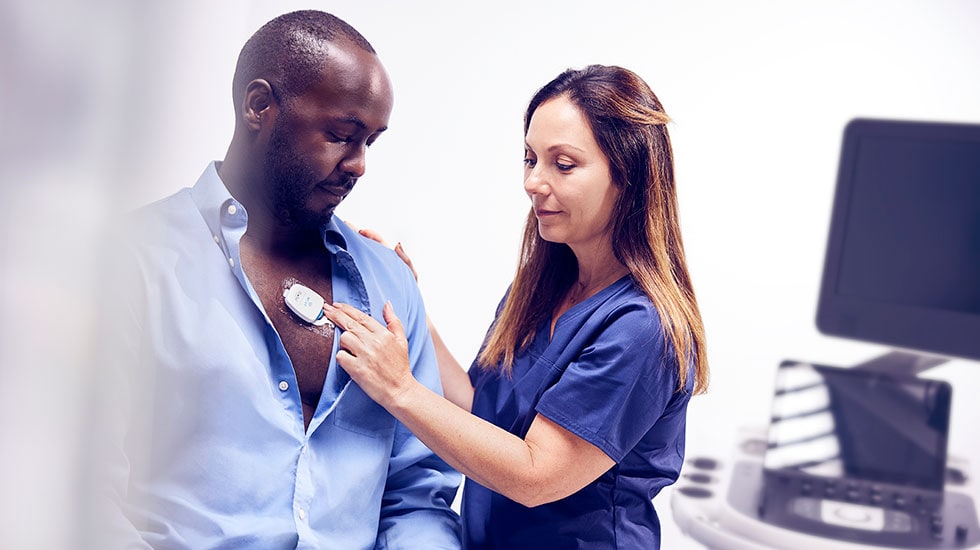
Imagine having a tool that keeps your doctor connected to your health every single moment, even when you’re miles apart. Wearable technology is making this possible, changing the way doctors and patients build trust and reliability.
If you’ve ever worried about whether your doctor truly understands your daily health needs, this breakthrough could be a game-changer for you. You’ll discover how these smart devices help doctors get accurate, real-time information, so your care becomes more personal and dependable than ever before.
Keep reading to find out how wearable tech can transform your health experience and strengthen the bond with your doctor.
Role Of Wearables In Healthcare
Wearable technology is transforming healthcare by creating a direct line of communication between doctors and patients. These devices provide real-time health data, allowing doctors to understand their patients better and tailor treatments more effectively. This constant flow of information builds trust and improves the reliability of care.
Types Of Wearable Devices
There are various types of wearables designed to track different health aspects. Fitness trackers monitor steps, heart rate, and sleep patterns, helping patients stay active and healthy.
Smartwatches now include features like ECG monitoring and blood oxygen level detection, giving doctors access to vital signs anytime.
More specialized devices include continuous glucose monitors for diabetics and wearable blood pressure monitors. Each type offers unique benefits that contribute to ongoing health management.
Data Collection And Monitoring
Wearables collect a wealth of health data that doctors can review without waiting for scheduled visits. This continuous monitoring helps catch potential issues early, sometimes before symptoms appear.
Imagine your doctor receiving alerts if your heart rate spikes unexpectedly or if your sleep quality drops. This proactive approach can prevent hospital visits and improve outcomes.
However, the real challenge lies in interpreting this data correctly and integrating it into your personalized care plan. How often do you think your healthcare could improve with real-time insights about your body?

Credit: hmedicalinc.com
Enhancing Patient Monitoring
Enhancing patient monitoring is a vital benefit of wearable technology. These devices provide doctors with continuous and accurate health data. This constant flow of information helps doctors keep a close watch on their patients’ conditions. It builds trust by showing patients that doctors are actively involved in their care. Wearables also reduce the need for frequent hospital visits. Patients feel more secure knowing their health is tracked in real time.
Real-time Health Tracking
Wearable devices track vital signs like heart rate, blood pressure, and oxygen levels. Data updates instantly and is shared with healthcare providers. This allows doctors to observe any changes quickly. Patients no longer need to wait for appointments to report symptoms. Real-time tracking helps doctors adjust treatments promptly. It also encourages patients to stay engaged with their health. Continuous monitoring improves communication and understanding between doctors and patients.
Early Detection Of Health Issues
Wearable technology can spot health problems before symptoms appear. Alerts notify doctors and patients about unusual patterns. Early detection leads to faster diagnosis and treatment. This can prevent serious complications and hospitalizations. Wearables help identify risks such as irregular heartbeats or high blood sugar. Patients feel reassured knowing their health is under constant watch. Early intervention builds stronger reliability in doctor-patient relationships.
Improving Communication
Improving communication between doctors and patients is crucial for building trust and ensuring effective treatment. Wearable technology plays a key role in this by providing real-time health information that keeps both parties informed and connected. It helps doctors understand your condition better and allows you to feel more involved in your own healthcare journey.
Instant Data Sharing
Wearable devices collect important health data like heart rate, blood pressure, and activity levels instantly. This information can be shared directly with your doctor without delays, making appointments more productive. Imagine your doctor reviewing your daily health stats before you even step into the clinic—this saves time and reduces guesswork.
Instant data sharing also helps catch potential health issues early. If your device notices unusual patterns, your doctor can intervene quickly. Have you ever wondered how much faster treatment could be if your doctor had access to your health data in real time?
Facilitating Remote Consultations
Wearables enable doctors to monitor your health remotely, reducing the need for frequent office visits. This is especially helpful for patients with chronic conditions or mobility challenges. You can have meaningful consultations with your doctor from the comfort of your home, supported by accurate, up-to-date information.
Remote consultations foster better communication by allowing more frequent check-ins without overwhelming your schedule. Your doctor can track your progress and adjust treatments based on real data rather than assumptions. Wouldn’t it be reassuring to know your doctor is always connected and aware of your health status?
Building Patient Trust
Building patient trust is essential for effective healthcare. Wearable technology offers a unique chance to strengthen this trust by making health information clear and accessible. When patients feel confident about their care, they’re more likely to follow advice and share honest feedback.
Transparency Through Data
Wearable devices provide real-time health data that doctors can share openly with patients. This transparency helps patients see exactly what is happening with their health, reducing uncertainty and fear.
For example, if your doctor shows you your daily heart rate trends or sleep patterns collected from a wearable, you understand your condition better. This clear communication builds trust because you’re not left guessing about your health status.
Empowering Patient Involvement
Wearable technology puts you in the driver’s seat. When you can track your own health metrics, you become an active participant in your care.
Patients who use wearables often feel more motivated to stick to treatment plans. You might find yourself asking more informed questions or noticing early warning signs, which leads to quicker intervention and better outcomes.
How would your relationship with your doctor change if you could share accurate health data anytime? This two-way involvement strengthens reliability between you and your healthcare provider.
Boosting Care Quality
Boosting care quality is a critical goal for every healthcare provider. Wearable technology plays a vital role in enhancing the accuracy and effectiveness of treatments. It helps doctors gather real-time health data, enabling them to make better decisions tailored to each patient’s unique needs.
Personalized Treatment Plans
Wearable devices collect continuous health information like heart rate, sleep patterns, and activity levels. This data allows doctors to customize treatment plans based on your daily lifestyle and specific health conditions.
Imagine a doctor adjusting your medication dosage because your wearable showed unusual blood pressure spikes during the night. This level of personalization can prevent complications and improve your overall well-being.
Are you aware of how your daily habits might influence your treatment? Wearables provide insights that help both you and your doctor make informed choices together.
Reducing Medical Errors
Medical errors often happen due to incomplete or outdated patient information. Wearable technology supplies accurate and up-to-date data directly to healthcare providers, reducing the chances of mistakes.
For example, if a wearable alerts your doctor to an irregular heartbeat immediately, they can act quickly to avoid serious problems. This reduces reliance on patient memory or infrequent checkups.
Would you feel more confident knowing your doctor has real-time data to support their decisions? Wearables make that possible, improving safety and trust in your care.
Challenges And Considerations
Wearable technology offers many benefits for doctor-patient trust. Yet, it brings challenges and concerns that need careful attention. These issues affect how well wearable devices improve healthcare.
Data Privacy And Security
Protecting patient data is crucial. Wearables collect sensitive health information daily. Without strong security, this data can be exposed or misused.
Doctors and patients worry about who accesses the data. Ensuring privacy means using encryption and strict access controls. Patients need to feel safe sharing their health details.
Healthcare providers must follow laws like HIPAA. They must also educate patients about data risks. Transparency builds trust and encourages device use.
Device Accuracy And Reliability
Accurate data is essential for diagnosis and treatment. Wearables must provide consistent, reliable health readings. Faulty or inconsistent data can mislead doctors.
Many devices vary in quality and measurement methods. Calibration and regular updates improve reliability. Users should understand device limits and avoid self-diagnosis.
Doctors need clear guidelines on interpreting wearable data. Combining device data with clinical tests ensures better decisions. Reliable technology supports stronger doctor-patient relationships.
Future Trends In Wearable Healthcare
The future of wearable healthcare holds exciting possibilities for doctors and patients. These devices will become smarter and more connected. They will offer better health insights and improve trust in medical care. Innovations will make it easier for doctors to monitor patients continuously and make informed decisions. Patients will benefit from more personalized and timely treatments.
Integration With Ai And Big Data
Wearable devices will work closely with artificial intelligence (AI) and big data systems. AI can analyze vast amounts of health data quickly. It detects patterns that humans might miss. This helps doctors predict health issues before they become serious. Big data allows for better understanding of patient trends across populations. This leads to improved diagnosis and treatment plans. Real-time feedback from wearables combined with AI enhances patient care quality.
Expanding Accessibility
Wearable healthcare technology will reach more people worldwide. Devices will become more affordable and user-friendly. This ensures even those in remote areas can benefit. Mobile networks and cloud technology support wider data sharing and remote monitoring. Patients can stay connected with doctors without frequent visits. Accessibility boosts early detection of health problems and ongoing care. It strengthens doctor-patient relationships through continuous, reliable communication.
Frequently Asked Questions
How Does Wearable Technology Improve Doctor-patient Communication?
Wearable devices provide real-time health data to doctors, enhancing communication. This data helps doctors make informed decisions quickly. It allows patients to share accurate health information remotely, improving trust and reliability in the doctor-patient relationship.
Can Wearables Increase Patient Trust In Doctors?
Yes, wearables promote transparency by sharing continuous health data. Patients feel more involved and confident in their care. Accurate monitoring builds trust as doctors can detect issues early and provide personalized treatment promptly.
What Health Data Do Wearables Provide To Doctors?
Wearables track heart rate, blood pressure, oxygen levels, activity, and sleep patterns. This data helps doctors monitor chronic conditions and detect abnormalities early. It enables personalized treatment plans and timely interventions based on real-time patient information.
How Do Wearables Help In Remote Patient Monitoring?
Wearables enable continuous tracking without hospital visits. Doctors receive data remotely, allowing early detection of health issues. This reduces hospital readmissions and supports proactive care, making healthcare more accessible and reliable for patients.
Conclusion
Wearable technology strengthens doctor-patient connections. It offers real-time health data. This improves treatment precision and effectiveness. Doctors gain insights into patient habits and conditions. Patients feel more engaged and informed. These devices simplify tracking vital signs. They alert users to potential health issues early.
Trust builds as communication improves. Both parties benefit from clearer insights. As technology advances, this relationship will grow stronger. Wearable tech is key to future healthcare.
Leave a Reply