Have you ever wondered how that fitness tracker on your wrist counts your steps or how smart glasses can show you information without you looking away? Wearable technology might seem like magic, but it’s actually powered by clever science and smart design.
Understanding how wearable technology works can help you make the most of these devices and see how they can improve your daily life. Keep reading, and you’ll discover the simple secrets behind these gadgets that are changing the way you move, communicate, and stay healthy.
Types Of Wearable Devices
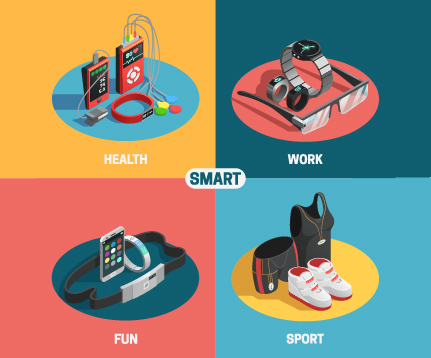
Wearable devices come in many forms. Each type serves a special purpose. They help track health, show notifications, or improve vision. These devices combine sensors, software, and connectivity to work effectively.
Fitness Trackers
Fitness trackers monitor physical activities. They count steps, measure distance, and track calories burned. Many also check heart rate and sleep patterns. These devices motivate users to stay active and healthy.
Smartwatches
Smartwatches offer more than just time. They connect to smartphones to show calls, messages, and apps. Users can control music or get directions. They also include fitness tracking features for health monitoring.
Health Monitors
Health monitors focus on medical data. They track vital signs like blood pressure and oxygen levels. Some devices help manage chronic conditions. They provide real-time health insights to users and doctors.
Augmented Reality Glasses
Augmented reality glasses overlay digital images on real-world views. They assist in navigation, gaming, and work tasks. These glasses enhance user experience by blending virtual content with reality.

Credit: onlinelibrary.wiley.com
Key Components Inside Wearables
Wearable technology feels almost magical when you think about how it fits so much power into such a small space. At the heart of these devices are several critical components working together seamlessly. Understanding these parts can help you appreciate the device’s capabilities and even troubleshoot issues when your wearable doesn’t perform as expected.
Sensors And Actuators
Sensors are the eyes and ears of your wearable. They detect everything from your heart rate to your movement and even your environment. Without sensors, your device wouldn’t know if you’re walking, running, or just sitting still.
Actuators are the parts that make your wearable respond, like vibrating when you get a notification or adjusting the screen brightness. Think of sensors as gathering information and actuators as reacting to it.
Microprocessors
The microprocessor is the brain inside your wearable. It takes the data from the sensors and decides what to do with it. This tiny chip runs the software that tracks your steps, monitors your sleep, or plays your favorite workout playlist.
When you notice your wearable responding quickly or lagging, it’s usually a reflection of the microprocessor’s speed and efficiency.
Batteries And Power Management
Battery life is a constant concern for anyone who owns a wearable. These devices use compact batteries designed to last hours or even days on a single charge. Power management systems help balance how much energy the wearable uses, stretching battery life without sacrificing performance.
Ever wondered why your smartwatch suddenly dies faster after a software update? It’s often because the new features demand more power than before.
Connectivity Modules
Connectivity modules are what keep your wearable linked to your phone, the internet, or other devices. These include Bluetooth, Wi-Fi, and sometimes cellular chips. They allow your wearable to send data, receive notifications, and stay synced with apps.
Think about how frustrating it is when your fitness tracker loses connection mid-run. That disconnect usually points to issues in the connectivity module.
How Sensors Capture Data
Sensors are the heart of wearable technology, quietly collecting a stream of data from your body and surroundings. They transform physical signals into digital information that devices use to give you insights and feedback. Understanding how these sensors work can help you appreciate the accuracy and usefulness of your wearable gadgets.
Motion Sensors
Motion sensors detect your movements by measuring acceleration and orientation. They use tiny accelerometers and gyroscopes to track activities like walking, running, or even subtle hand gestures. Have you noticed how your fitness tracker counts steps even during casual movements? That’s motion sensors working in real time to capture every motion.
Heart Rate Monitors
Heart rate monitors use light-based technology to measure the pulse through your skin. Green LEDs shine light into your skin, while sensors detect the amount of light reflected back, which changes as your blood flows. This allows your wearable to keep tabs on your heart rate during exercise or rest, helping you manage workouts or stress levels more effectively.
Gps Tracking
GPS sensors tap into satellite signals to pinpoint your exact location outdoors. This data helps map your routes during running or cycling and provides accurate distance and speed measurements. When you check your running app for route details, GPS is the reason you get such precise feedback.
Environmental Sensors
Environmental sensors measure conditions like temperature, humidity, and air quality around you. These sensors can alert you to changes that might affect your comfort or health. Imagine receiving a notification about high pollution levels during your morning jog—these sensors make that possible.
Data Processing And Analysis
Wearable technology collects a lot of data from sensors placed on the body. This data needs to be processed and analyzed quickly. The process helps devices provide useful insights and real-time feedback. Data processing happens both on the device and through cloud services. Advanced algorithms then turn raw data into meaningful information.
On-device Computing
On-device computing means the wearable processes data inside itself. It uses small chips to analyze sensor inputs immediately. This helps deliver instant feedback to the user. For example, a fitness tracker calculates steps and heart rate on the spot. It reduces delay and saves battery life by limiting data transfer.
Cloud Integration
Cloud integration lets wearables send data to powerful servers. These servers store and analyze vast amounts of information. Users can access detailed reports and history through apps or websites. Cloud computing allows updates and complex analysis beyond the device’s limits. It supports long-term tracking and personalized insights.
Machine Learning Algorithms
Machine learning algorithms help wearables learn from data patterns. These programs improve accuracy over time by recognizing user habits. They detect irregularities like unusual heartbeats or sleep disturbances. Machine learning powers features like activity recognition and health alerts. The more data collected, the smarter the wearable becomes.
Communication And Connectivity
Communication and connectivity are the backbone of wearable technology. These devices rely on various wireless methods to share data, sync with other gadgets, and deliver real-time updates. Understanding how these connections work can help you make smarter choices about which wearables suit your lifestyle.
Bluetooth And Wi-fi
Bluetooth is the most common way wearables connect to smartphones and other devices. It uses short-range radio waves to transfer data efficiently without draining much battery.
Wi-Fi, on the other hand, offers faster speeds and longer ranges but consumes more power. Many smartwatches use Wi-Fi to download apps or stream music when your phone isn’t nearby. Have you noticed how your smartwatch updates notifications even if your phone is in another room? That’s Wi-Fi or Bluetooth at work.
Cellular Networks
Some wearables come with built-in cellular capabilities, allowing them to connect directly to the internet without a phone. This is especially useful when you want to stay connected during workouts or outdoor activities where carrying a phone is inconvenient.
These devices use LTE or 5G networks to make calls, send texts, and stream music independently. Imagine going for a run and leaving your phone behind but still being able to take calls or check messages on your watch. That level of freedom comes from cellular connectivity.
Near Field Communication (nfc)
NFC is a short-range communication technology that enables contactless payments and quick data exchanges. Many wearables support NFC to let you pay for coffee or unlock doors with just a tap.
This technology requires your device to be very close to a reader, usually within a few centimeters. Have you ever tapped your smartwatch to pay and wondered how it worked so instantly? That’s NFC making life easier and faster.
Powering Wearable Tech
Powering wearable technology is a critical challenge that directly affects how long and how well these devices function. Since wearables are designed to be compact and lightweight, finding efficient ways to supply and manage power is essential. Understanding the different power sources and techniques can help you choose the right wearable or even influence your usage habits.
Battery Technologies
Batteries are the most common power source for wearable devices. Lithium-ion and lithium-polymer batteries are popular because they offer a good balance of energy density and size. You might notice your smartwatch lasting an entire day or more thanks to these advanced batteries.
Newer battery types, like solid-state batteries, promise even greater safety and longer life. However, they are still under development and not widely available in wearables yet. The choice of battery affects not only the device’s weight but also how often you need to charge it.
Energy Harvesting
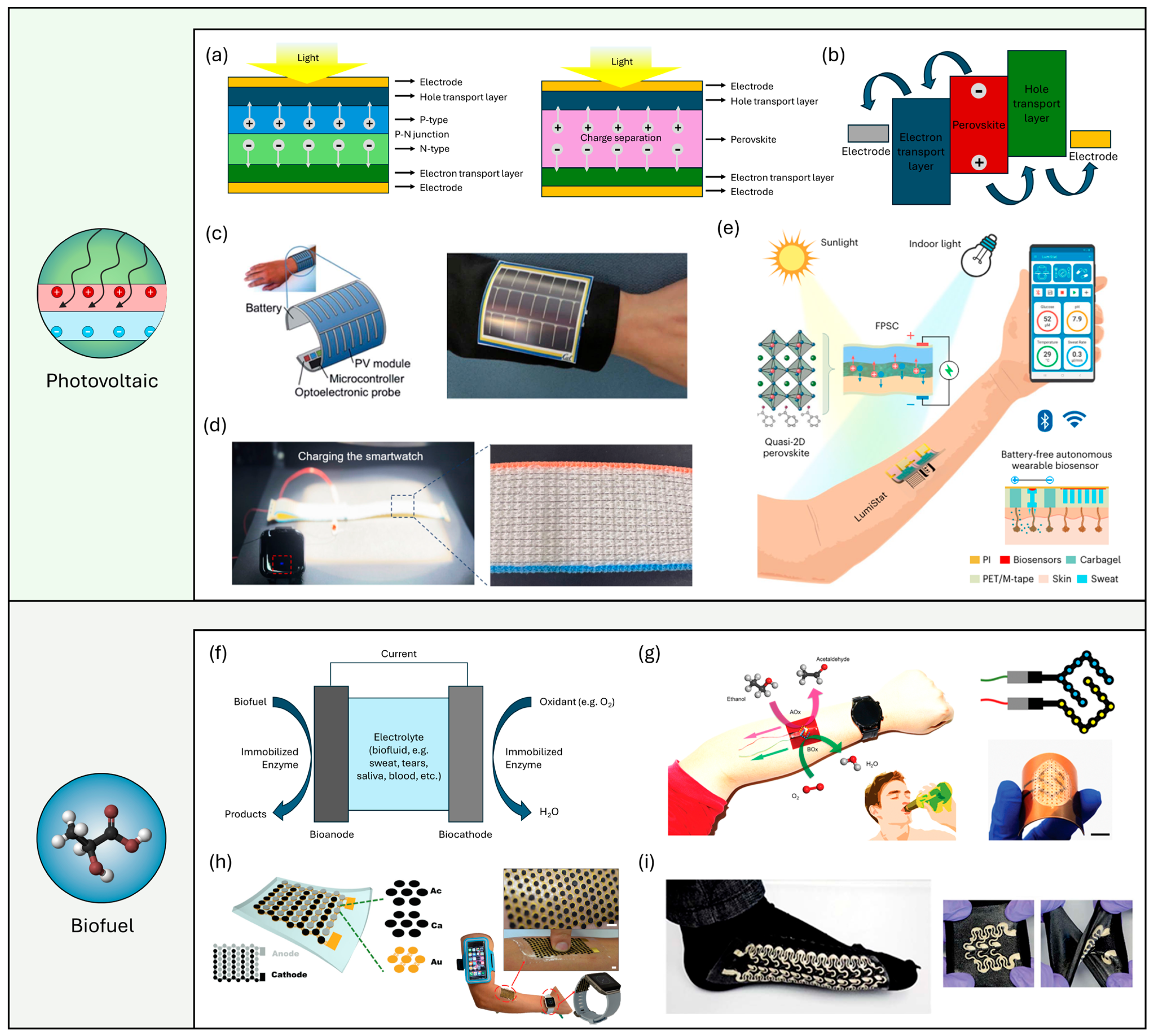
Imagine your wearable charging itself as you move or when exposed to light. This is where energy harvesting comes in—collecting small amounts of energy from the environment. Some devices use solar cells, while others capture energy from your body heat or motion.
While energy harvesting alone rarely powers a device fully, it can extend battery life noticeably. Have you ever wondered if your steps or sunlight could keep your fitness tracker running longer? This technology aims to make that a reality.
Power Optimization Techniques
Wearables use smart power management to stretch battery life without sacrificing performance. Techniques include adjusting screen brightness, turning off sensors when not needed, and optimizing software to reduce energy use.
Some devices even learn your habits to predict when to save power or boost performance. Have you noticed how your smartwatch sometimes dims the display or pauses updates when inactive? That’s power optimization working to keep your device alive for as long as possible.
User Interaction Methods
Understanding how you interact with wearable technology helps you get the most out of these devices. User interaction methods shape your experience and determine how easily you can access features while on the move. These devices rely on various input options designed to fit different situations and preferences, making technology more intuitive and seamless.
Touchscreens And Buttons
Touchscreens are the most common way to control wearable devices like smartwatches and fitness trackers. They allow you to tap, swipe, and scroll through menus quickly. Sometimes, physical buttons complement touchscreens to provide tactile feedback, especially when your fingers are sweaty or you’re wearing gloves.
Think about how you use your smartwatch during a workout. You might swipe to check notifications or press a button to start a timer without stopping your exercise. This combination makes interaction fast and reliable, even when you’re active.
Voice Commands
Voice control is becoming a popular hands-free option for wearables. You can ask your device to set reminders, send messages, or play music without touching the screen. This is especially useful when your hands are busy or when you’re on the go.
Have you ever tried telling your smartwatch to start a workout session while cooking or driving? The convenience of speaking commands reduces interruptions and keeps you focused on the task at hand. However, background noise can sometimes affect recognition, so clear speech helps improve accuracy.
Gesture Controls
Some advanced wearables use gesture controls to detect movements like wrist flicks or hand waves. These gestures trigger specific actions, such as answering calls or scrolling through notifications. This method lets you interact quickly without looking at the device.
Imagine waving your hand to silence a ringing smartwatch during a meeting. This small motion saves you from fumbling with buttons or screens. Gesture controls add a natural and discreet way to manage your device, enhancing user convenience in everyday situations.
Credit: newatlas.com
Security And Privacy Challenges
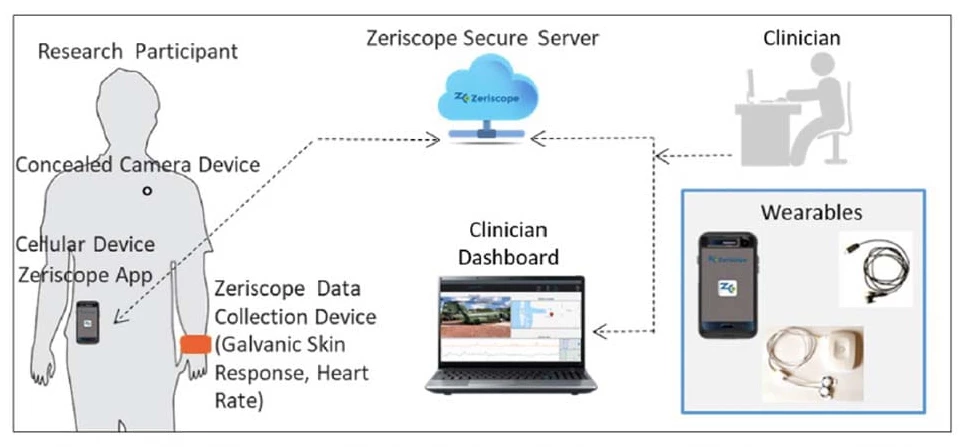
Wearable technology offers incredible convenience, but it also raises serious security and privacy challenges. These devices collect a vast amount of personal data, from your heart rate to your location. If this information falls into the wrong hands, it could lead to identity theft, stalking, or other risks that affect your daily life.
Data Encryption
Data encryption is essential to protect the information your wearable sends and stores. It scrambles your data so hackers can’t read it without a special key. Many devices use encryption during data transmission to prevent interception over Wi-Fi or Bluetooth.
However, not all wearables encrypt data equally. Some cheaper models might skip strong encryption to cut costs, leaving your info vulnerable. Think about the last time you connected your device to a public network—did you consider if your data was truly safe?
User Authentication
User authentication ensures only you can access your wearable’s data. This can be through PIN codes, passwords, or biometric methods like fingerprint or face recognition. Strong authentication stops unauthorized users from viewing or tampering with your information.
Still, many devices rely on simple passwords that users often reuse or share. This weak point can make it easier for attackers to gain access. Ask yourself: How strong is your wearable’s lock, and is it enough to keep your data private?
Privacy Concerns
Privacy concerns go beyond just data theft. Wearables track your habits, movements, and health in real-time. This information can reveal intimate details about your lifestyle, potentially shared with third parties without your full consent.
Some apps sell your data to advertisers or use it to influence your behavior. Have you checked the privacy settings on your device lately? Controlling who sees your data and understanding how it’s used is crucial for maintaining your privacy.
Future Trends In Wearable Technology
The future of wearable technology promises exciting advances. Devices will become more comfortable and smarter. Innovations aim to blend technology seamlessly into daily life. Expect wearables to offer better performance and new features.
Flexible Electronics
Wearable devices will use flexible electronics that bend and stretch. This makes them more comfortable to wear all day. Clothes and accessories could have built-in sensors. These electronics adapt to the body’s shape without breaking.
Improved Ai Integration
Artificial intelligence will become smarter in wearables. Devices will learn from your habits and preferences. They will provide more accurate suggestions and alerts. AI will help with tasks like health tracking and personal coaching.
Enhanced Health Monitoring
Future wearables will track health in deeper ways. Sensors will monitor heart rate, blood sugar, and hydration. Early detection of illnesses will be possible. This helps users stay healthier and avoid serious problems.
Credit: www.mdpi.com
Frequently Asked Questions
What Is Wearable Technology And How Does It Function?
Wearable technology refers to devices worn on the body that track data and provide feedback. They use sensors to collect information, process it, and connect wirelessly to apps or other devices for real-time updates.
How Do Wearables Track Health And Fitness Data?
Wearables use sensors like accelerometers and heart rate monitors to measure movement and vital signs. This data is analyzed to monitor fitness levels, sleep quality, and overall health trends, helping users stay informed and motivated.
What Wireless Technologies Power Wearable Devices?
Wearables commonly use Bluetooth and Wi-Fi for wireless communication. These technologies enable devices to sync data with smartphones or cloud platforms, allowing seamless data transfer and real-time notifications without physical connections.
How Do Wearable Sensors Collect Accurate Data?
Sensors in wearables detect physical signals such as motion, temperature, or heart rate. Advanced algorithms filter noise and enhance accuracy, ensuring reliable data collection even during daily activities or workouts.
Conclusion
Wearable technology continues to change how we live and work. These devices make life easier and more connected. From fitness trackers to smartwatches, each offers unique benefits. They gather data, provide insights, and help in decision-making. As technology advances, wearables will become even more useful.
Understanding how they work helps us use them better. Stay informed and explore the possibilities. Embrace the convenience and efficiency they bring. Wearable tech is here to stay. It’s not just a trend; it’s the future.
Leave a Reply