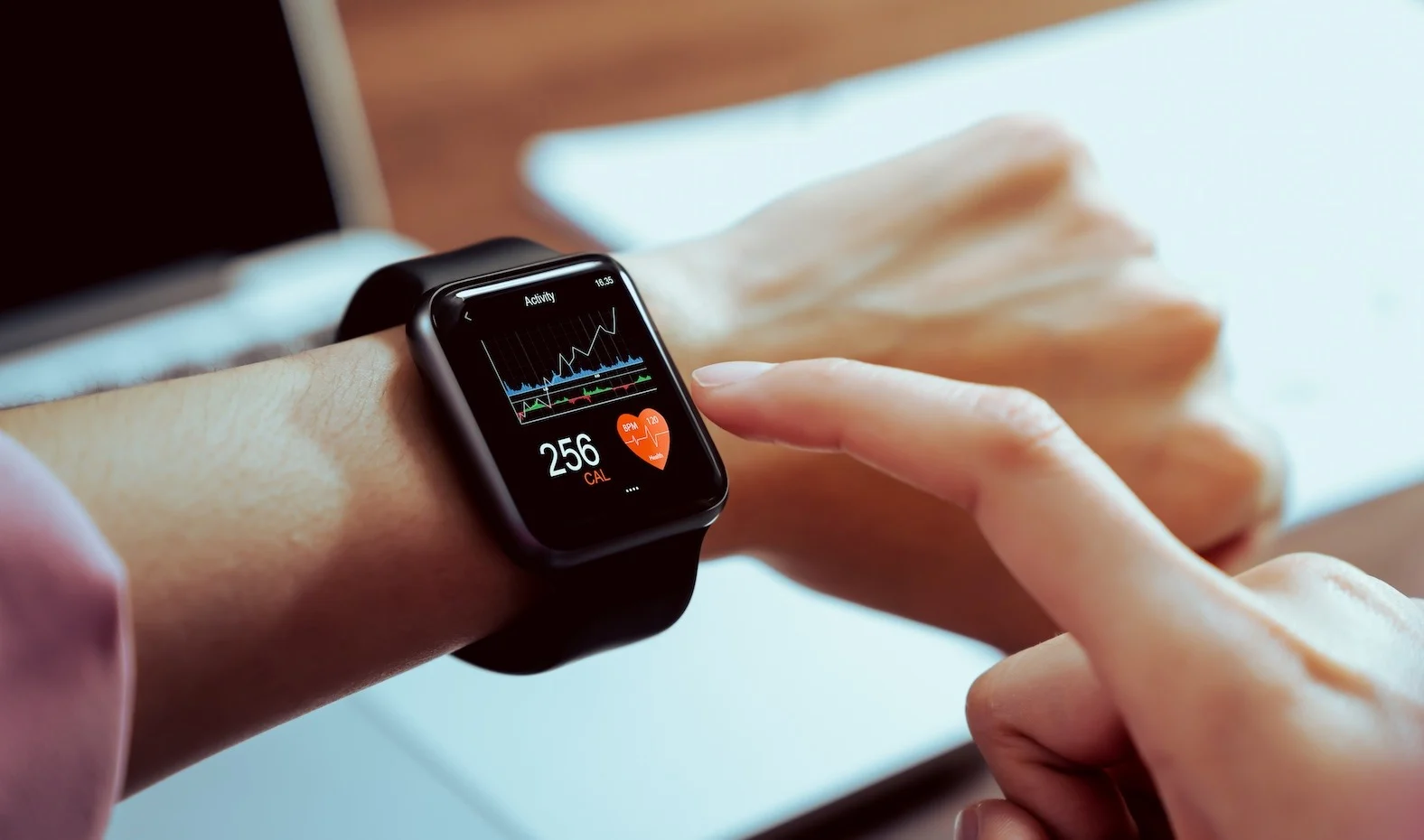
Have you ever wondered what wearable technology actually does for you? These small devices are more than just cool gadgets—they can track your health, keep you connected, and even make your daily tasks easier.
Imagine having a tool on your wrist or glasses that understands your body, helps you stay active, and alerts you when something’s off. If you want to discover how wearable technology can change the way you live, work, and play, keep reading.
You might be surprised at just how much these devices can do for you every single day.
Wearable Tech Basics
Understanding the basics of wearable technology is key to making the most of these devices. Wearable tech puts powerful tools right on your body, helping you track health, stay connected, and even improve daily tasks. But what exactly does wearable technology do, and how can you use it effectively?
Types Of Wearable Devices
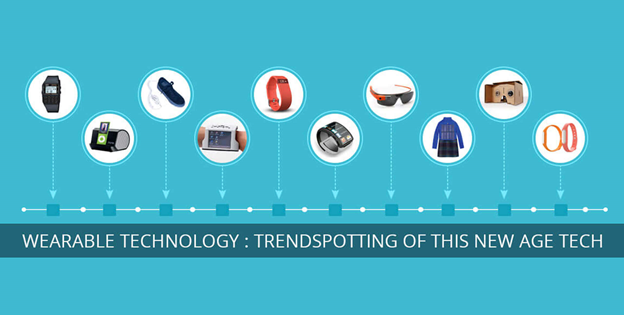
Wearable devices come in many shapes and sizes, each designed for specific purposes. The most common types include:
- Fitness Trackers:These monitor your steps, heart rate, and sleep patterns, helping you stay active and healthy.
- Smartwatches:More than just telling time, they provide notifications, apps, and sometimes even calls right from your wrist.
- Smart Glasses:Offering hands-free access to information, they can enhance work or entertainment experiences.
- Wearable Cameras:Perfect for capturing moments without holding a device, ideal for sports or travel.
- Medical Devices:Such as continuous glucose monitors or heart monitors, providing critical health data in real time.
Which type fits your lifestyle best? Choosing the right device depends on what you want to achieve.
Core Features And Functions
At their core, wearable devices gather data and provide feedback to help you make better decisions. Common features include:
- Health Monitoring:Tracking vital signs like heart rate, calories burned, and sleep quality.
- Connectivity:Syncing with your smartphone or computer to display messages, calls, and alerts.
- GPS Tracking:Useful for navigation, running routes, or safety purposes.
- Activity Tracking:Counting steps, exercise sessions, and setting goals to keep you motivated.
When was the last time you checked your daily step count or heart rate? These features make it easy to stay aware without interrupting your day.
Health And Fitness Benefits
Wearable technology offers many health and fitness benefits. It helps users stay active, monitor vital signs, and improve overall well-being. These devices provide real-time data and insights to guide healthier choices. They fit easily into daily routines, making health management simple and effective.
Activity Tracking And Monitoring
Wearables track daily steps, distance, and calories burned. They encourage moving more by setting goals and reminders. Some devices monitor specific workouts, like running or cycling. This data helps users understand their activity patterns and progress over time.
Sleep Analysis And Improvement
Wearables record sleep duration and quality. They detect light, deep, and REM sleep stages. This information shows how well users rest each night. Some devices offer tips to improve sleep habits and routines. Better sleep supports overall health and energy levels.
Heart Rate And Stress Management
Wearables measure heart rate throughout the day. They alert users to unusual heart rate changes. Some devices monitor stress levels using heart rate variability. They guide breathing exercises and relaxation techniques. These features help manage stress and maintain calm.
Enhancing Communication
Wearable technology has transformed how you stay connected throughout your day. It keeps communication flowing smoothly, no matter where you are or what you’re doing. By integrating smart devices into your daily routine, you can respond faster and stay informed without reaching for your phone.
Instant Notifications And Alerts
Wearables deliver instant notifications right to your wrist, so you never miss important updates. Whether it’s a meeting reminder, a message from a friend, or breaking news, you get the alert immediately. This quick access helps you prioritize what needs your attention first.
Think about a time you were in a meeting or running errands and heard your smartwatch buzz. Instead of fumbling for your phone, you glanced at your wrist and decided if it was urgent. This small moment saves you time and keeps you in control of your day.
Hands-free Calling And Messaging
Wearable devices allow you to make calls and send messages without using your hands. This feature is especially useful when you’re driving, cooking, or exercising. Simply use voice commands to stay in touch, keeping your focus on the task at hand.
Imagine jogging in the park and being able to reply to a text or answer a call without stopping. This convenience adds flexibility to how you communicate, making your day more efficient and less interrupted.
Credit: medium.com
Boosting Productivity
Wearable technology has become a powerful ally in boosting productivity. These devices do more than just tell time or track fitness—they help you stay organized, focused, and connected throughout your day. Imagine having a personal assistant on your wrist, gently nudging you to stay on track without overwhelming your attention.
Task Management And Reminders
Wearables let you manage tasks and set reminders instantly. You can quickly add to-do items by voice or tap, making it easier to capture thoughts before they slip away.
For example, receiving a gentle vibration when a deadline approaches keeps you aware without interrupting your workflow. This subtle reminder system helps prevent forgotten tasks and reduces stress.
Think about how often you check your phone just to remind yourself of something important. Wearables cut down this distraction by delivering timely, focused notifications directly to you.
Integration With Smart Home And Office
Wearables also connect seamlessly with your smart home and office gadgets. You can adjust lighting, control music, or even start a video call without leaving your desk.
This hands-free control saves time and keeps you in the zone. Imagine lowering the office thermostat or turning off the kitchen lights during a meeting with just a quick wrist gesture.
How much more could you get done if your environment responded instantly to your needs? Wearables bridge the gap between you and your surroundings, streamlining your daily tasks effortlessly.
Personal Safety Features
Wearable technology offers important features that protect personal safety. These devices help people feel secure by providing quick access to help. They can alert others in emergencies and keep track of your location. Many wearables also detect accidents and send assistance automatically. Such safety tools support users in daily life and unexpected situations.
Emergency Alerts And Gps Tracking
Wearables can send emergency alerts to chosen contacts or services. With one button press or voice command, users can call for help. GPS tracking helps responders find the exact location fast. This feature is useful for children, elderly, and outdoor enthusiasts. It increases the chance of quick rescue during urgent events.
Fall Detection And Assistance
Wearable devices can sense sudden falls using built-in sensors. When a fall occurs, the device alerts emergency contacts immediately. Some wearables even call emergency services automatically if the user is unresponsive. This feature is essential for elderly or people with health issues. It provides peace of mind and timely help when accidents happen.
Entertainment And Lifestyle
Wearable technology enhances entertainment and lifestyle by making daily activities more enjoyable and personalized. These devices bring convenience and style together. They offer new ways to interact with music, media, and fashion. Users can control their entertainment easily and express their personality through customizable options.
Music And Media Control
Wearables allow easy control of music and media without reaching for a phone. Users can play, pause, skip tracks, or adjust volume with simple taps or voice commands. This hands-free control fits well during workouts, commutes, or relaxing moments.
Many devices support streaming apps and offer notifications for calls or messages. This keeps users connected without interrupting their entertainment experience.
Customization And Personal Style
Wearables come in various designs to match personal style. Users can change watch faces, bands, or colors to suit their mood or outfit. Some devices offer customizable widgets and displays for a unique look.
These options help users show their identity while enjoying smart features. The blend of technology and fashion makes wearables a part of everyday style.
Future Trends In Wearables
The future of wearable technology holds exciting possibilities that will change how you interact with devices daily. These gadgets will not only track your fitness or notify you of messages but will become smarter and more deeply integrated into your health and lifestyle. Understanding these trends helps you prepare for the next wave of wearable innovations that could impact your life in unexpected ways.
Advancements In Ai And Sensors
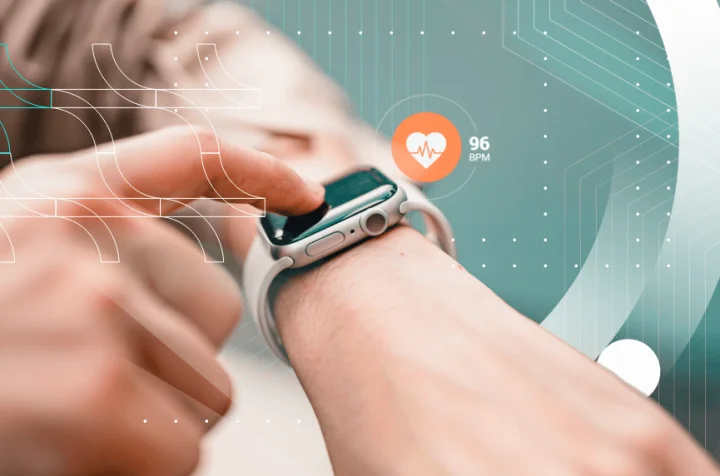
Wearables are getting smarter with better sensors that collect more accurate data about your body and environment. AI will analyze this data in real-time to provide personalized feedback, helping you make better health or fitness decisions instantly.
Imagine a smartwatch that detects early signs of illness by monitoring subtle changes in your vital signs, alerting you before symptoms appear. This level of insight can transform how you manage your health daily.
Will you trust a device to guide your wellness choices? As AI advances, these wearables will learn your habits and preferences, making their advice more relevant and tailored just for you.
Expanding Uses In Healthcare And Beyond
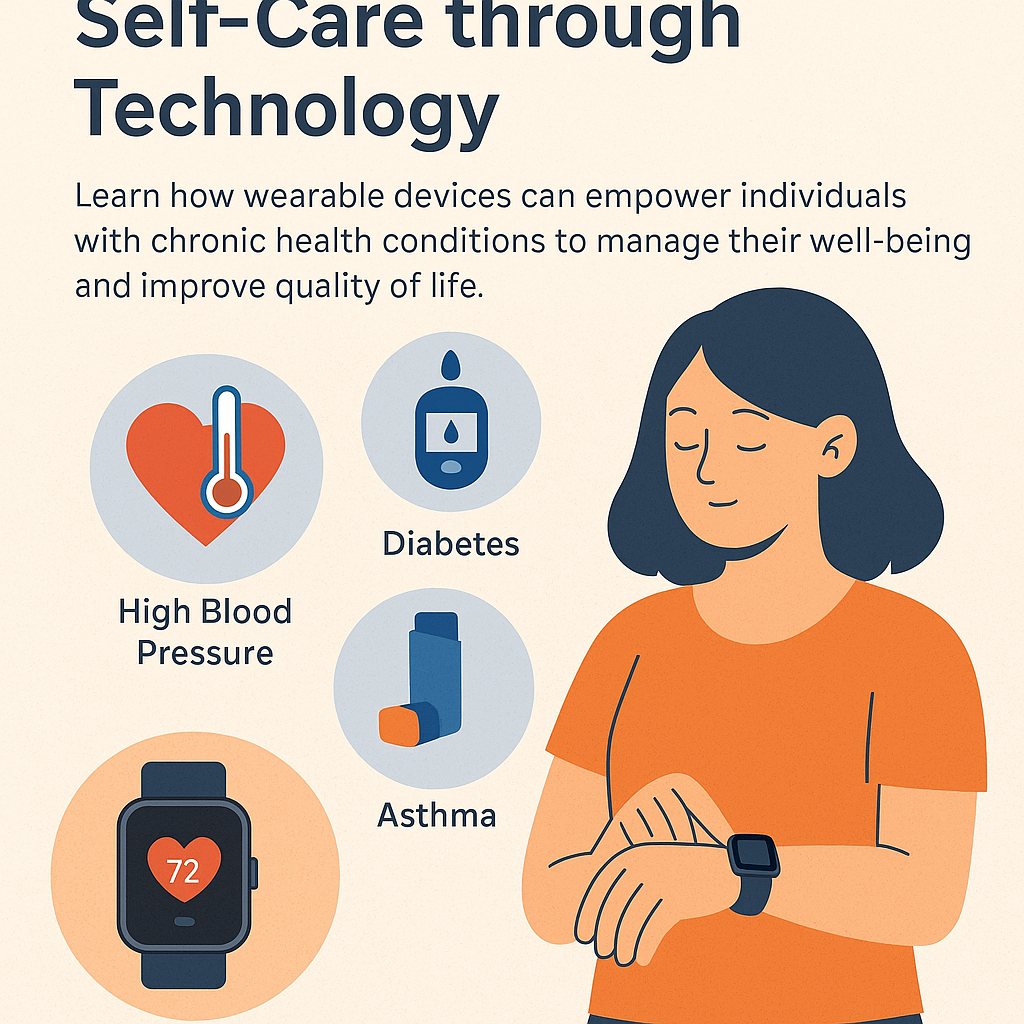
Wearable technology is moving beyond fitness trackers to play a bigger role in healthcare. Devices now monitor chronic conditions like diabetes or heart disease, providing continuous data to both patients and doctors.
Outside healthcare, wearables are enhancing areas like workplace safety, where sensors detect fatigue or hazardous environments to prevent accidents. They also improve sports training by giving athletes detailed performance metrics.
Think about the convenience of a device that not only tracks your steps but also helps manage your medication or alerts emergency services if you fall. How would such features change your daily routine or peace of mind?
Credit: www.bgosoftware.com
Credit: www.kardena.eu
Frequently Asked Questions
What Is Wearable Technology Used For?
Wearable technology is used for fitness tracking, health monitoring, and enhancing daily convenience. Devices like smartwatches, fitness trackers, and smart glasses collect data to improve user experience. They help in tracking steps, heart rate, and sleep patterns, offering valuable insights into personal health and fitness goals.
How Does Wearable Technology Work?
Wearable technology works by using sensors and connectivity. These devices collect data, process it, and send it to connected applications. This data helps users monitor various activities and health metrics. They often sync with smartphones or computers, providing real-time updates and personalized insights to improve user experience.
What Are Examples Of Wearable Devices?
Examples of wearable devices include smartwatches, fitness trackers, smart glasses, and health-monitoring bands. These devices are designed to be worn comfortably on the body. They offer functionalities like activity tracking, notifications, and health monitoring, helping users to stay connected and informed on the go.
Is Wearable Technology Secure?
Wearable technology can be secure if used responsibly. Manufacturers implement encryption and data protection measures. However, users should regularly update devices, use strong passwords, and be cautious with personal data sharing. Staying informed about device security features ensures better protection of personal information.
Conclusion
Wearable technology helps people stay connected and healthy. It tracks steps, heart rate, and sleep patterns easily. People use it for fitness, work, and safety. Small devices fit on the wrist or clothes. They send real-time data to your phone or computer.
This tech keeps life simple and organized. As technology grows, wearables will do even more. They blend into daily life without much effort. Wearable gadgets make many tasks easier every day. Simple tools with big benefits.
Leave a Reply