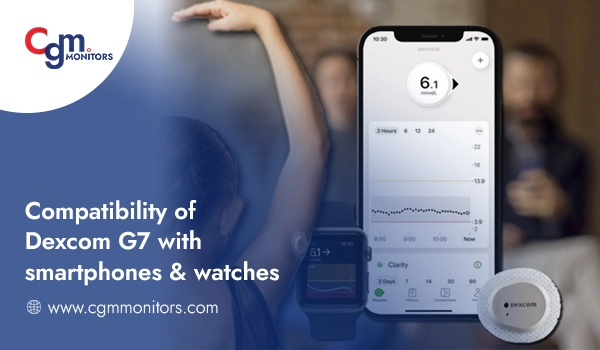
Have you ever wondered if Dexcom fits into the world of wearable technology? If you or someone you know uses Dexcom, understanding how it works and where it stands among other gadgets can make a big difference.
This isn’t just about a device; it’s about how technology can quietly support your health every day. Keep reading, and you’ll discover why Dexcom might be more than just a medical tool—it could be the wearable tech you’ve been curious about.
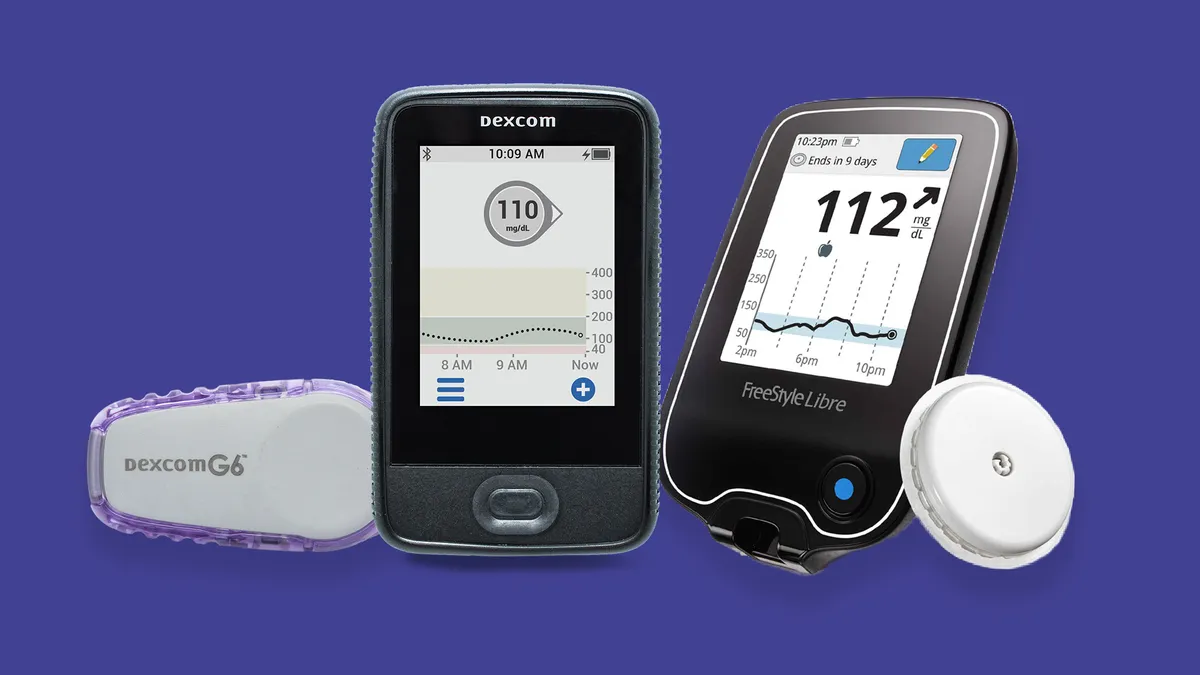
Credit: www.medtechdive.com
What Is Dexcom?
Dexcom is a medical device designed to help people with diabetes monitor their blood sugar levels continuously. It offers real-time glucose readings without the need for frequent finger pricks. The system provides users with important data to manage their health more effectively. Dexcom combines technology and healthcare in a wearable form.
Dexcom Devices Overview
Dexcom devices include a small sensor placed under the skin. The sensor measures glucose levels in the fluid between cells. A transmitter sends the data wirelessly to a receiver or smartphone. Users can see their glucose trends and alerts anytime. The devices are lightweight and designed for daily wear. They typically last from 7 to 14 days before replacement.
How Dexcom Works
The sensor detects glucose levels continuously throughout the day. It sends signals to the transmitter every few minutes. The transmitter then sends data to a display device or app. Users get alerts for high or low blood sugar levels. This constant monitoring helps users and doctors make better decisions. The system works without the need for fingerstick tests most of the time.

Credit: www.cnet.com
Wearable Technology Defined
Wearable technology refers to electronic devices worn on the body. These gadgets collect data and often connect to other devices. They provide real-time information and track various activities. The main goal is to enhance daily life or health monitoring.
Wearable devices are small, lightweight, and easy to carry. They blend technology with convenience. This combination makes them popular for fitness, health, and communication.
Key Features Of Wearables
- Compact and lightweight design for comfortable wear
- Constant data collection about body or environment
- Wireless connectivity to smartphones or computers
- Real-time notifications and alerts
- Long battery life to support daily use
- Durability to withstand daily activities
Common Types Of Wearable Devices
- Smartwatches that track time and health metrics
- Fitness bands measuring steps, heart rate, and sleep
- Health monitors like glucose sensors and ECG devices
- Smart glasses offering augmented reality features
- Wearable cameras capturing photos and videos
- Hearing aids and ear-worn assistants
Dexcom As A Wearable Device
Dexcom is widely recognized as a wearable device. It helps people with diabetes track their blood sugar levels. The device offers real-time data and alerts users to changes. Its technology blends comfort with functionality. This makes it a popular choice for continuous glucose monitoring.
Form Factor And Design
Dexcom features a small sensor worn on the skin. The sensor is discreet and lightweight. It attaches using a gentle adhesive that lasts several days. The design allows users to move freely without discomfort. The compact size keeps it almost invisible under clothing. Its user-friendly design makes daily wear easy and practical.
Continuous Monitoring Capabilities
Dexcom continuously measures glucose levels throughout the day. It sends data wirelessly to a smartphone or receiver. Users receive instant alerts for high or low glucose levels. This constant monitoring helps manage diabetes more effectively. The device tracks trends and patterns to inform better decisions. It removes the need for frequent finger prick tests.
Benefits Of Dexcom Wearables
Dexcom wearables offer many benefits for people managing diabetes. These devices provide constant monitoring and easy access to important health data. Users gain better control over their glucose levels with less effort. The technology helps improve daily life and health outcomes.
Real-time Glucose Tracking
Dexcom devices track glucose levels continuously. They send updates every few minutes. Users see their current glucose level on a small screen or smartphone. This instant feedback helps avoid highs and lows quickly. It offers peace of mind by alerting users to changes right away.
Improved Diabetes Management
Better glucose data leads to smarter decisions about food, exercise, and medication. Dexcom wearables reduce the need for finger-prick tests. They help users spot patterns and trends over time. This information supports more effective treatment plans. It also helps doctors tailor care to each person’s needs.
Comparison With Other Wearables
Comparing Dexcom with other wearable technologies helps you understand its unique role in health monitoring. While many wearables track general fitness and daily activity, Dexcom focuses on continuous glucose monitoring (CGM). This specific function sets it apart but also raises questions about how it stacks up against popular devices like fitness trackers and smartwatches.
Dexcom Vs Fitness Trackers
Fitness trackers primarily monitor steps, heart rate, sleep, and calories burned. They give you a broad picture of your overall wellness and daily activity levels.
Dexcom, on the other hand, continuously measures glucose levels in real-time. This offers critical data for people managing diabetes, which fitness trackers don’t provide.
Have you ever wished your fitness tracker could alert you to dangerous blood sugar drops? That’s something only Dexcom and similar CGMs can do.
- Fitness Trackers:Track general health metrics, motivate movement, and improve lifestyle habits.
- Dexcom:Provides medical-grade glucose data, helping users avoid hypoglycemia and hyperglycemia.
Dexcom Vs Smartwatches
Smartwatches offer a wide range of features, including notifications, apps, fitness tracking, and sometimes ECG monitoring. They aim to be an all-in-one device for communication and health.
While some smartwatches now include glucose monitoring apps, they still rely on external devices like Dexcom for accurate glucose readings.
Imagine having your Dexcom alerts directly on your wrist without needing to pull out your phone. Many users find this integration enhances convenience and safety.
| Feature | Dexcom | Smartwatch |
|---|---|---|
| Continuous Glucose Monitoring | Yes | No (requires external device) |
| Fitness Tracking | No | Yes |
| Health Alerts | Glucose-specific alerts | General health and notifications |
| Communication Features | No | Yes (calls, messages, apps) |
Would you prefer a device that focuses on one critical health metric or one that offers many features but lacks medical precision? Your answer depends on your personal health needs and lifestyle.
Future Of Dexcom And Wearables
The future of Dexcom and wearable technology holds exciting possibilities. Dexcom continuously works to improve user experience and expand its capabilities. Advances in sensors, software, and connectivity pave the way for smarter, more reliable devices. These improvements aim to help users manage their health with ease and confidence.
Wearables like Dexcom play a key role in health monitoring. Their growth aligns with broader trends in personal health technology. Integration with other health tools and platforms will increase. This will offer users a more complete view of their health data.
Upcoming Features And Innovations
Dexcom plans to introduce new features that enhance accuracy and usability. Future sensors may become smaller and last longer. Real-time alerts will improve, providing faster responses to glucose changes. User interfaces will become more intuitive, making data easier to read.
Artificial intelligence may help predict glucose trends. This can support better decision-making for users. Software updates will add more customization options. These innovations aim to make Dexcom devices more helpful every day.
Integration With Health Ecosystems
Dexcom is working to connect more deeply with health ecosystems. This means sharing data with apps, devices, and healthcare providers. Integration allows for coordinated care and better treatment plans. Users can sync Dexcom data with fitness trackers, smartwatches, and medical records.
Such connections help create a fuller health picture. Doctors can monitor patients remotely using Dexcom data. This supports timely interventions and reduces hospital visits. Improved integration makes wearables more valuable for managing chronic conditions.
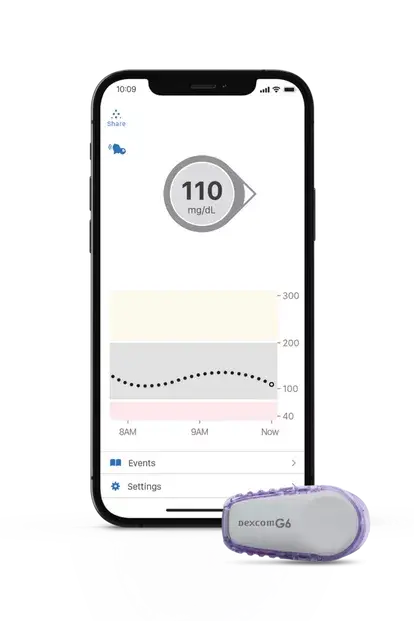
Credit: endorhealth.com
Frequently Asked Questions
Is Dexcom A Wearable Glucose Monitor?
Yes, Dexcom is a wearable glucose monitor. It continuously tracks blood sugar levels using a sensor. Users wear it on their body for real-time data.
How Does Dexcom Work As Wearable Technology?
Dexcom uses a small sensor inserted under the skin. It wirelessly sends glucose data to a smartphone or receiver. This allows users to monitor levels anytime, anywhere.
Can Dexcom Improve Diabetes Management?
Yes, Dexcom helps improve diabetes management. It provides continuous glucose data, alerts for highs and lows, and trends. This helps users make timely treatment decisions.
Is Dexcom Comfortable To Wear Daily?
Dexcom is designed for daily wear. The sensor is small, lightweight, and discreet. Most users find it comfortable for long-term use.
Conclusion
Dexcom fits well as wearable technology. It provides real-time health insights. Users can track their glucose levels easily. This device offers convenience and accessibility. People can make informed health decisions. The compact design makes it user-friendly. Individuals with diabetes benefit the most.
Dexcom helps in managing their condition effectively. It empowers users to maintain their health. Technology and health merge seamlessly here. Overall, Dexcom supports a healthier lifestyle. Its role in wearable tech is significant. Users appreciate its efficiency and ease. This device continues to be a valuable tool.
Leave a Reply