
Are you wondering how to keep your vehicle’s drivetrain in top shape? Whether you drive an AWD or 4WD system, knowing the right maintenance steps can save you time, money, and headaches down the road.
These two systems might seem similar, but they have key differences that affect how you care for them. You’ll discover exactly what maintenance each system needs and why it matters for your vehicle’s performance and safety. Keep reading to make sure your ride stays smooth and reliable no matter where the road takes you.
Awd System Basics
Understanding the basics of an AWD system is crucial. AWD stands for All-Wheel Drive. It provides power to all wheels. This helps in maintaining traction on slippery roads. It’s an automatic system. Drivers don’t need to activate it manually. This makes it user-friendly.
How Awd Works
AWD systems distribute power to all four wheels. It uses sensors to detect wheel slip. If a wheel slips, the system adjusts power. This ensures better grip on the road. It’s beneficial in rain or snow. AWD provides a smoother driving experience.
Common Awd Components
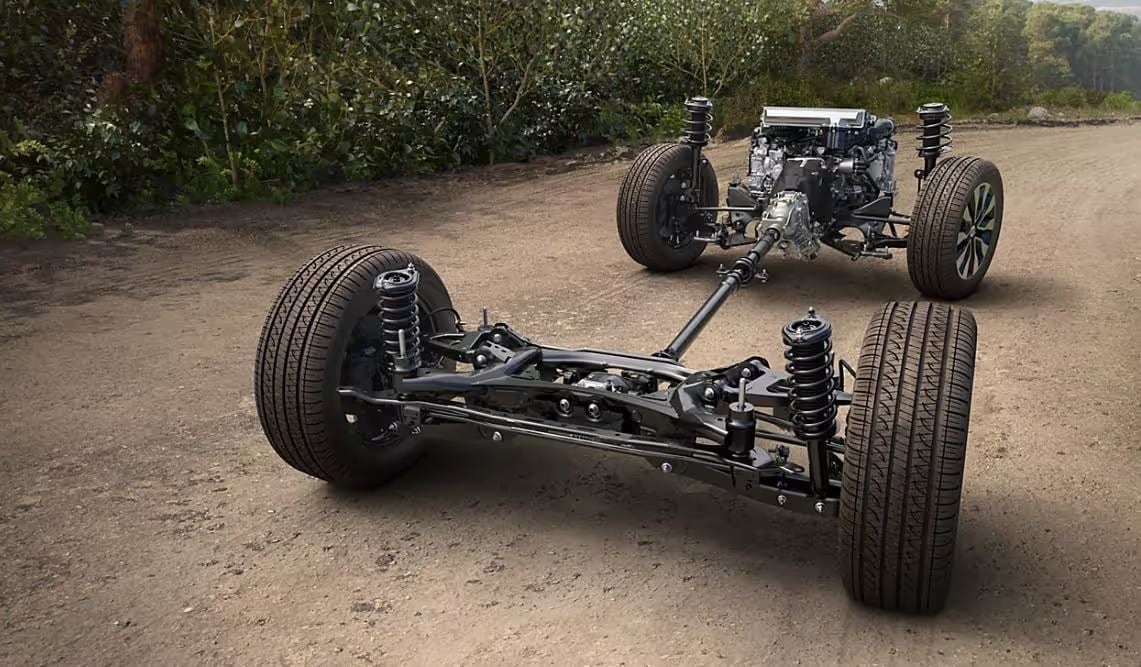
AWD systems consist of several key components. These include:
- Transfer Case:Directs power from the engine to the wheels.
- Driveshafts:Transmit power to the axles.
- Differentials:Allow wheels to turn at different speeds.
- Viscous Coupling:Helps distribute power between front and rear wheels.
Each component plays a vital role. Together, they provide stability and control.
4wd System Basics
Understanding the basics of 4WD systems helps explain their maintenance needs. These systems provide power to all four wheels but work differently than AWD. Designed for tough terrains, 4WD systems require specific care to keep them reliable and efficient.
How 4wd Works
4WD, or four-wheel drive, sends power to both front and rear wheels. Drivers can switch between two-wheel drive and four-wheel drive modes. This system often includes low-range gears for climbing steep hills or driving in deep mud. It allows better traction on rough or slippery surfaces. Usually, 4WD is used in trucks and off-road vehicles.
Common 4wd Components
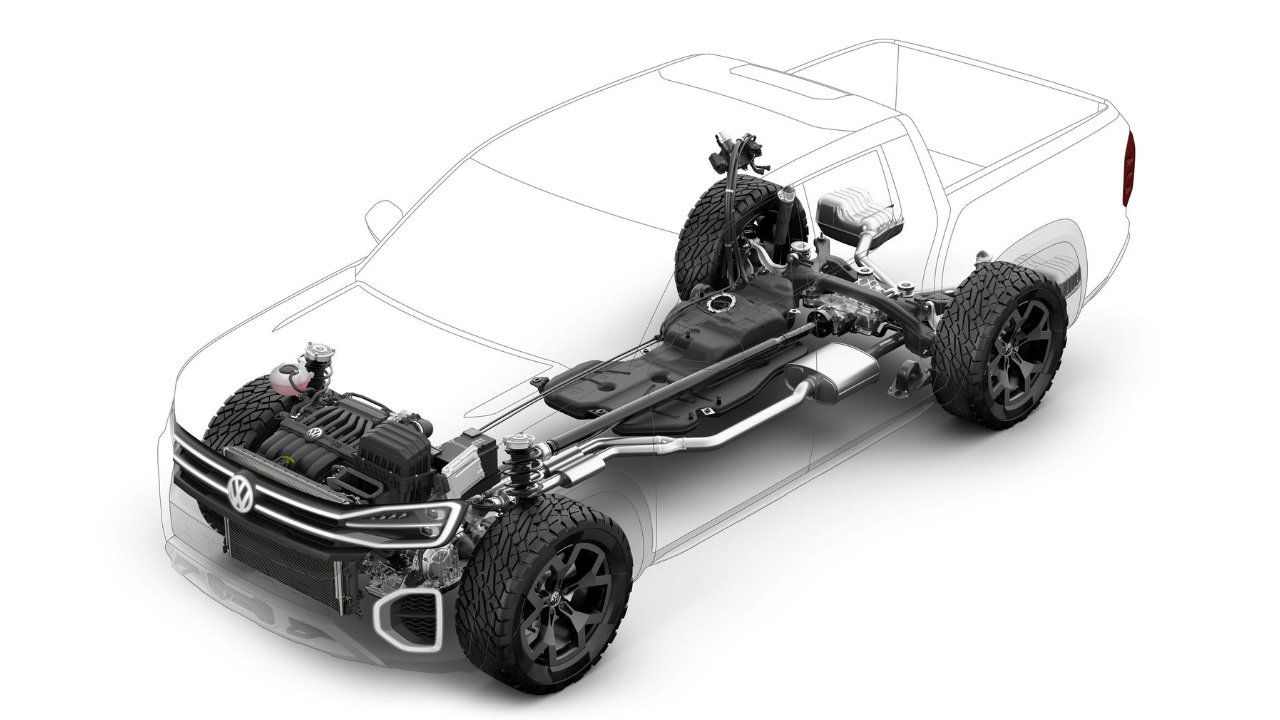
- Transfer Case:Shifts power between front and rear axles.
- Drive Shafts:Connect the transfer case to the wheels.
- Differentials:Allow wheels to turn at different speeds on corners.
- Axles:Transfer power to the wheels.
- Engagement Mechanism:Lets the driver switch between 2WD and 4WD modes.
Routine Maintenance For Awd
Routine maintenance keeps an AWD system working well. It helps avoid costly repairs and improves vehicle safety. Regular checks ensure the system responds correctly on all road types. Understanding key maintenance tasks will help extend the life of AWD components.
Fluid Checks And Changes
Fluids in an AWD system reduce friction and wear. Check the transfer case and differential fluids often. These fluids can get dirty or low, causing damage. Follow the manufacturer’s recommended schedule for fluid changes. Use the correct fluid type to maintain system performance.
Tire Rotation And Alignment
Tire condition affects AWD system performance and vehicle control. Rotate tires regularly to ensure even wear. Uneven tire wear can cause stress on AWD parts. Proper wheel alignment keeps the vehicle stable and safe. Check alignment if the car pulls to one side or tires wear unevenly.
Electronic System Inspections
Modern AWD systems rely on electronic controls. Sensors and computers manage power distribution to wheels. Regular inspections of these electronics catch issues early. A diagnostic scan can reveal hidden problems. Ensure wiring and connections are clean and secure for reliable operation.
Credit: www.subaruoflasvegas.com
Routine Maintenance For 4wd
Routine maintenance keeps your 4WD system running smoothly. Regular checks prevent costly repairs and improve vehicle safety. 4WD systems have parts that need special care. These components face high stress, so upkeep is crucial.
Transfer Case Care
The transfer case splits power between front and rear wheels. It needs clean, fresh fluid for proper function. Change transfer case fluid every 30,000 to 60,000 miles. Use the fluid type recommended in your owner’s manual. Inspect the case for leaks or damage. Listen for unusual noises when shifting between 2WD and 4WD modes.
Differential Maintenance
Differentials allow wheels to rotate at different speeds. They handle a lot of torque and stress. Check differential fluid regularly and replace it as scheduled. Use the correct gear oil for your vehicle’s differential. Look for signs of leaks around the differential housing. Strange sounds during turns can indicate worn gears or bearings.
Axle And Driveshaft Checks
Axles and driveshafts transfer power to the wheels. Inspect these parts for wear, cracks, or damage. Grease the universal joints and CV joints as needed. Watch for vibrations or clunking noises while driving. Keep boots and seals intact to protect joints from dirt and moisture. Early repairs help avoid breakdowns and expensive fixes.
Cost Differences In Maintenance
Maintaining AWD and 4WD systems involves different costs. These differences affect your budget over time. Understanding parts and labor expenses helps you plan better. Also, how often you service these systems impacts overall spending.
Parts And Labor Costs
AWD systems usually have complex parts. They include sensors, differentials, and electronic controls. These parts can cost more to replace or repair. Labor for AWD maintenance often takes longer. Mechanics need special tools and skills for AWD systems.
4WD systems have simpler mechanical parts. Components like transfer cases and locking hubs are common. Parts for 4WD tend to be less expensive. Labor time is often shorter, reducing service costs. However, heavy off-road use can increase wear and repair needs.
Frequency Of Service
AWD systems require regular checks to ensure smooth function. Fluid changes for differentials and transfer cases happen more often. Ignoring service can lead to costly repairs later.
4WD systems need service mainly before and after off-road trips. Transfer case fluid and drivetrain checks happen less often. Regular maintenance keeps the system reliable and extends its life.
Credit: www.complexevw440.com
Impact Of Driving Conditions
The impact of driving conditions plays a crucial role in determining the maintenance needs of AWD and 4WD systems. Your vehicle’s drivetrain faces different stresses depending on where and how you drive. Understanding these differences can save you time, money, and unexpected breakdowns.
Off-road Vs On-road Use
Off-road driving puts much more strain on both AWD and 4WD systems compared to regular on-road use. If you frequently take your 4WD vehicle on rough trails, mud, or rocky terrain, expect more frequent checks on components like differentials, transfer cases, and drive shafts.
AWD systems are designed mostly for on-road conditions with occasional light off-road use. If you push an AWD vehicle hard off-road, maintenance intervals may shorten, especially for the transmission and traction control systems.
Think about your own driving habits. Do you often find yourself tackling steep hills or deep snow? If so, your drivetrain will need more attention to keep performing well.
Weather And Terrain Effects
Weather conditions dramatically influence drivetrain wear and tear. Rain, snow, and ice increase the demand on AWD and 4WD systems to maintain grip and stability. This means components like wheel bearings and seals might wear out faster.
Driving on sandy or salty roads can cause corrosion and accelerate deterioration of drivetrain parts. Regular cleaning and inspections become critical to prevent rust and buildup.
- Cold climates may require more frequent fluid changes to avoid thickening and freezing.
- Mountainous terrains increase strain on the transmission and brakes due to constant uphill and downhill driving.
Have you checked your drivetrain fluids recently? Neglecting these small tasks can lead to costly repairs down the road.
Signs Of Maintenance Needs
Recognizing the signs of maintenance needs is essential for both AWD and 4WD systems. Timely attention prevents costly repairs and keeps your vehicle safe. These signs often appear through noises or changes in how your vehicle handles. Knowing what to watch for helps you maintain your vehicle’s performance and reliability.
Unusual Noises
Strange sounds often signal problems with drivetrain components. Listen for clunking, grinding, or whining noises while driving. These noises may come from the transfer case, differentials, or drive shafts. AWD systems tend to have complex components that wear out quietly at first. 4WD systems may produce louder sounds when engaged or disengaged. Ignoring these noises can lead to more serious damage.
Handling And Performance Issues
Notice if your vehicle feels different on the road. Pulling to one side, slipping wheels, or delayed engagement are warning signs. AWD vehicles rely on sensors and electronics that affect handling. 4WD systems may struggle if the mechanical linkages or fluid levels are low. Reduced traction or unstable steering means it’s time for a checkup. Regular maintenance keeps these systems functioning smoothly and safely.
Credit: www.germaincars.com
Frequently Asked Questions
What Are Awd System Maintenance Basics?
AWD systems require regular checks of the differential fluid and transfer case oil. These fluids must be replaced every 30,000 to 60,000 miles to ensure smooth operation and prevent wear.
How Often Should 4wd Systems Be Serviced?
4WD systems typically need service every 25,000 to 50,000 miles. This includes changing the transfer case fluid and lubricating the front and rear differentials for optimal performance.
Are Awd Maintenance Costs Higher Than 4wd?
AWD maintenance can be slightly more expensive due to complex components. However, both systems share similar costs for fluid changes and inspections, depending on vehicle usage and conditions.
What Common Issues Affect Awd And 4wd Systems?
Both AWD and 4WD systems can face issues like worn-out differentials, transfer case problems, and damaged CV joints. Regular maintenance helps detect and fix these early.
Conclusion
AWD and 4WD systems have different care needs. AWD requires less frequent checks but needs regular fluid changes. 4WD needs more attention, especially if used off-road. Tire rotation and system inspections help both run smoothly. Staying on top of maintenance saves money and prevents breakdowns.
Choose the system that fits your driving style and commit to its care. Proper upkeep keeps your vehicle safe and reliable on any road. Simple steps make a big difference in performance and lifespan.
Leave a Reply