Have you ever wondered what keeps airplanes flying safely above the clouds? The answer lies in the vital work of aircraft maintenance technology.
If you’re curious about how skilled professionals ensure every flight is secure and smooth, this article is for you. Understanding the role of aircraft maintenance technology not only reveals the secrets behind safe travel but might also spark your interest in a fascinating and rewarding career.
Keep reading to discover how this essential work impacts your safety every time you board a plane.
Aircraft Maintenance Technology Overview
Aircraft Maintenance Technology plays a vital role in keeping airplanes safe and ready to fly. It involves inspecting, repairing, and servicing aircraft parts. Skilled technicians use specialized tools and knowledge to maintain aircraft systems.
This field ensures every flight meets strict safety standards. It covers engines, electrical systems, hydraulics, and structural components. Regular maintenance prevents breakdowns and extends the life of the aircraft.
What Aircraft Maintenance Technicians Do
Technicians perform routine inspections and fix detected problems. They check engines, brakes, landing gear, and flight controls. They replace worn parts and update aircraft software. Their work helps avoid flight delays and accidents.
Tools And Technology Used
Technicians use diagnostic devices to find hidden issues. They rely on computers for troubleshooting and record keeping. Special tools help disassemble and reassemble complex parts. Safety gear protects technicians during repairs.
Training And Skills Required
Technicians need knowledge of mechanics, electronics, and aviation rules. They complete technical courses and obtain certifications. Attention to detail and problem-solving skills are essential. Physical stamina and good eyesight also help.
Importance Of Regular Maintenance
Scheduled checks catch issues before they grow. Proper upkeep reduces the risk of flight failures. Airlines follow strict maintenance schedules to comply with regulations. Safe planes build passenger trust and confidence.
Credit: aviationmaintenance.edu
Essential Skills For Technicians
Being an aircraft maintenance technician demands more than just technical knowledge. It requires a mix of practical skills and sharp thinking to keep aircraft safe and efficient. Let’s look at some essential skills you need to succeed in this field.
Technical Knowledge And Problem-solving
Understanding how aircraft systems work is the foundation of your job. You must read and interpret complex manuals, blueprints, and electronic systems. When a problem arises, your ability to diagnose it quickly and accurately can make all the difference in flight safety.
Have you ever faced a tricky mechanical issue that required you to think beyond the manual? That kind of hands-on problem-solving sharpens your skills daily.
Attention To Detail
Small mistakes can lead to big consequences in aircraft maintenance. You need to spot tiny cracks, wear, or loose components that others might overlook. Being detail-oriented helps prevent accidents before they happen.
Imagine missing a minor loose bolt during a routine check—how might that impact a flight? Your careful inspection can save lives.
Manual Dexterity And Physical Stamina
Working on aircraft often means handling small parts in tight spaces. You must have steady hands and good coordination. Plus, maintenance tasks can require long hours of standing, climbing, and lifting, so physical endurance is crucial.
Think about the last time you had to work in an awkward position for hours—how did you keep your focus sharp? Physical readiness supports your mental alertness.
Communication And Teamwork
You rarely work alone. Coordinating with pilots, engineers, and other technicians is part of your daily routine. Clear communication ensures everyone understands the status of repairs and maintenance tasks.
Have you ever seen how a simple miscommunication can delay a flight? Your ability to convey information clearly speeds up processes and enhances safety.
Commitment To Safety And Regulations
Aircraft maintenance follows strict safety standards and government regulations. You must stay updated with the latest rules and apply them rigorously. This commitment protects passengers, crew, and yourself.
How often do you review safety protocols? Staying informed is as important as the hands-on work you do.
Inspection And Diagnosis
Inspection and diagnosis form the backbone of aircraft maintenance technology. These processes ensure that every part of the aircraft is safe, functional, and complies with regulatory standards. Without thorough inspection and precise diagnosis, even minor issues can escalate into serious safety risks.
Routine Inspections
Routine inspections happen regularly to catch wear and tear before it becomes a problem. These checks cover everything from the engine and landing gear to the avionics and control systems.
Technicians follow strict checklists during these inspections. They visually examine parts, listen for unusual sounds, and measure components against manufacturer specifications.
Imagine noticing a tiny crack on a wing component during a routine check. Catching that early can prevent a costly repair or accident later on. What small detail could you overlook that might have big consequences?
Diagnostic Procedures
Diagnostic procedures dig deeper when something unusual is detected. These involve using specialized tools to pinpoint the exact cause of a problem.
Technicians use electronic testing equipment, sensors, and software to analyze data from the aircraft systems. This helps them identify issues that aren’t visible to the naked eye.
For example, a sudden drop in engine performance might lead to running an engine health monitoring system. This system can detect internal component failures before they become critical.
How confident are you that diagnostics will catch every hidden fault? Staying updated with the latest technology in this area is key to keeping your aircraft safe and efficient.

Credit: aviationmaintenance.edu
Repair And Replacement
Repair and replacement are vital tasks in aircraft maintenance technology that keep planes safe and functional. These processes involve identifying worn or damaged parts and restoring them to working condition or swapping them out for new ones. Understanding how repairs and replacements work helps you appreciate the precision and care technicians bring to every aircraft they service.
Common Repairs
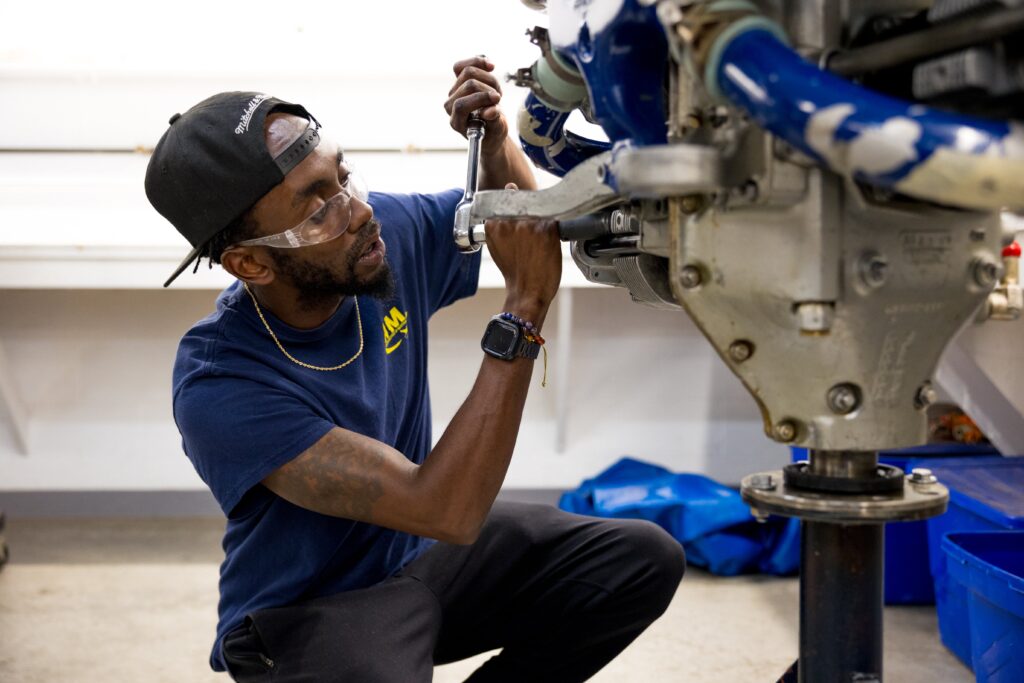
Technicians often deal with issues like hydraulic leaks, worn landing gear components, or cracked panels. Fixing these problems requires careful inspection and using tools like torque wrenches to ensure bolts are tight without overdoing it. Sometimes, repairing electrical wiring or avionics systems demands steady hands and sharp attention to detail, since even small mistakes can cause bigger problems down the line.
Have you ever noticed the meticulous way mechanics handle an engine inspection? That’s because even minor surface corrosion or loose fittings need immediate attention to prevent failures during flight. These common repairs might seem simple, but they are critical to flight safety and efficiency.
Replacement Techniques
When parts are too damaged or worn to repair, replacement becomes necessary. Technicians follow strict procedures to remove the faulty component and install a new one that meets exact specifications. This might involve using special jigs or alignment tools to ensure the replacement fits perfectly and functions as intended.
Some replacement parts require calibration after installation, like sensors or control surfaces. This ensures the aircraft performs within the required safety limits. Have you thought about how much precision goes into swapping a single bolt or wire? Each action affects the overall reliability of the aircraft.
- Removing damaged parts carefully to avoid collateral damage
- Cleaning connection points before installing replacements
- Testing the new part for proper operation after installation
- Documenting all changes for regulatory compliance and future reference
Preventative Maintenance Practices
Preventative maintenance is the backbone of aircraft reliability. It stops problems before they start, saving time and money while keeping flights safe. Understanding how this works can change how you view every check and repair done on an aircraft.
Scheduled Maintenance
Aircraft don’t wait for something to break before getting attention. Scheduled maintenance happens at fixed intervals, based on flight hours, calendar days, or cycles of use.
This includes changing oil, inspecting engines, and checking critical systems. Imagine you own a car and change the oil only after it breaks down—you’d face expensive repairs. Aircraft maintenance techs follow strict schedules to avoid that risk.
Have you ever wondered how an airplane stays safe after thousands of flights? It’s because of these planned visits to the hangar.
Safety Checks
Safety checks are quick but powerful. They ensure the aircraft is ready to fly every time it leaves the ground.
These checks include examining tires, brakes, lights, and control surfaces. A small crack or worn-out part could lead to serious problems, so these checks catch them early.
Think about the last time you inspected your bike before a ride. Did you check the brakes and tires? Pilots and maintenance crews do something similar, but with far more detail and precision.
Compliance With Regulations
Compliance with regulations is a cornerstone in the field of Aircraft Maintenance Technology. It ensures that every repair, inspection, and upgrade meets strict safety and operational standards. Ignoring these rules isn’t just risky; it can ground an entire fleet or worse, endanger lives.
Aviation Authority Standards
You must understand that aviation authorities like the FAA, EASA, or others set detailed standards for aircraft maintenance. These standards cover everything from the tools you use to the methods for checking engine performance. Staying updated with these rules means you help keep the skies safe and avoid costly penalties for your company.
Imagine working on an aircraft part without knowing the latest standard—it could fail mid-flight. That’s why regular training and certification updates are part of your job. How often do you check for updates in your maintenance manuals?
Documentation And Record-keeping
Accurate documentation is not just paperwork; it’s proof of compliance and a vital safety tool. Every maintenance action you perform must be logged with details like the date, the exact work done, and your signature. This creates a traceable history for each aircraft, which is crucial during inspections or investigations.
Missing or incorrect records can delay flights and cause mistrust with regulators. Have you ever experienced a situation where missing a single document caused a big headache? Keeping detailed logs protects you and your team from such issues.
Technological Advancements
Technological advancements have transformed aircraft maintenance technology. These innovations improve accuracy and efficiency. They help technicians detect problems faster and fix them more precisely. The use of new tools and digital systems has changed routine checks and complex repairs. This section explores key technological changes shaping the field today.
Modern Tools And Equipment
Advanced tools make inspections quicker and safer. Handheld devices like borescopes allow technicians to see inside engines. Precision instruments measure parts with high accuracy. Automated systems assist in balancing and alignment tasks.
- Portable scanners for deep engine inspection
- Laser measuring tools for exact part fitting
- Electric torque wrenches for proper bolt tightening
- Robotic arms to assist in heavy lifting and assembly
These tools reduce manual errors and save time. Technicians rely on them to keep aircraft in top condition.
Impact Of Digital Technologies
Digital technologies have reshaped maintenance processes. Electronic maintenance manuals replace bulky paper guides. Tablets and smartphones provide instant access to repair instructions.
Software programs track aircraft health and predict failures. Sensors embedded in aircraft monitor performance continuously. Data analytics help in identifying wear and tear early.
- Real-time monitoring through onboard sensors
- Maintenance scheduling based on predictive analytics
- Digital record-keeping for compliance and audits
- Virtual and augmented reality for technician training
These digital tools enhance decision-making and reduce downtime. They keep aircraft safer and maintenance more efficient.
Career Paths In Aircraft Maintenance
The field of aircraft maintenance technology offers diverse career paths. These paths suit many skill levels and interests. Individuals can begin with basic roles and grow into advanced positions. Each step involves gaining new skills and responsibilities. Understanding these career options helps in making informed choices for the future.
Entry-level Positions
Entry-level roles focus on learning and hands-on experience. Common jobs include:
- Aircraft Maintenance Technician Assistant
- Avionics Technician Trainee
- Quality Control Inspector
These positions involve routine inspections, simple repairs, and documentation. They build a strong foundation in aircraft systems. Training programs often support these roles with classroom and practical learning. Entry-level work helps develop attention to detail and safety awareness.
Advanced Career Opportunities
Experienced technicians can advance to specialized and leadership roles. Examples include:
- Lead Aircraft Maintenance Engineer
- Avionics Specialist
- Maintenance Supervisor
- Quality Assurance Manager
These roles require deep technical knowledge and problem-solving skills. Technicians may oversee teams and manage complex repairs. They also ensure compliance with industry standards and regulations. Advanced positions often offer higher pay and more responsibility.
Challenges In The Field
Aircraft maintenance technology is a demanding field that requires not only technical skill but also resilience and adaptability. The challenges professionals face go beyond routine repairs and inspections. Understanding these hurdles can help you prepare better for a career in this dynamic industry.
Work Environment
The work environment for aircraft maintenance technicians is often unpredictable. You might find yourself working in hangars exposed to varying temperatures or outdoors on tarmacs under the sun, rain, or snow. Noise levels can be high due to machinery and aircraft engines running nearby.
Shift work is common, including nights, weekends, and holidays, because aircraft need maintenance around the clock. This schedule can disrupt your personal life and sleep patterns. Have you considered how flexible your daily routine can be?
Physical And Mental Demands
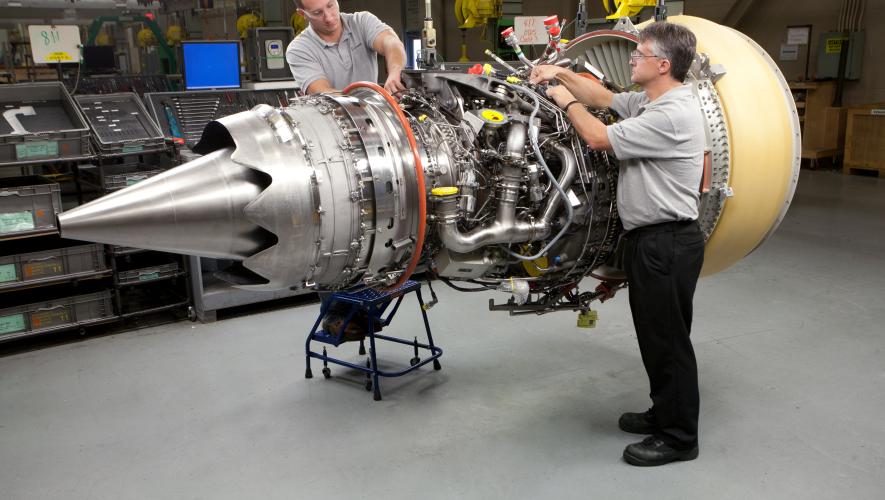
This job requires physical strength and endurance. You’ll frequently lift heavy parts, climb ladders, and work in cramped spaces. Maintaining focus during these physically demanding tasks is essential to avoid mistakes that could compromise safety.
Mental sharpness is just as crucial. Diagnosing complex issues means you must stay alert and think critically under pressure. Imagine spotting a tiny crack that others might overlook—your attention to detail can save lives.
Stress is part of the job, especially when quick turnarounds are needed to get planes back in the air. How do you manage pressure when the stakes are this high? Building strong coping strategies will serve you well in this field.
Credit: www.ainonline.com
Frequently Asked Questions
What Does Aircraft Maintenance Technology Involve?
Aircraft maintenance technology involves inspecting, repairing, and servicing aircraft components. It ensures safety and operational efficiency. Technicians diagnose issues, perform routine checks, and maintain aircraft systems according to strict aviation standards.
Why Is Aircraft Maintenance Technology Important?
Aircraft maintenance technology is vital for flight safety and reliability. It prevents malfunctions and accidents by ensuring all parts function correctly. This technology extends aircraft lifespan and reduces costly downtime.
How Do Aircraft Maintenance Technicians Work?
Technicians use diagnostic tools and manuals to troubleshoot problems. They follow maintenance schedules, repair or replace faulty parts, and test aircraft systems. Their work complies with aviation regulations to guarantee safety.
What Skills Are Needed For Aircraft Maintenance Technology?
Key skills include technical knowledge, problem-solving, attention to detail, and manual dexterity. Strong understanding of aerodynamics and electronics is essential. Good communication and adherence to safety protocols are also important.
Conclusion
Aircraft maintenance technology keeps planes safe and ready to fly. Skilled technicians check and fix parts regularly. Their work prevents problems and saves lives. This field combines knowledge, tools, and careful attention. It plays a key role in air travel safety.
Without it, flights would face delays and risks. The technology and skills keep the skies secure. Understanding this work shows how important it really is. A well-maintained aircraft means smooth trips for everyone.
Leave a Reply