Have you ever wondered why machines, gadgets, and tools keep working smoothly over time? The secret lies in something called maintenance.
Understanding what maintenance means in basic technology can save you time, money, and frustration. Whether you’re handling a simple device or a complex system, knowing how to take care of it helps you avoid breakdowns and extend its life. You’ll discover exactly what maintenance is and why it matters to you.
Keep reading to unlock easy tips that make technology work better for you every day.
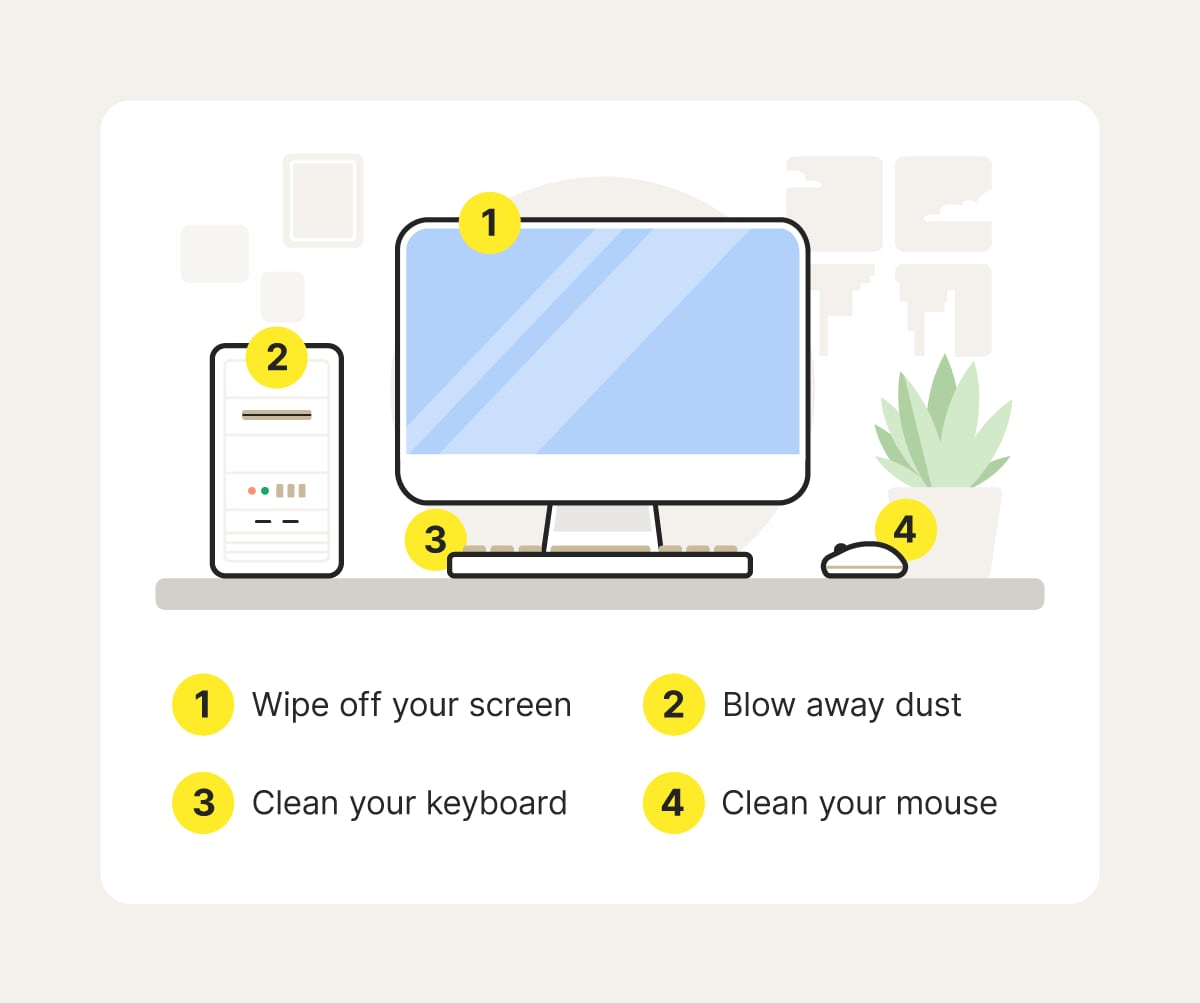
Credit: us.norton.com
Basics Of Maintenance
Maintenance is a key part of Basic Technology that keeps machines and tools working smoothly. Understanding the basics of maintenance helps you avoid breakdowns and extend the life of your equipment. It is not just about fixing problems but preventing them before they happen.
What Maintenance Means
Maintenance involves actions that keep technology and machines in good condition. It includes cleaning, checking, repairing, and replacing parts when needed. Think of it as regular care that stops small issues from becoming big ones.
- Preventive Maintenance:Doing routine checks and servicing to avoid failures.
- Corrective Maintenance:Fixing problems after they occur.
- Predictive Maintenance:Using data and tools to predict when a machine might fail.
Which type do you find most useful in your daily work or hobby?
Why Maintenance Matters
Ignoring maintenance can cause machines to stop working unexpectedly. This not only wastes time but also costs more money to repair. Regular maintenance saves resources and keeps your tools reliable.
Simple Maintenance Tasks You Can Do
- Clean and oil moving parts regularly.
- Tighten loose screws and bolts.
- Check for wear and tear on belts and wires.
- Replace damaged parts immediately.
Have you ever skipped a simple check only to face a bigger problem later?
Keeping A Maintenance Schedule
Creating a schedule helps you remember when to check or service equipment. You can use a calendar, reminder app, or a written log. This habit makes maintenance less of a chore and more of a routine.
Types Of Maintenance
Maintenance plays a vital role in basic technology. It helps machines and tools stay in good condition. Different types of maintenance serve different purposes. Each type focuses on a specific way to keep equipment running smoothly. Understanding these types helps in choosing the right approach for any technology.
Preventive Maintenance
Preventive maintenance involves regular checks and servicing. It aims to stop problems before they start. Tasks include cleaning, lubrication, and part replacement. This type reduces breakdowns and extends equipment life. Scheduling is based on time or usage.
Corrective Maintenance
Corrective maintenance happens after a failure or defect. It fixes the problem to restore function. This type can cause downtime and unexpected costs. It is reactive and focuses on repair. Quick response is important to minimize disruption.
Predictive Maintenance
Predictive maintenance uses data and tools to predict faults. Sensors and monitoring systems track equipment health. It alerts when maintenance is needed soon. This type avoids sudden failures and unnecessary work. It improves efficiency and saves costs over time.
Key Principles
Understanding the key principles of maintenance in basic technology is essential to keep machines and systems working efficiently. These principles guide how you approach the upkeep of equipment, preventing breakdowns and extending their lifespan. Let’s dive into three crucial areas that form the backbone of effective maintenance.
Regular Inspections
Regular inspections help you spot potential issues before they become serious problems. By checking equipment frequently, you catch wear and tear early, saving time and money on big repairs later. Think about your own car—skipping routine checks often leads to unexpected breakdowns that could have been avoided.
Make a habit of following inspection schedules and use simple checklists to keep track. The more consistent you are, the fewer surprises you’ll face.
Timely Repairs
Delaying repairs often worsens damage and increases costs. Addressing faults as soon as they appear keeps equipment running smoothly and prevents small issues from growing. Imagine a leaking pipe; fixing it quickly stops water waste and avoids damage to your home’s structure.
Act fast when something seems off. Waiting too long can turn a minor fix into a major headache.
Efficient Resource Management
Managing resources wisely means using materials, tools, and time effectively during maintenance tasks. This principle helps you avoid waste and ensures you have what you need when you need it. For example, keeping a well-organized tool kit saves you time searching and prevents unnecessary purchases.
Ask yourself: Are you using your resources in the best way possible? Streamlining your maintenance process makes your work easier and more productive.

Credit: safetyculture.com
Tools And Equipment
Maintenance in basic technology relies heavily on having the right tools and equipment at hand. These tools not only make the job easier but also ensure safety and accuracy. Without proper equipment, routine checks or repairs can become frustrating and inefficient.
Essential Tools For Maintenance
Some tools are must-haves for any maintenance task. A reliable screwdriver set, adjustable wrenches, and pliers cover many basic needs. You’ll find a multimeter essential for checking electrical circuits, while a flashlight helps you see into tight, dark spaces.
Think about the last time you fixed something without the right tool. Did it take longer? Did it feel risky? Having these essentials ready saves you time and stress.
- Screwdrivers:Flathead and Phillips for general use
- Wrenches:Adjustable and fixed sizes for bolts and nuts
- Pliers:Needle-nose and standard for gripping and cutting
- Multimeter:Measures voltage, current, and resistance
- Flashlight:Illuminates dark or hidden areas
Technology In Maintenance
Technology has transformed how you approach maintenance tasks. Digital tools like apps help schedule and track maintenance work efficiently. Sensors and smart devices can alert you before a machine breaks down, saving you from unexpected failures.
Imagine having a device that tells you exactly when a part needs replacement. Wouldn’t that save you both money and downtime? Using technology not only improves precision but also extends the life of your equipment.
Role Of Maintenance In Technology
Maintenance plays a vital role in technology by ensuring devices and systems continue to function smoothly. It involves regular checks, repairs, and updates to prevent breakdowns and extend the usability of equipment. Without proper maintenance, technology can fail unexpectedly, causing delays and increased expenses.
Prolonging Equipment Life
Regular maintenance keeps your technology running longer. Simple actions like cleaning, lubrication, and timely replacement of worn parts can prevent major damage.
Think about your smartphone battery. If you ignore its health, it will degrade faster. But by managing charging habits and updating software, you can extend its lifespan significantly.
How often do you check your devices for signs of wear? Small efforts here can save you from early replacements.
Enhancing Efficiency
Maintenance ensures your technology operates at its best performance. Dirty filters, outdated software, or mechanical wear can slow down equipment and reduce output.
For example, a clogged air filter in an HVAC system forces it to work harder, consuming more energy. Regular cleaning improves airflow and cuts energy use.
Is your technology performing as efficiently as it could? Regular tune-ups can boost speed and productivity.
Reducing Costs
Ignoring maintenance can lead to costly repairs or total equipment failure. Fixing small problems early prevents expensive breakdowns.
Preventive maintenance also lowers energy bills by keeping machines running smoothly. You avoid emergency service charges and downtime costs.
Have you calculated how much you spend on reactive repairs compared to planned maintenance? Investing time and resources in upkeep often saves money in the long run.

Credit: safetyculture.com
Skills For Maintenance Personnel
Maintenance personnel play a crucial role in keeping technology systems running smoothly. Their skills determine how quickly and effectively issues get resolved. Developing the right mix of abilities can make the difference between frequent breakdowns and consistent performance.
Technical Skills
Technical skills are the foundation for any maintenance worker. You need to understand how machines and tools operate to diagnose problems accurately.
Hands-on experience with electrical wiring, mechanical components, and software systems is often required. For example, knowing how to read technical manuals or use diagnostic tools speeds up repairs and reduces errors.
Problem-solving Abilities
Maintenance is rarely straightforward. You will face unexpected issues that demand quick thinking and creativity.
Being able to analyze a problem, think through possible causes, and test solutions systematically saves time and resources. Ask yourself: Have you ever fixed a machine by trying a simple adjustment others overlooked? That kind of insight comes from sharp problem-solving skills.
Safety Awareness
Working with technology often involves risks. Safety awareness protects you and your team from accidents.
Knowing how to handle tools properly, follow safety protocols, and recognize hazards is essential. Imagine how a small oversight could lead to serious injury or costly damage—your vigilance can prevent that.
Challenges In Maintenance
Maintenance in basic technology faces several hurdles that can slow down or complicate the upkeep of systems and devices. These challenges affect not only how quickly issues get fixed but also the overall efficiency and lifespan of technology. Understanding these obstacles can help you prepare better and find smarter ways to keep your equipment running smoothly.
Resource Constraints
One major challenge is limited resources, such as time, money, and spare parts. You might find that budgets are tight, making it hard to buy the necessary tools or replacement components. Also, maintenance often gets pushed aside when urgent tasks pile up, reducing the time available for proper care.
Have you ever had to delay fixing a machine because the replacement parts were too expensive or unavailable? This situation can lead to bigger problems later, increasing downtime and repair costs.
Technological Advancements
Technology changes fast, and keeping up with these changes can be tough. New devices often come with complex features that require updated maintenance approaches. Without adapting, you risk using outdated methods that might not work well or could even cause damage.
Think about the last time you updated your smartphone or computer. Did you also learn how to maintain it properly? Skipping this step can shorten the device’s life or cause unexpected failures.
Skill Gaps
Not everyone has the right skills to maintain modern technology effectively. Training is essential, but it is often overlooked or insufficient. Without skilled personnel, even simple repairs can become challenging or unsafe.
Have you ever struggled to fix a device because you didn’t know the right procedure? This gap in skills can lead to frustration and more frequent breakdowns, costing you time and money.
Future Trends In Maintenance
Maintenance is evolving rapidly, and staying ahead means understanding the trends shaping its future. These changes will affect how you manage technology, from simple repairs to complex system upkeep. Let’s look at what’s coming next and how you can prepare to keep your equipment running smoothly.
Automation And Ai
Automation is making maintenance faster and more accurate. Machines can now detect problems before they cause failures, reducing downtime significantly.
AI tools analyze patterns and predict when parts need fixing or replacement. This means you don’t wait for a breakdown—you act before it happens.
Imagine a factory where robots handle routine checks, freeing your team to focus on tricky repairs. How much time and money could you save by using smart machines for maintenance?
Sustainability Practices
Maintaining technology is no longer just about fixing things; it’s about doing it responsibly. Using eco-friendly materials and energy-efficient processes helps protect the environment.
Recycling parts and reducing waste are becoming standard in maintenance routines. This approach not only saves resources but also lowers costs over time.
Ask yourself: Are your current maintenance methods helping the planet, or could they be improved? Small changes can make a big difference.
Data-driven Maintenance
Data is the new power behind maintenance decisions. Collecting and analyzing information from your devices helps you understand their health better.
With real-time data, you can schedule repairs precisely when needed, avoiding unnecessary work. This saves both time and money.
Think about the last time a machine broke down unexpectedly. What if you had the data to prevent it? Using data smartly puts you in control.
Frequently Asked Questions
What Is Maintenance In Basic Technology?
Maintenance in basic technology refers to activities that keep machines and systems functional. It involves inspection, cleaning, repair, and replacement to prevent breakdowns and extend equipment life.
Why Is Maintenance Important In Technology?
Maintenance ensures technology operates efficiently and safely. It reduces downtime, prevents costly repairs, and improves performance and reliability of equipment.
What Are Common Types Of Maintenance?
Common types include preventive, corrective, and predictive maintenance. Preventive is regular upkeep, corrective fixes faults, and predictive anticipates issues using data.
How Often Should Maintenance Be Done?
Maintenance frequency depends on equipment type and usage. Regular checks, monthly or quarterly, help catch problems early and maintain optimal performance.
Conclusion
Maintenance keeps technology working well every day. It stops small problems from growing big. Regular care helps machines last longer and work better. It saves time and money in the long run. Anyone can learn simple maintenance steps easily. Understanding this helps you protect your tools and devices.
Maintenance is key to smooth, safe technology use. Keep checking and fixing to avoid surprises later. Small efforts now bring big benefits later. Simple, steady care makes all the difference.
Leave a Reply