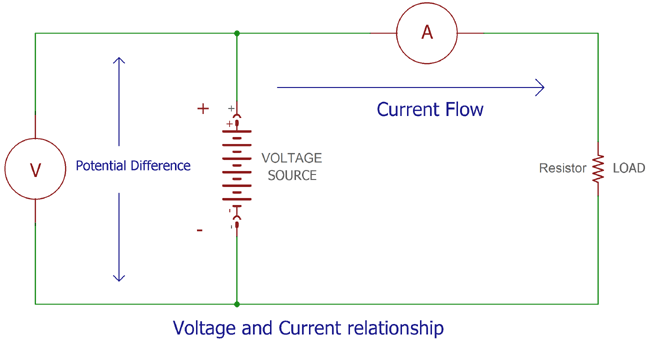
Have you ever wondered what really happens to electrons when your devices are plugged in? You might think electrons get used up or disappear inside a circuit.
But is that really true? Understanding this can change the way you think about electricity and how your gadgets work. Keep reading to uncover the surprising truth about electrons in a circuit—and why it matters to you every time you switch something on.
The Basics Of Electrical Circuits
Understanding the basics of electrical circuits is essential before diving into whether electrons are consumed in a circuit. At its core, a circuit is a pathway that allows electric current to flow. Getting familiar with the main parts and how electricity moves through them will help you grasp how energy is transferred and used.
Components Of A Circuit
Every circuit contains several key components that work together to make electricity useful. These include:
- Power source:This could be a battery or generator providing the electrical energy.
- Conductors:Wires or other materials that carry electrons from one point to another.
- Load:Devices like bulbs, motors, or resistors that use electrical energy to perform work.
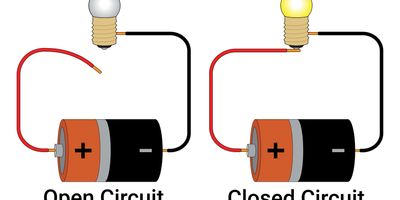
- Switch:A control that opens or closes the circuit, turning the flow on or off.
Each part plays a specific role, and without any one of them, the circuit wouldn’t function properly. Have you ever wondered why a simple flashlight stops working when the battery dies? It’s because the power source no longer pushes electrons through the circuit.
Flow Of Electricity
Electricity flows as a stream of electrons moving through the conductors. But here’s the catch: the electrons themselves aren’t used up or destroyed. Instead, they move in a loop, carrying energy from the power source to the load and back.
Think about water flowing in a closed pipe system. The water keeps circulating, but the energy you get from it comes from the pump pushing it along. Similarly, the battery or generator provides energy to the electrons, which then transfer that energy to devices in the circuit.
So, when you ask if electrons are consumed in a circuit, the answer is no. The electrons keep moving, but the energy they carry is what gets used. What devices in your home do you think rely most on this constant flow of energy?
What Happens To Electrons In A Circuit
Electrons are tiny particles that move through a circuit to carry electric current. They do not disappear or get used up; instead, they travel around the circuit continuously. Understanding what happens to electrons helps explain how electrical devices work.
Electron Flow Explained
Electrons flow from the negative side of a power source to the positive side. They move through wires and components like bulbs or resistors. The flow of electrons creates an electric current, which powers devices.
Electrons move very slowly but pass energy quickly along the circuit. They collide with atoms in the wire, transferring energy without being consumed. The electrons keep circulating as long as the circuit is complete.
Role Of Electrons In Energy Transfer
Electrons carry energy from the power source to the device in the circuit. They transfer this energy by bumping into atoms, which causes parts like bulbs to light up or motors to run.
The energy carried by electrons changes form but the electrons themselves remain. They act like tiny messengers, moving energy instead of being used up. This explains why electrons are not consumed in circuits.
Common Myths About Electrons In Circuits
Many people hold wrong ideas about electrons in electrical circuits. These myths confuse how electricity works and lead to misunderstandings. Clearing up these myths helps us understand circuits better.
Misconception: Electrons Are Consumed
Some believe electrons get used up in a circuit like fuel. This is not true. Electrons flow through wires but do not disappear or get destroyed. They keep moving around the circuit continuously.
Electric devices use energy carried by electrons, not the electrons themselves. The electrons transfer energy from the power source to devices. After that, electrons return to the power source to start again.
Clarifying Electron Movement
Electrons move in a closed loop called a circuit. Their movement creates electric current, which powers devices. The electrons themselves remain intact throughout the process.
The energy carried by electrons changes as they pass through devices. For example, in a light bulb, electrons lose energy as light and heat. Yet, the electrons continue to flow back through the circuit.
This constant flow is like water in a river, moving but not disappearing. Understanding this flow helps explain how electricity powers our homes and gadgets.
Credit: www.wevolver.com
Scientific Perspective On Electron Behavior
Understanding what happens to electrons in a circuit can clear up many common misconceptions. Electrons are often thought to be “used up” as electricity flows, but the reality is quite different. Let’s look at how electrons behave from a scientific point of view and what that means for your circuits.
Conservation Of Charge
Electrons carry a negative charge, and one key principle in physics is the conservation of charge. This means the total number of electrons remains constant in a closed circuit. Electrons flow through wires and components, but they are not destroyed or consumed along the way.
Think of electrons like cars on a circular track. They keep moving but don’t disappear. So when you turn on a light, electrons don’t vanish; they simply transfer energy through the circuit.
Energy Transformation In Circuits
Even though electrons aren’t consumed, the energy they carry changes form as it moves. In your home, electrical energy transforms into light, heat, or motion depending on the device. This transformation happens because electrons interact with the components inside the circuit.
When you switch on a fan, electrons pass through the motor, causing it to spin by converting electrical energy into mechanical energy. The electrons exit the motor with less energy but remain present in the circuit, ready to move on. So, the key is that energy is used up, not the electrons themselves.
Practical Implications Of Electron Flow
Understanding the practical implications of electron flow in circuits can change how you approach electrical design and troubleshooting. Electrons don’t get consumed, but their movement drives the entire system, influencing everything from energy efficiency to component lifespan. Let’s look at how this knowledge impacts real-world scenarios you might face.
Impact On Circuit Design
Knowing that electrons are not consumed but continuously move helps you design circuits that manage energy effectively. For example, you can focus on reducing resistance to allow smoother electron flow, which improves performance and lowers heat generation.
Designers often select materials and components that minimize energy loss by ensuring electrons face less opposition. This approach extends the life of your devices and reduces power consumption, saving you money in the long run.
Have you ever noticed how some gadgets run cooler or last longer? That’s often a result of smart circuit design that respects electron flow principles.
Real-world Applications
In everyday electronics, from smartphones to electric cars, understanding electron flow guides how engineers build efficient and reliable products. For instance, battery technology relies on controlling electron movement to maximize charge cycles without degrading the cells.
Power grids also benefit from this knowledge. Engineers design transmission lines and transformers to minimize energy loss, ensuring electricity reaches your home efficiently.
Think about the devices you use daily. Their performance and durability often hinge on how well electron flow is managed inside their circuits. Isn’t it fascinating that something as small as an electron can have such a big impact?

Credit: www.youtube.com
Educational Tools To Understand Electron Flow
Understanding how electrons move through a circuit can feel tricky at first. But using the right educational tools can make this concept clear and even fun. These tools help you see what’s usually invisible, giving you a stronger grasp of how circuits really work.
Visual Aids And Simulations
Visual aids like diagrams and flowcharts show the path electrons take in a circuit. They break down complex ideas into simple images you can quickly understand. For example, a clear circuit diagram labels components and electron flow directions, helping you follow the movement step by step.
Simulations take this a step further by letting you experiment virtually. You can adjust voltage, resistance, or switch components on and off to see how electron flow changes instantly. This hands-on approach helps you connect theory with real-world behavior, making learning stick.
Interactive Learning Resources
Interactive resources like quizzes and games test your knowledge while keeping you engaged. They often include instant feedback, which helps you spot and fix misunderstandings early. Have you ever tried a circuit-building game that lets you drag and drop elements? It’s a great way to learn by doing.
Many educational platforms also offer step-by-step tutorials paired with interactive experiments. This combination lets you learn at your own pace and revisit tricky parts as needed. Such resources make electron flow less abstract and more intuitive, especially if you prefer learning by interaction rather than just reading.

Credit: www.youtube.com
Frequently Asked Questions
Are Electrons Used Up In An Electrical Circuit?
No, electrons are not consumed in a circuit. They continuously flow, transferring energy without being used up. The electrons return to the power source, allowing a constant flow of current.
What Happens To Electrons In A Circuit?
Electrons move through the circuit, carrying electrical energy. They flow from the negative terminal to the positive terminal. Electrons do not get destroyed; they simply transfer energy to devices.
Do Electrons Disappear After Powering Devices?
Electrons do not disappear after powering devices. They keep circulating in the circuit, enabling continuous energy transfer. Devices convert electrical energy carried by electrons into other energy forms.
Why Aren’t Electrons Consumed In Circuits?
Electrons are charge carriers, not energy sources. They transfer energy but remain intact. The power source provides energy, while electrons facilitate its flow through the circuit.
Conclusion
Electrons do not disappear inside a circuit. They move and carry energy from one point to another. The circuit uses the energy, but electrons keep flowing. This flow creates electricity that powers devices. Understanding this helps you see how circuits work.
Electricity is about energy transfer, not loss of electrons. This simple fact clears up common confusion. Keep this in mind when studying or working with circuits. The flow never ends; it just keeps moving forward.
Leave a Reply