Have you ever stopped to think about the gadgets you use every day? From your smartphone to your headphones, these devices are all part of a category called consumer electronics.
But what exactly does that mean for you? Understanding what consumer electronics are can help you make smarter choices, save money, and enjoy your tech even more. Keep reading, and you’ll discover everything you need to know about these powerful tools that shape your daily life.
Consumer Electronics Defined
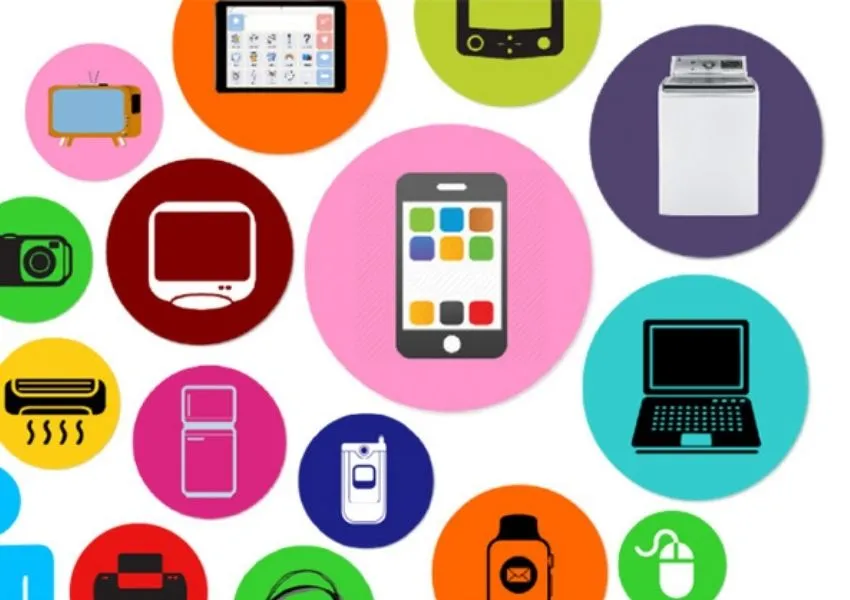
Consumer electronics are devices made for everyday use by people. These products help with communication, entertainment, and work. They use electricity or batteries to function. Most consumer electronics are small and easy to carry.
Many homes have these gadgets. They include items like smartphones, televisions, and headphones. People rely on them daily for many tasks. These devices often connect to the internet or other gadgets.
What Qualifies As Consumer Electronics?
Consumer electronics are products meant for personal use. They are designed to be simple and user-friendly. These devices usually perform specific tasks or functions. Examples include:
- Smartphones and tablets
- Televisions and radios
- Wearable devices like smartwatches
- Home appliances like microwaves and vacuum cleaners
Key Features Of Consumer Electronics
These gadgets share several common traits. They are:
- Portable or easy to place at home
- Powered by electricity or batteries
- Designed for mass-market use
- Simple to operate without technical knowledge
Why Are Consumer Electronics Important?
They make life easier and more enjoyable. People use them for:
- Staying connected with others
- Accessing information quickly
- Entertainment such as movies and music
- Completing everyday tasks at home or work

Credit: www.freepik.com
Evolution Of Smart Devices
The evolution of smart devices shows how technology reshapes daily life. From simple gadgets to advanced tools, these devices improve convenience and connectivity. Each stage brought new features that changed how people interact with electronics.
Early Innovations
Early smart devices were basic but important. Devices like PDAs and early mobile phones helped users manage schedules and contacts. They laid the foundation for more complex technology. Simple screens and limited connectivity marked this period.
Rise Of Smartphones
Smartphones combined many functions into one device. They offered calling, texting, internet, and apps in a small package. Touchscreens became popular, making navigation easier. Smartphones became essential for work and entertainment.
Integration Of Ai
Artificial intelligence added new capabilities to smart devices. Voice assistants like Siri and Alexa made interactions natural. AI improved personalization and automation. Devices now learn user habits to provide better experiences.
Categories Of Consumer Electronics
Consumer electronics come in many forms, each designed to make your life easier, more fun, or more connected. Understanding the different categories helps you choose the right devices for your needs and stay updated with tech trends. Let’s look at the main types of consumer electronics that you encounter daily.
Personal Gadgets
Personal gadgets include devices you carry or use regularly to stay connected and productive. Smartphones, tablets, and laptops fall into this category. Think about how your smartphone manages your schedule, entertainment, and communication all in one place.
These gadgets often combine multiple functions, reducing the need to carry several devices. Have you noticed how a tablet can replace a bulky laptop for casual browsing or note-taking? That convenience is why personal gadgets keep evolving quickly.
Home Entertainment Systems
Home entertainment systems bring movies, music, and games right into your living room. This category includes smart TVs, soundbars, gaming consoles, and streaming devices. Imagine watching a movie with crystal-clear sound and picture quality that makes you feel part of the scene.
Many systems now connect to the internet, allowing you to stream content without extra equipment. Do you find yourself spending more time exploring new shows or gaming with friends online? These devices are designed to enhance your relaxation and social time.
Wearable Technology
Wearable technology consists of devices you wear that track health, provide notifications, or offer other smart features. Fitness trackers, smartwatches, and even smart glasses fall into this category. Have you ever checked your heart rate or step count without pulling out your phone? That’s the power of wearables.
These gadgets encourage a more active lifestyle and keep you connected on the go. They can also monitor sleep patterns or remind you to stay hydrated. How much easier would your daily routine be if your watch guided you through your health goals?
Credit: www.bwmarketingworld.com
Key Features Of Smart Devices
Smart devices are a big part of consumer electronics today. They combine several important features that make life easier and more connected. Understanding these key features helps you see why smart devices are so popular and useful.
These devices are more than just tools; they create a smooth experience by connecting with other devices and saving energy. They focus on easy use and better control for users. Below are some main features that define smart devices.
Connectivity And Networking
Smart devices connect to the internet and other devices. This allows them to share data and work together. Common connections include Wi-Fi, Bluetooth, and cellular networks. They can sync with smartphones, computers, and home systems. This network link enables remote control and real-time updates.
User Interface And Experience
The interface is how users interact with smart devices. It includes touchscreens, voice commands, and buttons. These interfaces are simple and clear. The goal is to make the device easy to use for everyone. Good user experience means fast response, clear feedback, and less confusion.
Energy Efficiency
Smart devices use less power to save energy and money. They often have features like sleep mode and auto-off. Some adjust settings based on usage to reduce waste. Energy efficiency helps devices run longer on batteries. It also supports a cleaner environment by lowering energy use.
Impact On Daily Life
The impact of consumer electronics on daily life is undeniable. These devices shape how you manage tasks, connect with others, and enjoy your free time. Understanding this impact helps you appreciate the convenience and opportunities technology brings to your everyday routine.
Convenience And Accessibility
Consumer electronics put a world of information and services at your fingertips. Smartphones, smart home devices, and wearable tech make everyday tasks faster and easier.
Think about how you can order groceries, control your home’s temperature, or track your fitness goals—all from one device. This convenience saves you time and reduces stress, allowing you to focus on what truly matters.
Enhancing Communication
Your connections with family, friends, and colleagues grow stronger through consumer electronics. Video calls, instant messaging, and social media apps keep you close even when you’re miles apart.
Have you noticed how a quick message or video chat can brighten your day? These tools help maintain relationships and build new ones, making the world feel smaller and more connected.
Transforming Work And Leisure
Consumer electronics blur the lines between work and play. Laptops and tablets enable remote work, giving you flexibility and control over your schedule.
At the same time, streaming services, gaming consoles, and e-readers offer endless entertainment options. How do you balance your screen time to stay productive yet relaxed?
)
Credit: www.business-standard.com
Popular Brands And Products
Popular brands and products shape your experience with consumer electronics. They influence not only what devices you choose but also how those devices fit into your daily life. Understanding which companies lead the market and what gadgets are must-haves helps you make smarter decisions.
Leading Tech Companies
Some brands have become synonymous with quality and innovation in consumer electronics. Apple, Samsung, and Sony consistently deliver products that blend design with performance.
Apple’s iPhone and MacBook line are famous for their user-friendly interface. Samsung excels with its Galaxy smartphones and QLED TVs, while Sony stands out in gaming with the PlayStation and in audio with high-quality headphones.
Have you noticed how these companies often set the trends others follow? Their commitment to research and development often results in products that anticipate your needs before you even realize them.
Must-have Gadgets
Some gadgets have become essential in most households and workplaces. Smartphones, wireless earbuds, and smartwatches top this list due to their convenience and connectivity.
Consider the impact of a smartwatch that tracks your health and notifications without pulling out your phone. Or wireless earbuds that offer freedom from tangled cords during your daily commute.
Which gadget has changed how you approach your routine? Identifying these can help you prioritize what to add to your tech collection next.
Emerging Innovators
New companies are constantly entering the consumer electronics space with fresh ideas and affordable options. Brands like OnePlus, Anker, and TCL offer impressive products that challenge the dominance of established giants.
OnePlus brings high-end specs at competitive prices, Anker is known for reliable charging solutions, and TCL delivers quality TVs with budget-friendly features.
Trying products from these innovators can be a smart way to access quality tech without breaking the bank. What emerging brand has caught your attention recently?
Future Trends In Smart Devices
Smart devices continue to evolve rapidly, shaping how people live and work. The future holds exciting changes that will make these devices more connected, intelligent, and eco-friendly. These trends will influence everyday technology and bring new benefits to users worldwide.
Expansion Of Iot
The Internet of Things (IoT) will grow and include more devices than ever. Homes, cars, and workplaces will have smart gadgets that communicate seamlessly. This connectivity allows better control and automation of daily tasks.
Devices will share data to improve user experiences. For example, smart refrigerators could track groceries and suggest recipes. IoT expansion means more convenience and efficiency in everyday life.
Advancements In Ai
Artificial Intelligence (AI) will become smarter and more common in devices. AI helps devices learn user habits and preferences. It enables personalized interactions and faster responses.
Smart assistants will better understand speech and context. AI will improve security by detecting unusual activity. These advancements make devices more helpful and intuitive.
Sustainability And Eco-friendly Designs
Smart devices will focus on eco-friendly materials and energy-saving features. Manufacturers aim to reduce electronic waste and carbon footprints. Devices will last longer and be easier to recycle.
Energy-efficient gadgets reduce power use and save money. Sustainable design is becoming a key factor in consumer choices. This trend supports a healthier planet and responsible technology use.
Frequently Asked Questions
What Defines A Consumer Electronic Product?
A consumer electronic product is a device intended for personal use. It includes gadgets like smartphones, TVs, and audio players. These products enhance daily life through technology. They are user-friendly and widely available in the market.
How Do Consumer Electronics Impact Daily Life?
Consumer electronics simplify tasks and provide entertainment. They improve communication, access to information, and productivity. Devices like smartphones and laptops are essential today. They connect people and support various activities efficiently.
What Are The Main Types Of Consumer Electronics?
Main types include mobile devices, home entertainment, and wearable tech. Examples are smartphones, smart TVs, and fitness trackers. Each type serves different user needs. They combine functionality with convenience for consumers.
Why Are Consumer Electronics Important In Modern Society?
They drive innovation and economic growth. Consumer electronics improve lifestyle quality and convenience. They enable connectivity and access to digital services. These products shape how people work and socialize globally.
Conclusion
Consumer electronics shape how people live and work daily. These devices help us communicate, learn, and enjoy entertainment. Understanding what consumer electronics are makes choosing the right gadgets easier. They continue to improve and become part of everyday life. Staying informed helps you use these tools better.
Technology will keep changing, and so will consumer electronics. Staying curious keeps you ready for new devices ahead.
Leave a Reply