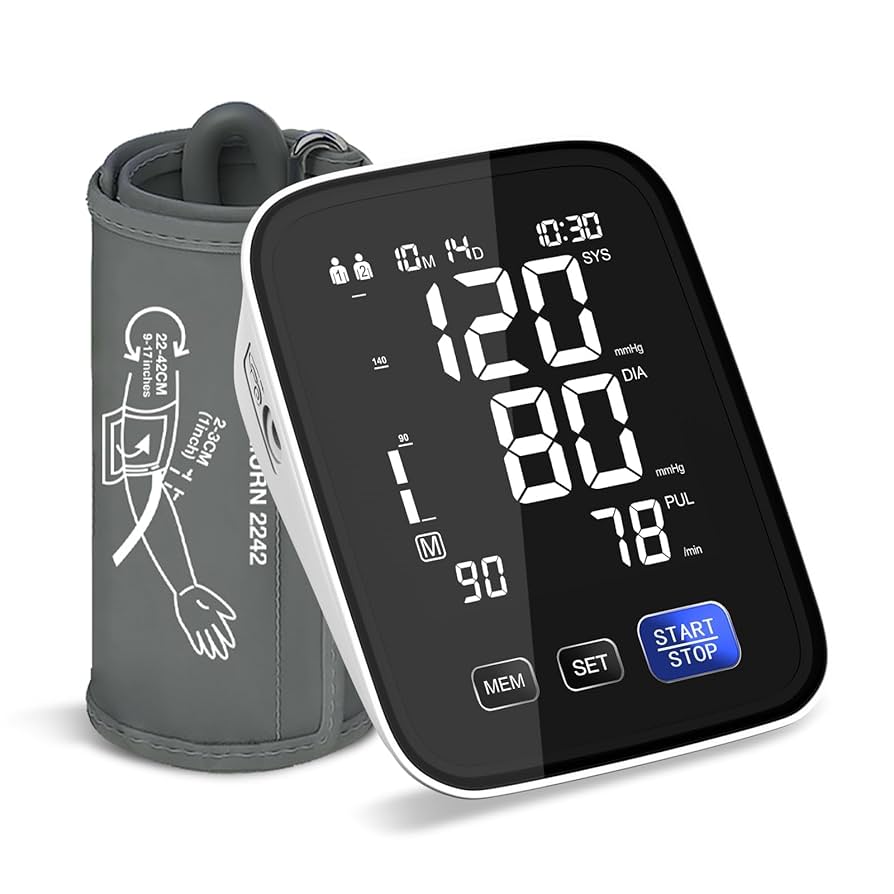
Are you considering buying a home electronic blood pressure monitor but unsure about their accuracy? You’re not alone.
With so many options on the market, it’s natural to wonder if these devices can truly provide reliable readings. After all, your health is important, and you want to make informed decisions. Imagine the peace of mind knowing that every measurement you take at home is as precise as the one you get from your doctor’s office.
This article will dive into the world of home blood pressure monitors, unraveling the facts and myths. By the end, you’ll have the knowledge to confidently choose the right device for your needs. Curious to find out more? Read on, and ensure your health is in safe hands.
How Blood Pressure Monitors Work
Understanding how home electronic blood pressure monitors work can help you trust the readings you get. These devices use technology to measure the force of your blood against the walls of your arteries. Knowing the basics can make you more confident in using them correctly and interpreting the results.
Types Of Home Monitors
There are mainly two types of home blood pressure monitors you will find:
- Upper Arm Monitors:These are the most common and generally more accurate. They wrap around your upper arm and use an inflatable cuff to measure pressure.
- Wrist Monitors:These are smaller and more portable but can be less reliable if not positioned correctly.
Many people prefer upper arm monitors because they tend to give more consistent results. However, if you travel frequently or have limited space, a wrist monitor might suit your lifestyle better.
Measurement Techniques
Blood pressure monitors measure two numbers: systolic (pressure when your heart beats) and diastolic (pressure when your heart rests between beats). The device inflates the cuff to temporarily stop blood flow, then slowly releases pressure while sensors detect blood flow vibrations.
This process uses oscillometric technology, which senses changes in the artery wall as the cuff deflates. Some monitors also use auscultatory methods with a stethoscope, but this is less common in home devices.
Have you ever noticed different readings on the same monitor at different times? This can happen if the cuff isn’t placed correctly or if you move during measurement. Make sure to sit still and keep your arm at heart level for the most accurate results.

Credit: www.amazon.ca
Factors Affecting Accuracy
Home electronic blood pressure monitors offer convenience, but their accuracy can vary. Many factors influence the readings you get. Understanding these factors helps ensure you get reliable results from your device.
User Error
Incorrect use is a common cause of inaccurate readings. Resting less than five minutes before measuring can raise numbers. Talking or moving during measurement affects results too. Placing the arm incorrectly or not following device instructions leads to errors. Always sit quietly and keep the arm still.
Device Calibration
Calibration ensures the device measures blood pressure correctly. Over time, monitors can lose accuracy if not checked. Some devices need professional calibration every year or two. Using an uncalibrated monitor may give false readings. Check the user manual for calibration guidelines.
Cuff Size And Placement
The cuff must fit your arm properly. Too small or too large cuffs cause incorrect readings. Place the cuff on bare skin, about an inch above the elbow. Wrap it snugly but not too tight. Incorrect placement or loose cuffs lead to false results.
Comparing Home Monitors To Clinical Devices
Home electronic blood pressure monitors offer a convenient way to keep track of your health from the comfort of your home. But how do their readings stack up against those from clinical devices used by healthcare professionals? Understanding the differences and the standards behind these devices can help you trust your home monitor and make better health decisions.
Differences In Readings
Home monitors and clinical devices often show slightly different blood pressure readings. Clinical devices usually use a manual method or high-grade automated equipment, which can be more precise under controlled conditions.
Home devices rely on oscillometric technology, which detects blood flow vibrations. This method can be affected by factors like arm movement, cuff placement, or even your body position.
Have you ever noticed your home monitor showing a reading that’s quite different from your doctor’s? This is common and doesn’t always mean your home device is faulty. Instead, it reflects the natural variability in how measurements are taken.
Clinical Validation Standards
Not all home blood pressure monitors are created equal. Look for devices that meet recognized clinical validation standards, such as those set by the Association for the Advancement of Medical Instrumentation (AAMI) or the British Hypertension Society (BHS).
These standards ensure the device has been tested against a clinical-grade monitor and provides reliable results. Before purchasing, check if the device carries a validation seal or certification.
Using a validated device gives you confidence that your home readings are meaningful. This makes it easier to spot trends and communicate accurately with your healthcare provider.
Common Issues With Home Monitors
Home electronic blood pressure monitors offer convenience but come with common issues. These problems can affect accuracy and reliability of readings. Understanding these issues helps users get better results. Two main areas often cause trouble: device malfunctions and environmental influences.
Device Malfunctions
Devices can fail due to low battery power or worn-out parts. Cuff problems like leaks or improper fit also cause errors. Faulty sensors inside the monitor may give wrong measurements. Regular maintenance and timely battery replacement reduce malfunctions. Some devices may need recalibration after long use. Always check the cuff and device for visible damage before use.
Environmental Influences
External factors affect monitor accuracy. Noisy or busy places can disrupt the reading process. Temperature changes may impact device sensors. Movement during measurement causes unstable results. Stress or talking during readings leads to higher numbers. Sitting incorrectly or crossing legs can also skew data. Choose a quiet, calm spot and sit still for the best results.
Tips For Reliable Readings
Getting reliable readings from a home electronic blood pressure monitor depends on a few key factors. These tips help ensure your measurements are accurate and consistent. Follow them closely for the best results.
Proper Usage Techniques
Use the monitor on a stable surface. Sit quietly for five minutes before measuring. Keep your back supported and feet flat on the floor. Place the cuff on your bare upper arm, not over clothing. Make sure the cuff fits snugly but not too tight. Keep your arm at heart level. Avoid talking or moving during the reading. Take multiple measurements and record the average.
Regular Calibration
Check your monitor’s accuracy regularly. Compare readings with those from your doctor’s office. Some devices need calibration every year or two. Follow the manufacturer’s instructions for calibration. If readings differ significantly, have the device serviced or replaced. Regular checks prevent incorrect health decisions.
Choosing The Right Monitor
Select a monitor validated by health authorities. Look for devices with clear, easy-to-read displays. Choose one with an appropriate cuff size for your arm. Automatic monitors with memory help track readings over time. Wrist monitors can be less accurate than upper arm models. Pick a model that suits your lifestyle and needs.

Credit: www.analyticsinsight.net
When To Consult A Healthcare Professional
Home electronic blood pressure monitors help track your health easily. They offer quick readings but may sometimes show unusual results. Knowing when to reach out to a healthcare professional is important for your safety and health. This step ensures that any potential issues receive proper attention and care.
Interpreting Irregular Results
Blood pressure readings can vary for many reasons. Sudden spikes or drops may not always reflect your true condition. Persistent irregular results need professional evaluation. A healthcare provider can check if the device works correctly or if other health factors affect your readings.
- Repeated unusual readings over several days
- Symptoms like dizziness, headache, or chest pain
- Differences between home and clinic measurements
Sharing your monitor’s readings with a doctor helps understand these irregularities better. They may suggest adjustments or alternative methods to measure blood pressure.
Confirming Diagnosis
Home monitors are not a substitute for medical diagnosis. Doctors use clinical equipment and tests to confirm high or low blood pressure. If your home readings suggest a problem, a professional check is necessary.
Healthcare professionals can:
- Perform multiple tests for accurate diagnosis
- Evaluate your overall health and risk factors
- Recommend treatment or lifestyle changes
Timely consultation helps prevent complications related to blood pressure issues. Trusting professional advice ensures your health stays on track.
Future Trends In Blood Pressure Monitoring
The future of blood pressure monitoring is shaping up to be more connected and personalized than ever before. Advances in technology are making it easier for you to track your health in real time, right from the comfort of your home. These innovations promise not only greater accuracy but also more convenience and deeper insights into your cardiovascular health.
Smart Devices
Smart blood pressure monitors are becoming more common in households. These devices sync with your smartphone or tablet, allowing you to store and analyze your readings over time. Imagine having your blood pressure data automatically organized in an app that can alert you or your doctor if something unusual appears.
Many smart monitors also offer features like reminders to check your pressure and tips based on your readings. This personal touch can help you stay consistent with monitoring and improve your overall health management. Have you ever missed a reading because you forgot? Smart devices are designed to solve that problem.
Wearable Technology
Wearable blood pressure monitors are moving beyond traditional cuffs. These devices, often in the form of watches or bands, provide continuous monitoring throughout your day. This means you can see how your blood pressure changes with different activities or stress levels.
Continuous data from wearables offers a clearer picture of your heart health than single, occasional readings. You might notice patterns you never realized before, like higher readings during stressful meetings or after meals. Wouldn’t it be helpful to have this kind of detailed insight to share with your healthcare provider?
As these technologies improve, they will likely become more affordable and user-friendly. This could make regular blood pressure monitoring a simple part of your daily routine, helping you and your doctor make better decisions about your health.

Credit: hingmedical.com
Frequently Asked Questions
Are Home Blood Pressure Monitors Reliable For Daily Use?
Home monitors provide reasonably accurate readings when used correctly. Regular calibration and proper cuff placement improve reliability. However, occasional comparison with clinical measurements is recommended for best results.
How Often Should I Calibrate My Home Blood Pressure Monitor?
Calibration every 1 to 2 years is ideal to ensure accuracy. Check the manufacturer’s guidelines for specific calibration schedules. Regular calibration prevents inaccurate readings due to device wear or drift.
Can User Error Affect Home Blood Pressure Monitor Accuracy?
Yes, improper cuff size, incorrect placement, and body position can cause errors. Follow instructions carefully for consistent, accurate readings. Avoid talking or moving during measurement for best results.
Are Digital Or Manual Blood Pressure Monitors More Accurate?
Both types can be accurate if used properly. Digital monitors are easier for home use but may vary slightly. Manual devices require skill but offer consistent results in clinical settings.
Conclusion
Home electronic blood pressure monitors can be accurate if used correctly. Always follow the instructions for the best results. Check your device regularly to ensure it works well. Comparing readings with your doctor helps confirm accuracy. Remember, these monitors give helpful information but do not replace medical advice.
Using them at home can support healthy habits and better blood pressure control. Trust your monitor, but stay aware of its limits. Simple care and regular checks make a big difference.
Leave a Reply