Have you ever wondered what makes a relay work inside your electronic devices? Understanding whether relays are electronic components can change the way you see circuits and gadgets around you.
This knowledge is not just for experts—it’s for you, whether you’re fixing something at home or diving into electronics as a hobby. Keep reading, and you’ll discover the truth about relays, how they fit into your electronic projects, and why this matters for your next big idea.
Credit: www.northyorkchrysler.ca
Basics Of Relays
Relays are essential in electronic circuits. They help control high power devices. Understanding their basics can make projects simpler and safer.
Relay Structure And Types
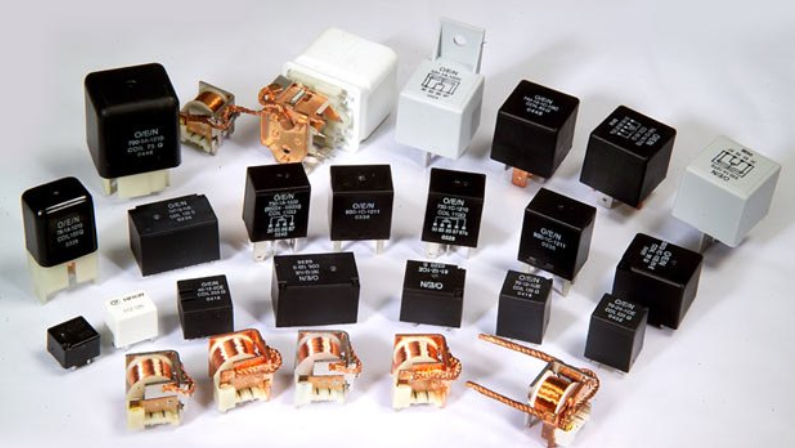
Relays have a simple structure. A coil, armature, and contacts form the main parts. The coil generates a magnetic field. The armature moves due to this field. Contacts open or close circuits.
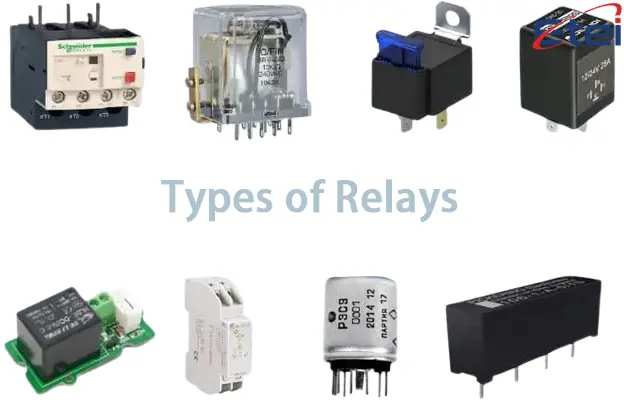
There are different relay types. Electromechanical relays are common. They use a physical switch. Solid-state relays use electronic parts, not moving parts. Reed relays have sealed contacts. They work well for small currents.
How Relays Work
A relay works by controlling a circuit. It uses a small current to manage a larger one. When the coil gets power, it creates a magnetic field. This field pulls the armature. The armature moves the contacts.
Contacts can be normally open or normally closed. Normally open contacts close when activated. Normally closed contacts open when activated. This allows for flexible control in circuits.
Credit: www.northyorkchrysler.ca
Key Electronic Components In Relays
Relays rely on several key electronic components to function effectively. Each part plays a specific role in controlling electrical circuits. Understanding these components helps grasp how relays operate in various devices.
Coils And Electromagnets
Coils create a magnetic field when electricity flows through them. This magnetic field activates the relay by moving other parts. Electromagnets inside the relay use this field to open or close switches.
The coil’s strength depends on the number of wire turns and current. More turns or higher current produce a stronger magnetic force. This force is essential for moving the relay’s armature.
Contacts And Switches
Contacts are the relay’s points that open or close the electrical circuit. They act like switches that control the flow of electricity. When the relay activates, contacts either connect or disconnect the circuit.
Contacts must be durable to handle high currents and frequent switching. Materials like silver or gold often coat them for better conductivity. Proper contact design prevents wear and ensures reliable operation.
Armature And Springs
The armature is a movable part that responds to the coil’s magnetic field. It moves to open or close contacts inside the relay. Springs help return the armature to its original position when power stops.
Springs balance the armature’s movement and provide tension. This ensures the relay switches quickly and returns correctly. Together, the armature and springs maintain smooth relay operation.
Role Of Relays In Electronic Circuits
Relays play a crucial role in electronic circuits by acting as electrically operated switches. They allow a low-power signal to control a higher power circuit without a direct electrical connection. This function is essential for protecting sensitive components and managing complex circuit operations efficiently.
Signal Isolation
Relays provide clear separation between the control circuit and the load circuit. This isolation prevents electrical noise or surges from damaging the control side. Have you ever wondered how your smartphone protects its delicate circuits from sudden voltage spikes? Relays are often part of that protective strategy.
By isolating signals, relays maintain the integrity of data transmission and reduce interference. This makes them indispensable in communication devices and industrial equipment.
Circuit Control
Relays let you control multiple circuits using a single signal source. This ability simplifies complex wiring and reduces the need for manual switches. Think about a home automation system: relays enable you to turn on lights, fans, or alarms remotely with just one command.
They also allow circuits to switch between different states quickly and reliably. This feature is vital in applications like automotive electronics and manufacturing machinery.
Load Management
Managing high-power loads is one of the strengths of relays. They can switch large currents on and off without the control circuit handling the heavy load directly. This means you can protect delicate control electronics while still powering devices like motors or heaters.
Relays also help distribute electrical loads efficiently, preventing overloads and improving system longevity. Have you checked if your home appliances use relays to handle their power needs safely?
Advantages Of Using Relays
Relays play a crucial role in electronic circuits, offering several advantages that enhance both performance and safety. Whether you are designing a simple home automation system or managing complex industrial machinery, understanding the benefits of using relays can help you make smarter choices. Let’s dive into what makes relays so valuable in various applications.
Electrical Isolation Benefits
One of the main advantages of using relays is their ability to provide electrical isolation between different parts of a circuit. This means the control side can operate at a low voltage while the switched side handles much higher voltages safely.
This separation protects sensitive components and users from high voltage shocks. Have you ever wondered how your low-voltage control switch can safely turn on a powerful motor? That’s the isolation relay provides.
Handling High Voltages And Currents
Relays can manage voltages and currents much higher than typical semiconductor switches. This ability makes them ideal for controlling motors, heaters, and other heavy loads without damaging the control circuitry.
In practical terms, a relay can switch a 240V, 15A load with ease, letting you control powerful devices using a small, safe input signal. If you’ve dealt with electronic switches that fail under high load, you’ll appreciate how relays solve this problem.
Reliability And Durability
Relays are known for their robust construction and long operational life. Mechanical relays can often withstand millions of switching cycles, and solid-state relays offer even greater durability with no moving parts.
This reliability means less downtime and fewer maintenance headaches. Have you experienced equipment failure because of a weak switch? Using relays can significantly reduce such risks by offering a dependable switching solution.
Common Relay Applications
Relays are essential in many electronic devices. They act as switches controlled by electricity. Their ability to handle high power and isolate circuits makes them useful in various fields. Below are some common applications of relays where they play a vital role.
Automotive Systems
Relays control many functions in cars. They help manage headlights, fuel pumps, and air conditioning systems. Using relays protects delicate control circuits from high current. This improves safety and reliability in vehicles.
Industrial Automation
Relays automate machines in factories. They switch motors, conveyors, and other heavy equipment on and off. This allows precise control over production lines. Relays also help protect machines from electrical faults.
Home Appliances
Many household devices use relays. Washing machines, refrigerators, and microwaves rely on relays to control power. Relays help these appliances operate smoothly and safely. They ensure electrical parts work without damage.
Troubleshooting Relay Issues
Relay issues can be frustrating, especially when your electronic components seem to fail without a clear reason. Troubleshooting these problems requires a sharp eye and a systematic approach. Understanding what to look for and how to test relays can save you time and prevent unnecessary replacements.
Identifying Faulty Components
Start by checking the relay’s physical condition. Look for signs like burn marks, corrosion, or a melted casing, which often point to internal damage.
Sometimes, the problem isn’t the relay itself but related components such as the coil or contacts. Pay attention to any unusual sounds like buzzing or clicking, as these can indicate electrical faults.
Have you noticed inconsistent device behavior? That’s a strong hint something inside the relay may be malfunctioning.
Testing Relay Performance
Use a multimeter to measure the coil resistance and contact continuity. A coil with infinite resistance usually means it’s broken.
Apply the rated voltage to the coil and listen for a click sound, indicating the relay is activating. If there’s no click, the relay might be dead or the coil isn’t receiving power.
Test the contacts to ensure they open and close properly under control signals. Faulty contacts can cause intermittent or complete failure in your circuit.
Maintenance Tips
- Keep relay terminals clean and free from dust and corrosion to maintain good electrical contact.
- Regularly inspect relays in high-vibration environments, as physical shocks can loosen connections.
- Replace relays that have exceeded their rated switching cycles to avoid unexpected failures.
Have you tried setting a routine checkup for your relays? Small maintenance steps can extend the life of your components significantly.
Future Trends In Relay Technology
The future of relay technology is shaping how electronic components work in various devices and systems. As demands grow for faster, smaller, and smarter solutions, relay technology evolves to meet these needs. Understanding these trends helps you stay ahead in choosing the right components for your projects.
Solid-state Relays
Solid-state relays (SSRs) are gaining popularity because they use semiconductor devices instead of mechanical parts. This design reduces wear and tear, making SSRs more reliable and faster in switching. If you need silent operation and longer lifespan in your applications, SSRs offer clear advantages.
Think about your devices that require frequent on/off switching. Using SSRs can improve their efficiency and reduce maintenance costs. Are you ready to replace traditional relays with these more durable options?
Miniaturization And Integration
Relays are becoming smaller and more integrated into other electronic components. This miniaturization helps save space, especially in compact devices like smartphones and wearable tech. It also allows for more complex circuits without increasing size.
Smaller relays mean your designs can be sleeker and more efficient. Have you considered how reducing component size could improve your device’s performance or user experience? The trend pushes you to rethink how you design circuits.
Smart Relay Systems
Smart relay systems combine relays with sensors and microcontrollers to enable intelligent control. These systems can monitor their own status, adjust operation based on conditions, and communicate with other devices. This adds a layer of automation and diagnostics that traditional relays lack.
Imagine your relay system alerting you before failure or optimizing power use automatically. How could smart relays change the way you maintain or control your electronics? Integrating intelligence into relays opens new possibilities for automation and safety.
Credit: www.northyorkchrysler.ca
Frequently Asked Questions
Are Relays Considered Electronic Components?
Yes, relays are electronic components used to control circuits. They act as electrically operated switches, enabling control over high-power devices with low-power signals.
How Do Relays Function In Electronic Circuits?
Relays function by using an electromagnet to open or close contacts. This allows them to control one circuit by switching another circuit on or off.
What Types Of Relays Are Used In Electronics?
Common types include electromagnetic, solid-state, and reed relays. Each type has specific applications based on switching speed, voltage, and current requirements.
Why Are Relays Important In Electronic Systems?
Relays provide electrical isolation and enable control of high-voltage circuits safely. They are essential for automation, protection, and switching in electronic devices.
Conclusion
Relays play a key role in many electronic systems today. They act like switches, controlling electrical circuits safely. While relays contain electronic parts, they mainly work with electrical signals. Understanding their function helps in choosing the right parts for projects.
Simple, reliable, and efficient—relays remain important in electronics. Knowing how they operate can improve your designs and repairs. So, relays are essential components connecting electrical and electronic worlds.
Leave a Reply