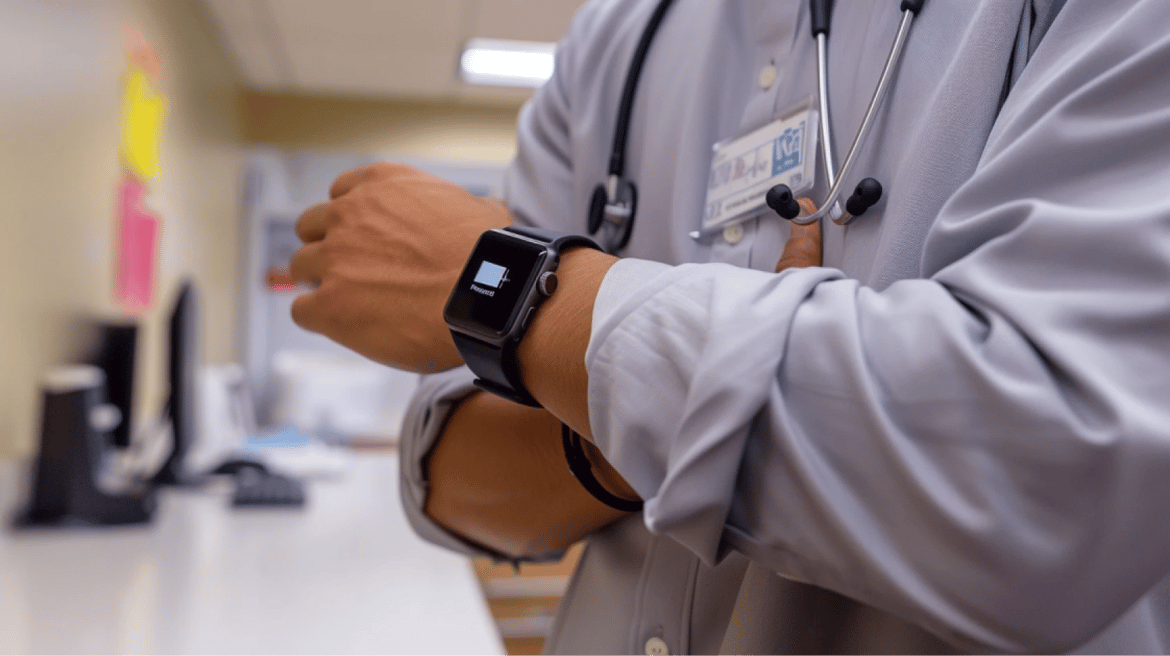
Imagine having all your medical records right on your wrist or clipped to your clothing. No more digging through files or waiting on doctors to find your history.
Wearable technology is changing the way you manage your health, making it easier and faster to access vital information whenever you need it. But can these devices really house your medical records safely and effectively? If you’ve ever wondered how wearable tech could put your health data at your fingertips, keep reading to discover the surprising truth and what it means for your future care.
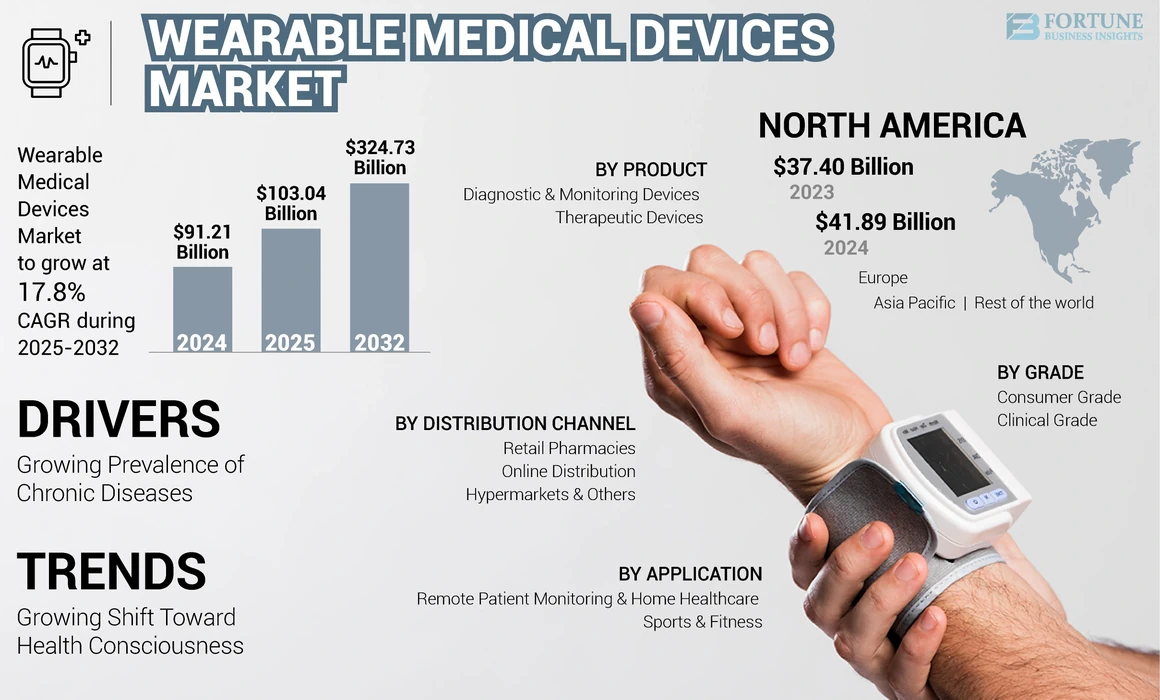
Credit: www.fortunebusinessinsights.com
Rise Of Wearable Tech
The rise of wearable technology has reshaped how we track and manage health. These devices are no longer just fitness trackers; they are becoming integral in storing and managing medical information. Imagine having your health records accessible right from your wrist—this is quickly becoming a reality.
Popular Devices Today
Wearable tech comes in many forms, each designed to fit different lifestyles and needs. Devices like the Apple Watch and Fitbit are common, offering heart rate monitoring, sleep tracking, and even ECG features. More specialized devices, such as continuous glucose monitors, provide critical data for people with chronic conditions.
These gadgets collect a wealth of health data daily, creating a detailed picture of your wellbeing. You might already use some without realizing how powerful their data can be for your health care. What if this data could be securely stored and shared with your doctor instantly?
Growth In Healthcare Use
Healthcare providers are increasingly using wearable devices to monitor patients remotely. This shift helps reduce hospital visits and catch health issues early. For example, patients with heart conditions can have their vital signs tracked in real time, alerting doctors to any irregularities immediately.
Wearables also support personalized treatment plans based on continuous data instead of occasional checkups. This means your health care can be more proactive and tailored to your actual needs. How could having your medical records linked to your wearable device change the way you manage your health?
Storing Medical Records
Storing medical records on wearable technology offers a new level of convenience and immediacy for managing your health data. Instead of digging through files or logging into separate systems, your vital information stays close at hand. But what exactly gets stored on these devices, and how is it kept safe and accessible?
Data Types Captured
Wearables collect a variety of health-related data that paint a detailed picture of your well-being. This includes basic information like heart rate, blood pressure, and sleep patterns. Some devices also capture glucose levels, oxygen saturation, and even ECG readings.
Beyond real-time vitals, many wearables store historical trends and alerts for irregularities. This means you can track changes over weeks or months, making it easier to spot potential issues early. Imagine having your daily step count alongside your medication schedule and allergy information—all in one place.
Storage Methods
Your medical data on wearables can be stored in several ways, each with its own benefits and risks. Some devices keep information locally, saving data directly on the wearable’s internal memory. This offers quick access but can be limited by storage capacity.
Cloud storage is another popular option. It allows you to back up your data securely online, making it accessible from multiple devices like your phone or doctor’s office. However, this raises questions about privacy and data security. How comfortable are you with your most sensitive health details being stored off-device?
Many wearables use encrypted storage to protect your information, whether locally or in the cloud. This means the data is scrambled so only authorized users can read it. Always check how your device handles encryption before trusting it with your medical records.
Benefits For Patients
Wearable technology that stores medical records offers clear benefits for patients. It makes health information easy to reach and helps manage conditions better. Patients gain more control and stay informed about their health.
Instant Access To Records
Wearables allow patients to have their medical data at hand anytime. This access speeds up emergency care and routine visits. Doctors see accurate history instantly, avoiding delays and errors.
Improved Monitoring
Devices track vital signs like heart rate and blood pressure continuously. They alert patients and doctors to unusual changes quickly. This ongoing monitoring helps catch problems early and adjust treatments fast.
Enhanced Patient Engagement
Wearables encourage patients to be active in their health management. They provide feedback and reminders for medication or appointments. Patients understand their condition better and follow care plans more closely.
Credit: www.bgosoftware.com
Challenges To Overcome
Wearable technology offers exciting possibilities for storing and managing your medical records, but several challenges stand in the way. These obstacles affect how safely and effectively your health data can be used and shared. Understanding these challenges helps you make better choices about using wearable devices for your health information.
Privacy And Security Risks
Your medical records contain sensitive information that needs strong protection. Wearable devices often connect to the internet, exposing your data to hackers and unauthorized access. You might think your health data is safe, but without robust encryption and secure storage, your privacy could be at risk.
Have you ever wondered how your data is protected when you sync your device? Many wearables lack clear security standards, leaving gaps that cybercriminals can exploit. You should always check if the device uses multi-factor authentication and secure transmission methods before trusting it with your records.
Data Accuracy Concerns
The value of wearable technology depends on the accuracy of the data it collects. Inaccurate readings can lead to wrong health assessments, which may affect your treatment decisions. For example, if a wearable misrecords your heart rate, it could trigger unnecessary alarms or overlook serious issues.
Remember, no device is perfect. Factors like improper fit, environmental interference, or outdated sensors can reduce accuracy. It’s important to cross-check wearable data with professional medical devices to ensure your health records reflect reality.
Integration With Healthcare Systems
Even if your wearable collects accurate and secure data, it must work well with healthcare providers’ systems. Many hospitals and clinics use different software that may not easily accept data from your device. This lack of compatibility can delay or prevent your medical records from being fully accessible to doctors.
Think about how frustrating it would be if your health information is scattered across apps and systems that don’t talk to each other. You want seamless sharing so your healthcare team gets a complete picture. Advocating for open standards and better integration can push the industry toward smoother data exchange.
Impact On Healthcare Providers
The integration of wearable technology into housing medical records is reshaping how healthcare providers deliver care. It influences not only the accuracy of patient information but also the speed and quality of medical decisions. This shift challenges providers to adapt while offering exciting opportunities to enhance patient outcomes.
Streamlined Patient Care
Wearables collect health data continuously, reducing the need for patients to recall past symptoms or treatments. This hands-off data capture means healthcare providers have a clearer, more complete picture right at their fingertips.
Imagine a doctor accessing your heart rate trends and medication adherence instantly during a consultation. This access helps avoid repeated tests and speeds up diagnosis, making your visits more effective.
Real-time Data Insights
Wearable devices provide real-time updates on your health status, alerting providers to any sudden changes. This immediate feedback can be crucial for managing chronic conditions or detecting emergencies early.
For example, a sudden spike in blood pressure recorded by your wearable can prompt timely intervention before a hospital visit becomes necessary. How could having this instant data change your experience as a patient?
Potential Workflow Changes
The influx of data from wearables may require healthcare providers to adjust their daily routines and priorities. They must learn to filter and interpret vast amounts of information quickly to avoid overload.
Healthcare teams might adopt new roles focused on data analysis or patient communication based on wearable insights. Are providers ready to balance technology with the personal touch that patients expect?

Credit: blog.stackademic.com
Future Trends
The future of wearable technology in managing medical records is both exciting and complex. As devices become smarter and more integrated into daily life, the way your health data is collected, stored, and used will change significantly. Understanding these trends can help you prepare for a more connected and personalized healthcare experience.
Advancements In Wearable Tech
Wearable devices are evolving beyond simple step counters and heart rate monitors. New sensors can track blood sugar levels, oxygen saturation, and even detect early signs of illness. Imagine your watch alerting you to potential health issues before you feel any symptoms—it’s becoming a reality.
Battery life and comfort are improving, making it easier to wear these devices continuously. This means more accurate and real-time data collection, which can be directly linked to your medical records. How would having up-to-the-minute health updates change your daily routine?
Ai And Data Analytics
Artificial intelligence is turning raw data from wearables into actionable insights. Algorithms can analyze patterns, predict risks, and recommend personalized health plans. This reduces the guesswork and helps doctors make quicker, more informed decisions.
Data analytics can also identify trends across populations, improving public health responses. However, you should ask yourself how comfortable you are with your personal health data being used this way. Transparency and control over your information are key concerns that need attention.
Regulatory Developments
Governments and health authorities are working on rules to ensure wearable data is secure and used ethically. New laws will focus on data privacy, consent, and interoperability between devices and healthcare systems. This means your wearable data will be better protected and easier to share with your healthcare provider.
Understanding these regulations can help you navigate the potential risks and benefits of wearable tech. Are you ready to take control of your health data and use it to improve your medical care?
Frequently Asked Questions
Can Wearable Devices Store Medical Records?
Yes, wearable devices can store medical records. They collect health data like heart rate and steps. This data can be synchronized with healthcare apps for record-keeping. With secure connections, some devices allow sharing with healthcare professionals. This enhances personalized care and timely interventions.
How Secure Are Medical Records On Wearables?
Medical records on wearables are generally secure. Manufacturers use encryption to protect data. Users should keep software updated for enhanced security. Always use strong passwords and enable two-factor authentication. Sharing data only with trusted applications and professionals ensures higher security.
What Types Of Data Do Wearables Collect?
Wearables collect various health metrics. Common data includes heart rate, steps, sleep patterns, and calories burned. Advanced devices can monitor blood oxygen levels and ECG. This data helps in tracking fitness progress and identifying health trends. It supports more informed healthcare decisions.
Can Wearables Improve Healthcare Management?
Yes, wearables can improve healthcare management. They provide real-time health monitoring and data collection. This enables timely interventions and personalized treatment plans. Wearables enhance patient engagement and adherence to medical advice. They bridge gaps between patients and healthcare providers, improving outcomes.
Conclusion
Wearable technology can store important medical records safely. It makes health information easy to carry and access. People can share data quickly with doctors when needed. Privacy and security remain key concerns to address. Devices must be simple to use for everyone.
As technology improves, more features will become available. This could help many people manage their health better. Small gadgets might change how we track medical history. The future of wearable health records looks promising and practical.
Leave a Reply