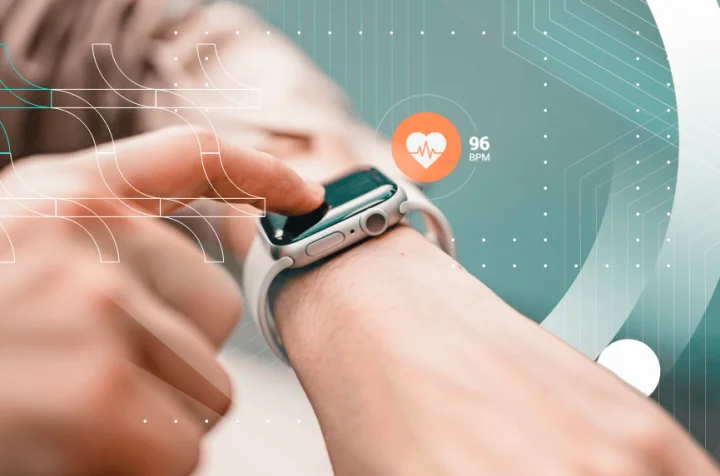
Have you ever wondered why some wearable devices catch on quickly while others fade away? What makes a smartwatch, fitness tracker, or smart glasses truly successful?
It’s not just about cool features or sleek designs. The secret lies in how well these gadgets fit into your daily life, solve real problems, and keep you coming back for more. You’ll discover the key factors that turn wearable technology from a simple gadget into an essential part of your routine.
Keep reading, and you might see your next wearable in a whole new light.
User Experience
User experience is the heart of wearable technology’s success. If the device isn’t comfortable, intuitive, and adaptable to your needs, you won’t want to use it regularly. The best wearables feel like a natural extension of yourself, blending seamlessly into daily life.
Design And Comfort
Comfort is non-negotiable for wearables. A bulky or heavy device quickly becomes a nuisance. Think about a smartwatch that fits snugly without pinching your wrist or a fitness tracker light enough to forget you’re wearing it.
Design also influences how often you use a device. Sleek, stylish wearables invite you to wear them out in public, while clunky gadgets might stay in a drawer. Have you ever stopped wearing a gadget just because it looked awkward or felt uncomfortable?
Ease Of Use
Wearables must be simple to operate. If you have to spend too much time learning how to navigate menus or charge the device, frustration will set in. Clear displays, responsive touchscreens, and quick syncing with your phone make a big difference.
Consider how many times you’ve abandoned a device because setting it up or using it felt like a chore. The smoother the experience, the more likely you are to keep it on and use its features daily.
Customization Options
Everyone’s needs differ, so customization is key. Being able to adjust notifications, choose what data you want tracked, or personalize the device’s appearance keeps you engaged. You feel more connected when a device adapts to your lifestyle, not the other way around.
Imagine a fitness tracker that lets you set your own goals or a smartwatch with interchangeable bands that match your outfit. How much more appealing would your wearable be if it reflected your personality and priorities?

Credit: medium.com
Technology And Features
Wearable technology blends smart features with compact design. The success of these devices depends heavily on the technology inside. Users expect seamless performance, accurate data, and ease of use. The core components that define this success are sensor accuracy, battery life, and connectivity. Each plays a critical role in user satisfaction and device reliability.
Sensor Accuracy
Sensors collect data about the body and environment. High accuracy means better health tracking and activity monitoring. Poor sensor performance leads to wrong information and frustrated users. Devices need sensors that measure heart rate, steps, sleep, and more precisely. Calibration and quality parts improve sensor reliability.
Battery Life
Long battery life keeps devices running throughout the day. Users avoid frequent charging hassles. Batteries should last several days with regular use. Power-saving features help extend battery time. Fast charging also adds convenience. A balance between size and capacity matters for comfort and performance.
Connectivity
Strong connectivity links wearables to smartphones and other devices. Bluetooth is the most common method. Stable connections ensure data syncs quickly and accurately. Some wearables support Wi-Fi or cellular networks for independence. Easy pairing and low latency improve the user experience. Reliable connections are essential for real-time updates and alerts.
Health And Fitness Integration
Wearable technology has become popular because it helps people stay healthy and active. Devices like smartwatches and fitness bands fit easily into daily life. They offer tools to track exercise, monitor health, and give advice based on personal data. This integration of health and fitness features makes wearables useful for many users.
Activity Tracking
Wearables track steps, distance, and calories burned. They encourage users to move more by setting goals. Some devices monitor specific exercises like running or cycling. This data helps users see progress and stay motivated.
Health Monitoring
Many wearables measure heart rate and sleep quality. They can detect irregular patterns and alert users to potential problems. Some devices track blood oxygen levels or stress indicators. This helps users understand their body better and take care of their health.
Personalized Insights
Wearables analyze collected data to give tailored advice. They suggest workout plans or rest days based on user activity. Insights can include tips to improve sleep or reduce stress. Personalized feedback makes health goals easier to reach.
Data Security And Privacy
Data security and privacy play a vital role in the success of wearable technology. Users share sensitive information, making protection essential. Trust builds only when devices handle data responsibly.
Strong security measures prevent unauthorized access and data breaches. Privacy policies must respect users’ rights and personal space. Clear communication about data use increases confidence in the technology.
Secure Data Storage
Wearables must store data safely using encryption. Encryption turns data into unreadable code for outsiders. Devices should update security protocols regularly to stay protected. Cloud storage also needs robust safeguards to prevent leaks.
User Consent
Users should control what data they share. Consent requests must be clear and simple to understand. Options to opt out or limit data sharing increase user comfort. Respecting consent builds a strong relationship between user and device.
Transparency
Wearable makers must explain how they collect and use data. Transparency includes clear privacy policies and easy access to information. Users feel secure when they know what happens with their data. Open communication reduces suspicion and raises trust levels.
Market Trends And Consumer Needs
Understanding market trends and consumer needs is essential for the success of wearable technology. The landscape is constantly shifting as new technologies emerge and user expectations evolve. Knowing who your product is for, what they can afford, and which brands they trust shapes every design and marketing choice.
Target Audience
Wearable tech appeals to a wide range of users, from fitness enthusiasts tracking every step to busy professionals managing their schedules. Identifying your core audience helps tailor features that truly matter. For example, a smartwatch designed for athletes might focus on heart rate monitoring and durability, while a fashion-conscious crowd values sleek design and customization.
Have you ever felt overwhelmed by too many features you don’t use? That’s a sign the product missed its target. Narrowing down the audience allows brands to deliver value without clutter.
Affordability
Price can make or break the success of wearable devices. Consumers expect technology to be accessible without compromising quality. Striking a balance between advanced features and cost is crucial.
Consider how affordable fitness trackers have opened the market to millions. On the other hand, premium models with exclusive functions attract users willing to invest more. Understanding your customer’s willingness to pay helps in setting the right price point.
Brand Trust
Trust in a brand influences purchase decisions more than many realize. Consumers want assurance that their data is secure and their device will perform reliably. Brands that consistently deliver quality and transparency build loyal followings.
Think about why you might choose one wearable brand over another. It’s often because you’ve had a positive experience or heard trustworthy recommendations. Investing in building this trust can turn first-time buyers into long-term advocates.

Credit: blog.stackademic.com
Software And App Ecosystem
The software and app ecosystem plays a vital role in the success of wearable technology. It connects devices to users through apps, making the experience useful and enjoyable. A strong ecosystem offers smooth operation, more features, and better user satisfaction.
Compatibility
Wearables must work well with many devices and platforms. Compatibility with different smartphones and operating systems is essential. It ensures users can easily pair and use their wearables without trouble. Broad compatibility increases the product’s reach and appeal.
Regular Updates
Keeping software updated is key to security and performance. Regular updates fix bugs and add new features. They keep the device running smoothly and safely. Users feel confident when their wearable stays current and improves over time.
Third-party Integrations
Supporting third-party apps expands a wearable’s functionality. It allows users to customize their experience with tools they like. Integration with popular services adds value and convenience. This openness creates a richer ecosystem and attracts more users.
Innovation And Adaptability
Innovation and adaptability are at the heart of what makes wearable technology truly successful. These devices must evolve quickly to meet changing user needs and new technological possibilities. Without constant innovation and a flexible design approach, wearables risk becoming obsolete or irrelevant in a fast-moving market.
Emerging Technologies
New technologies keep pushing the boundaries of what wearables can do. Sensors that track health metrics more accurately and AI that personalizes user experience are just a few examples. Have you noticed how your smartwatch now detects stress levels or even blood oxygen? That’s not coincidence; it’s innovation responding directly to your lifestyle.
Flexible Designs
Wearables succeed when they fit seamlessly into your daily life. This means designs that are comfortable, lightweight, and adaptable to various activities. Think about a fitness tracker that’s water-resistant enough for swimming yet stylish enough for a business meeting. Would you wear a device that felt bulky or awkward all day?
Future-proofing
Technology moves fast, so your wearable should be ready for tomorrow’s updates and features. Future-proofing means designing devices that can receive software upgrades or connect to new platforms without needing a complete replacement. How often do you want to throw away a gadget because it’s outdated? A future-proof wearable respects your investment and stays useful longer.
Credit: www.quytech.com
Frequently Asked Questions
What Defines Wearable Technology’s Success?
Wearable technology’s success is defined by user adoption, functionality, and innovation. It must offer practical benefits to users, enhancing everyday life. Continuous updates and improvements keep users engaged. Compatibility with other devices also plays a crucial role. Ultimately, it must meet users’ needs efficiently and conveniently.
How Do Wearables Enhance User Experience?
Wearables enhance user experience through seamless integration and personalized features. They provide real-time data, improving health and lifestyle. User-friendly interfaces make them easy to use. Notifications and alerts keep users informed. Their convenience and accessibility make them indispensable tools in daily life.
Why Is Design Important For Wearables?
Design is crucial for wearables as it affects usability and aesthetics. A sleek, comfortable design encourages regular use. Attractive designs increase appeal and marketability. Ergonomics ensure wearables are user-friendly and non-intrusive. Good design harmonizes functionality with style, enhancing user satisfaction and brand loyalty.
How Does Data Privacy Impact Wearables?
Data privacy is vital for wearables, ensuring user trust and security. Users share sensitive information, requiring robust protection. Transparency in data usage builds confidence. Compliance with privacy regulations is mandatory. Prioritizing privacy safeguards user data, fostering trust and widespread adoption.
Conclusion
Wearable technology succeeds by blending comfort, style, and function. Users want devices that fit well and look good. Easy-to-use features keep people coming back. Strong battery life and accurate data matter a lot. Technology must improve daily life, not complicate it.
Listening to user feedback helps brands grow. The future looks bright as wearables become smarter and simpler. Success depends on meeting real needs in a clear way. Simple, useful, and reliable – that’s what makes wearables work.
Leave a Reply