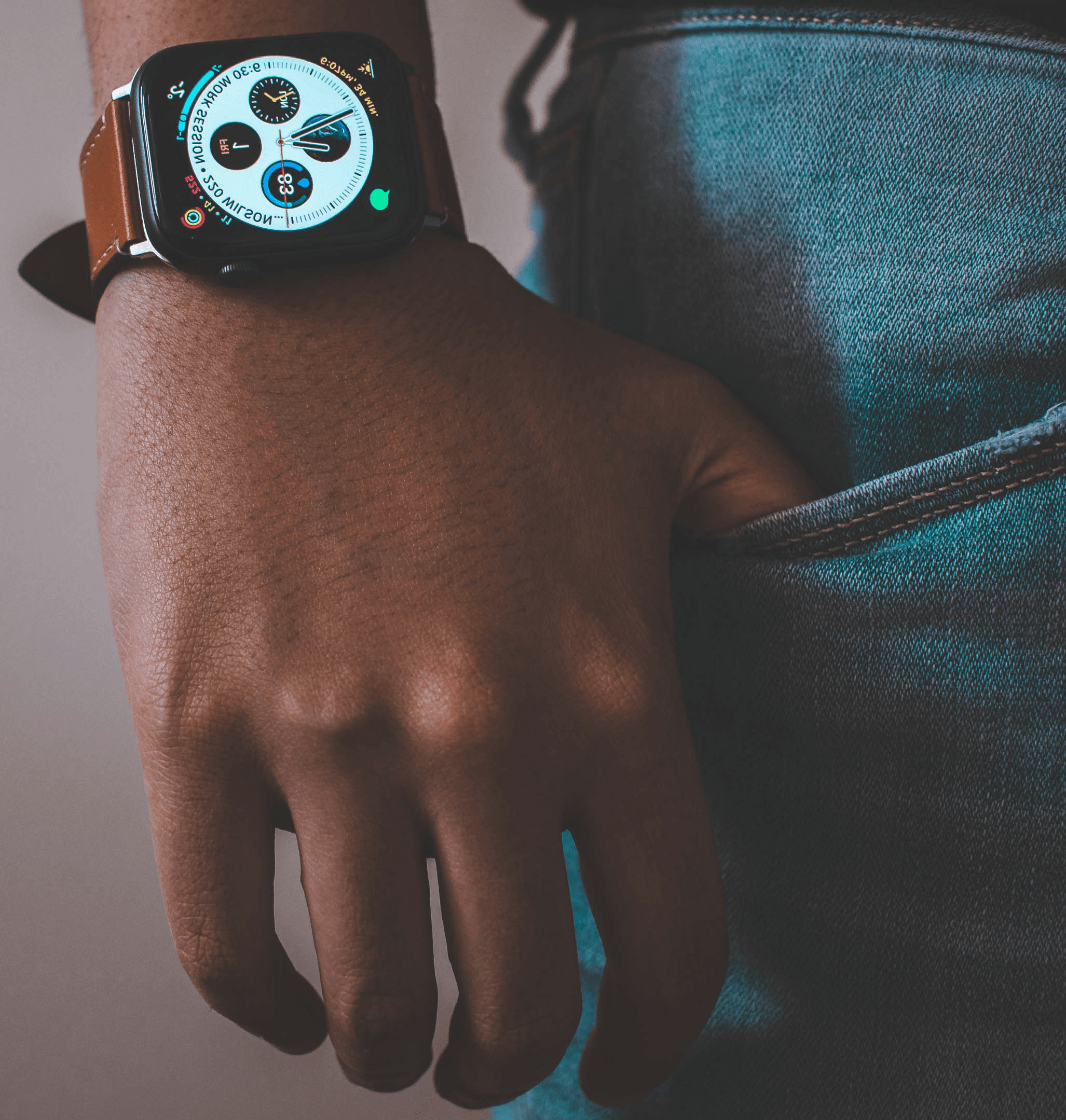
Have you ever wondered when wearable technology first made its debut? You might think it’s a recent invention, but the story goes back much further than you expect.
Understanding the origins of wearable tech can change the way you see the gadgets you use every day. If you want to discover how this exciting technology started and how it evolved into something that fits right on your wrist or body, keep reading.
This article will reveal the surprising history behind wearable technology and why it matters to you now.
Credit: medium.com
Early Concepts Of Wearables
Wearable technology might feel like a modern invention, but its roots stretch far back into human history. The idea of wearing devices that serve a purpose beyond decoration has been around for centuries. These early concepts laid the groundwork for the sophisticated gadgets you might strap on today.
Ancient And Historical Wearables
Long before smartwatches, people used wearable items for practical reasons. Ancient civilizations crafted jewelry and accessories that doubled as tools or status symbols. For example, the Egyptians wore amulets believed to have protective powers.
In other cases, wearable items carried cultural or functional significance. Native American tribes used intricate beadwork not just for beauty but to communicate identity and achievements. These early wearables show how humans have always sought to merge utility with personal expression.
First Mechanical Wearable Devices
The transition from decorative wearables to mechanical devices marked a major step. In the 16th century, mechanical watches became popular, worn as pendants or attached to clothing. These early timepieces introduced the concept of carrying complex technology on the body.
Later, in the 20th century, inventors began experimenting with devices like hearing aids and wearable calculators. These gadgets focused on enhancing daily life through technology you could wear. Have you ever stopped to think about how these early machines paved the way for the smart devices you use now?
Pioneering Electronic Wearables
Electronic wearables have a fascinating origin that goes beyond today’s smartwatches and fitness bands. These early devices set the stage for how technology could seamlessly integrate into daily life. Understanding their beginnings helps you appreciate the bold ideas that shaped the gadgets you now rely on.
Invention Of The First Wearable Computers
The first wearable computer was created in the 1960s by mathematician Edward Thorp and engineer Claude Shannon. They built a small device to predict roulette outcomes, hidden inside a shoe. This invention wasn’t about fitness or notifications—it was about gaining an edge through technology.
Imagine carrying a computer so discreetly that it changed how you approach a game or problem. This early wearable was bulky compared to today’s standards, yet it proved that computing power could be portable and personal.
Role Of Military And Research Institutions
Military and research institutions played a key role in advancing wearable technology. They needed hands-free devices for communication and data collection in complex environments. This demand led to developments like head-mounted displays and early biometric sensors.
These organizations invested in wearables to improve soldier safety and mission success. Have you ever thought about how many of your everyday gadgets started as military projects? Their focus on durability and reliability pushed wearable tech to new levels.
Commercial Emergence
The commercial emergence of wearable technology marked a turning point in how people interact with devices daily. This phase saw wearables transition from niche gadgets to mainstream consumer products. The appeal was clear: convenience, real-time data, and personal connectivity all wrapped around your wrist or clipped onto your clothing.
Early Consumer Wearable Devices
Early wearable devices were simple yet groundbreaking. In the 1980s and 1990s, digital watches with calculators and basic fitness functions became popular. These devices showed that technology could be both portable and practical, paving the way for more advanced wearables.
One memorable example is the Timex Data Link watch from the mid-1990s, which allowed users to transfer data from their computers to their watch. Although limited by today’s standards, it was a clear step toward integrating technology into everyday life.
Growth Of Fitness And Health Trackers
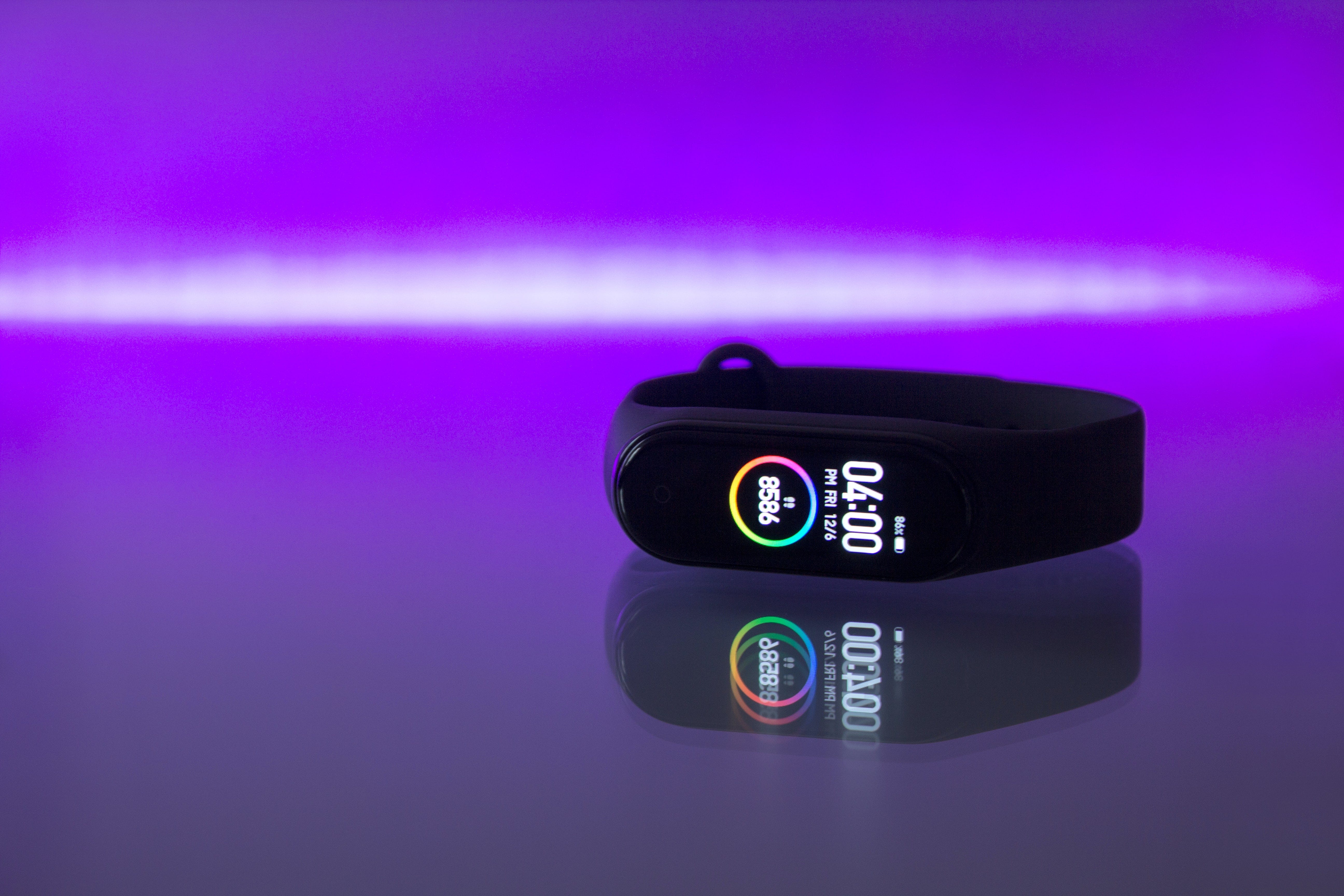
The real boom in wearable tech came with fitness and health trackers. Devices like Fitbit, launched in 2007, brought step counting, heart rate monitoring, and sleep tracking to the masses. Suddenly, people had a powerful tool to understand their health in real time.
Have you ever noticed how these trackers motivate you to move more or sleep better? They turn abstract health goals into measurable actions, helping users stay accountable. This practical benefit explains why fitness trackers became a staple for millions worldwide.

Credit: medium.com
Technological Advances Driving Wearables
Wearable technology has evolved rapidly, thanks to key technological advances that have made these devices more practical and appealing. These innovations have transformed bulky, limited gadgets into sleek, powerful tools you can wear every day. Understanding these advances helps you appreciate how wearables became integral to your lifestyle.
Miniaturization And Battery Improvements
One of the biggest challenges in early wearable tech was size. Bulky devices were uncomfortable and impractical for daily use. Advances in miniaturization allowed manufacturers to shrink components without sacrificing performance.
Battery technology also saw major improvements. Early wearables often required frequent charging or had short usage times. Today’s batteries last longer and charge faster, meaning you can focus on your activities without constantly worrying about power.
Have you ever noticed how your smartwatch fits seamlessly on your wrist yet packs so many features? That’s the result of these miniaturization and battery breakthroughs working together.
Integration With Smartphones And Iot
Wearables became truly useful when they started working well with smartphones and the Internet of Things (IoT). This integration allows your devices to share data, making your experience smarter and more connected.
For example, fitness trackers sync with apps on your phone to provide detailed health insights. Smartwatches can control your smart home devices, from lights to thermostats, giving you control with just a tap or voice command.
Think about how your wearable devices have changed the way you interact with technology daily. Isn’t it fascinating how they now act as extensions of your phone and home?
Key Innovators And Milestones
Wearable technology began as simple devices but grew into smart gadgets. Innovators pushed boundaries to create useful tools worn on the body. Each milestone marked progress in design, function, and user experience.
Key innovators combined technology and fashion to make wearables practical. Their work laid the foundation for today’s popular devices. These milestones shaped the wearable tech industry.
Notable Companies And Products
- IBM introduced the first wearable computer in the 1960s.
- Seiko launched the first wearable calculator watch in 1984.
- Fitbit began popularizing fitness trackers in 2009.
- Apple released the Apple Watch in 2015, blending tech and style.
- Garmin created GPS watches for outdoor activities.
- Google developed Google Glass as an early smart glasses prototype.
Breakthrough Moments In Wearable Tech
- 1961: The first wearable computer helped predict roulette outcomes.
- 1984: Introduction of digital wristwatches with calculator functions.
- 2000s: Rise of Bluetooth headsets for hands-free communication.
- 2013: Launch of fitness bands tracking heart rate and steps.
- 2015: Smartwatches combined notifications, apps, and health tracking.
- 2020s: Integration of AI and advanced sensors improved accuracy.

Credit: medium.com
Frequently Asked Questions
When Was Wearable Technology First Introduced?
Wearable technology traces back to the 1960s. One of the earliest examples was a device created by Edward Thorp and Claude Shannon to predict roulette outcomes. However, modern wearables like smartwatches and fitness trackers became mainstream in the 2000s, revolutionizing how we interact with technology.
What Is The History Of Wearable Technology?
Wearable technology began in the 1960s with rudimentary devices. In the 1980s, the calculator watch gained popularity. The 2000s saw a significant leap with advancements in smartwatches and fitness trackers, leading to today’s highly integrated wearables.
How Did Wearable Technology Evolve Over Time?
Wearable technology evolved from simple devices to complex smart gadgets. Early wearables focused on specific tasks. Today’s wearables integrate multiple functions, such as health monitoring, connectivity, and entertainment. The evolution reflects advancements in technology and changing consumer demands.
Why Did Wearable Technology Become Popular?
Wearable technology became popular due to its convenience and functionality. These devices offer health tracking, connectivity, and real-time information. The integration of smart features and sleek designs also contributed to their widespread adoption. They cater to tech-savvy consumers looking for efficiency and personalization.
Conclusion
Wearable technology started decades ago with simple devices. Over time, it grew into smart gadgets we use daily. These devices help track health, improve communication, and provide convenience. Understanding its history shows how far technology has come. Wearables continue to change how we live and work.
Expect more innovations in the near future. The journey of wearable tech is just beginning.
Leave a Reply