Are you ready to bring your wearable technology idea to life but don’t know where to find the right programmer? Finding skilled wearable technology programmers can feel overwhelming.
You need someone who understands both hardware and software, and can turn your vision into a smooth, working product. You’ll discover simple, proven steps to connect with the best talent. By the end, you’ll know exactly where to look and how to choose the perfect programmer for your project.
Keep reading—your wearable tech success starts here.

Credit: trio.dev
Wearable Tech Market Trends
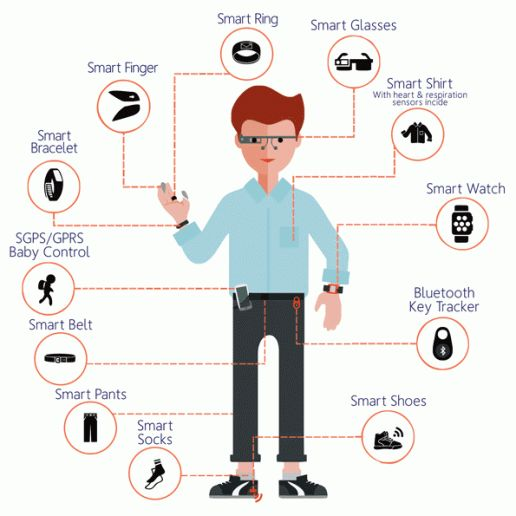
The wearable technology market is expanding rapidly. More people use devices that track health, fitness, and daily activities. This growth creates new chances for developers and programmers to build fresh, useful apps. Understanding market trends helps find the right skills and talents in wearable tech programming.
Growth And Opportunities
Wearable tech sales increase every year worldwide. Health monitoring, sports tracking, and smartwatches lead this rise. Companies invest in new features and better battery life. This creates many jobs for programmers who know wearable systems. Skills in app development and hardware integration are in demand. The market growth shows no signs of stopping soon.
Popular Devices And Platforms
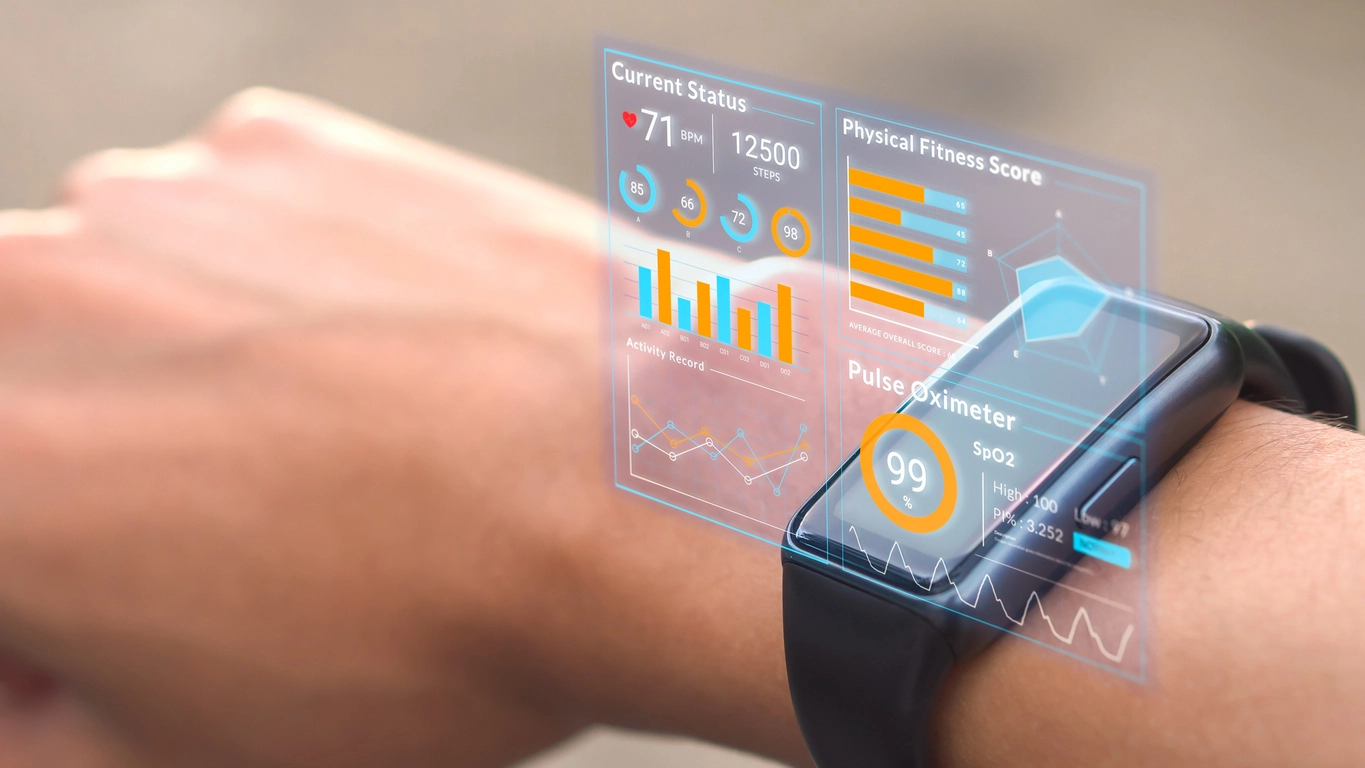
Smartwatches and fitness bands are the most common wearable devices. Brands like Apple, Fitbit, and Samsung dominate the market. Developers often work with platforms such as Wear OS, watchOS, and Tizen. These platforms support apps that track steps, heart rate, and sleep patterns. Familiarity with these systems helps programmers succeed in wearable tech projects.

Credit: ongraphtech.medium.com
Key Skills For Wearable Programmers
Finding a skilled wearable technology programmer means understanding the unique skills they bring to the table. These professionals need a blend of software knowledge, hardware know-how, and a keen eye for user experience. Let’s break down these essential skills so you can better evaluate and connect with the right talent for your wearable tech projects.
Programming Languages
Wearable programmers often work with languages tailored for embedded systems and mobile platforms. Proficiency in Cand C++is crucial since these languages allow direct hardware control and efficient performance. Additionally, knowledge of Javaor Kotlinis valuable for Android-based wearables, while Swiftis essential for Apple Watch development.
Have you considered how the choice of language affects the device’s battery life and responsiveness? Skilled programmers optimize code to run smoothly on limited resources, a critical factor in wearables.
Hardware Integration
Wearables rely on tight integration between software and hardware components like sensors, processors, and batteries. Programmers must understand how to interface with these elements using protocols such as I2C, SPI, or Bluetooth Low Energy.
They also troubleshoot real-time data transmission and sensor calibration issues. For example, aligning accelerometer data with the software’s activity tracking algorithms requires both coding skills and hardware insight.
User Experience Design
Beyond coding, wearable programmers need a solid grasp of user experience (UX) design. The small screens and limited input options on wearables demand intuitive interfaces that users can navigate effortlessly.
Programmers should collaborate closely with designers to create fluid interactions and clear feedback. Think about how frustrating it is to use a cluttered watch app—this pain point highlights why UX skills are non-negotiable.
Where To Find Wearable Developers
Finding skilled wearable technology developers can boost your project’s success. These experts understand the unique challenges of wearable devices. They create apps and software that work smoothly on small screens and limited hardware. Knowing where to find them helps you connect with the right talent quickly.
Wearable developers often gather in specific online and offline spaces. These places offer access to professionals with the right skills and experience. Explore these sources to find developers who fit your needs and budget.
Freelance Platforms
Freelance platforms host many wearable technology programmers. You can browse profiles, check ratings, and see past work. These platforms offer flexibility and a range of prices. Popular sites include Upwork, Freelancer, and Toptal. Use filters to find experts in wearable development.
Tech Communities And Forums
Tech communities and forums are great for finding wearable developers. Members share advice, projects, and job offers. Popular forums include Stack Overflow and Reddit’s wearable tech groups. Join discussions to spot active and knowledgeable developers. These spaces help you evaluate skills and enthusiasm.
Professional Networking Sites
Professional networking sites connect you directly with wearable developers. LinkedIn allows you to search by skills, location, and experience. You can view portfolios and endorsements. Sending personalized messages increases your chances of response. Use these sites to build long-term professional relationships.
Credit: linkitsoft.com
Evaluating Programmer Expertise
Evaluating the expertise of wearable technology programmers is vital to ensure project success. Their skills must align with the unique challenges of wearable devices. These devices require knowledge of hardware integration, software development, and user experience.
Assessing a programmer’s capabilities involves reviewing their past work, testing technical skills, and asking insightful questions. This process helps identify candidates who can deliver reliable and innovative solutions. Clear evaluation saves time and reduces project risks.
Portfolio Review
Examine the programmer’s portfolio carefully. Look for projects related to wearable technology or similar fields. Focus on:
- Types of devices they have worked on
- Technologies and programming languages used
- Project complexity and scale
- Design and functionality quality
A strong portfolio shows real experience and problem-solving ability. Avoid candidates with generic or unrelated samples.
Technical Assessments
Conduct technical tests to measure practical skills. These assessments can include coding challenges or hardware integration tasks. Key areas to test:
- Embedded system programming
- Sensor data handling
- Bluetooth and wireless communication
- Battery optimization techniques
Tests reveal how well the programmer applies their knowledge. Use real-world problems to simulate job tasks.
Interview Questions
Ask questions that uncover depth of understanding and problem-solving approach. Examples:
- How do you ensure data accuracy in sensor readings?
- Describe a challenge you faced in wearable device development.
- What methods do you use to optimize battery life?
- How do you handle connectivity issues in wearables?
Listen for clear, confident answers with practical examples. This helps gauge experience and communication skills.
Hiring Models For Wearable Projects
Choosing the right hiring model affects the success of wearable technology projects. Different models offer various benefits and challenges. Understanding these options helps to make smarter decisions that fit project needs and budgets.
Freelancers Vs Agencies
Freelancers offer flexibility and often lower costs. They work independently and can adapt quickly to changes. Ideal for small tasks or short-term projects.
Agencies provide a full team with diverse skills. They handle larger projects and offer ongoing support. Agencies usually bring experience from multiple wearable projects.
- Freelancers:Cost-effective, flexible, less control
- Agencies:Skilled teams, reliable, higher cost
In-house Vs Remote Teams
In-house teams work within the company. They offer direct communication and full control. Best for long-term projects needing close collaboration.
Remote teams work from different locations. They provide access to global talent and reduce office costs. Remote work requires strong management and clear communication tools.
| Aspect | In-house | Remote |
|---|---|---|
| Communication | Direct and immediate | Requires tools and planning |
| Cost | Higher due to salaries and space | Lower, saves office expenses |
| Talent Pool | Limited to local hiring | Global access to experts |
Cost Factors And Budgeting
Understanding the cost factors and budgeting is crucial when hiring wearable technology programmers. The price varies based on skills, experience, and project complexity. Setting a clear budget helps manage expenses and avoid surprises later. Knowing what affects costs supports better decision-making.
Pricing Models
Wearable technology programmers charge in different ways. Common pricing models include:
- Hourly rate:Payment based on hours worked. Good for flexible projects.
- Fixed price:A set amount for the entire project. Best for clear, well-defined tasks.
- Retainer:Regular monthly payment for ongoing work. Useful for long-term support.
Choosing the right model depends on your project needs and control over the budget. Hourly can vary, fixed price offers certainty, and retainer ensures continuous service.
Hidden Costs To Consider
Project costs extend beyond programmer fees. Hidden expenses may include:
- Software licenses:Tools needed for development.
- Hardware:Devices for testing wearable apps.
- Maintenance:Updates and bug fixes after launch.
- Communication:Costs for meetings and coordination.
- Training:Time and resources to learn new tech.
Planning for these costs avoids budget shortfalls. Always ask for a detailed quote to cover all expenses.
Legal And Security Considerations
When hiring wearable technology programmers, legal and security issues must be on your radar. These concerns can make or break your project’s success and protect your investment. Understanding what to watch for helps you avoid costly pitfalls and keeps your product safe in a competitive market.
Intellectual Property
Protecting your intellectual property (IP) is crucial when working with wearable technology programmers. Make sure you have clear contracts that specify who owns the code, designs, and any inventions created during development.
Without proper agreements, you risk losing control over your ideas or facing disputes later. Ask programmers about their previous projects and how IP rights were handled. This can give you insight into their professionalism and respect for ownership.
Think about including non-disclosure agreements (NDAs) to keep your concepts confidential. Have you ever wondered how some startups safeguard their innovations so tightly? NDAs are a simple but powerful tool.
Data Privacy
Wearable devices collect a lot of sensitive user data, so data privacy is a top priority. Programmers must follow strict data protection laws relevant to your market, like GDPR in Europe or CCPA in California.
Check that your developers use encryption and secure storage methods to protect user data. Ask about their experience handling personal information and whether they implement privacy-by-design principles.
Remember, a data breach can damage your brand and lead to hefty fines. What measures will you insist on to keep your users’ data safe? Clear communication and setting privacy expectations upfront can save you headaches later.
Onboarding And Collaboration Tips
Onboarding and collaboration are key to working with wearable technology programmers. Clear processes help teams start fast and stay aligned. Good collaboration leads to better results and fewer misunderstandings.
Effective Communication
Clear communication builds trust and avoids confusion. Use simple language to explain goals and tasks. Regular check-ins keep everyone updated on progress and challenges.
- Set clear expectations from the start
- Encourage open questions and feedback
- Use visual aids like diagrams or flowcharts
- Agree on communication channels (email, chat, video calls)
Always confirm key points to ensure understanding. Clear messages save time and improve work quality.
Project Management Tools
Project management tools organize tasks and track progress easily. Choose tools that fit your team’s size and needs. These tools improve transparency and accountability.
- Assign tasks and deadlines clearly
- Share documents and code in one place
- Track bugs and feature requests efficiently
- Use dashboards to monitor project status
Popular tools include Trello, Asana, and Jira. Proper use of these tools helps programmers deliver on time.
Frequently Asked Questions
How Can I Find Wearable Technology Programmers?
To find wearable technology programmers, start by searching freelance platforms like Upwork or Freelancer. You can also explore tech-specific job boards. Networking through LinkedIn and attending industry conferences can help too. Ensure to check their portfolio and reviews to gauge expertise.
What Skills Should Wearable Tech Programmers Have?
Wearable tech programmers should possess skills in embedded systems, IoT, and mobile app development. Proficiency in languages like C++, Python, and Java is crucial. Familiarity with hardware integration and user experience design is also important. Ensure they understand the specific needs of wearable technology.
Where Can I Hire Wearable Technology Developers?
You can hire wearable technology developers on platforms like Toptal, Hired, and Stack Overflow Jobs. These platforms connect you with skilled professionals. Consider reaching out to tech communities and forums for recommendations. Local tech meetups can also be a great resource for finding developers.
How Much Does Hiring A Wearable Tech Programmer Cost?
The cost of hiring a wearable tech programmer varies widely. Factors include experience, project complexity, and location. On average, rates can range from $50 to $150 per hour. Freelancers might offer lower rates, while agencies could charge more. Always request a detailed quote before proceeding.
Conclusion
Finding the right wearable technology programmers takes time and effort. Start by researching skills and experience carefully. Check portfolios and reviews to know their work quality. Clear communication helps avoid misunderstandings during projects. Trust builds with small tasks before bigger jobs.
Keep your goals clear and realistic for best results. Good programmers bring ideas to life smoothly. Stay patient and choose wisely for lasting success. The right team makes all the difference.
Leave a Reply