Have you ever wondered how the tiny screens on your wrist or smart glasses change the way websites look and work? Wearable technology is reshaping the way you interact with the web.
This means web design isn’t just about computers or phones anymore—it’s about creating experiences that fit right on your wearable devices. If you want to make sure your website stays modern and user-friendly, understanding this shift is key. Keep reading to discover how wearable tech is influencing web design and what it means for you.
Credit: journalofcloudcomputing.springeropen.com
Rise Of Wearable Devices
The rise of wearable devices is reshaping how we interact with technology every day. These gadgets are no longer just fitness trackers or smartwatches; they have become an essential part of our digital lifestyle. As these devices multiply, they demand new approaches to web design that keep user experience seamless and intuitive across various screens and functionalities.
Popular Types Of Wearables
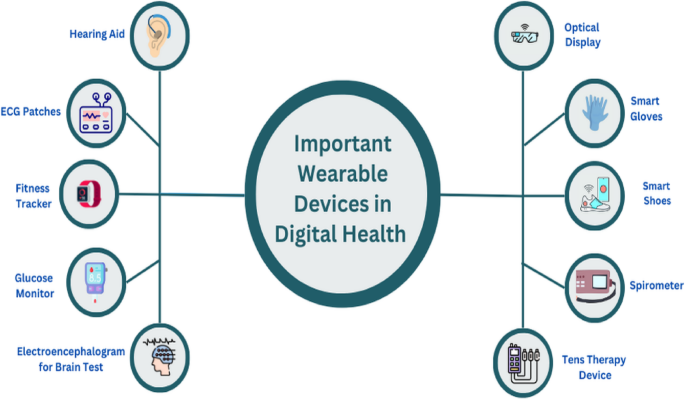
Wearable technology comes in many forms, each serving different needs and preferences. Some of the most common types include:
- Smartwatches:These provide notifications, fitness tracking, and quick access to apps right on your wrist.
- Fitness Bands:Focused on health metrics like heart rate, steps, and sleep quality.
- Smart Glasses:Offering heads-up displays and hands-free information access.
- Wearable Cameras:Used for capturing moments from a first-person perspective.
- Health Monitors:Devices that track vital signs for medical purposes.
Each type brings unique challenges for web designers, especially when it comes to screen size, interaction methods, and real-time data display.
Growth In Wearable Usage
Wearable devices have seen rapid adoption worldwide, with millions of users relying on them daily. This growth pushes web designers to rethink how websites and apps function on smaller, often touch-based, or voice-activated screens.
Think about how you check notifications or respond to messages on your smartwatch. That quick interaction demands a different design mindset than desktop browsing. Are your websites optimized for these micro-moments? This question is crucial as wearables continue to blend into our routines.
Designers must focus on simplicity, speed, and relevance to keep users engaged without overwhelming them. This shift affects everything from navigation to content prioritization, making wearable-friendly design a necessity rather than an option.

Credit: medium.com
Impact On User Experience
Wearable technology is changing how users interact with digital content, and web design must adapt to these changes to maintain a smooth user experience. The smaller screens and on-the-go nature of wearables push designers to rethink traditional layouts and interactions. This shift directly impacts how you experience websites, making usability more critical than ever.
Shift To Minimalist Interfaces
Wearables often have limited screen space, so cluttered designs don’t work well. Minimalist interfaces help by focusing only on essential elements and removing distractions. When I tested a fitness tracker app, its simple design made navigation quick and intuitive, proving less really is more.
To improve your web design for wearables, prioritize:
- Clear icons instead of text-heavy menus
- Large touch targets for easy interaction
- Simple color schemes that reduce eye strain
Importance Of Real-time Feedback
Wearables often support quick interactions, like checking notifications or tracking activity. Real-time feedback keeps users informed without making them wait or guess. Have you ever tapped a button and wondered if it worked? Immediate visual or haptic responses solve this problem.
Effective feedback can include:
- Subtle vibrations confirming actions
- Instant visual cues like loading bars or checkmarks
- Audio signals when appropriate
Personalization And Context Awareness
Wearable devices gather data about your environment and habits, allowing web experiences to adjust accordingly. Imagine a weather site that automatically shows you relevant info based on your location and time of day. This level of personalization makes websites feel more helpful and less generic.
To enhance your design, consider:
- Using location data to tailor content
- Adapting brightness and contrast for different lighting conditions
- Offering customizable settings that respect user preferences
Design Challenges For Wearables
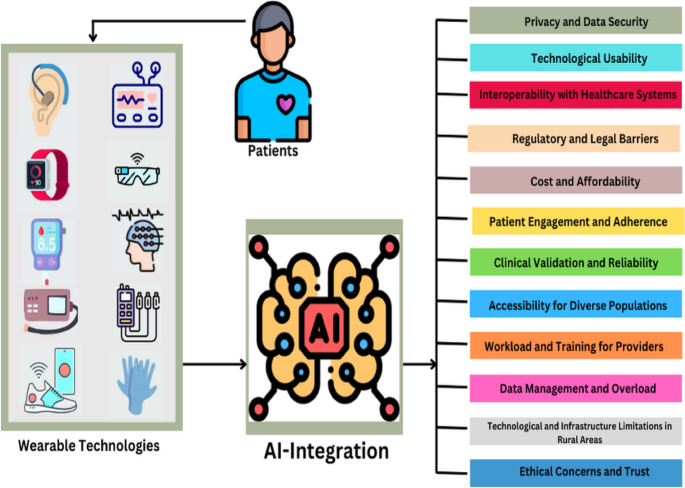
Designing for wearable devices presents unique challenges. These challenges affect how websites and apps function and look. Designers must rethink layouts, controls, and content presentation. The constraints of wearables push creativity and technical skills. Understanding these hurdles helps create better experiences on small devices.
Limited Screen Size
Wearable screens are very small compared to phones or computers. This limits how much information fits on the display. Designers must prioritize essential content and keep interfaces simple. Text should be large enough to read easily. Navigation needs to be intuitive and minimal. Overcrowded screens confuse users and reduce usability.
Battery And Performance Constraints
Wearables have smaller batteries and less powerful processors. Heavy graphics and complex animations drain battery quickly. Websites and apps must be lightweight and fast. Optimized images and minimal code improve performance. Smooth interactions enhance user satisfaction without wasting power. Designers balance visual appeal with energy efficiency.
Accessibility Considerations
Accessibility remains crucial on wearables despite their size. Touch targets must be large enough for all users. Voice commands and haptic feedback improve accessibility. High contrast and readable fonts help users with vision issues. Designers must test with diverse users to ensure inclusivity. Accessible wearables provide better experiences for everyone.
Responsive Web Design For Wearables
Responsive web design for wearables demands a fresh approach to layout, interaction, and compatibility. These devices have smaller screens and unique ways users interact with them. Designing for wearables means making sure your site looks good and works smoothly, no matter the device size or input method.
Adaptive Layouts
Adaptive layouts adjust content based on the screen size and orientation of the wearable device. Instead of squeezing a desktop design into a tiny screen, the layout changes to fit naturally.
You might hide non-essential elements or rearrange menus to keep navigation simple. Think about a smartwatch: you want quick access to key info, not a cluttered page. Testing different layouts on actual devices helps you find what works best.
Touch And Gesture Optimization
Wearables rely heavily on touch and gestures, so your design must respond well to taps, swipes, and even voice commands. Buttons need to be large enough to tap easily without errors.
Consider spacing and feedback. If your buttons are too small or too close, users will get frustrated quickly. Adding subtle animations or vibrations can confirm actions, enhancing the user experience.
Cross-device Compatibility
Your design should provide a seamless experience whether users switch from a phone to a wearable or vice versa. This means syncing data and ensuring consistent navigation across devices.
Think about how notifications appear on a smartwatch compared to a smartphone. The information should be concise on the wearable but detailed on larger screens. Testing your site across multiple devices uncovers issues you might not notice otherwise.
Emerging Ux Trends Driven By Wearables
Wearable technology shapes user experience in unique ways. It pushes designers to rethink interactions beyond traditional screens. These devices demand new UX trends to keep users engaged and comfortable.
Designers now focus on seamless, intuitive experiences that fit small, wearable screens. The rise of wearables drives innovation in how users interact with content and services.
Voice And Audio Interfaces
Wearables often lack large screens, making voice commands essential. Users prefer speaking to typing on tiny devices. Audio feedback helps confirm actions quickly without looking.
Designers create clear voice prompts and easy-to-understand audio cues. This hands-free interaction suits active users and enhances accessibility.
Augmented Reality Integration
Some wearables include AR features, blending digital with real-world views. This opens new UX possibilities for interactive overlays and immersive content. Designers use AR to deliver context-sensitive information directly in sight.
UX must balance usefulness with minimal distraction. Simple, clear visuals improve user focus and safety.
Data-driven Personalization
Wearables collect rich user data like health, location, and habits. This data allows websites to tailor content and interfaces to individual needs. Personalized experiences increase engagement and satisfaction.
Designers use analytics to adjust layouts, notifications, and offers. Privacy and transparency remain key concerns in data use.
Future Directions In Web Design
The future of web design is closely tied to the rise of wearable technology. As more people use smartwatches, fitness bands, and AR glasses, your web designs must adapt to these new screens and interaction styles. This shift challenges you to think beyond traditional layouts and create experiences that flow naturally across multiple devices.
Seamless Device Ecosystems
Your website should work flawlessly whether accessed on a phone, smartwatch, or smart glasses. Users expect their data and preferences to sync instantly across all devices.
Designers will need to focus on creating responsive designs that adjust not just in size but in functionality. Imagine checking your health stats on a smartwatch and then diving deeper into the data on your laptop without losing context. That’s the kind of seamless ecosystem users want.
Ai-powered User Interactions
Artificial intelligence will play a bigger role in personalizing web experiences, especially for wearables with limited screen space.
Think about voice commands, gesture controls, or predictive content that adapts to your daily habits. AI can help anticipate what you need, making interactions faster and more intuitive. How could your designs use AI to reduce user effort and increase satisfaction?
Privacy And Security Focus
Wearable devices collect sensitive personal data, so your web design must prioritize security and privacy.
Clear communication about data use and easy-to-manage privacy settings will build user trust. You should design interfaces that make it simple for users to control their information on any device, especially wearables that operate in public spaces.
Credit: journalofcloudcomputing.springeropen.com
Frequently Asked Questions
What Is Wearable Technology In Web Design?
Wearable technology in web design refers to creating interfaces for devices like smartwatches. Designers must consider smaller screens and unique interactions. This requires optimizing layouts, visuals, and user experiences for wearable devices. The goal is to ensure usability and functionality on these compact devices.
How Does Wearable Tech Influence User Experience?
Wearable tech influences user experience by demanding intuitive interfaces. Designers must focus on simplicity and efficiency for quick interactions. The design should enhance user engagement while minimizing complexity. This ensures seamless and satisfying experiences tailored to wearable devices’ unique functionalities.
Why Is Responsive Design Crucial For Wearables?
Responsive design is crucial for wearables to ensure compatibility across various screen sizes. It allows content to adapt seamlessly, providing optimal viewing experiences. Designers must prioritize fluid layouts and flexible elements. This ensures usability and accessibility on different wearable devices, enhancing user satisfaction.
How Do Wearables Impact Web Design Trends?
Wearables impact web design trends by pushing for minimalist and efficient designs. Designers focus on clear visuals and straightforward navigation. The emphasis is on delivering essential information quickly. This trend influences broader web design practices, encouraging simplicity and user-centric approaches.
Conclusion
Wearable technology changes how designers create websites. Designs must fit small screens and quick interactions. Speed and simplicity become very important. Websites need to work well on many devices. User experience must be smooth and clear. Designers focus more on easy navigation and readable text.
This technology pushes web design to be smarter and faster. It shapes the future of online experiences. Embracing these changes helps websites stay useful and user-friendly. Web design will keep evolving with wearable tech growth.
Leave a Reply