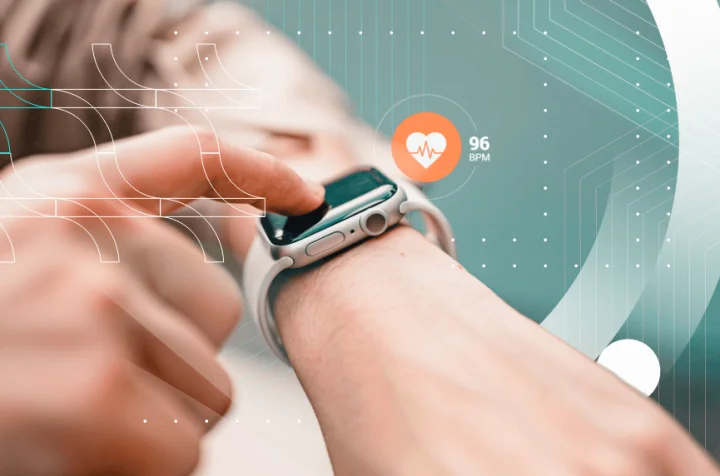
Have you ever wondered what wearable technology really means and how it fits into your daily life? Whether you’re tracking your steps, monitoring your heart rate, or even getting notifications right on your wrist, wearable tech is changing the way you connect with the world.
But it’s more than just gadgets—it’s about making your life easier, healthier, and more connected. Keep reading to discover what wearable technology truly is and how it can work for you.
Wearable Technology Basics
Wearable technology has become a part of everyday life for many people. It blends technology with clothing or accessories you wear, making it both functional and convenient. Understanding the basics helps you appreciate how these devices work and how they can improve your daily routine.
Types Of Wearable Devices
Wearable devices come in many shapes and sizes, each designed for specific uses. Some are familiar, like smartwatches that track your fitness and show notifications. Others, like smart glasses or health monitors, offer unique features that might surprise you.
- Fitness Trackers:Devices that monitor your physical activity, heart rate, and sleep patterns.
- Smartwatches:Combine fitness tracking with smartphone features like calls, messages, and apps.
- Smart Glasses:Provide hands-free information or augmented reality experiences.
- Medical Wearables:Monitor health conditions such as glucose levels or heart rhythms continuously.
- Wearable Cameras:Capture photos or videos from your perspective without using your hands.
Think about what you want from a wearable device. Is it health tracking, convenience, or entertainment? Your needs guide your choice.
Core Components And Sensors
Wearables rely on small but powerful parts to gather data and communicate with your devices. Sensors play a key role, collecting information about your movements and body signals. These sensors turn everyday actions into valuable insights.
| Component | Function | Example |
|---|---|---|
| Accelerometer | Measures movement and acceleration | Tracks steps and physical activity |
| Gyroscope | Detects orientation and rotation | Helps with navigation and gesture control |
| Heart Rate Sensor | Monitors your pulse rate | Provides data for fitness and health apps |
| GPS | Tracks location and speed | Useful for outdoor activities like running or cycling |
| Temperature Sensor | Measures body or environmental temperature | Can detect fever or help adjust device settings |
Have you noticed how your smartwatch alerts you when your heart rate spikes during a workout? That’s the sensor working quietly in the background. Knowing these components helps you understand what your device can do and how it supports your goals.

Credit: blog.stackademic.com
Evolution Of Wearables
Wearable technology has come a long way from simple gadgets to smart devices that seamlessly fit into your daily life. Understanding its evolution helps you appreciate how these devices became so personal and useful. Let’s look at the key milestones that shaped the wearables you know today.
Early Innovations
The first wearable devices were basic but paved the way for future advancements. Think of the wristwatch—it was one of the earliest forms of wearable tech, helping people track time without carrying a pocket watch.
In the 1960s, wearable computers emerged, but they were bulky and limited in function. A notable example is the “calculator watch,” which combined timekeeping with simple calculations.
These early devices showed how technology could be worn, but they lacked the smart features you expect now. Can you imagine wearing something that only told time or did basic math?
Recent Breakthroughs
Today’s wearables are much smarter, combining sensors, connectivity, and AI to offer health tracking, notifications, and more. Devices like fitness trackers and smartwatches monitor your heart rate, steps, sleep, and even stress levels.
Some advanced wearables now include smart glasses and rings, expanding how you interact with technology without using your hands. For example, smart rings can alert you to calls or messages discreetly.
These breakthroughs turn wearables into extensions of your body and mind. What new features would you want your wearable to have to make your life easier?
Key Applications
Wearable technology is more than just a cool gadget on your wrist or clipped to your clothing. It plays a vital role in various parts of daily life, making tasks easier and often more fun. Understanding its key applications helps you see how these devices can fit into your routine and improve your lifestyle.
Health And Fitness
Wearables help you track your health in real time. Devices like fitness bands and smartwatches monitor your heart rate, steps, sleep patterns, and calories burned. They give you instant feedback, pushing you to stay active and meet your fitness goals.
Imagine getting a notification that your heart rate is unusually high during a walk. This quick insight can prompt you to take a break or consult a doctor. How often do you check your health stats throughout the day?
Communication And Connectivity
Wearables keep you connected without pulling out your phone. Smartwatches let you read messages, answer calls, and get notifications right on your wrist. This can be especially handy when your hands are busy or when you want to stay discreet in meetings.
Think about the last time you missed an important call because your phone was out of reach. Could wearable tech have helped you stay in the loop?
Entertainment And Gaming
Wearable tech offers new ways to enjoy games and media. Virtual reality (VR) headsets immerse you in different worlds, while augmented reality (AR) glasses add digital layers to what you see around you. These devices change how you interact with games and entertainment content.
Have you tried a fitness game that uses motion sensors? It makes exercising feel like play, turning a workout into a fun challenge.
Workplace And Productivity
In professional settings, wearables can boost your productivity. Smart glasses display information hands-free, which is useful for workers who need quick access to data without stopping their tasks. Some wearables help track time, manage schedules, or even monitor stress levels during busy days.
Ask yourself if your current tools help you stay focused or if they slow you down. Could a wearable device be the edge you need to work smarter?
Technological Drivers
Understanding what drives wearable technology helps you see why these devices have become so smart and useful. Several key technological advances allow wearables to offer features that fit seamlessly into your daily life. These drivers shape how wearable devices track your health, connect with other gadgets, and last throughout the day.
Advances In Ai And Machine Learning
Artificial intelligence and machine learning allow wearables to learn from your habits and provide personalized insights. Instead of just collecting data, these devices predict your needs, such as adjusting workout plans or alerting you to health risks. Have you noticed how your smartwatch now suggests rest days or detects irregular heartbeats? That’s AI at work, making your wearable smarter and more helpful.
Improved Battery Life
Battery life is a major factor that can make or break your experience with wearable technology. Recent improvements mean devices can run longer without needing a recharge, so you don’t have to worry about losing power mid-day. Imagine tracking your sleep, workouts, and daily steps without the constant stress of charging—this change makes wearables truly practical for everyday use.
Miniaturization Of Hardware
Smaller, lighter components let manufacturers build wearables that are comfortable and stylish without sacrificing power. Tiny sensors and processors fit into sleek watches, rings, or even clothing, making technology less intrusive. Have you ever wondered how a device so small can monitor your heart rate or count your steps so accurately? Miniaturization is the secret behind these compact, powerful gadgets.
Challenges And Limitations
Wearable technology promises convenience and innovation, but it also comes with its own set of challenges. Understanding these limitations can help you make smarter choices about which devices to trust and how to use them effectively. Let’s look at some key issues that often get overlooked.
Privacy And Security Concerns
Your wearable device collects a lot of personal data, from your location to health stats. This raises serious questions about who has access to this information and how it’s protected.
Many devices lack strong encryption or have weak security protocols, making them vulnerable to hacks. Have you ever considered how a data breach from your smartwatch might affect your privacy?
Before buying, check if the manufacturer offers regular software updates and clear privacy policies. Your data security depends on it.
Design And Comfort Issues
Wearing a device all day means comfort matters more than you might expect. Some wearables are bulky or use materials that irritate your skin.
If a device feels uncomfortable, you’re less likely to use it consistently. Think about whether you’d want to wear it during workouts or sleep.
Look for options with adjustable straps, lightweight designs, and breathable materials. Testing different styles can make a big difference in your experience.
Data Accuracy And Reliability
Wearables promise to track your health and activity, but their data isn’t always accurate. Sensors can misread heart rates or steps, especially during intense movements.
Relying on faulty data can lead to wrong conclusions about your fitness or health. Have you noticed discrepancies between your device and other measurements?
Choose devices with proven accuracy and read user reviews carefully. Remember, wearables are tools to guide you, not replace professional advice.
Future Trends
The future of wearable technology holds exciting possibilities. Devices will become smarter and blend more naturally into daily life. Innovations will focus on better connectivity, comfort, and usefulness. These trends will reshape how people interact with technology.
Integration With Augmented Reality
Wearables will combine with augmented reality (AR) to offer immersive experiences. Smart glasses and contact lenses will overlay digital information on the real world. This helps users with navigation, education, and entertainment. AR integration will make wearables more interactive and practical.
Smart Fabrics And E-textiles
Clothes will include sensors and circuits woven directly into the fabric. These smart fabrics can track health data or adjust to temperature changes. E-textiles will create comfortable, washable, and flexible wearables. This technology will make wearable devices less bulky and more stylish.
Healthcare Monitoring Innovations
Wearables will offer more precise health tracking and early disease detection. Sensors will monitor vital signs like heart rate, glucose, and oxygen levels continuously. This helps users and doctors manage health better outside hospitals. Real-time data and alerts will improve personal care and emergency response.
Enhanced User Interactions
Future wearables will use voice, gestures, and even brain signals for control. Interaction will become more natural and hands-free. Devices will learn user habits to provide personalized support. This creates a seamless and intuitive user experience in everyday activities.
Impact On Society
Wearable technology is reshaping how we live, work, and interact with the world around us. Its impact on society is broad and profound, affecting daily habits, professional environments, and ethical standards. Understanding these changes helps you navigate a world where technology is literally part of your body.
Changing Lifestyles
Wearables like fitness trackers and smartwatches encourage healthier habits by monitoring your activity and sleep. They provide real-time feedback, pushing you to move more or rest better without needing a doctor’s visit.
These devices also personalize your routines. Imagine your watch alerting you to drink water or take a break, tailored specifically to your behavior. How often do you think you ignore such signals, and what difference would it make if you didn’t?
Work And Education Transformation
In workplaces, wearables improve safety by tracking workers’ vitals in hazardous environments. This technology reduces accidents and helps managers respond quickly to emergencies.
In education, smart glasses and wristbands can enhance learning by providing instant access to information and real-time feedback. They help students stay engaged and teachers understand individual needs better.
Ethical And Social Implications
Wearable technology raises important questions about privacy. Constant data collection means your health and location are tracked continuously. Are you comfortable with this level of surveillance?
Socially, wearables can deepen inequalities. Not everyone can afford these devices, which may widen gaps in health and education outcomes. Thinking about this, how can society ensure fair access to these benefits?

Credit: nerdbot.com
Credit: www.bloomberg.com
Frequently Asked Questions
What Is Wearable Technology Used For?
Wearable technology is used for tracking health metrics, fitness, and enhancing daily activities. Devices like smartwatches monitor heart rate, steps, and sleep patterns. They also provide notifications and reminders, making life more convenient. Wearables also include smart glasses and fitness trackers, contributing to improved health and efficient communication.
How Does Wearable Technology Work?
Wearable technology integrates sensors and connectivity to collect and transmit data. These devices use sensors to monitor vital signs and activities. They connect to smartphones or computers via Bluetooth or Wi-Fi. Data is then analyzed to provide insights. This technology helps users make informed decisions about their health and lifestyle.
What Are Examples Of Wearable Technology?
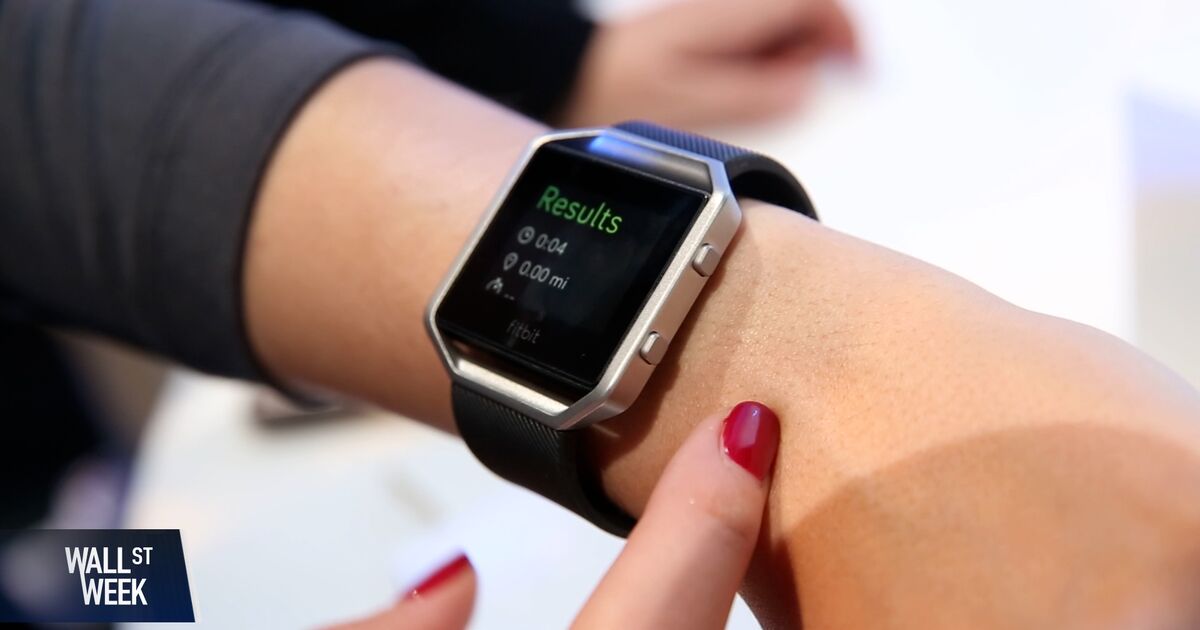
Examples of wearable technology include smartwatches, fitness trackers, and smart glasses. Smartwatches, like Apple Watch, offer notifications and health tracking. Fitness trackers, like Fitbit, monitor activity levels and sleep patterns. Smart glasses, like Google Glass, provide augmented reality experiences. These devices enhance everyday life by offering convenience and valuable insights.
Are Wearable Devices Secure?
Wearable devices have varying levels of security, but many prioritize user privacy. Manufacturers implement encryption and authentication methods to protect user data. Users should ensure devices are updated regularly to maintain security. It’s essential to review privacy settings and be cautious about sharing sensitive information with third-party apps.
Conclusion
Wearable technology brings many benefits to daily life. It helps track health, improve fitness, and stay connected. Devices like smartwatches and fitness bands are common examples. They make tasks easier and provide useful information quickly. As technology advances, wearables will become even more helpful.
They show how technology blends with everyday activities. Understanding wearable tech helps us use it wisely. Small gadgets with big potential. What will you discover with wearables?
Leave a Reply