Have you ever wondered what exactly wearable technology is and how it fits into your daily life? You might already use devices that track your steps, monitor your heart rate, or even help you stay connected without pulling out your phone.
But what makes these gadgets so special, and why are they becoming a must-have for so many people? Keep reading, and you’ll discover how wearable technology works, the surprising benefits it offers, and why it might be the next big thing for you.
This isn’t just tech talk—it’s about making your life easier, healthier, and more connected.

Credit: www.happiestminds.com
Wearable Technology Basics
Wearable technology is changing how people interact with devices daily. These gadgets are small, light, and designed to be worn on the body. They help users track, measure, and manage various aspects of their lives quickly. Understanding the basics of wearable technology is key to seeing its impact.
Definition And Key Features
Wearable technology refers to electronic devices worn on the body. These devices collect data or provide useful functions. Key features include:
- Portability and comfort for all-day wear
- Connectivity to smartphones or the internet
- Sensors to monitor health or environment
- Real-time data processing and feedback
History And Evolution
Wearable technology began in the 1960s with early prototypes. Over time, devices became smaller and smarter. The 2000s brought fitness trackers and smartwatches. Now, wearables include advanced health monitors and smart glasses. The technology evolves through improved sensors and battery life.
Types Of Wearable Devices
Wearable devices come in many forms. Some common types are:
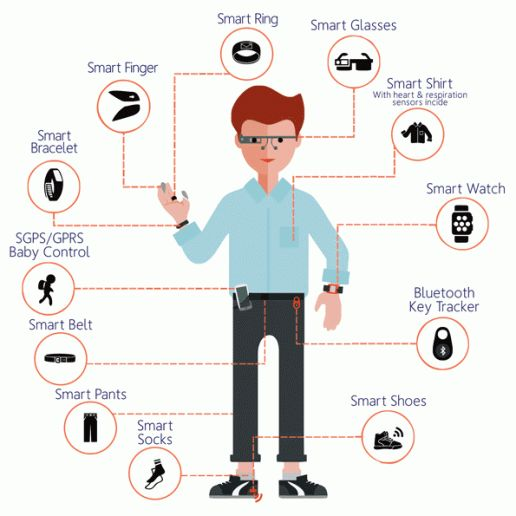
- Smartwatches that show notifications and track activity
- Fitness bands that monitor steps, heart rate, and sleep
- Smart glasses providing augmented reality experiences
- Wearable cameras capturing hands-free videos
- Health monitors tracking blood pressure or glucose levels

Credit: tech.yahoo.com
Popular Smart Devices
Wearable technology has become part of daily life for many people. These smart devices offer convenience and useful features. They fit on the body and connect to the internet or other gadgets. Users can track health, stay connected, and access information easily. Popular smart devices come in various forms, each serving different needs.
Smartwatches
Smartwatches are wrist-worn devices that do more than tell time. They show notifications from your phone like calls, messages, and emails. Many also have fitness tracking, GPS, and music controls. Users can install apps for weather, calendars, and more. Smartwatches help manage daily tasks without taking out a phone.
Fitness Trackers
Fitness trackers focus on health and activity monitoring. They count steps, measure heart rate, and track sleep patterns. Some models also check blood oxygen levels and stress. These devices motivate users to stay active and meet fitness goals. They often sync with smartphones for detailed health reports.
Smart Glasses
Smart glasses combine eyewear with digital features. They can display information directly in the user’s view. Some models support voice commands and take photos or videos. Smart glasses are useful for navigation and hands-free tasks. They offer a new way to interact with technology while staying aware of the surroundings.
Wearable Medical Devices
Wearable medical devices monitor health conditions continuously. They help track vital signs like blood pressure and glucose levels. These devices send data to healthcare providers for better care. They are essential for managing chronic diseases and emergencies. Wearable medical devices improve health monitoring outside hospitals.
How Wearables Work
Understanding how wearable technology works helps you appreciate the smart features packed into these compact devices. Wearables gather information about your body and environment, then use that data to assist you in real-time. Let’s break down the main components that make this possible.
Sensors And Data Collection
Sensors are the heart of any wearable device. They track everything from your heart rate and steps to temperature and sleep patterns.
Common sensors include accelerometers, gyroscopes, and optical sensors. These collect precise data by detecting movement, orientation, and biological signals.
Think about when you first noticed how your smartwatch counted your steps—those sensors were quietly working to measure your activity without you needing to do anything.
Connectivity And Communication
Wearables don’t just collect data; they need to share it with your phone or other devices. This happens through wireless connections like Bluetooth, Wi-Fi, or sometimes cellular networks.
Bluetooth is the most common because it uses little power and works well over short distances. This allows your wearable to sync data with apps where you can view and analyze it.
Ever wondered how your fitness tracker updates your health stats on your phone instantly? That’s the connectivity in action, ensuring you stay informed throughout your day.
Power Sources And Battery Life
All this data tracking and communication require power. Most wearables use rechargeable lithium-ion batteries to keep things running.
Battery life varies depending on the device and how often you use features like GPS or heart rate monitoring. Some last a couple of days, while others can go weeks on a single charge.
Managing battery life means balancing features with power use. Have you noticed your device’s battery drains faster when you use GPS? That’s why some wearables let you customize settings to save energy.
Benefits Of Wearable Technology
Wearable technology brings a range of benefits that can make your daily life easier, healthier, and safer. These devices are designed to fit seamlessly into your routine, offering real-time data and support wherever you go. Whether you want to track your health, stay connected, or protect yourself, wearables can help you achieve more with less effort.
Health And Fitness Tracking
Wearables monitor your physical activity, heart rate, sleep patterns, and even stress levels. This constant feedback helps you understand your body better and make smarter health choices. If you’ve ever struggled to stay motivated, seeing your progress on a smartwatch can push you to take that extra step or choose the stairs.
Many devices also offer personalized workout suggestions based on your data. Imagine having a fitness coach on your wrist, guiding you towards your goals without the need for expensive gym sessions or trainers. How often do you check your steps or sleep quality during the day?
Enhanced Communication
Wearables keep you connected without constantly pulling out your phone. You can receive calls, texts, and notifications directly on your wrist or glasses, making it easier to stay in touch discreetly during meetings or workouts. This hands-free convenience lets you respond faster and stay focused on what matters.
Some devices even support voice commands, so you can send messages or set reminders just by speaking. Have you noticed how much time you spend unlocking your phone just to check a notification? Wearables cut down on those interruptions, helping you stay present.
Personal Safety And Security
Many wearable devices include safety features such as GPS tracking and emergency alerts. If you find yourself in an unsafe situation, you can send instant alerts to trusted contacts or authorities with a simple tap. This peace of mind is especially valuable for runners, travelers, or anyone living alone.
Some wearables also monitor your environment, alerting you to potential hazards like poor air quality or sudden falls. How secure do you feel when you’re out alone? A wearable device can act as a silent guardian, giving you extra confidence wherever you go.
Challenges And Limitations
Wearable technology brings exciting benefits, but it’s not without its hurdles. Understanding the challenges and limitations helps you make smarter choices about which devices to trust and how to use them effectively.
Privacy Concerns
Your wearable collects a lot of personal data—from heart rate to location. This information can be vulnerable to hacking or unauthorized sharing.
Think about how comfortable you feel sharing your health stats with an app. Are you aware of where your data goes and who can access it?
Manufacturers often promise data protection, but breaches still happen. Always check privacy policies and consider devices with strong encryption.
Battery And Durability Issues
Wearables need to be small and light, which limits battery size. This means frequent charging can interrupt your daily use.
Imagine your fitness tracker dying mid-run or your smartwatch shutting down during an important call. It’s frustrating and can reduce trust in the device.
Durability is another concern. Many wearables aren’t fully waterproof or resistant to drops, so you must handle them carefully.
Cost And Accessibility
High-quality wearables often come with a hefty price tag. Not everyone can afford the latest models packed with advanced features.
Even if you can buy one, some devices require subscriptions or extra apps that add to the overall cost.
Are wearables truly accessible to all, or do they deepen the technology gap? You might want to weigh the benefits against the expense before investing.
Credit: medium.com
Future Trends In Wearables
The future of wearable technology promises to reshape how you interact with the world around you. As devices become smarter and more connected, their role in daily life will expand beyond simple tracking or notifications. Let’s take a closer look at what lies ahead in wearable tech and how it might change your routines and well-being.
Advances In Ai And Machine Learning
Wearables are getting smarter thanks to advances in AI and machine learning. These technologies allow devices to learn from your habits and provide personalized insights. Imagine your smartwatch not just counting steps but predicting when you need a break or suggesting specific exercises based on your stress levels.
These improvements make wearables more proactive helpers rather than passive tools. Have you noticed how your phone suggests apps or reminders based on your behavior? Wearables will soon do the same but with deeper health and lifestyle insights.
Integration With Smart Homes
Wearables will increasingly connect with smart home devices, creating a seamless experience between your body and living environment. Your fitness tracker could communicate with your thermostat to adjust room temperature based on your activity or sleep patterns.
This integration means you won’t need to manually control every device; your wearable will do it for you. Wouldn’t it be convenient if your watch could dim the lights or start your coffee machine when you wake up?
Wearables In Healthcare
Healthcare is one of the fastest-growing areas for wearable tech. Devices can now monitor vital signs like heart rate, oxygen levels, and even detect irregularities that might require medical attention.
Some wearables even allow remote monitoring by doctors, reducing the need for frequent hospital visits. Imagine managing a chronic condition more easily because your wearable keeps track of critical health data and alerts both you and your physician in real-time.
Frequently Asked Questions
What Is Wearable Technology Used For?
Wearable technology is used for tracking health, fitness, and vital signs. It enhances personal safety and communication. It also provides real-time data and insights. Devices like smartwatches, fitness trackers, and smart glasses are common examples. They integrate seamlessly into daily life, promoting convenience and connectivity.
How Does Wearable Technology Work?
Wearable technology works through embedded sensors and software. It collects and transmits data to other devices. These devices often use Bluetooth or Wi-Fi for communication. They analyze data for insights on health, fitness, or activity levels. The results are displayed on connected apps or interfaces.
Is Wearable Technology Safe To Use?
Yes, wearable technology is generally safe to use. Manufacturers follow safety standards and regulations. Devices undergo rigorous testing for health and safety. However, users should follow guidelines for usage. It’s important to maintain device hygiene and avoid prolonged exposure to radiation.
What Are Examples Of Wearable Technology?
Examples of wearable technology include smartwatches like Apple Watch and fitness trackers like Fitbit. Smart glasses like Google Glass and VR headsets also qualify. Other examples include smart clothing, hearing aids, and medical devices. Each serves distinct purposes, from health monitoring to immersive experiences.
Conclusion
Wearable technology helps people track health and stay connected. It fits easily into daily life and offers real-time information. These devices continue to improve and become more useful. Many types serve different needs, from fitness to communication. Choosing the right wearable depends on personal goals and comfort.
As technology grows, wearables will play a bigger role in our lives. Simple, smart, and handy — wearable tech is here to stay.
Leave a Reply