When you’re thinking about buying wearable technology, it’s easy to get overwhelmed by all the options and features out there. You want something that fits your lifestyle, feels comfortable, and offers real value.
But how do you know what matters most? The right information can help you make a smart choice that you won’t regret. You’ll discover the key factors to consider before making your purchase. Keep reading to learn how to find the perfect wearable tech that truly works for you.
Types Of Wearable Technology
Wearable technology comes in many forms, each serving a different purpose. Understanding the types helps buyers choose the right device. Some focus on fitness, others on health, and some on enhancing daily tasks. This section breaks down the main types of wearable tech available today.
Fitness Trackers
Fitness trackers monitor physical activity and health data. They count steps, measure heart rate, and track calories burned. Many also track sleep patterns and exercise routines. Fitness trackers help users stay motivated and reach their fitness goals.
Smartwatches
Smartwatches combine the features of a phone and a fitness tracker. They show notifications, make calls, and run apps. Smartwatches often include GPS and music controls. They offer convenience by keeping essential functions on your wrist.
Health Monitoring Devices
Health monitors track vital signs like blood pressure and oxygen levels. Some devices monitor glucose for people with diabetes. These wearables provide important health insights and can alert users to potential problems. They support better health management.
Augmented Reality Glasses
Augmented reality glasses overlay digital information on the real world. They can display maps, messages, or instructions in your view. AR glasses are useful for hands-free tasks and enhanced experiences. They blend technology with everyday activities.
Key Features To Look For
Choosing wearable technology means looking beyond just the style or brand. The right features can make your daily use smoother and more enjoyable. Knowing what to focus on will help you pick a device that fits your lifestyle and needs perfectly.
Battery Life
Battery life can make or break your experience with wearables. Imagine your device dying halfway through your workout or a long day out. Look for wearables that offer enough battery to cover your typical usage without constant charging.
Some fitness trackers provide several days of battery life, while smartwatches might need daily charging. Think about how often you’re willing to charge and whether the device supports quick charging options.
Compatibility With Devices
Your wearable should work seamlessly with the devices you already own. Check if it supports your smartphone’s operating system, whether that’s iOS, Android, or both. Compatibility affects how you sync data, receive notifications, and use apps.
Consider if the wearable pairs well with other gadgets, like wireless earbuds or smart home devices. Can you control music or answer calls directly from your wearable? These small conveniences add up quickly.
Sensor Accuracy
Accurate sensors make your wearable a reliable companion for tracking health and activity. Poor sensor quality can lead to misleading information, which defeats the purpose of using the device. Look for wearables with proven accuracy in heart rate, step counting, and GPS tracking.
Reading real user reviews and professional tests helps here. Ask yourself: Do I need detailed health insights, or just basic tracking? The sensor quality should match your expectations.
Display And Interface
The display is your main interaction point with the wearable. A clear, bright screen makes checking stats or notifications quick and easy. Some devices offer touchscreens, while others use buttons or a combination of both.
Consider the size and readability of the display, especially if you spend a lot of time outdoors. Is the interface intuitive? You want to spend time using your wearable, not figuring out how it works.
Performance And Reliability
Performance and reliability are the backbone of any wearable technology you choose. You want a device that not only meets your needs today but continues to perform smoothly over time. Understanding key factors like durability, water resistance, and software updates can save you from future headaches and ensure a better experience.
Durability
Wearables face daily wear and tear, so durability matters more than you might think. Look for materials such as reinforced glass or aluminum frames that withstand bumps and scratches. I once bought a fitness tracker without checking its build quality—it cracked after a minor fall, which was frustrating and avoidable.
Ask yourself: will your wearable survive everyday activities like gym workouts or outdoor adventures? Opt for devices with proven durability ratings or user reviews highlighting their toughness.
Water Resistance
Water resistance isn’t just about surviving rain. It affects how you can use your wearable during swimming, showering, or sweat-heavy workouts. Many devices feature IP ratings that indicate protection level—IP67 or IP68 are common for wearables.
Consider your lifestyle: do you need a device that can handle being submerged or just splashes? Choosing the right water resistance means no surprises when you forget to take it off before washing your hands.
Software Updates
Software updates keep your wearable secure and add new features over time. Some brands release regular updates that improve performance, fix bugs, and introduce enhancements. Ignoring software support can lead to outdated apps and security risks.
Check how often the manufacturer provides updates and for how long after purchase. Would you prefer a device that evolves with technology or one that becomes obsolete quickly?
Privacy And Security Concerns
Privacy and security are key concerns for anyone buying wearable technology. These devices collect a lot of personal data. Without proper safeguards, this information can be at risk. Understanding how your data is protected helps you make a safer choice. It also gives peace of mind about your private information.
Data Encryption
Data encryption turns your information into a secret code. This makes it hard for others to read it. Good wearable devices use strong encryption for data storage and transfer. This protects your information from hackers. Always check if a device uses encryption standards like AES or TLS.
User Data Control
Controlling your data means you decide what the device collects and shares. Look for devices that let you adjust privacy settings easily. Some wearables allow you to delete your data anytime. Know what data is collected and who can access it. This control helps keep your information private.
App Permissions
Wearable devices often connect with apps on your phone. These apps ask for permissions to access your data. Review app permissions carefully before accepting. Only allow access to what is necessary for the app’s function. Limiting permissions reduces the risk of data misuse.
Budget And Value
Budget and value are key points in buying wearable technology. People want devices that fit their money and offer good features. This helps avoid overspending or getting less than expected. Understanding costs helps make smart choices.
Price Range
Wearable devices come in many price ranges. Some cost less than $50, while others go over $500. The price depends on brand, features, and design. Set a budget before shopping. Compare what each price offers. Cheaper models might lack advanced sensors or apps. Expensive ones often have more functions and better build quality.
Subscription Costs
Some wearables need monthly or yearly subscriptions. These fees unlock extra features like detailed health reports or cloud storage. Check if the device requires a subscription. Calculate the total cost over time. Sometimes low device price means high subscription fees. This can add up and affect the overall value.
Warranty And Support
Warranty protects your investment against defects or damage. Most brands offer at least one year of warranty. Read the warranty terms carefully. Good customer support helps fix issues quickly. Check if the company has easy return or repair policies. Reliable support increases the device’s value and your peace of mind.
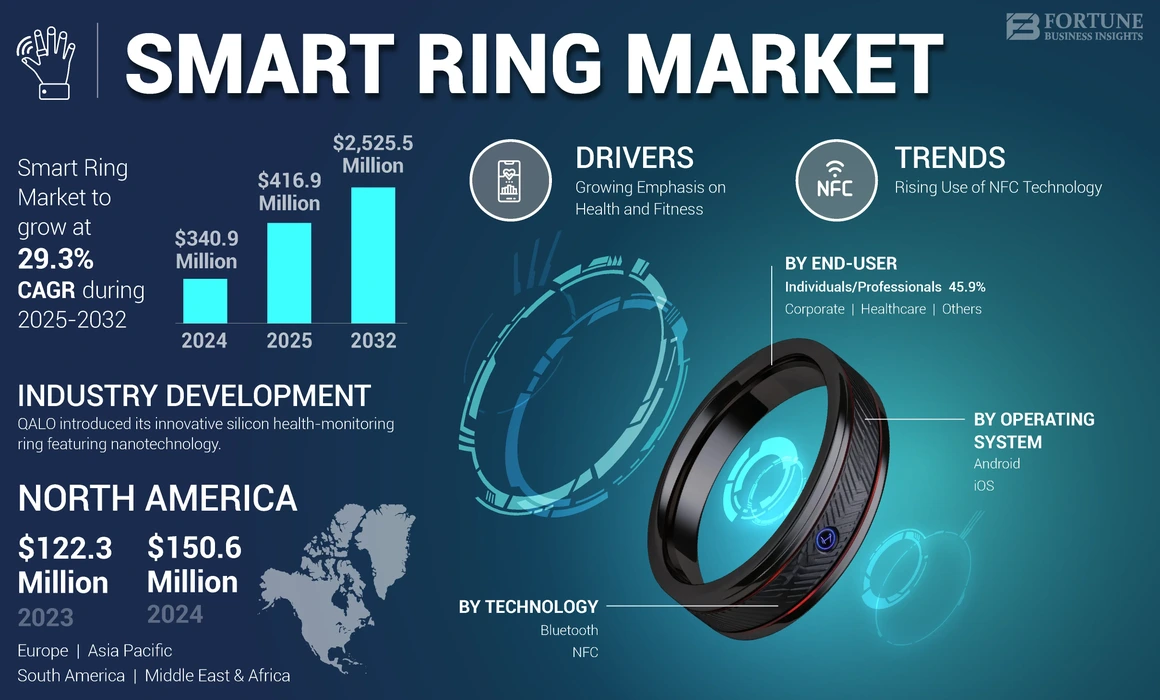
Credit: www.fortunebusinessinsights.com
User Experience And Comfort
User experience and comfort play a vital role in choosing wearable technology. People wear these devices for hours daily, so comfort is key. A device that fits well and feels good encourages regular use. Ease of use also impacts satisfaction and long-term engagement. Customization helps users tailor the device to their needs and style.
Design And Fit
A good design ensures the device sits comfortably on the body. Look for lightweight materials that do not irritate the skin. Adjustable straps or bands allow a better fit for different wrist sizes. The shape should match the area of wear to avoid slipping or pressure points. Breathable materials help reduce sweat and discomfort during long use.
Ease Of Use
The device should be simple to operate with clear buttons or touchscreen controls. A user-friendly interface makes navigation quick and reduces frustration. Check if the device connects easily with smartphones or other gadgets. Battery life matters too; longer battery life means less frequent charging. Easy charging methods add to convenience.
Customization Options
Customization allows users to personalize their experience. Many wearables offer interchangeable bands in various colors and styles. Settings like display brightness, notifications, and alerts can be adjusted. Some devices support apps for added functions and personalization. Custom features make the device feel unique and more enjoyable to use.
Brand Reputation And Reviews
Choosing the right wearable technology goes beyond just features and price. The brand’s reputation and the reviews it receives can reveal a lot about the product’s reliability and user satisfaction. Paying attention to these details helps you avoid costly mistakes and ensures you invest in a device that truly meets your needs.
Customer Feedback
Real users share honest experiences that you won’t find in marketing materials. Look for patterns in reviews—are there frequent complaints about battery life or accuracy? Positive feedback about durability or customer support can give you confidence in your choice.
Have you ever bought a gadget only to find it didn’t work as promised? Checking customer feedback beforehand can save you from that frustration.
Expert Opinions
Experts test devices under controlled conditions and provide detailed insights on performance, software, and hardware. Their reviews often highlight pros and cons that casual users might miss. Reading expert opinions can help you understand if a product lives up to its claims.
Consider how experts compare a brand’s wearable against competitors. Does the device stand out in accuracy, design, or ease of use? This knowledge can guide you toward a smarter purchase.
After-sales Service
Good after-sales service is crucial, especially if you face technical issues or need repairs. Reliable brands offer warranties, responsive customer support, and easy access to service centers. This support can make a big difference in your overall satisfaction with the product.
Ask yourself: How quickly can you get help if something goes wrong? Choosing a brand known for strong after-sales service protects your investment and peace of mind.

Credit: www.jacc.org
Future-proofing Your Purchase
Buying wearable technology is more than just picking a gadget that looks cool or has the latest features. You want to make sure your purchase stays useful as new tech emerges. Future-proofing your wearable means thinking ahead about how it can grow with you and the technology around it.
Upgradeability
Can you update your device’s software easily? This is crucial because regular updates fix bugs, improve security, and add new features. A wearable that receives frequent updates will serve you better over time.
Consider if the hardware can be upgraded too. Some smartwatches allow you to swap out bands or add accessories, extending their lifespan. When I bought a fitness tracker that supported interchangeable bands, it kept feeling fresh and suited for different occasions.
Compatibility With Emerging Technologies
Check if your wearable works well with new tech trends like smart home devices or health apps. Devices that support popular platforms like Apple Health, Google Fit, or Alexa can sync data seamlessly, giving you a better experience.
Think about connectivity options—does it support the latest Bluetooth versions or Wi-Fi standards? This affects how smoothly your device communicates with your phone or other gadgets. Ask yourself: Will this wearable still fit into my tech ecosystem a year or two from now?

Credit: www.mdpi.com
Frequently Asked Questions
What Features Are Essential In Wearable Technology?
When purchasing wearable technology, consider features like battery life, compatibility, and water resistance. Health monitoring sensors and GPS functionality are also crucial. Ensure the device offers software updates and has a user-friendly interface. Choose features that align with your lifestyle and needs to maximize the benefits of your wearable device.
How Important Is Battery Life In Wearables?
Battery life is crucial in wearables for uninterrupted usage throughout the day. Longer battery life means less frequent charging. It ensures continuous tracking and monitoring without interruptions. Check user reviews for real-life battery performance. Always prioritize devices that offer at least a full day’s charge or more.
Are Wearables Compatible With All Smartphones?
Not all wearables are compatible with every smartphone. Check if the device works with your phone’s operating system. Compatibility ensures seamless data synchronization and optimal functionality. Some wearables may have limited features with certain devices. Always verify compatibility details on the manufacturer’s website before purchasing.
How Does Water Resistance Affect Wearables?
Water resistance in wearables allows you to use them in various environments. It protects the device from splashes, rain, and sweat. This feature is essential for fitness enthusiasts and swimmers. However, water resistance levels vary. Check the specifications to ensure it meets your specific needs and activities.
Conclusion
Choosing wearable technology needs careful thought. Think about battery life, comfort, and features. Check if it fits your daily needs and style. Don’t forget to consider price and brand reputation. Look for easy-to-use devices with good reviews. Your health and privacy matter too.
Take your time to compare options before buying. This helps you pick the best wearable for you. Smart choices lead to better satisfaction and value.
Leave a Reply