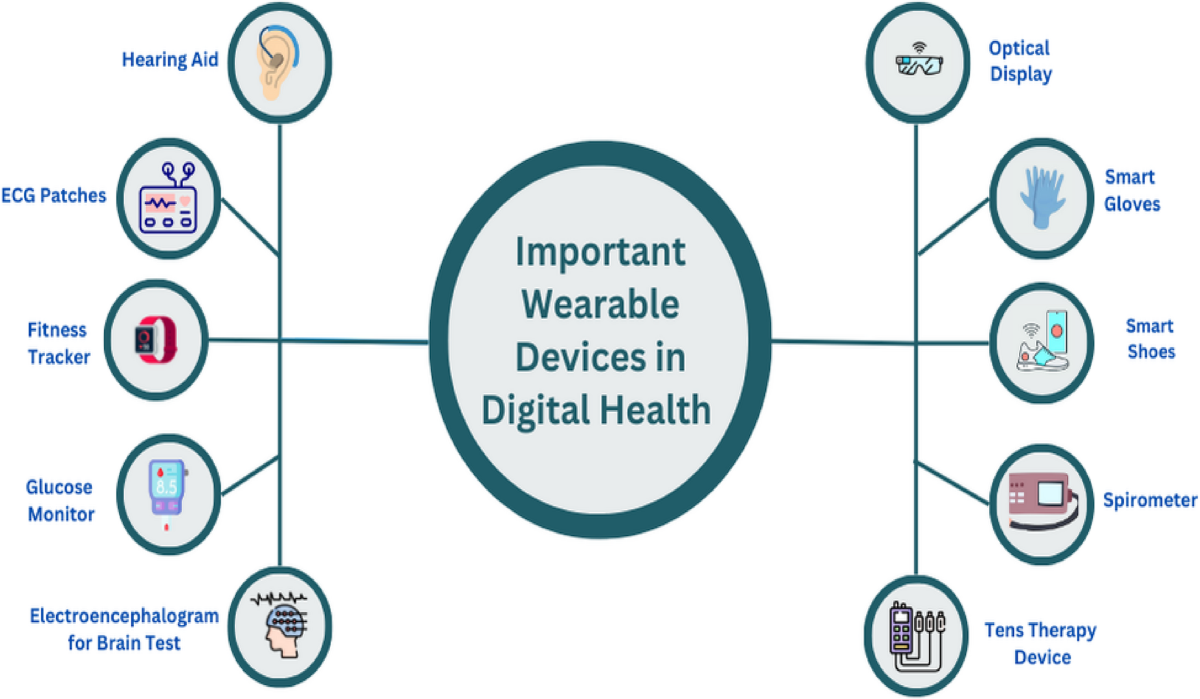
Have you ever wondered if wearing that fitness tracker or smartwatch really makes a difference in your health? You’re not alone.
Many people use wearable technology hoping it will push them to exercise more, eat better, or even sleep soundly. But what does science say? This article dives into scholarly articles that explore whether these gadgets truly help you become healthier.
By the end, you’ll know if your wearable is just a cool accessory or a powerful tool for improving your well-being. Keep reading to discover the surprising facts backed by research.
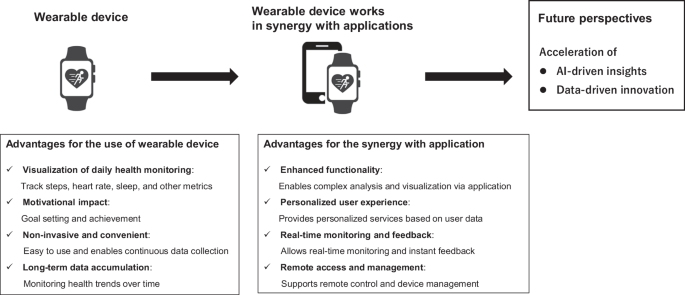
Credit: www.nature.com
Impact On Physical Activity
Wearable technology has transformed how you monitor your physical activity. It offers real-time data that can influence your daily movement habits. But how exactly does it impact the way you stay active? Let’s break down the effects on your physical activity.
Tracking Steps And Movement
Wearables like fitness trackers and smartwatches count your steps and track your movement throughout the day. This data gives you a clear picture of how active or sedentary you are. Seeing your step count rise can encourage you to take the stairs or go for a short walk.
One study showed that users increased their daily steps by nearly 20% after wearing these devices for a few weeks. The instant feedback makes it easier to set realistic goals and see your progress. Have you ever noticed how a simple step count can push you to move more?
Motivation And Behavior Change
Wearables don’t just track—they motivate. Notifications and reminders to move after periods of inactivity prompt you to stay active. This nudging can create new habits that stick.
Many people report feeling more accountable when they see their activity data. Social features, like sharing achievements with friends, add a competitive edge that some find motivating. Could this be the extra push you need to maintain a consistent routine?
Exercise Intensity And Duration
Beyond counting steps, wearables measure exercise intensity and duration using heart rate and movement sensors. This helps you understand not just how much you move, but how hard you work.
Tracking intensity ensures your workouts are effective—pushing you enough without overdoing it. You might discover you’re spending more time in moderate or vigorous activity than you thought, or realize you need to step it up. How often do you check if your workouts are hitting the right intensity?
Effect On Sleep Quality
Wearable technology influences sleep quality by providing insights into sleep patterns. These devices track various sleep stages and offer data for self-assessment. Users gain awareness of their sleep habits and potential disruptions. This awareness can motivate healthier sleep routines and better rest.
Sleep Monitoring Features
Wearables use sensors to detect movements, heart rate, and breathing. They classify sleep into light, deep, and REM stages. Some devices track sleep duration and interruptions during the night. The data appears in easy-to-read charts and summaries. Users can see trends over days or weeks.
Sleep Improvement Techniques
Based on monitoring, wearables suggest ways to improve sleep. Techniques include consistent bedtime routines and reducing screen time. Some devices offer guided breathing or relaxation exercises before sleep. Alerts remind users to prepare for bed on time. These small changes can lead to better sleep quality.
Limitations In Sleep Tracking
Wearables cannot fully replace professional sleep studies. Their sensors sometimes misinterpret movements or heart rate changes. Accuracy varies between brands and models. Devices may not detect all sleep disorders. Users should use data as a guide, not a diagnosis.
Health Monitoring Accuracy
Health monitoring accuracy plays a key role in the usefulness of wearable technology. Reliable data helps users make better health choices. Inaccurate readings may cause confusion or wrong decisions. Scientific studies analyze how precise these devices are in tracking body functions. Understanding their strengths and limits can guide users and healthcare providers.
Heart Rate And Vital Signs
Wearables often measure heart rate and other vital signs. Many devices use optical sensors to detect pulse. Research shows these sensors work well during rest but less accurately during intense exercise. Some wearables track blood oxygen levels and temperature. Accuracy varies by device brand and sensor quality. Consistent measurement helps identify abnormal patterns early.
Calorie Counting And Metabolism
Calorie counting depends on motion sensors and heart rate data. Wearables estimate calories burned based on activity type and intensity. Studies find calorie estimates can differ by 10% to 30% from lab measurements. Metabolism rates vary greatly among individuals. Wearables offer general guidance but not exact calorie counts. Users should combine data with personal awareness.
Stress And Mental Health Indicators
Some wearables track stress by measuring heart rate variability and skin conductance. These signals relate to the nervous system’s response. Research suggests wearables can detect stress trends but not specific causes. Mental health tracking remains complex and less accurate than physical health metrics. Wearables provide helpful clues but need more development for clinical use.
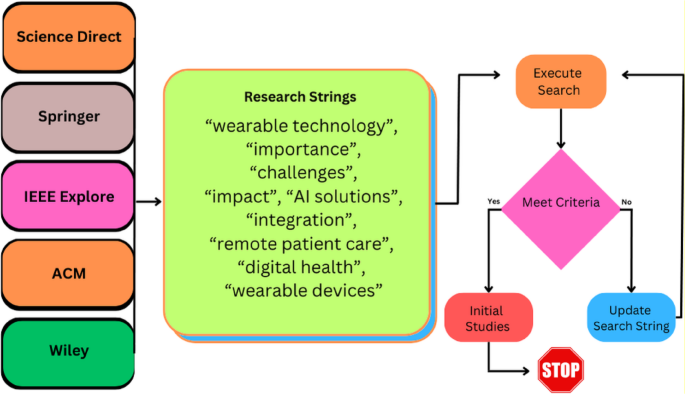
Credit: journalofcloudcomputing.springeropen.com
User Engagement And Compliance
User engagement and compliance are key to the success of wearable technology in health. Without regular use, these devices cannot provide accurate data or improve health outcomes. Many studies focus on how often and how long users wear their devices. They also explore what drives people to keep using these gadgets and what stops them.
Long-term Usage Patterns
Research shows many users start strong but lose interest over time. Initial excitement fades after weeks or months. Some people stop wearing devices within six months. Others keep using them consistently for years. Long-term use depends on device comfort, ease of use, and perceived benefits.
User Motivation Factors
Motivation plays a big role in wearable use. Users often want to improve fitness or manage health conditions. Social support and goal-setting can boost motivation. Real-time feedback and rewards help keep users engaged. Personalizing goals also encourages continued use.
Barriers To Consistent Use
Several barriers reduce consistent wearable use. Battery life and device maintenance cause frustration. Privacy concerns limit data sharing. Some users find devices uncomfortable or bulky. Lack of visible progress or results also lowers motivation. Understanding these barriers can help improve device design and support.
Impact On Chronic Disease Management
Wearable technology plays a significant role in managing chronic diseases. These devices help patients track vital health data daily. Continuous monitoring supports timely adjustments in treatment. Patients gain better control over their conditions. Healthcare providers receive real-time information for improved care decisions.
Diabetes And Glucose Monitoring
Wearables like continuous glucose monitors (CGMs) measure blood sugar levels frequently. They alert users to dangerous highs or lows. This data helps users maintain better glucose control. Studies show CGMs reduce the risk of severe complications. Patients can avoid frequent finger pricks and painful tests.
Cardiovascular Health
Smartwatches and fitness trackers monitor heart rate and rhythm. They detect irregularities such as arrhythmias early. Some devices measure blood pressure and oxygen levels. These metrics provide insights into heart health trends over time. Early detection supports faster medical intervention and prevention.
Remote Patient Monitoring
Wearable devices enable remote tracking of chronic conditions. Healthcare providers access patient data without office visits. This reduces hospital admissions and emergency room visits. Patients feel safer with constant health surveillance. Remote monitoring improves communication between patients and doctors.
Privacy And Data Security Concerns
Privacy and data security are major concerns with wearable technology. These devices collect personal health data constantly. Users worry about who accesses this data and how it is used. Understanding these concerns helps users make safer choices.
Data Collection Practices
Wearables gather various types of data such as heart rate, steps, sleep patterns, and location. Some devices also track sensitive information like stress levels or medication use. This data is often stored on company servers. The scope and detail of data collection vary by brand and device.
Many companies share data with partners for research or marketing. Users rarely know the full extent of data sharing. Transparency about data collection is limited in many cases.
User Consent And Awareness
Users must agree to terms before using wearables. These agreements often contain complex language. Many users do not fully understand what they consent to. This can lead to unintentional data sharing.
Consent forms may not clearly state how data is stored or shared. Users should look for clear privacy policies. Awareness about data rights remains low among many users.
Potential Risks And Safeguards
Data breaches can expose sensitive health information. Hackers may misuse personal data for fraud or identity theft. There is also risk of data being sold without user permission.
- Strong encryption protects data during transmission and storage.
- Regular software updates fix security vulnerabilities.
- Users should enable two-factor authentication when available.
- Choosing devices with clear privacy policies reduces risks.
Companies must improve transparency and security to protect users. Users must stay informed and cautious about their data privacy.
Future Trends And Innovations
The future of wearable technology in health looks promising, with innovations that could change how you manage your well-being. As devices become smarter and more connected, they have the potential to work seamlessly with medical professionals, providing deeper insights into your health. These advancements will not only track your fitness but may also play a crucial role in early diagnosis and personalized care.
Integration With Healthcare Systems
Wearable devices are moving beyond simple step counters and heart rate monitors. They are beginning to connect directly with healthcare providers’ systems, enabling real-time data sharing. This integration means your doctor can monitor your condition remotely and adjust treatments quickly without waiting for your next visit.
Imagine wearing a device that alerts your physician if your blood pressure spikes unexpectedly. This could prevent emergencies and reduce hospital visits. How would having this continuous connection change your approach to managing chronic illnesses?
Advancements In Sensor Technology
Sensors in wearables are becoming more accurate and capable of measuring a wider range of health markers. New sensors can track blood glucose levels, hydration, sleep quality, and even stress hormones without invasive procedures. This level of precision gives you more reliable data to make informed lifestyle choices.
Think about a sensor that alerts you when your hydration is low before you even feel thirsty. Such proactive feedback can improve your daily habits significantly. What new health parameters do you wish your wearable could monitor?
Personalized Health Insights
Future wearables will use advanced algorithms to analyze your unique health data and provide tailored advice. Instead of generic tips, you’ll receive customized plans that fit your lifestyle, genetics, and health goals. This personalized approach can motivate you to stay on track and achieve better results.
Some devices are already using AI to suggest changes in diet, exercise, and sleep based on your patterns. If your wearable could predict and prevent health issues before symptoms appear, how would that affect your commitment to using it daily?

Credit: www.jacc.org
Frequently Asked Questions
How Does Wearable Technology Impact Health?
Wearable technology tracks physical activity, heart rate, and sleep patterns. It provides real-time health data, encouraging healthier lifestyle choices. By monitoring these metrics, users can set fitness goals and track progress. This increased awareness can motivate individuals to exercise more and maintain a balanced lifestyle.
Are Wearables Reliable For Health Monitoring?
Wearables are generally reliable for tracking basic health metrics. However, they shouldn’t replace professional medical advice. While they offer valuable insights into daily habits, their accuracy can vary. It’s important to use them as supplementary tools rather than primary health devices.
Can Wearables Help In Managing Chronic Diseases?
Yes, wearables can assist in managing chronic diseases. They monitor vital signs and daily activity levels. This data can help patients and doctors make informed decisions. By offering real-time feedback, they support better disease management and adherence to treatment plans.
What Are The Benefits Of Wearable Technology?
Wearable technology offers numerous benefits, including enhanced fitness tracking and health monitoring. It motivates users to stay active and maintain healthy habits. Additionally, it provides valuable insights into sleep patterns and stress levels, contributing to overall well-being.
Conclusion
Wearable technology can support healthier habits and better awareness. Studies show mixed results on long-term health benefits. Success depends on how people use the devices daily. Tracking steps or heart rate alone does not guarantee change. Motivation and lifestyle choices play a big role too.
Wearables offer helpful data but cannot replace good habits. Choosing the right device and staying consistent matters most. Small steps lead to lasting health improvements over time.
Leave a Reply