Have you ever wondered if your smartphone counts as wearable technology? You might think of smartwatches or fitness bands when you hear “wearable,” but what about the device you carry everywhere?
Understanding this can change the way you see your daily tech and how it fits into your life. Keep reading to discover surprising facts that could reshape your view on smartphones and wearables—and why it matters to you.
What Counts As Wearable Tech
Defining what counts as wearable technology can get tricky. At first glance, a smartphone might seem wearable since you carry it everywhere. But does simply carrying a device qualify it as wearable tech? Understanding the core features and common types of wearables can help you decide where your smartphone fits in this category.
Core Features Of Wearables
Wearable technology must be designed to be worn on the body, not just carried. It should offer real-time data tracking or interaction, often related to health, fitness, or communication.
Key features include:
- Continuous Monitoring:Devices like fitness trackers monitor your heart rate or steps all day.
- Hands-Free Use:You should be able to use it without holding it constantly.
- Connectivity:Wearables often sync with your smartphone or other devices for data sharing.
If a device meets these points, it fits into the wearable tech definition. Carrying a smartphone in your pocket doesn’t check all these boxes, but wearing a smartwatch does.
Common Types Of Wearable Devices
Wearable tech comes in many shapes and sizes, each serving unique purposes. Here are some popular categories you might recognize:
| Type | Purpose | Examples |
|---|---|---|
| Fitness Trackers | Track physical activity and health metrics | Fitbit Charge, Garmin Vivosmart |
| Smartwatches | Combine fitness tracking with notifications and apps | Apple Watch, Samsung Galaxy Watch |
| Smart Glasses | Display information hands-free and enhance vision | Google Glass, Vuzix Blade |
| Wearable Cameras | Capture hands-free video and photos | GoPro Hero, Snap Spectacles |
Think about how you interact with your devices daily. Does your phone offer the same immediate, body-worn benefits? If not, it’s probably not wearable tech, even if it’s always with you.
Credit: medium.com
Smartphone Capabilities Compared
Smartphones have become an essential part of daily life, blending communication, entertainment, and productivity into one device. But how do their capabilities stack up when compared to traditional wearable technology? Understanding this can help you decide if your smartphone fits into the wearable tech category or if it serves a different role altogether.
Hardware And Sensors
Smartphones come packed with a variety of sensors that are commonly found in wearable devices. These include GPS for location tracking, accelerometers to detect movement, gyroscopes for orientation, and even heart rate sensors on some models.
However, unlike wearables such as fitness bands or smartwatches, smartphones are not always designed to be worn continuously on the body. Their hardware is optimized for handheld use, which limits some sensor functionalities related to health monitoring or step counting.
Have you noticed how your phone tracks your steps only when you carry it around? This reliance on carrying the device physically shows a key difference from wearables, which are designed to be worn constantly for more accurate data collection.
User Interaction And Mobility
Smartphones rely heavily on touchscreens and voice commands for user interaction. You unlock your phone, swipe through apps, and use it actively for calls, messages, and browsing.
Wearable devices often offer more passive interactions like glanceable notifications or simple taps and swipes, designed for quick, on-the-go use without interrupting your flow. They usually stay on your wrist or body, providing constant accessibility without the need to hold them.
Think about your daily routine—how often do you pull out your phone versus just glancing at your smartwatch? This difference in mobility and interaction style influences whether smartphones can be truly considered wearable technology or simply portable gadgets.
Wearables Vs Smartphones: Key Differences
Understanding the difference between wearables and smartphones can clarify if a smartphone qualifies as wearable technology. Both gadgets serve distinct roles in your daily life, despite overlapping features. Let’s break down their main differences to see where each one fits.
Design And Placement
Wearables are designed to be worn directly on your body. Think smartwatches on your wrist or fitness bands around your arm. Their size and shape focus on comfort and constant contact with your skin.
Smartphones, on the other hand, are handheld devices. You carry them in your pocket, bag, or hand, not directly on your body. Their larger screens and bulkier designs prioritize display and processing power over continuous wearability.
Have you noticed how you rarely forget your phone but might sometimes skip wearing your fitness tracker? This highlights how placement affects daily habits and usage.
Purpose And Functionality
Wearables primarily focus on monitoring health, fitness, and quick notifications. They track your heart rate, steps, sleep patterns, and alert you without needing to pull out another device.
Smartphones offer a broader range of functions like calling, browsing, gaming, and content creation. They are your central communication hub and entertainment device, supporting complex apps and multitasking.
Imagine trying to check your emails or watch a video on a smartwatch versus a smartphone—clearly, the phone is built for deeper interaction. Does your daily routine demand the versatility of a smartphone, or the simplicity of a wearable?

Credit: trio.dev
Hybrid Devices Blurring The Lines
The line between smartphones and wearable technology grows thinner every day. Devices no longer fit into one clear category. Many gadgets combine features from both. This blend creates hybrid devices that challenge traditional definitions.
Hybrids offer convenience and new ways to stay connected. They mix the power of smartphones with the ease of wearables. This mix changes how people use technology daily.
Smartwatches And Fitness Bands
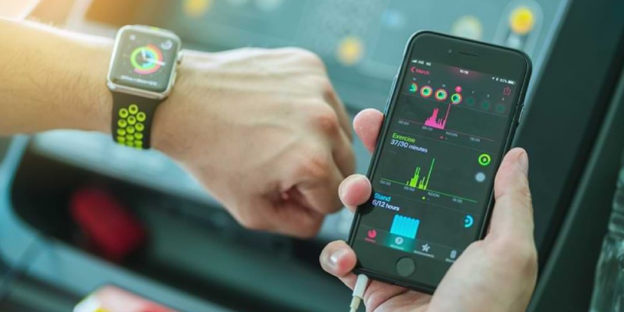
Smartwatches and fitness bands are classic wearables. They fit on your wrist and track health, steps, and notifications. These devices sync with smartphones to share data.
They perform many smartphone functions but in a smaller form. Users can check messages, control music, and monitor heart rate. Their compact design makes them easy to wear all day.
Some smartwatches have cellular capability. They work independently without a smartphone nearby. This feature blurs the line between phone and wearable even more.
Smartphone Accessories As Wearables
Certain smartphone accessories act as wearables. Clip-on devices and smart glasses extend a phone’s use. They provide hands-free access to information and notifications.
Examples include Bluetooth headsets and smart rings. These add convenience without needing a full wearable device. They connect to smartphones to offer quick interactions.
These accessories improve usability and encourage constant connection. They highlight how smartphones are central to many wearable ecosystems. This blend makes it harder to separate smartphones from wearables entirely.
Future Trends In Wearable And Mobile Tech
The future of wearable and mobile technology holds exciting possibilities. Devices will become more connected and smarter. Users will enjoy seamless experiences across gadgets. This evolution will blur the lines between smartphones and wearables. Let’s explore key trends shaping this tech landscape.
Integration Of Smartphones And Wearables
Smartphones and wearables will work closely together. Data sharing will become faster and smoother. Watches, glasses, and fitness bands will sync deeply with phones. This integration allows real-time health monitoring and instant notifications. Users will control multiple devices from one interface. The boundary between phone and wearable will fade. Wearables might even handle tasks independently from smartphones.
Emerging Technologies And Innovations
New technologies will enhance both wearables and mobiles. Flexible screens and lightweight materials will improve comfort. Advanced sensors will track health metrics with high accuracy. AI will personalize user experiences and anticipate needs. Voice and gesture controls will become more common. Battery life will extend through better energy solutions. Augmented reality will blend digital content into real life. These innovations will make devices more helpful and easy to use.

Credit: interestingengineering.com
Frequently Asked Questions
Is A Smartphone Considered Wearable Technology?
No, smartphones are not classified as wearable technology. Wearables are devices worn on the body, like smartwatches. Smartphones are portable but not worn, so they don’t fit the wearable category.
How Does Wearable Technology Differ From Smartphones?
Wearable technology is designed to be worn on the body and provide hands-free functionality. Smartphones are handheld devices used for communication and apps but are not worn on the body.
Can Smartphones Function As Wearable Devices?
Smartphones themselves cannot function as wearables but can connect to wearable devices. They serve as control hubs for smartwatches, fitness trackers, and other wearables.
What Are Common Examples Of Wearable Technology?
Common wearables include smartwatches, fitness bands, smart glasses, and health monitors. These devices are worn and provide real-time data and notifications.
Conclusion
Smartphones aren’t wearable technology by strict definition. They lack direct body integration. Wearables like smartwatches offer more personal connectivity. Smartphones complement wearables but remain distinct. They provide a portable tech experience. Wearables, however, enhance with constant body contact. Each has unique benefits.
Both continue to evolve in technology. Consumers decide which fits their needs better. Understanding both helps make informed choices. The line between them may blur. As technology advances, this may change. For now, smartphones and wearables serve different roles. Both enhance our digital lifestyle.
Their combined use offers a comprehensive tech experience.
Leave a Reply