Have you ever wondered what happens to your old gadgets once you toss them away? Those small electronic parts inside your devices might seem useless, but they actually hold a lot of value.
Knowing whether you can recycle things with electronic components isn’t just good for the planet—it can save you money and reduce harmful waste. You’ll discover simple steps to recycle your electronics safely and effectively. Stick around, because what you learn here could change how you handle your old devices forever.
Types Of Electronics For Recycling
Electronic items like phones, computers, and batteries can be recycled safely. Many gadgets contain valuable metals and materials worth recovering. Proper recycling helps reduce waste and protects the environment.
As our digital world grows, so does the pile of discarded electronics. Recycling electronics is not just about saving the environment; it’s about conserving valuable materials. Let’s dive into the different types of electronics you can recycle, offering you a practical guide to reducing e-waste.Common Household Electronics
Think about your home and all the gadgets you use daily. Items like old smartphones, tablets, and remote controls are perfect candidates for recycling. Even your outdated DVD player or broken headphones hold components that can be reused. You might have a drawer full of tangled chargers and cables. These too can be recycled, helping to recover materials like copper and plastic. Next time you upgrade a device, consider how you can dispose of the old one responsibly.Office Equipment
Offices are treasure troves of recyclable electronics. Old computers, printers, and fax machines are often forgotten in storerooms. Yet, they contain metals and parts that can be effectively recycled. Do you have a broken mouse or keyboard lying around? These small items are easy to recycle and can make a big difference. Encourage your workplace to set up a dedicated e-waste recycling bin.Large Appliances
Large appliances, like refrigerators and washing machines, are also recyclable. They contain significant amounts of metal and sometimes hazardous materials that need careful handling. Before tossing out that old microwave, consider contacting a local recycling service. Often, they can pick up large items right from your doorstep, making the process seamless. By recycling these types of electronics, you’re not only decluttering your space but also contributing to a healthier planet. What small step will you take today towards responsible recycling?Why Recycle Electronic Components
Recycling electronic components plays a vital role in protecting our planet and conserving resources. Many devices contain materials that can harm the environment if thrown away. Recycling helps keep these harmful substances out of landfills and reduces pollution. It also allows us to reuse valuable materials, which saves energy and raw resources.
Environmental Benefits
Electronic waste contains toxic chemicals that can leak into soil and water. Recycling prevents this pollution by safely handling these substances. It also reduces greenhouse gas emissions by cutting the need for new manufacturing. This helps slow down climate change and keeps air cleaner.
Resource Recovery
Many electronic parts hold precious metals like gold, silver, and copper. Recycling recovers these metals for new products. This reduces mining, which damages nature and wastes energy. Reusing materials also lowers the demand for raw resources, protecting ecosystems.
Reducing E-waste
Electronic waste grows rapidly each year worldwide. Recycling helps manage this growing problem by keeping old devices out of landfills. Proper recycling cuts the volume of e-waste and supports a circular economy. It turns waste into useful materials, reducing overall trash.
Challenges In Recycling Electronics
Recycling electronics presents many challenges that slow down the process. These devices contain different materials that need special care. Handling electronics safely requires knowledge and the right tools. The mix of parts makes separating materials difficult. Privacy risks also add to the complexity of recycling electronic items.
Hazardous Materials
Many electronics hold harmful substances. Lead, mercury, and cadmium are common in old devices. These materials can pollute soil and water. Special handling and disposal are necessary to protect health. Recycling centers need to follow strict rules to manage these dangers safely.
Component Complexity
Electronic devices have many tiny parts. Circuit boards, chips, and batteries are tightly packed. Separating these parts requires skill and special machines. Different metals and plastics are mixed together. This makes recycling slow and costly. Efficient sorting is key to recovering valuable materials.
Data Security Concerns
Electronic items often store personal information. Hard drives, phones, and tablets contain sensitive data. Improper recycling risks exposing private details. Secure data wiping or destruction is essential before recycling. This step protects people’s privacy and prevents data theft.

Credit: ecircular.com
How Electronic Recycling Works
Electronic recycling involves several careful steps to ensure valuable materials are recovered safely and harmful substances are kept out of the environment. Understanding how electronic recycling works can help you see the effort behind turning your old gadgets into reusable resources. Let’s break down the key stages that bring this process to life.
Collection And Sorting
First, electronic devices are collected from various sources like homes, offices, and recycling centers. This step often surprises people because proper sorting is crucial. Devices are grouped by type—such as computers, phones, or TVs—because each requires different handling and processing.
Sorting also involves checking if any devices can be refurbished and reused. This helps reduce waste even before recycling materials. Have you ever donated an old phone instead of tossing it? That’s part of this thoughtful sorting process.
Disassembly Process
Once sorted, devices move to disassembly, where workers or machines carefully take them apart. Components like batteries, circuit boards, plastic casings, and metals are separated. Removing batteries first is important because they contain hazardous chemicals that need special treatment.
Disassembly might sound simple, but it requires skill and precision to avoid damaging reusable parts. This step also prevents dangerous materials from mixing with regular waste. Think about how many tiny screws and connectors get handled here—each one matters.
Material Recovery Techniques
After disassembly, the separated components go through different processes to recover valuable materials. Metals like gold, copper, and aluminum are extracted using techniques such as shredding, magnetic separation, and chemical treatments. These methods ensure as much material as possible is reclaimed.
Plastic parts are cleaned and recycled into new products, reducing the need for new raw materials. Advanced recovery techniques not only save resources but also reduce pollution. What if every old device you discarded could help create something new? That’s the real power of material recovery.
Where To Recycle Electronics
Knowing where to recycle your old electronics is key to keeping harmful materials out of landfills. Electronic devices often contain valuable metals and components that can be reused, but finding the right place to drop them off can feel confusing. Let’s look at some clear options that make recycling your gadgets simple and effective.
Local Recycling Centers
Many communities have local recycling centers that accept electronic waste. These centers are usually equipped to handle devices like smartphones, laptops, and TVs safely. You can check your city or county website to find the nearest center and their accepted items list.
Some centers even offer special bins for batteries and small electronics, making it easy to recycle everything in one trip. Have you visited a local center recently? You might be surprised how convenient it is once you know where to go.
Manufacturer Take-back Programs
Several electronics manufacturers have take-back programs allowing you to return old products directly to them. Brands like Apple, Samsung, and Dell often provide free mail-in services or in-store drop-offs. This ensures your device is recycled responsibly or refurbished for reuse.
Using these programs supports a circular economy and reduces e-waste. Next time you upgrade your phone, consider sending your old one back to the maker instead of tossing it out.
Special E-waste Events
Many cities host special e-waste recycling events a few times a year. These events collect a wide range of electronics and offer a convenient way to safely dispose of items you’ve been holding onto. They often accept things that regular recycling centers do not, such as large appliances or hazardous components.
Keep an eye on local news or community bulletin boards for announcements. Attending one of these events could be your best chance to clear out old electronics responsibly.
Tips For Preparing Electronics For Recycling
Preparing electronics for recycling is important to protect your data and ensure safe handling. Proper steps make the process smooth and secure. Follow these simple tips to get your devices ready for recycling.
Data Wiping
Erase all personal information before recycling. Use factory reset or special software to wipe data. This prevents identity theft and keeps your privacy safe.
Removing Batteries
Take out batteries from devices if possible. Batteries can be hazardous and need special recycling. Removing them helps recycle electronics safely and prevents leaks or fires.
Safe Packaging
Pack electronics carefully to avoid damage during transport. Use bubble wrap or sturdy boxes to protect devices. Label packages if they contain fragile parts or batteries.
Common Misconceptions About Electronic Recycling
Many people hesitate to recycle electronics because of common misunderstandings. These myths stop valuable materials from being reused. Clearing up these ideas helps more people recycle properly. It also protects the environment and saves resources.
Recycling Is Too Complicated
Some think recycling electronics is confusing and difficult. The truth is, many recycling centers accept old devices. They have clear rules to guide you. You just need to sort items by type. Many towns offer special collection days. Drop-off points make recycling easy and quick.
All Electronics Are Recyclable
Not all parts in electronics can be recycled. Some components contain hazardous materials. These need special handling to avoid harm. Recycling centers separate safe and unsafe parts. They recycle metals, plastics, and glass. Others might need disposal at hazardous waste facilities.
Recycling Is Not Worth It
People often think recycling electronics is useless. Actually, it saves energy and reduces mining for new materials. Recycling recovers precious metals like gold and copper. It also lowers pollution and landfill waste. Small actions add up to big benefits for the planet.

Credit: samrinc.com
Future Trends In Electronic Recycling
The future of electronic recycling holds many promising developments. These advances aim to make recycling safer, faster, and more efficient. As electronics continue to evolve, recycling methods must keep up. This helps reduce waste and recover valuable materials.
Advances In Recycling Technology
New machines can separate tiny electronic parts with precision. Robotics and AI improve sorting of metals and plastics. Chemical processes now extract rare metals without harming the environment. These innovations lower costs and increase material recovery rates.
Legislation And Policies
Governments are making stricter rules for electronic waste disposal. Many countries require manufacturers to take back old devices. Laws encourage safe recycling and reduce illegal dumping. These policies push companies to design greener electronics.
Consumer Awareness Growth
People are learning more about electronic waste problems. Recycling programs and education are spreading worldwide. Consumers now prefer brands with clear recycling plans. This shift helps increase the volume of recycled electronics.
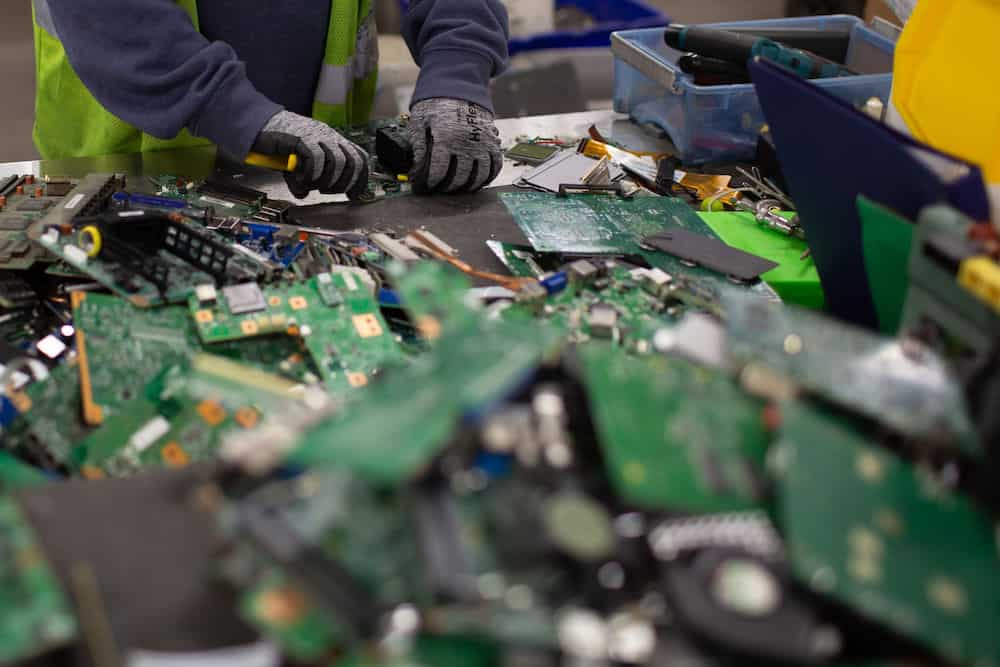
Credit: getrepowered.org
Frequently Asked Questions
Can Electronic Components Be Recycled Safely?
Yes, electronic components can be recycled safely. Specialized facilities extract valuable metals and materials. Proper recycling prevents environmental damage and recovers resources.
Where To Recycle Items With Electronic Parts?
You can recycle electronic items at e-waste centers, electronics retailers, or local recycling programs. Check for certified e-waste recyclers nearby to ensure safe disposal.
What Materials Are Recovered From Electronic Recycling?
Electronic recycling recovers metals like gold, silver, copper, and aluminum. It also recycles plastics and glass from devices, reducing landfill waste and conserving resources.
Why Is Recycling Electronics Important?
Recycling electronics reduces hazardous waste, conserves natural resources, and lowers pollution. It prevents toxic materials from harming the environment and promotes sustainable resource use.
Conclusion
Recycling items with electronic parts helps protect the environment. Many components can be reused or safely processed. It reduces harmful waste and saves valuable materials. Small steps like this make a big difference over time. Always check local rules for proper recycling methods.
Everyone can join in to keep the planet cleaner. Simple actions add up to a healthier future for all.
Leave a Reply