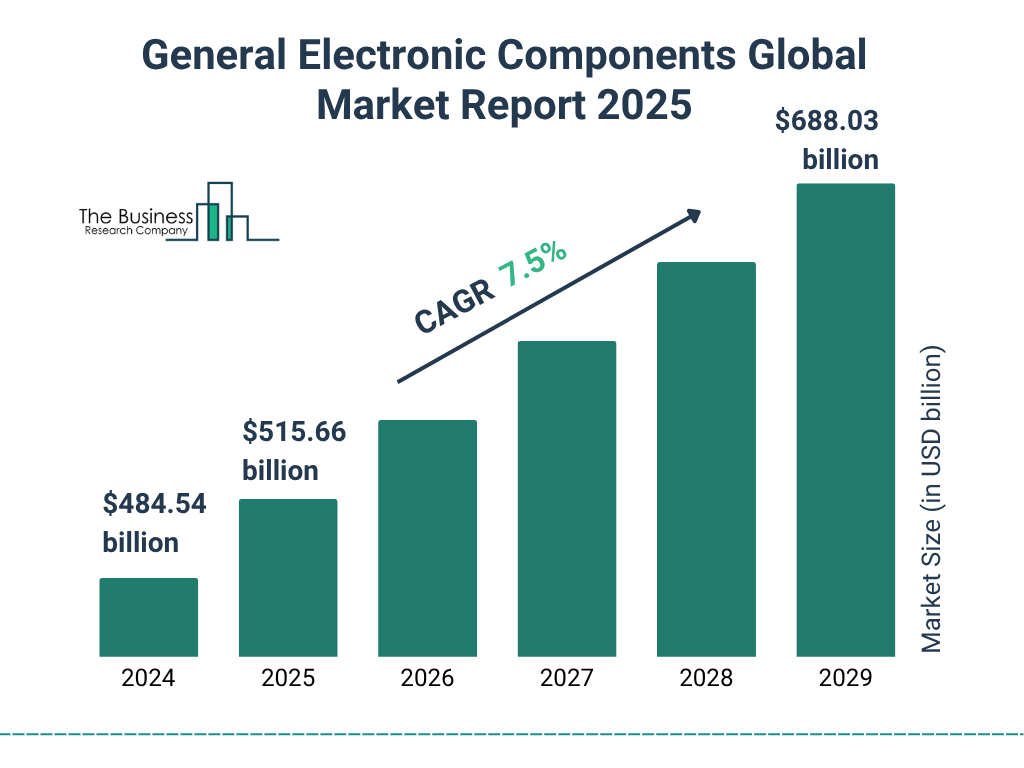
Are you looking to get a clear picture of the electronic components industry? Whether you’re planning a new project, making business decisions, or just curious about market trends, having the right stats can make all the difference.
But where exactly can you find reliable and up-to-date information? You’ll discover the best sources to get accurate industry data that can help you stay ahead and make smarter choices. Keep reading to unlock the insights you need.
Key Industry Reports
Finding reliable statistics in the electronic components industry can often feel like searching for a needle in a haystack. Key industry reports are your secret weapon, offering a treasure trove of data and insights. These reports help you understand market trends, growth forecasts, and industry dynamics.
Global Market Research Firms
Renowned market research firms like Gartner and IDC are excellent sources for comprehensive industry reports. They provide detailed analyses of market trends, consumer behavior, and technological advancements. Subscribing to their reports can keep you ahead of the curve.
Consider using the insights from these firms to make informed business decisions. They often provide regional breakdowns, helping you tailor your strategy to specific markets.
Specialized Electronics Reports
Organizations such as the Semiconductor Industry Association (SIA) offer specialized reports focused on the electronics sector. These reports dive deep into topics like semiconductor trends and innovation.
If you’re keen on understanding niche markets within electronics, these specialized reports are invaluable. They give you a detailed look at developments that could affect your business.
Annual Industry Surveys
Many industry associations conduct annual surveys that offer a snapshot of current trends and challenges. These surveys gather input from key industry players, providing you with a well-rounded view.
Participating in or reviewing these surveys can offer fresh perspectives on industry standards and practices. Are there trends you hadn’t considered? Annual surveys might just surprise you with new insights.
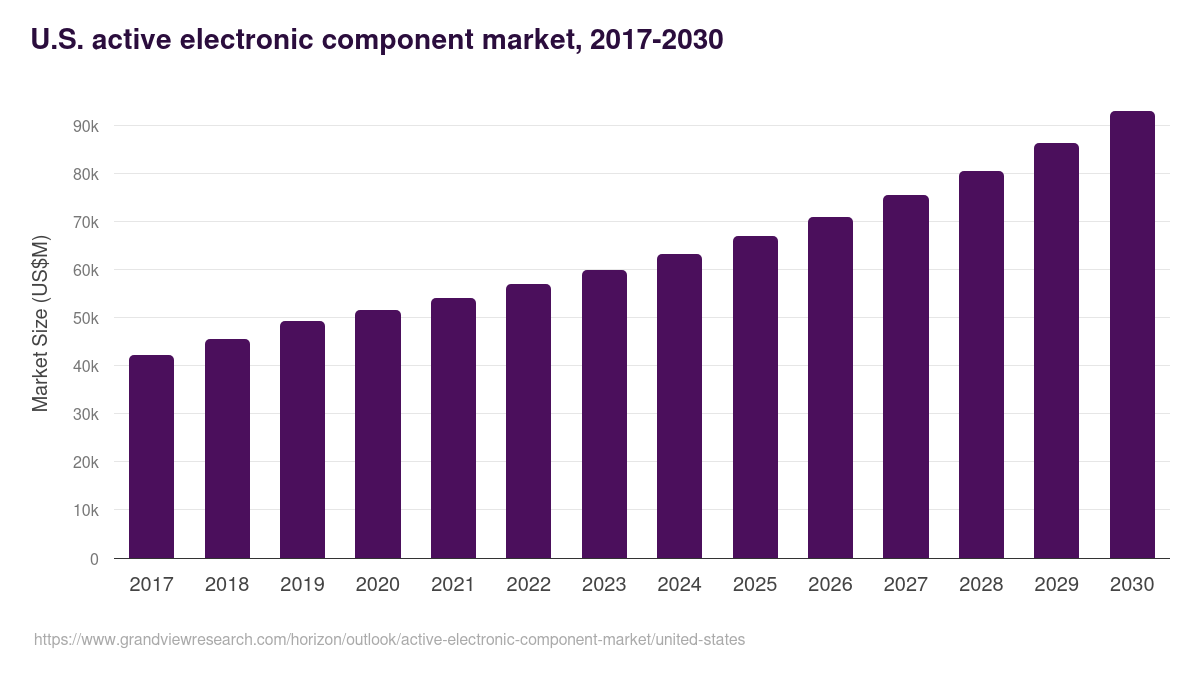
Credit: www.grandviewresearch.com
Government And Trade Data
Government and trade data offer reliable insights into the electronic components industry. These sources track production, sales, exports, and imports. They provide a clear picture of market trends and economic impact. Such data is collected systematically and updated regularly. Accessing this information helps businesses and researchers understand industry health and growth.
National Statistical Agencies
National statistical agencies collect and publish official economic data. They cover manufacturing output, employment figures, and trade statistics. Examples include the U.S. Census Bureau and Eurostat. Their reports often include detailed breakdowns by industry sectors. These agencies ensure data accuracy through strict standards and regular surveys.
Trade Associations And Councils
Trade associations represent companies in the electronic components field. They gather industry-specific data from members and market research. Councils often release reports on production trends and technology adoption. These groups provide insights into challenges and opportunities in the sector. Their data often reflects real-time industry conditions and forecasts.
Customs And Import-export Data
Customs agencies monitor cross-border trade of electronic components. They collect import and export volumes, values, and product categories. This data reveals supply chain flows and trade balances. Analysts use it to spot emerging markets and demand shifts. Customs data is essential for understanding global trade dynamics in electronics.
Online Databases And Platforms
Online databases and platforms offer a wealth of information on the electronic components industry. These resources provide detailed statistics, market trends, and company data. They help researchers, buyers, and sellers understand the market better. Access to reliable data supports smarter decisions and strategic planning.
Subscription-based Market Databases
Subscription-based databases provide comprehensive and up-to-date industry data. These platforms often include:
- Market size and growth forecasts
- Competitive landscape analysis
- Supplier and distributor information
- Historical data and trend reports
Examples include platforms like Statista, IHS Markit, and MarketsandMarkets. These services require a paid subscription but offer detailed and verified data. The investment is worthwhile for businesses needing in-depth market insights.
Free Public Data Sources
Several public websites share free electronic component industry statistics. These sources include government reports, trade associations, and research institutions. They provide valuable data such as:
- Export and import volumes
- Industry production figures
- Economic impact studies
- Basic market analysis
Public data may not be as detailed or current but is useful for quick reference and initial research.
Industry-specific Analytics Tools
Specialized analytics tools focus exclusively on the electronics sector. They offer tailored insights like component pricing, demand forecasting, and supply chain tracking. Features often include:
- Real-time price monitoring
- Inventory and stock level analysis
- Supplier performance metrics
- Customizable reports
These tools help companies optimize purchases and manage risks. Popular examples are Octopart and SiliconExpert, designed to meet the needs of electronics professionals.
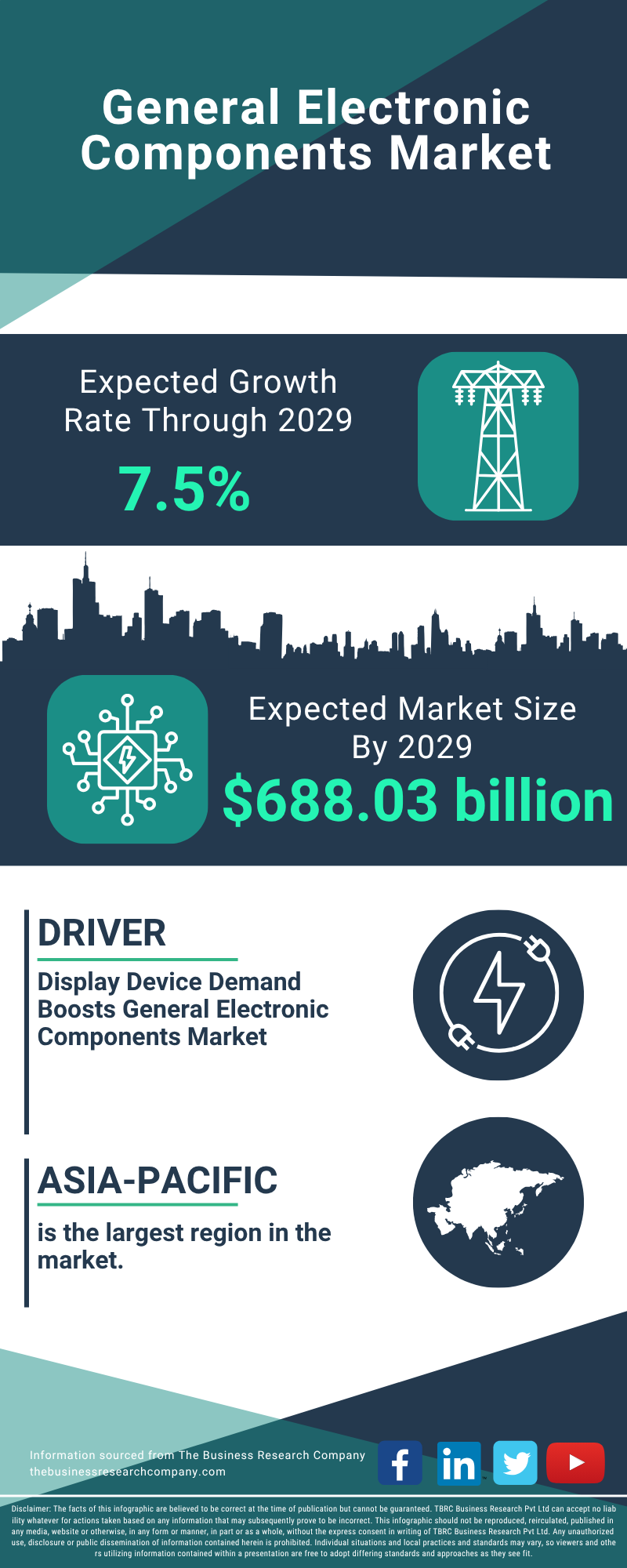
Credit: www.thebusinessresearchcompany.com
Company Filings And Financial Reports
Company filings and financial reports offer a clear view of the electronic components industry. These documents provide detailed data on sales, market trends, and company strategies. They help track industry growth and spot emerging opportunities. Many firms publish these reports regularly for investors and the public.
These filings include important numbers and insights directly from leading companies. They reveal profits, expenses, and future plans. This information helps analyze the overall health of the industry and compare key players. Accessing these reports is essential for anyone studying market dynamics or business performance.
Annual Reports Of Key Players
Annual reports give a full overview of a company’s yearly performance. They include financial statements, business highlights, and market analysis. Major electronic component manufacturers publish these reports on their websites. These documents show revenue growth, product launches, and new market entries. Annual reports also discuss risks and opportunities faced by the company.
Sec Filings And Disclosures
The U.S. Securities and Exchange Commission (SEC) requires public companies to submit regular filings. These include 10-K, 10-Q, and 8-K forms. They provide verified financial data and important updates. SEC filings are available on the SEC’s EDGAR database. These documents give a legal and detailed snapshot of company operations. They often include insights on industry trends and competitive challenges.
Earnings Calls And Investor Presentations
Earnings calls are quarterly conference calls where company leaders discuss results. They explain financial outcomes and answer analyst questions. Investor presentations highlight strategic plans and market outlooks. These materials often contain charts, forecasts, and competitive analysis. They help understand a company’s view on the industry’s future. Many companies post recordings and slides on their investor relations pages.
Tech Publications And News Outlets
Tech publications and news outlets are treasure troves for anyone seeking reliable electronic components industry statistics. These sources often feature up-to-date data, expert analysis, and trend reports that help you understand market dynamics. Tapping into these resources can give you a clear edge in making informed decisions.
Electronics Industry Magazines
Electronics industry magazines provide detailed insights directly from the field. Titles like EE Times, Electronic Design, and Electronics Weeklyfrequently publish statistics on production volumes, component pricing, and supply chain status.
These magazines often interview industry leaders, offering perspectives you won’t find in raw data tables. If you’ve ever flipped through a printed issue or scrolled through a digital edition, you know they combine technical depth with accessible language. Subscribing to a few key magazines can keep you updated without feeling overwhelmed.
News Websites And Blogs
Dedicated news websites and blogs focus on timely updates and breaking stories in the electronics sector. Websites like TechCrunch, Electronics Weekly, and All About Circuitsregularly post statistics on market shifts, new product launches, and industry forecasts.
Unlike magazines, these platforms often allow for comments and discussions, giving you direct access to community insights and expert opinions. Have you noticed how quickly some news sites update stats after major events? This immediacy can be crucial for staying ahead in a fast-moving market.
Market Trend Articles
Market trend articles break down complex data into understandable narratives. They analyze sales figures, component demand, and emerging technology impacts to forecast future industry directions.
Sources like MarketWatchor specialized research firms often publish such articles. These pieces help you spot opportunities before they become mainstream. Next time you read a market trend article, ask yourself how these insights could influence your purchasing or development strategy.
Conferences And Industry Events
Conferences and industry events serve as vital hubs for gathering the latest stats in the electronic components sector. These events attract key players, offering rich opportunities to explore trends and data. Attendees gain access to firsthand information, often shared through presentations and exclusive reports.
Industry gatherings also foster direct interaction with experts and peers. This connection often leads to fresh insights and valuable data exchange. Staying updated through such events ensures a deep understanding of market dynamics and technology shifts.
Major Electronics Trade Shows
Trade shows bring together manufacturers, distributors, and buyers from around the globe. They showcase new products and innovations in electronic components. These events often release official market reports and statistics. Examples include:
- Electronica in Munich
- CES in Las Vegas
- Embedded World in Nuremberg
Visitors can attend seminars presenting the latest industry data. Trade shows offer a comprehensive view of current and future market trends.
Webinars And Panel Discussions
Webinars provide easy access to expert talks from anywhere. They often focus on specific topics like supply chain or component demand. Panel discussions feature industry leaders sharing statistics and forecasts. These sessions allow real-time questions and clarifications. Many companies and organizations host free or low-cost webinars regularly.
Networking And Expert Insights
Networking at events connects you directly with industry professionals. Casual conversations often reveal unpublished or emerging data. Experts share practical insights that reports might miss. Building relationships with insiders can lead to exclusive access to new stats. Small group meetings and social gatherings at events enhance this opportunity.
Academic And Research Institutions
Academic and research institutions are key sources for electronic components industry statistics. They conduct detailed studies that offer valuable insights. Their research often bridges theory and practical industry trends. These institutions publish data that helps businesses and engineers understand market dynamics and technological advancements.
University Research Papers
Universities publish research papers that analyze electronic components markets. These papers often include statistical data, forecasts, and technology trends. Many universities have specialized departments focused on electronics and materials science. Accessing their digital libraries can provide up-to-date and credible industry stats. Research papers offer deep analysis based on rigorous methods and experiments.
Industry Collaboration Studies
Many academic institutions work directly with industry partners. These collaborations produce studies combining academic rigor and real-world data. The studies highlight production trends, supply chain issues, and new materials. They often reveal future market opportunities and challenges. Such reports provide a balanced view from both research and business perspectives.
Technical Journals And Publications
Technical journals publish peer-reviewed articles on electronic components and technologies. These journals contain detailed data on market growth, component performance, and innovations. Subscribing to relevant journals ensures access to the latest statistics and research findings. They serve as reliable resources for engineers, analysts, and decision-makers.
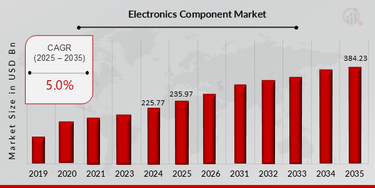
Credit: www.marketresearchfuture.com
Frequently Asked Questions
Where Can I Find Reliable Electronic Components Industry Stats?
You can find reliable stats from industry reports by market research firms like Statista, IBISWorld, and MarketWatch. Trade associations such as IPC and SEMI also publish accurate data regularly.
Which Websites Offer Up-to-date Electronic Component Statistics?
Websites like Statista, Digi-Key, and Allied Market Research provide current stats. Company annual reports and government databases also offer valuable industry insights.
How Do I Access Free Electronic Components Market Data?
Free data is available on government sites like the U. S. Census Bureau and trade group publications. Some market research sites offer summary reports at no cost.
Why Are Electronic Components Industry Stats Important?
These stats help businesses make informed decisions, track market trends, and identify growth opportunities. They support strategic planning and competitive analysis.
Conclusion
Finding reliable stats on electronic components is easier with the right sources. Industry reports, market research sites, and official publications offer valuable data. These resources help you understand trends and market size clearly. Stay updated by checking these sources regularly.
Accurate stats support better decisions in projects or business. Keep your research simple and focused for best results. Exploring these options will guide you well in the electronics field.
Leave a Reply