
Have you ever wondered if wearable technologies really deliver on their promises? You might be curious whether that fitness tracker or smartwatch on your wrist actually helps improve your health, productivity, or lifestyle.
This article will break down the truth behind these devices, so you can decide if they’re worth your time and money. Keep reading to discover how wearable tech works, what it can do for you, and what to watch out for before making your next purchase.
How Wearables Track Health
Understanding how wearables track your health helps you make smarter choices about using them. These devices rely on a combination of sensors and data analysis to monitor your body’s signals. Knowing what they measure and the limits of their accuracy can guide you in interpreting the data they provide.
Sensors And Data Collection
Wearables use various sensors to collect health information. Common sensors include accelerometers that detect movement, photoplethysmography (PPG) sensors to measure heart rate by shining light through your skin, and temperature sensors to track body heat.
Some advanced devices also have electrocardiogram (ECG) sensors that record your heart’s electrical activity. These sensors gather raw data continuously or at set intervals, which the device then processes to give you meaningful health insights.
Common Metrics Monitored
Wearables track a range of health metrics that many users find useful. These often include:
- Heart rate and heart rate variability
- Step count and distance traveled
- Sleep duration and quality
- Calories burned
- Blood oxygen levels (SpO2)
Some models also monitor stress levels and even detect irregular heart rhythms, helping you spot potential health issues early.
Accuracy Challenges
While wearables provide valuable data, their accuracy can vary. Factors like sensor placement, skin tone, and even movement during activities affect readings. For example, a heart rate monitor might give less accurate results during high-intensity workouts due to excessive motion.
Have you ever noticed your device showing a heart rate that feels off? That’s a common experience because these sensors use indirect methods to estimate metrics. It’s important to use the data as a helpful guide rather than a medical diagnosis.
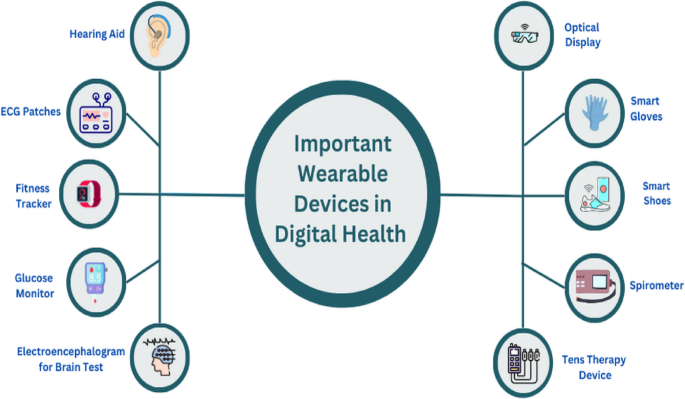
Credit: journalofcloudcomputing.springeropen.com
Benefits For Fitness And Wellness
Wearable technologies offer many benefits for fitness and wellness. They track health data in real time. This helps users make better choices. These devices support a healthier lifestyle by providing useful information. They guide users toward their fitness goals with practical tools.
Motivation And Goal Setting
Wearables keep users motivated by showing progress clearly. Daily step counts, calories burned, and active minutes encourage movement. Setting goals becomes easier with instant feedback. Seeing achievements boosts confidence and drives consistent effort. Users can adjust goals as they improve, staying challenged and engaged.
Sleep And Stress Monitoring
Many wearables track sleep patterns and quality. They identify restless nights and suggest better sleep habits. Stress levels can also be monitored through heart rate and breathing. This helps users recognize stress triggers. Managing sleep and stress improves overall health and well-being.
Personalized Insights
Wearables analyze collected data to offer personalized advice. Users receive tips tailored to their fitness level and lifestyle. This makes health plans more effective and realistic. Personalized insights help users avoid injury and stay on track. The continuous feedback creates a smarter, more informed fitness journey.
Impact On Medical Monitoring
Wearable technologies have changed medical monitoring significantly. They provide continuous data that help doctors track health easily. These devices support patients and healthcare providers in managing health better. The impact is clear in chronic disease care, remote monitoring, and emergency response. Each area benefits from real-time information and quick reactions.
Chronic Disease Management
Wearables help people manage long-term illnesses like diabetes and heart disease. Devices measure vital signs such as blood sugar, heart rate, and blood pressure. Patients can see their data daily and adjust habits or medications. Doctors also review this information to personalize treatments. This ongoing monitoring reduces hospital visits and improves health.
Remote Patient Monitoring
Wearables allow doctors to track patients outside clinics. Sensors send health data to medical teams through the internet. This method saves time and cuts healthcare costs. Patients feel safer knowing their health is watched constantly. Remote monitoring works well for elder care and recovery after surgery.
Emergency Alerts
Wearable devices can detect sudden health problems like falls or irregular heartbeats. They send automatic alerts to family or emergency services. This quick action can save lives and reduce injury severity. Alerts offer peace of mind for users and their loved ones. Many devices also provide location tracking for faster help.

Credit: www.happiestminds.com
Limitations And Risks
Wearable technologies offer exciting benefits but come with their own set of limitations and risks that you should consider. Understanding these challenges helps you make smarter choices about using these devices in your daily life.
Privacy Concerns
Your wearable device collects a lot of personal data, from heart rate to location. This sensitive information can be vulnerable if not properly protected.
Have you ever wondered who really has access to your data? Some companies may share or sell your information without clear consent, putting your privacy at risk.
Always check the privacy policies and opt for devices that prioritize strong security measures. Using two-factor authentication and regularly updating software can add extra layers of protection.
Data Reliability Issues
Wearable devices are not always 100% accurate. Sensors can malfunction, or external factors like sweat and movement can affect readings.
If you rely solely on your device for health monitoring, you might get misleading information. This could lead to unnecessary worry or ignoring real health issues.
Try to use wearable data as a guide rather than a diagnosis. Cross-check important health information with professional medical advice to stay safe.
Overdependence On Technology
Relying too much on wearables might reduce your natural body awareness. You could miss subtle signs your device doesn’t detect.
For instance, if you always trust your step count or sleep tracker, you might ignore how you actually feel physically and mentally. This disconnect can affect your overall well-being.
Ask yourself: Are you using technology to enhance your life or letting it control it? Balancing tech use with mindful self-awareness keeps you in control.
Future Trends In Wearables
Wearable technology continues to evolve rapidly. New trends are shaping how these devices will serve us. The future promises smarter, smaller, and more useful wearables. These advancements will improve health tracking, communication, and daily convenience.
Advances In Sensor Technology
Sensors are the core of wearable devices. Future sensors will be more accurate and sensitive. They will detect more body signals like hydration and blood sugar. Smaller sensors will fit into lighter, less bulky devices. This means wearables will be easier to wear all day.
Integration With Ai
Artificial intelligence will make wearables smarter. AI can analyze data in real-time and give useful advice. It will learn user habits and personalize feedback. This helps users make better health and lifestyle choices. AI will also improve voice commands and device interaction.
Expanding Applications
Wearables will move beyond fitness and health. They will enter fields like education, security, and entertainment. Devices may assist in learning new skills or languages. They could provide real-time alerts for safety concerns. Entertainment wearables might offer immersive experiences on the go.

Credit: healthjournalism.org
Frequently Asked Questions
Do Wearable Technologies Accurately Track Health Data?
Wearable technologies use sensors to monitor health metrics like heart rate and activity. Their accuracy varies by device and usage. Regular calibration improves reliability. They provide useful insights but should not replace professional medical advice.
Can Wearables Improve Fitness And Motivation?
Yes, wearables encourage physical activity by tracking progress and setting goals. Real-time feedback boosts motivation. Social sharing features increase accountability. Consistent use helps users build healthier habits and achieve fitness targets effectively.
Are Wearable Devices Reliable For Sleep Monitoring?
Wearables track sleep patterns using movement and heart rate data. They estimate sleep stages but may lack clinical accuracy. These devices offer helpful trends for improving sleep quality. For serious sleep issues, consult a healthcare professional.
How Secure Is The Data From Wearable Technologies?
Data security depends on the manufacturer’s protocols and user settings. Most wearables use encryption to protect information. Users should enable privacy features and update software regularly. Always review privacy policies before use to safeguard personal data.
Conclusion
Wearable technologies offer valuable benefits. Tracking health and fitness is now easier. They provide insights into daily activities. Users can monitor progress with simple devices. These gadgets motivate healthier lifestyles. Data collected helps in better decision-making. But not every device suits everyone.
Choosing the right one is crucial. Users should consider their specific needs. It’s important to stay informed about new options. Technology keeps advancing rapidly. With proper use, wearables can greatly enhance wellbeing. Always evaluate their effectiveness for your goals.
Leave a Reply