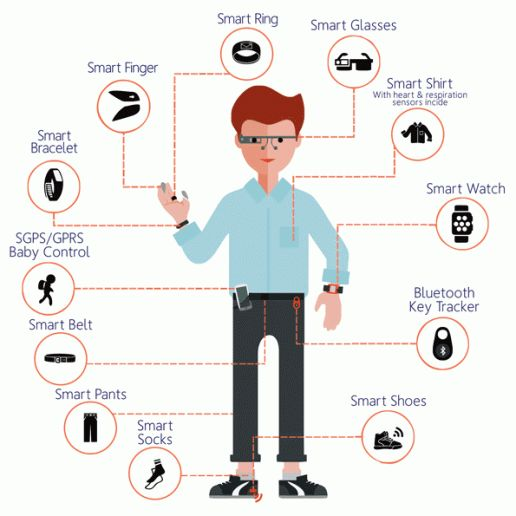
Have you ever wondered how your watch can track your heart rate or how smart glasses show information right before your eyes? That’s the power of wearables technology.
These small, smart devices are designed to make your life easier, healthier, and more connected. But what exactly are wearables, and how can they impact your daily routine? Keep reading to discover the surprising ways wearables can change how you live, work, and play.
You might just find a new gadget you can’t live without.

Credit: medium.com
Wearables Technology Basics
Wearable technology refers to electronic devices that you can wear on your body. These devices collect data, offer convenience, and help monitor health. They connect to other gadgets like smartphones to share information. Wearables are designed to be lightweight and easy to use.
People use wearables for fitness, communication, and even work. They come in many forms and offer various features. Understanding the basics helps in choosing the right device.
Types Of Wearable Devices
- Smartwatches – Track time, fitness, and notifications.
- Fitness trackers – Monitor steps, heart rate, and sleep.
- Smart glasses – Display information and assist with tasks.
- Wearable cameras – Capture photos and videos hands-free.
- Health monitors – Track blood pressure, glucose, and more.
- VR headsets – Create virtual reality experiences.
- Smart clothing – Integrates sensors into fabrics.
Key Features And Functions
- Activity tracking – Counts steps, calories, and distance.
- Health monitoring – Measures heart rate and sleep quality.
- Notifications – Shows calls, messages, and app alerts.
- GPS – Provides location and route tracking.
- Connectivity – Syncs with phones and other devices.
- Voice control – Allows hands-free commands and assistance.
- Water resistance – Protects devices from sweat and rain.
Health And Fitness Impact
Wearable technology has greatly influenced health and fitness. These devices help track body functions and physical activities. They give real-time data that aids in making better health choices. Users get insights to improve their well-being and fitness levels. The convenience of wearables motivates many to stay active daily.
Monitoring Vital Signs
Wearables track important body signals like heart rate, blood pressure, and oxygen levels. They provide constant updates without needing medical equipment. This continuous monitoring helps detect health issues early. Users can share this data with doctors for better care. It also supports managing chronic conditions more effectively.
Enhancing Workout Performance
Wearables guide users to exercise smarter and safer. They measure steps, calories, and activity intensity. This information helps tailor workouts to fit personal goals. Real-time feedback keeps motivation high during exercise. Some devices offer coaching tips based on user performance.
Wearables In Communication
Wearables in communication have changed how people connect every day. These devices make it easier to stay in touch without using traditional phones. They offer quick access to messages, calls, and notifications. Wearables help users communicate more freely and efficiently.
Smartwatches And Connectivity
Smartwatches link directly to smartphones and the internet. They show calls, texts, and social media alerts right on the wrist. Some models support cellular networks, letting users make calls without their phones. This keeps communication steady even on the go.
Many smartwatches include apps for messaging and voice commands. Users can reply to texts or answer calls with simple taps. This hands-on approach keeps people connected without interrupting their daily tasks.
Hands-free Communication
Wearables allow hands-free communication through voice control. Devices like smart earbuds and glasses recognize voice commands. This lets users send messages or make calls without touching the device.
Hands-free options improve safety and convenience. People can talk while driving, exercising, or working. Voice assistants on wearables make communication faster and more natural.

Credit: www.happiestminds.com
Wearables In Daily Life
Wearable technology has become part of everyday life. These devices combine convenience with smart features. They help people stay connected, track health, and make daily tasks easier. Wearables come in many forms, each offering unique benefits to users. Their presence is growing in homes, workplaces, and public spaces.
Smart Glasses And Augmented Reality
Smart glasses overlay digital information onto the real world. Users see directions, notifications, and messages without looking at a phone. Augmented reality (AR) enhances this experience by blending virtual objects with real surroundings.
People use smart glasses for work and leisure. They assist in tasks like navigation, translation, and hands-free communication. AR applications include gaming, education, and shopping. These glasses help users access data quickly and stay engaged with their environment.
Wearable Payment Solutions
Wearable payment devices let users pay quickly and safely. Smartwatches and rings often support contactless payments. They store payment information securely and work with many retailers.
These wearables reduce the need to carry wallets or phones. They speed up transactions and improve hygiene by limiting physical contact. Many people appreciate the ease and security of wearable payments in daily shopping and travel.
Privacy And Security Concerns
Wearable technology collects large amounts of personal data. This raises serious privacy and security concerns. Users must understand the risks linked to their sensitive information. Protecting this data is crucial to avoid misuse or theft.
Data Protection Challenges
Wearables gather health, location, and activity data continuously. Storing this data safely is a complex task. Devices often connect to smartphones or cloud services, increasing security risks. Hackers may target these connections to steal information.
Weak passwords and outdated software make wearables vulnerable. Data breaches can expose private details to unauthorized parties. Ensuring strong encryption and regular updates is essential. Manufacturers must prioritize secure data handling and storage.
User Control And Consent
Many users do not fully understand what data wearables collect. Consent forms are often long and confusing. Users may unknowingly allow extensive data sharing with third parties.
Clear and simple privacy settings help users control their information. Users should have options to limit data collection and sharing. Transparency from companies builds trust and empowers users. Consent must be informed, not just a quick checkbox.

Credit: medium.com
Future Trends
The future of wearable technology is exciting and full of new possibilities. These devices will become smaller, smarter, and more useful in daily life. Expect new features that improve health monitoring, communication, and convenience. The next trends focus on better sensors and stronger links to smart systems. These changes will make wearables more accurate and helpful.
Advances In Sensor Technology
Sensors in wearables will become more sensitive and precise. They will track more health data like blood pressure and oxygen levels. New sensors will measure stress and emotional states. Devices will use less power, lasting longer on a single charge. Miniaturization will make sensors less noticeable and more comfortable. These improvements will give users more detailed health insights.
Integration With Iot And Ai
Wearables will connect better with other smart devices via the Internet of Things (IoT). They will share data with home systems, cars, and workplaces. Artificial Intelligence (AI) will analyze this data to offer useful advice. AI will predict health issues before symptoms appear. Smart assistants will respond faster and more naturally. This integration will create a seamless user experience across many devices.
Frequently Asked Questions
What Is Wearable Technology Used For?
Wearable technology is used to monitor health, track fitness, and enhance communication. It provides real-time data and convenience for users. Common uses include heart rate monitoring, GPS tracking, and notifications.
How Do Wearables Improve Health Monitoring?
Wearables track vital signs like heart rate and sleep patterns continuously. This data helps users and doctors detect health issues early. They promote healthier lifestyles through personalized insights and reminders.
What Are Common Examples Of Wearable Devices?
Common wearables include smartwatches, fitness trackers, smart glasses, and VR headsets. These devices connect to smartphones and provide various functions. They blend technology seamlessly into daily life.
Are Wearables Compatible With Smartphones?
Yes, most wearables sync with smartphones via Bluetooth or Wi-Fi. This allows data sharing, notifications, and remote control features. Compatibility varies by brand and device type.
Conclusion
Wearable technology has transformed how we interact with devices daily. These gadgets offer convenience, tracking health and fitness easily. From smartwatches to fitness bands, wearables keep improving. They help monitor your health and make life simpler. As technology advances, wearables will become more useful and accessible.
They offer a glimpse into the future of personal tech. Embracing wearables can enhance your everyday life efficiently. Stay updated with this evolving trend. Wearables are here to stay and will only get better. Keep exploring their potential benefits and stay connected.
Leave a Reply