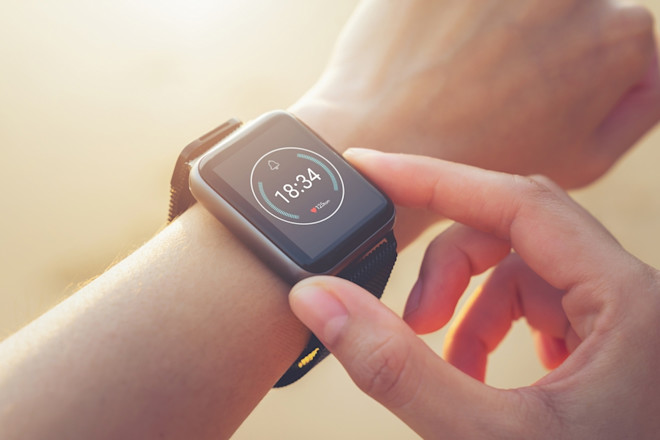
Have you ever wondered if that fitness tracker on your wrist is actually helping you get healthier? You’re not alone.
Wearable fitness technology promises to boost your motivation, track your progress, and guide you toward better habits. But does it really deliver on those promises, or is it just another gadget collecting dust? If you want to know how these devices impact your health for real, keep reading.
This article will uncover the truth behind wearable fitness technology and whether it can truly make a difference in your life.
Rise Of Wearable Fitness Tech
Wearable fitness technology has become a common part of daily life. These devices track steps, heart rate, and sleep patterns. People use them to stay active and monitor health. The rise of wearable fitness tech shows a shift toward personal health management. Technology helps users set goals and see progress easily.
Popular Devices And Features
Fitness trackers and smartwatches lead the market. They offer various features to support health:
- Step counting to encourage movement
- Heart rate monitoring for exercise intensity
- Sleep tracking to improve rest quality
- Calorie counting to manage diet
- GPS for outdoor activities
- Notifications to remind users to stay active
These features make it easier to understand and improve daily habits.
Growth In User Adoption
The number of wearable tech users has grown quickly. More people want to take control of their health. Devices are more affordable and easier to use. Fitness apps connect with wearables for better tracking and motivation. This growth shows a strong interest in health and wellness technology.

Credit: www.thedailybeast.com
Impact On Physical Activity
Wearable fitness technology influences physical activity in several ways. These devices offer real-time data that helps users understand their movement patterns. They encourage users to move more by showing clear progress and areas needing improvement. The impact on physical activity is often seen through increased awareness and better tracking of daily habits.
Tracking Steps And Workouts
Wearables track steps taken throughout the day, giving users a clear number to reach or exceed. This simple data helps people become more active by making walking measurable and fun. Many devices also record different types of workouts, such as running, cycling, or swimming. This helps users see how much effort they put into each session. Visual feedback on calories burned or distance covered can make workouts feel more rewarding.
Motivation And Goal Setting
Fitness trackers set daily or weekly goals that push users to stay active. Achieving these goals brings a sense of accomplishment and keeps motivation high. Some wearables send reminders to move if a user has been inactive too long. This gentle nudge helps break long periods of sitting. Social features allow users to share progress with friends, adding friendly competition. These elements make staying active easier and more enjoyable for many people.
Effect On Health Metrics
The effect of wearable fitness technology on health metrics is a key reason many people invest in these devices. These gadgets offer detailed data about your body’s functions, which can help you understand your health better. But does having this information truly lead to healthier habits and outcomes?
Heart Rate And Sleep Monitoring
Wearables track your heart rate continuously, giving you real-time feedback on how your body responds to different activities. This can alert you to unusual patterns, such as a resting heart rate that’s too high or irregular beats, prompting timely medical advice.
Sleep tracking is another crucial feature. Many users find that seeing their sleep quality data motivates them to improve bedtime routines. For example, noticing frequent restlessness can encourage you to reduce screen time before bed or adjust your sleeping environment.
Have you ever realized how poor sleep was affecting your energy levels only after seeing the data? That insight alone can push you to make meaningful changes.
Weight Management And Diet Tracking
Tracking your weight and diet through wearables or connected apps offers clear, measurable goals. You can log meals, monitor calorie intake, and see how your physical activity balances your energy use.
Many users report that this visibility helps them avoid mindless eating and stay consistent with healthier food choices. Seeing progress in your weight or fitness goals on the device acts as a strong motivator to keep going.
However, it’s important to remember that data alone won’t change habits. You still need to act on the information by making intentional choices about your meals and exercise routines.

Credit: www.latimes.com
Behavioral Changes And Habits
Wearable fitness technology influences how people change their behaviors and build new habits. It offers real-time data that can help users understand their activity levels and health status better. This insight often motivates small changes in daily routines.
Some users report feeling more responsible for their health because they can track progress easily. The technology can encourage consistent exercise and better sleep habits. However, maintaining these changes over time can be difficult.
Increased Awareness And Accountability
Wearables provide immediate feedback on physical activity, heart rate, and calories burned. This instant information raises awareness about daily habits. Users become more conscious of their movement and rest patterns.
Many people feel accountable because devices set goals and remind them to stay active. Seeing progress or lack of it can push users to improve. Sharing achievements with friends adds a social element that increases motivation.
Challenges In Long-term Usage
Initial enthusiasm often fades after a few months. Some users stop wearing devices or ignore alerts. The constant stream of data may feel overwhelming or stressful over time.
Technical issues, battery life, and device comfort also affect continued use. Without clear goals, users might lose interest. Changing habits is hard, and wearables alone cannot ensure lasting behavior change.
Limitations And Risks
Wearable fitness technology offers exciting possibilities, but it’s important to understand its limitations and risks. These devices are not perfect and can sometimes lead to misleading information or unintended consequences. Before fully trusting your wearable, consider the challenges it presents.
Accuracy Concerns
Wearables often promise precise tracking of your activity, heart rate, and sleep patterns. However, their accuracy can vary widely depending on the brand and model. For example, wrist-based heart rate monitors might struggle to deliver exact readings during intense exercise or irregular movements.
This inconsistency can affect your motivation and decisions. If your device underestimates calories burned, you might eat more than needed. Overestimations can cause unnecessary worry about your health. Have you ever noticed your step count fluctuate wildly on different days without a clear reason?
Understanding that these devices provide estimates—not absolute truths—can help you use their data more wisely. Cross-checking with other health indicators or professional advice is often necessary.
Privacy And Data Security
Your wearable collects a lot of sensitive information about your daily habits and health. This data often gets stored on cloud servers, exposing it to potential breaches. You might be surprised how many apps share your information with advertisers or third parties without clear consent.
Think about what it means if your health data falls into the wrong hands. Could it affect your insurance rates or job prospects? These are real concerns that many people overlook when excited about tracking their fitness.
To protect yourself, always review the privacy policies of your device and app. Use strong passwords and update your software regularly. Remember, your health data is personal—treat it with the same care you would your wallet or keys.
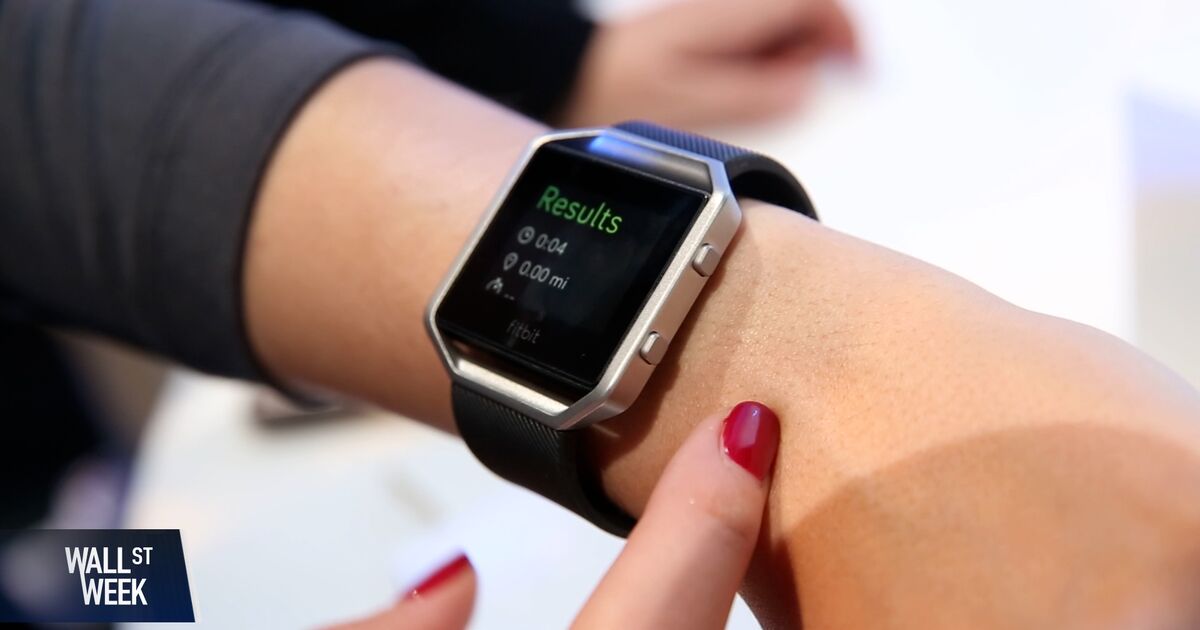
Credit: www.bloomberg.com
Expert Opinions And Research
Experts and research offer valuable insights into whether wearable fitness technology truly improves health. Understanding their findings helps you decide if these devices are worth your time and investment. Let’s break down what clinical studies reveal and what health professionals think about this popular trend.
Clinical Studies On Effectiveness
Clinical studies show mixed results about fitness trackers’ impact on health. Some research highlights that users increase their daily activity by tracking steps or heart rate. However, these effects often fade after a few months without sustained motivation.
One study found that people using wearables walked about 1,000 more steps daily in the first three months. Yet, after six months, many returned to their previous activity levels. This suggests wearables can jumpstart healthier habits, but they don’t guarantee lasting change without personal commitment.
Have you noticed a drop in enthusiasm after the first excitement with your device? This common pattern raises the question: how can you keep yourself motivated beyond the initial phase?
Insights From Health Professionals
Health professionals often see wearables as useful tools, but not magic fixes. Many doctors emphasize that wearables provide valuable data, helping users become more aware of their habits.
Some experts warn that relying too much on technology might cause people to ignore other important health factors like nutrition and sleep quality. They recommend combining wearable data with professional advice and self-awareness for better results.
One nutritionist shared how a patient improved weight management by monitoring physical activity and food intake together. This shows wearables work best when part of a broader health plan.
What’s your plan to use your wearable device beyond tracking numbers? Could integrating professional guidance make a bigger difference in your health journey?
Future Trends In Fitness Tech
The future of fitness technology promises exciting changes. Devices will become smarter and more connected. They will offer deeper insights into health and activity. Users will benefit from tools that adapt to their unique needs. Technology will blend fitness and healthcare like never before.
Integration With Healthcare Systems
Wearable fitness devices will link directly with healthcare providers. Doctors can receive real-time data about patients’ physical activity. This connection helps spot health issues early. It makes personalized treatment plans possible. Secure sharing of information will protect privacy. Patients may get reminders for medication and appointments. This integration supports a healthier lifestyle beyond the gym.
Advancements In Ai And Personalization
Artificial intelligence will improve how devices understand users. AI can analyze habits and suggest better routines. It learns from progress and adjusts goals accordingly. Personal coaching will become more precise and helpful. Users will get alerts tailored to their health needs. These smart systems encourage consistent and safe exercise. The experience will feel more natural and motivating.
Frequently Asked Questions
How Do Wearable Fitness Devices Improve Health?
Wearable fitness devices track activity, heart rate, and sleep. They motivate users to stay active and make healthier choices daily.
Can Fitness Trackers Increase Exercise Motivation?
Yes, fitness trackers offer real-time feedback and goal setting. This boosts motivation by encouraging consistent workouts and progress monitoring.
Are Wearable Fitness Gadgets Accurate For Health Data?
Most devices provide reasonably accurate data for steps and heart rate. However, some measurements may vary depending on device quality and usage.
Do Wearables Help In Managing Chronic Health Conditions?
Wearables can monitor vital signs and alert users to abnormalities. This assists in better management of conditions like diabetes and hypertension.
Conclusion
Wearable fitness technology can support healthier habits. It tracks steps, heart rate, and sleep. Users gain insights into their daily activities. This data encourages more movement and better sleep. Yet, it’s not a magic solution. Consistent effort is key to health improvement.
Some might find motivation through competition. Others might enjoy personal achievements. It’s important to choose tech that fits personal needs. Remember, gadgets can guide, but commitment is essential. Fitness technology is a useful tool. But, individual motivation and lifestyle choices matter most.
Embrace technology wisely for a healthier life journey.
Leave a Reply