Have you ever wondered if wearing a fitness tracker or smartwatch can truly improve your health? You see all these gadgets promising to boost your fitness, track your sleep, and even manage stress.
But do they actually help you make better choices, or are they just cool accessories? This article will dive into how wearable technology affects your health and whether it can really make a difference in your daily life. Keep reading—you might discover surprising truths that could change how you view your own well-being.
Rise Of Wearable Tech
Wearable technology has become a common part of daily life. These devices help track health, fitness, and even sleep patterns. They provide real-time data that encourages better habits. The rise of wearable tech shows a growing interest in personal health management. People seek simple ways to stay active and monitor their wellbeing.
Popular Devices Today
- Fitness trackers like Fitbit and Garmin
- Smartwatches such as Apple Watch and Samsung Galaxy Watch
- Heart rate monitors and pulse oximeters
- Smart rings and wearable ECG devices
- Sleep trackers integrated into bands and watches
Key Features And Functions
- Step counting and distance measurement
- Heart rate and blood oxygen monitoring
- Sleep quality analysis and tracking
- Calorie burn and activity tracking
- Notifications for calls, messages, and reminders
- GPS for outdoor activity mapping
- Water resistance for swimming and weather protection

Credit: blog.stackademic.com
Health Benefits Claimed
Wearable technology promises to improve your health by giving you detailed insights into your daily habits and body functions. These devices claim to help you make smarter choices by tracking key health metrics. But what specific benefits do they offer, and how can they affect your wellbeing?
Activity Tracking
Wearables count your steps, measure distance, and track calories burned. This data encourages you to move more and sit less, making it easier to set and reach fitness goals.
Imagine noticing you walk less on certain days—this awareness can push you to take a quick walk or stretch. Do you find tracking your daily activity motivates you to stay active?
Sleep Monitoring
Many devices analyze your sleep patterns, including how long and how well you sleep. This information can reveal if you’re getting enough deep sleep or waking up frequently.
Knowing your sleep quality helps you adjust bedtime habits, like reducing screen time or changing your sleep environment. Have you ever changed your routine based on sleep data and felt more refreshed?
Heart Rate Insights
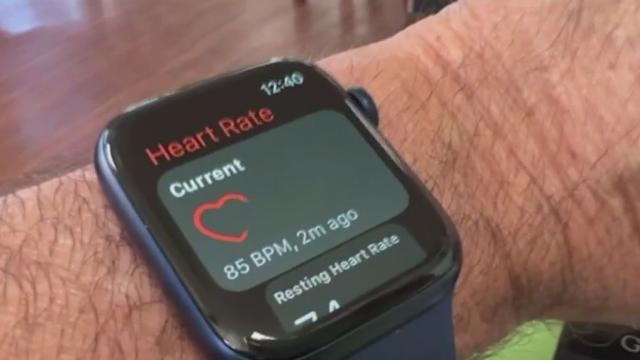
Wearables provide continuous heart rate tracking, showing how your heart responds during rest and exercise. You can detect unusual spikes or drops that might need medical attention.
This constant monitoring helps you understand your fitness level and stress management. Could knowing your heart rate in real-time change how you approach workouts or relaxation?
Impact On User Behavior
Wearable technology often promises to transform your health by tracking your activities and providing real-time feedback. But how does this tech actually change the way you behave? The impact on your daily routines and mindset can be surprisingly significant, shaping not just what you do, but how you think about your health.
Motivation And Accountability
Wearables keep you motivated by showing clear progress. Seeing your step count rise or your heart rate improve creates a sense of achievement that pushes you to keep going.
They also hold you accountable. When your device tracks your habits, you’re more likely to stick to your goals because you know someone—or something—is watching. This can be especially powerful if you share your progress with friends or participate in challenges.
Consider how a friend of mine started using a fitness tracker. Initially, she barely hit 3,000 steps a day. Once she saw her stats and joined a weekly walking challenge, she consistently surpassed 7,000 steps. That accountability made all the difference.
Long-term Habit Changes
Wearables can help you build lasting habits, but only if you use them thoughtfully. They provide data that helps you identify patterns, like when you’re most active or when you tend to skip workouts.
Over time, this insight helps you make small adjustments that add up. For example, setting reminders to stand up or stretch can break long periods of sitting, which is key to better health.
However, the biggest question is whether these changes stick once the novelty wears off. Many users find that the initial excitement fades, and without deeper motivation, they revert to old habits. How will you keep your health journey alive beyond the screen?
Limitations And Drawbacks
Wearable technology promises to boost your health by tracking activity, sleep, and vital signs. However, these devices come with notable limitations that can affect how much they truly help you. Understanding these drawbacks helps you make smarter choices and avoid frustration.
Accuracy Concerns
Many wearables struggle with precise data collection. Heart rate monitors may falter during intense exercise, and step counters often misinterpret movements like driving or cooking as steps.
I once trusted my fitness tracker to count calories burned during a workout, only to find the numbers were off by a large margin. This raises the question: How much can you rely on these devices for critical health decisions?
Data Overload
Wearables generate a flood of information daily. This can overwhelm you, making it hard to focus on what really matters for your health.
Too many charts and metrics may cause anxiety or lead to ignoring the data altogether. Instead of helping, the constant stream of notifications might distract you from actual lifestyle improvements.
Privacy Issues
Your health data is sensitive, yet many wearables share this information with third parties for marketing or research without clear consent. This can put your personal information at risk.
Would you feel comfortable knowing your daily habits could be sold or hacked? Protecting your privacy means reading privacy policies closely and adjusting device settings to limit data sharing.
Psychological Effects
Wearable technology promises to boost your health by tracking everything from steps to sleep quality. Yet, these benefits come with psychological effects that are often overlooked. Understanding how constant monitoring and device dependence influence your mental state is crucial for balancing tech use with your well-being.
Stress From Constant Monitoring
Getting real-time updates about your heart rate or calorie burn might seem helpful, but it can also create pressure. You may start feeling anxious if your numbers don’t meet daily goals or if irregular patterns appear. This stress can reduce your motivation instead of increasing it.
Imagine checking your smartwatch every few minutes and feeling frustrated when the data doesn’t improve. Does this constant feedback push you toward healthier habits, or does it add unnecessary worry? Finding a balance between awareness and obsession is key to maintaining peace of mind.
Dependence On Devices
Relying heavily on wearable tech might make you less in tune with your body’s natural signals. You could begin ignoring hunger, fatigue, or pain because you trust the device’s data more than your own feelings. This dependence risks disconnecting you from your intuitive health cues.
Think about times when you felt tired but ignored it because your tracker showed “active” minutes remaining. Over time, this reliance might reduce your confidence in making health decisions without technology. How often do you listen to your body versus your device?
Expert Opinions
Experts offer a range of opinions on whether wearable technology truly makes you healthier. Their insights come from firsthand experiences, clinical evidence, and industry trends. Understanding these views can help you decide how much trust to place in your device’s promises.
Medical Community Views
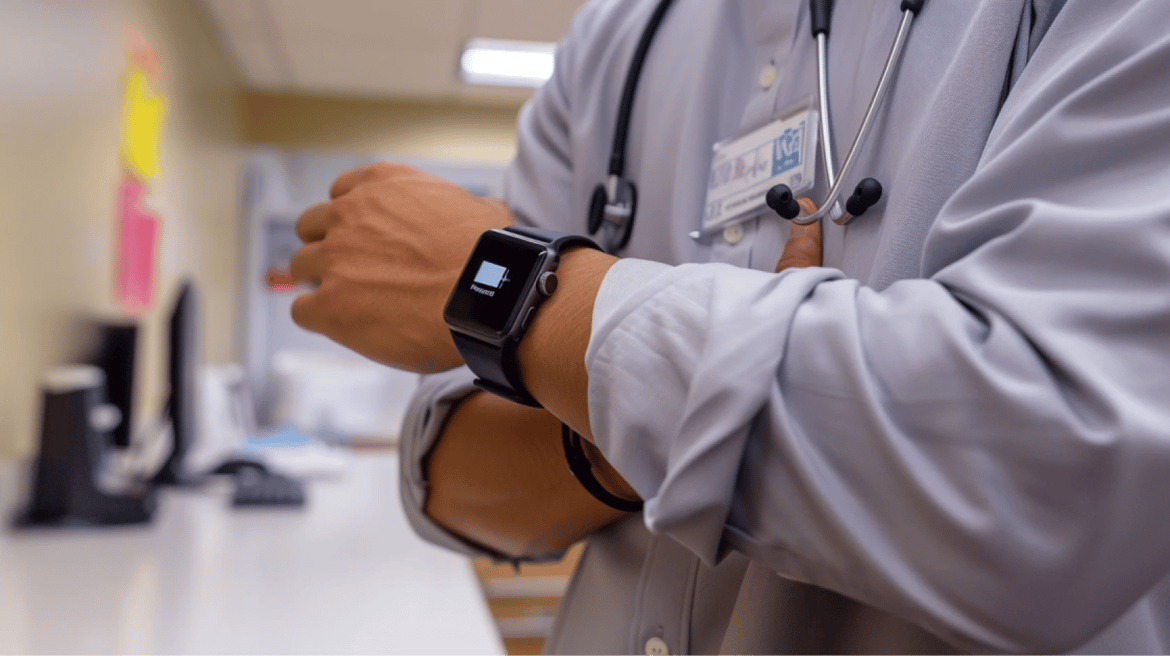
Many doctors appreciate wearables for raising awareness about health. Devices that track heart rate, sleep, and activity can motivate you to move more or get better rest. However, some experts warn that wearables can cause unnecessary stress if the data is misunderstood.
One cardiologist shared how a patient’s smartwatch alerted them to an irregular heartbeat, leading to early treatment. Yet, the same doctor noted that many patients obsess over minor fluctuations that aren’t harmful. The medical community often emphasizes using wearables as tools—not replacements for professional advice.
Tech Industry Perspectives
Tech companies focus on innovation and user engagement. They highlight how wearables provide real-time feedback, helping you set goals and track progress easily. Features like personalized coaching and integration with health apps add value beyond basic tracking.
At the same time, industry insiders acknowledge limitations. Data accuracy can vary, and privacy concerns remain a hot topic. They encourage users to combine wearable insights with lifestyle changes for the best results.
- Wearables increase user motivation through gamification.
- Continuous updates improve accuracy over time.
- User feedback drives new health features.
So, do you rely on your wearable as a health coach or just a helpful reminder? The answer might depend on how you interpret and act on the data it provides.
Future Of Wearable Health Tech
The future of wearable health tech promises to change how you manage your wellness daily. These devices are evolving beyond simple step counters and heart rate monitors. They aim to give you deeper insights and more control over your health.
Emerging Innovations
Wearable technology is advancing rapidly with new features that track more than just physical activity. Sensors now measure blood oxygen levels, stress markers, and even early signs of illness. Imagine a watch that alerts you to dehydration before you feel thirsty.
Some devices are integrating with smart clothing to monitor muscle activity and posture throughout the day. This can help prevent injuries or chronic pain by encouraging better habits. Have you thought about how your body moves and reacts during your daily routine?
Potential For Personalized Care
Wearables are becoming tools for personalized health advice tailored just for you. They collect data that doctors can use to adjust treatments or recommend lifestyle changes in real time. This shifts healthcare from reactive to proactive.
Think about getting reminders based on your unique patterns, like when to take medication or when to rest. This kind of customization can improve your health outcomes significantly. How would it feel to have a health coach on your wrist, guiding you every step?

Credit: www.jacc.org
Credit: www.otandp.com
Frequently Asked Questions
How Does Wearable Technology Improve Health?
Wearable technology tracks vital signs and activity levels in real time. It motivates users to stay active and monitor their health. This helps in early detection of health issues and promotes healthier habits.
Can Wearables Track Sleep Quality Effectively?
Yes, wearables monitor sleep patterns using sensors to detect movement and heart rate. They provide insights into sleep duration and quality, helping users improve rest and overall health.
Do Wearable Devices Encourage Regular Exercise?
Wearables set fitness goals and send reminders to stay active. This accountability increases motivation, making users more likely to exercise regularly and maintain a healthier lifestyle.
Are Wearable Health Devices Accurate?
Wearable devices offer reasonably accurate health data but may not replace medical-grade equipment. They are useful for daily monitoring but should not replace professional medical advice.
Conclusion
Wearable technology can boost your health awareness. It tracks your daily activities. You see real-time data about your steps and sleep. This helps you make better health choices. Consistency is key. These devices remind you to stay active. But they don’t replace medical advice.
Always listen to your body. Wearables provide useful insights. Yet, personal commitment matters most. Stay motivated and set achievable goals. Embrace technology as a helpful tool. It can support your healthy lifestyle journey. Keep moving forward. Small steps lead to big changes.
Leave a Reply