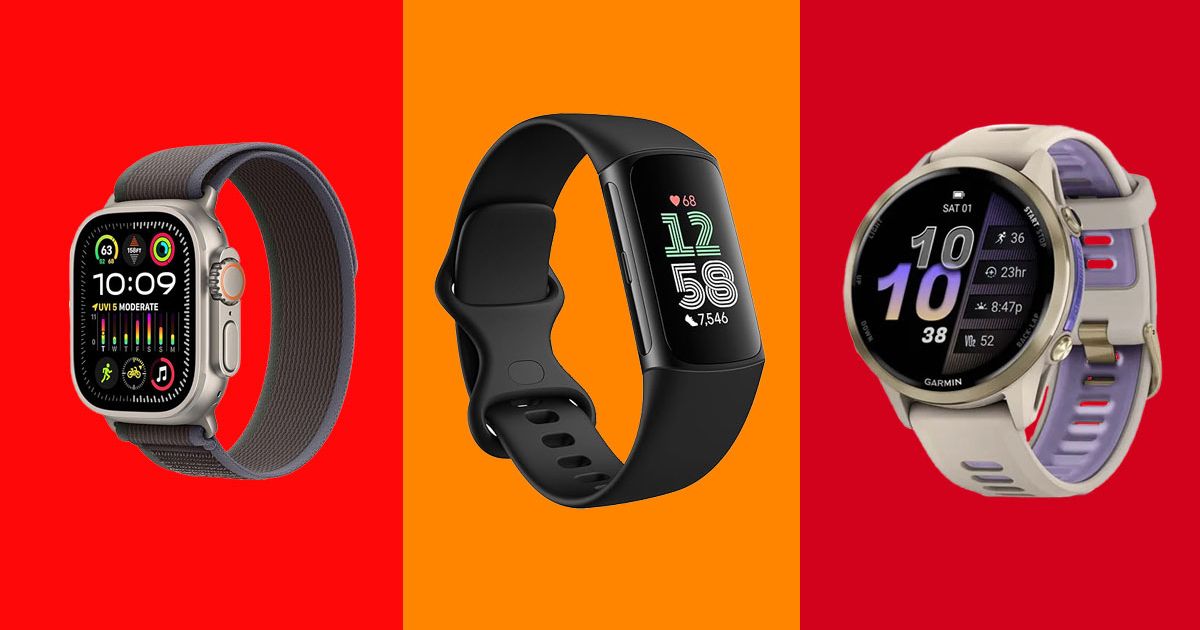
Imagine having a device that knows exactly how active you are, how well you sleep, and even how your heart is doing—all in real time. What if this device could help you make smarter choices about your health every single day?
You don’t have to guess anymore. This wearable technology tracks your wellness and physical activity, giving you clear, simple insights that empower you to take control of your health. Keep reading to discover how this small gadget can make a big difference in your life.
Features Of The Ultimate Health Tracker
The ultimate health tracker is more than just a gadget; it’s your personal wellness assistant. It combines multiple features that give you a clear picture of your physical and mental health. Understanding these features can help you make smarter decisions about your daily habits and fitness goals.
Activity Monitoring
Activity monitoring keeps track of your movements throughout the day, from steps taken to distance traveled. It encourages you to stay active by setting daily goals and sending reminders when you’ve been inactive for too long. Have you noticed how a simple notification can nudge you to take a quick walk and refresh your mind?
Heart Rate Tracking
Continuous heart rate tracking helps you understand how your heart responds during different activities and rest periods. It can alert you to abnormal heart rates, which might be a sign to slow down or seek medical advice. This feature turns your tracker into a vital health tool rather than just a fitness accessory.
Sleep Analysis
Good sleep is key to overall wellness, and sleep analysis breaks down your sleep patterns into stages like deep, light, and REM sleep. Knowing how well you sleep each night can help you adjust your bedtime routine for better rest. Have you ever realized that improving your sleep quality made your workouts more effective?
Stress Level Detection
Stress level detection uses heart rate variability and other signals to estimate how stressed you are throughout the day. By identifying stress spikes, the tracker can suggest breathing exercises or breaks to help you regain calm. How often do you pause to check in with your stress levels before they affect your health?
Calorie Counting
Calorie counting tracks the energy you burn during activities and compares it with your calorie intake. This balance is crucial if you want to lose weight, gain muscle, or maintain your current fitness level. With clear data at your fingertips, you can make more informed food choices and adjust your exercise accordingly.
Design And Comfort
Design and comfort play a crucial role in wearable technology. A device that tracks wellness and physical activity must fit well and feel good on the skin. Comfort encourages users to wear it all day without irritation or distraction.
The right design balances style and function. It should be lightweight, breathable, and smooth to touch. A good design helps the device stay secure during movement without feeling tight or heavy.
Material And Build
The choice of materials affects both durability and comfort. Soft silicone and flexible rubber bands prevent skin irritation. Lightweight metals and plastics make the device sturdy without adding bulk.
Breathable fabrics or perforated bands help reduce sweat build-up. Water-resistant and hypoallergenic materials protect the skin and device. Quality build ensures the tracker lasts through daily wear and workouts.
Wearability
Wearability means the device fits different wrist sizes comfortably. Adjustable straps or bands allow a custom fit. The device should feel secure but not tight or pinching.
Its shape should follow the wrist’s natural curve. Smooth edges and rounded corners prevent chafing. The tracker must stay in place during walking, running, or sleeping.
Customization Options
Customization adds personal style and better fit. Users can choose from various band colors and materials. Swappable bands let users match their outfit or mood.
Some devices offer adjustable screen brightness or watch faces. This lets users see data clearly in different light conditions. Custom options make the wearable feel unique and personal.
Technology Behind The Tracker
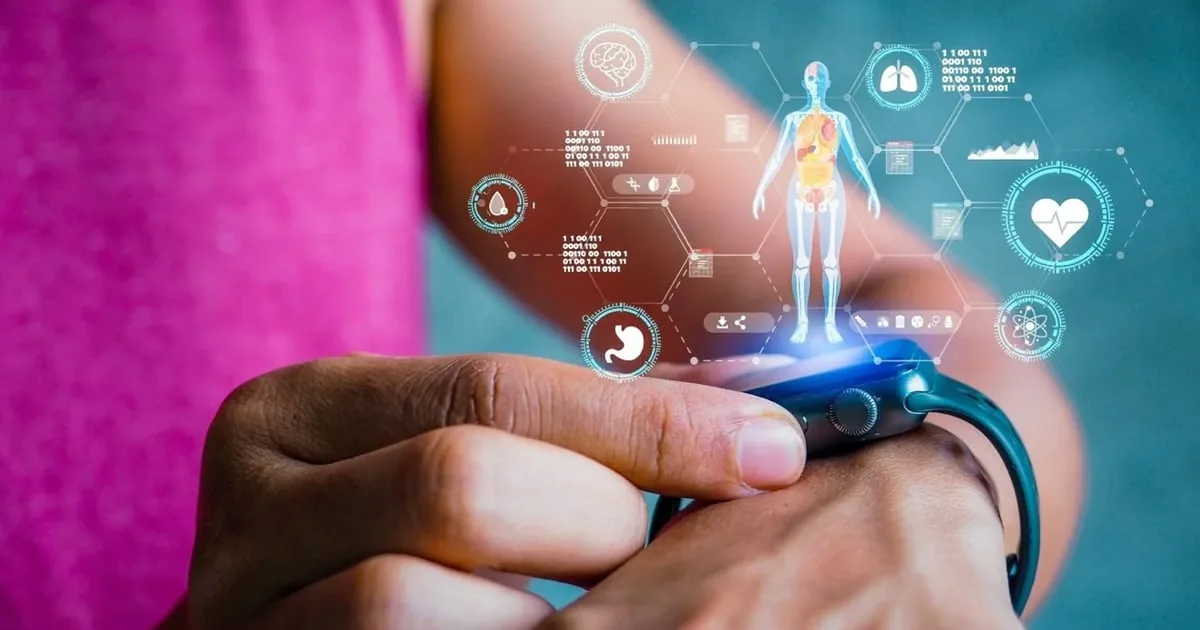
Wearable technology uses advanced tools to monitor your health and activity. It combines small devices, smart sensors, and software to provide real-time data. This technology helps track steps, heart rate, sleep, and more. Understanding the technology behind these trackers reveals how they work and why they are reliable.
Sensors Used
Wearable trackers use various sensors to collect health data. Accelerometers measure movement and count steps. Gyroscopes detect body orientation and rotation. Optical sensors track heart rate by shining light on the skin. Some devices include temperature sensors to monitor body heat. These sensors gather accurate data throughout the day.
Data Processing
The raw data from sensors needs processing to become useful. Built-in microchips analyze this data quickly. Algorithms filter out noise and errors for accuracy. Processed data turns into understandable metrics like calories burned or distance traveled. This step allows users to see clear and simple information about their health.
Connectivity And Compatibility
Wearable devices connect with smartphones and computers using Bluetooth or Wi-Fi. This connection allows data syncing and sharing with apps. Most trackers are compatible with popular operating systems like iOS and Android. Compatibility ensures users can easily access and manage their health data. It also supports updates and new features over time.

Credit: www.access-healthcare.net
Benefits For Users
Wearable technology designed to track your wellness and physical activity offers more than just data—it empowers you. Understanding the benefits can help you make smarter choices every day and keep your health on the right track. Let’s dive into how these devices can truly enhance your lifestyle.
Motivation And Goal Setting
Tracking your steps, calories, or sleep patterns creates clear targets to aim for. When you see progress in real-time, it sparks motivation to keep going. You might surprise yourself by reaching a daily step goal you never thought possible.
Setting specific goals becomes easier with feedback from your device. It nudges you to push a little harder or celebrate small wins, making your fitness journey feel more rewarding. How often do you find yourself motivated by just seeing numbers improve?
Health Insights
Your wearable gathers important health data like heart rate, sleep quality, and activity levels. This information helps you spot patterns and understand how your lifestyle affects your body. For example, noticing poor sleep after late-night screen time might encourage you to change habits.
Some devices even alert you to irregularities that might need medical attention. This early detection can be crucial for preventing serious issues. Are you paying attention to what your body is telling you through your wearable?
Improved Physical Activity
Wearables make it easy to track different types of exercise, from running to yoga. You get a clear picture of your activity variety and intensity. This helps you balance workouts and avoid overtraining or injury.
Seeing your activity stats daily encourages you to stay active even on busy days. Simple reminders to move or stretch can make a big difference in overall fitness. What small changes could you add to your routine starting today?
Preventive Health Measures
By consistently monitoring your wellness, you can catch early signs of stress, fatigue, or other health issues. This allows you to take action before problems escalate. For instance, noticing increased resting heart rate could prompt you to rest or consult a doctor.
Wearables help you build a proactive approach to health rather than reacting to symptoms. This shift can save you time, money, and discomfort in the long run. How often do you think about health prevention in your daily life?
Battery Life And Charging
Battery life and charging are crucial factors when choosing a wearable device to track your wellness and physical activity. A device that runs out of power quickly can disrupt your routine and data collection. Understanding how your wearable manages battery performance and charging can help you make the most of its features without frequent interruptions.
Battery Performance
The battery life of wearables varies widely, often ranging from a single day to several weeks. Devices with continuous heart rate monitoring or GPS tracking tend to drain power faster. You might notice that using certain features, like sleep tracking overnight, can impact how long the battery lasts.
Ask yourself: How long do you want to wear the device without charging? If you’re active all day, a longer battery life means less hassle. Some users find that a wearable lasting 5-7 days strikes the best balance between functionality and convenience.
Charging Methods
Charging options differ among wearables, and this affects how easily you can keep your device powered. Many use magnetic chargers that snap onto the back of the device, while others may rely on USB cables or wireless charging pads. Quick charging features can be a lifesaver when you need a fast boost before heading out.
- Magnetic chargers offer simple attachment and detachment.
- USB charging is common but may require carrying cables.
- Wireless charging adds convenience but often at a slower rate.
Think about your daily habits: Would you prefer charging overnight or topping up during the day? Your answer can guide you toward a wearable that fits your lifestyle.
Power Saving Modes
Many wearables include power saving modes to extend battery life when you need it most. These modes often limit background activity, reduce screen brightness, or pause non-essential features. Activating power saving can add hours or even days to your device’s battery life.
Have you tried using power saving mode to stretch your wearable’s battery? It’s a simple way to avoid missing important health data during busy times. Experiment with these settings to find a balance between functionality and endurance that works for you.
Mobile App Integration
Mobile app integration is the heart of any wearable technology designed to track your wellness and physical activity. It acts as the bridge between the raw data collected by the device and your understanding of it. A well-designed app transforms numbers into insights, making it easier for you to stay motivated and informed about your health journey.
User Interface
A clean and simple user interface can make a huge difference in how you interact with your wellness data. Imagine opening an app where everything you need is just a tap away—no clutter, no confusion. Easy navigation helps you quickly check your step count, heart rate, or sleep patterns without getting lost in menus.
Have you ever stopped using an app because it felt too complicated? That’s why the best wellness apps focus on clarity, using large icons, readable fonts, and intuitive layouts to keep you engaged every day.
Data Visualization
Numbers alone don’t tell the full story. Visual elements like graphs, charts, and progress bars turn your activity stats into clear, understandable trends. Seeing your daily steps rise or your sleep improve over weeks can be incredibly motivating.
Think about how you track your spending with pie charts or bar graphs—why not your health? Good data visualization makes it easier to spot patterns and adjust your habits effectively.
Social Sharing Features
Sharing your achievements with friends can add a layer of motivation that’s hard to beat. Many apps now let you post your workout results or wellness milestones directly to social media or within the app’s community.
What if your friends could cheer you on or even join challenges? Social features turn wellness tracking into a shared experience, encouraging consistency and friendly competition.
Personalized Recommendations
Your wellness journey isn’t one-size-fits-all, and neither should your app be. The best apps analyze your data to offer tailored tips, like suggesting more rest days or recommending specific workouts based on your performance.
Have you noticed how some apps nudge you to hydrate more or adjust your sleep schedule? These personalized recommendations help you make smarter choices without guesswork, keeping your goals realistic and achievable.
Comparing With Other Wearables
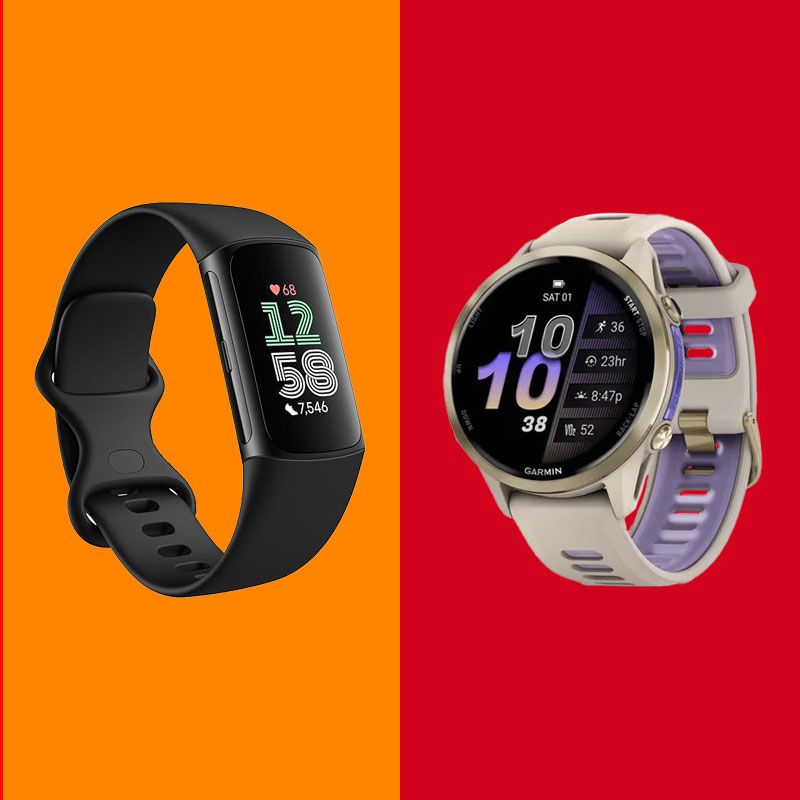
Comparing this wearable technology with others highlights its strengths and weaknesses. Understanding these differences helps users choose the best device for their wellness and activity needs. Each wearable offers unique benefits in price, features, and user experience.
Price And Value
The price of wearables varies widely across brands and models. This device offers competitive pricing without sacrificing essential features. Some wearables cost more but provide fewer functions. Others are cheaper but lack accuracy or durability.
Value depends on what users need from the wearable. Investing in a device that tracks multiple health metrics adds long-term worth. Budget-friendly options might suit casual users better.
Unique Features
- Advanced heart rate monitoring with real-time alerts
- Sleep tracking that distinguishes sleep stages clearly
- Stress management tools using guided breathing exercises
- Customizable activity goals based on personal fitness levels
- Water-resistant design suitable for swimming and showers
Many wearables lack some of these features or combine them less effectively. This wearable blends technology and wellness support seamlessly.
User Feedback
Users praise the device for its ease of use and reliable data. Many find the app interface simple and helpful for tracking progress. Some mention battery life as a strong point compared to competitors.
Common concerns include occasional syncing delays and screen sensitivity. Overall, positive reviews highlight how this wearable supports daily health routines effectively.
Credit: www.larahealth.com.tr
Privacy And Data Security
Privacy and data security are vital for wearable technology that tracks wellness and physical activity. Users share sensitive health information. Protecting this data builds trust and ensures safety. Companies use strong measures to keep data safe from breaches and misuse. Understanding these protections helps users feel confident while using the device.
Data Encryption
Data encryption scrambles information to prevent unauthorized access. It protects data during transmission and storage. Only authorized parties can decode the encrypted data. This method keeps health details secure from hackers. Encryption uses strong algorithms that are hard to break.
User Control
Users have control over their data sharing preferences. They can choose what information to share or keep private. Many devices offer settings to manage permissions easily. Users can delete or download their data anytime. Control empowers users to protect their privacy actively.
Compliance With Regulations
Wearable devices follow strict laws about data privacy. These laws vary by country but focus on user rights and data protection. Companies must meet standards like GDPR or HIPAA. Compliance ensures data is handled responsibly and transparently. It also provides legal safeguards for users.
Tips For Maximizing Tracker Use
Using a wearable wellness and activity tracker can change the way you understand your health. But just owning one isn’t enough. You need to use it smartly to truly benefit. Here are practical tips to help you get the most out of your device every day.
Daily Routine Integration
Make your tracker a natural part of your day. Wear it from the moment you wake up until you go to bed. This constant use provides a complete picture of your activity and rest.
Set reminders on your tracker or phone to move if you’ve been inactive for too long. Small actions, like standing up during work or taking a short walk after meals, add up. How often do you find yourself sitting without realizing it?
Sync your tracker with other apps you already use. This helps gather all your health data in one place, making it easier to track progress and spot trends.
Setting Realistic Goals
Start with achievable targets based on your current activity level. If you usually walk 3,000 steps a day, aiming for 10,000 immediately can feel overwhelming and discouraging.
Break bigger goals into smaller milestones. Celebrate hitting 5,000 steps before aiming higher. This keeps motivation high and your progress steady.
Adjust goals based on your daily feelings and energy. Some days require rest, and your tracker can help you listen to your body. What’s a goal you set that felt just right for your pace?
Interpreting Data Effectively
Your tracker collects a lot of information, but numbers alone don’t tell the whole story. Look for patterns over days or weeks instead of fixating on single readings.
Focus on trends like improved sleep quality or increased active minutes rather than just step counts. This shows how your habits impact your overall wellness.
Use the data to ask yourself questions: Are you more active in the morning or evening? Does your heart rate spike during certain activities? Understanding these details helps you make smarter health choices.
Credit: nymag.com
Frequently Asked Questions
What Features Does Wearable Technology For Wellness Include?
Wearable technology tracks heart rate, sleep patterns, and daily activity. It also monitors calories burned and stress levels. These features help users understand and improve their overall health.
How Accurate Is Wearable Technology In Tracking Physical Activity?
Wearables use sensors and algorithms to provide reliable data. Accuracy varies by device but is generally high for steps and heart rate. Regular updates improve precision over time.
Can Wearable Devices Help Improve Fitness Goals?
Yes, wearables motivate users by setting goals and tracking progress. Real-time feedback encourages consistent exercise and healthy habits. They help users stay accountable and motivated.
Are Wearable Wellness Trackers Suitable For All Age Groups?
Most wearable trackers are designed for adults but many models suit teens and seniors. User-friendly interfaces make them accessible across ages. Health benefits apply to diverse populations.
Conclusion
Wearable technology is changing how we track wellness. These devices offer valuable insights. They help you understand your body better. You can monitor your heart rate easily. Track steps taken each day. Stay informed about your sleep patterns. Know when you’re active or resting.
This technology supports a healthier lifestyle. It’s convenient and easy to use. You can set personal goals too. Tracking progress motivates us to stay active. With these tools, staying healthy becomes simpler. Remember, your wellness is important. Embrace the support of wearable technology.
Stay informed. Stay healthy. Keep moving forward on your wellness journey.
Leave a Reply