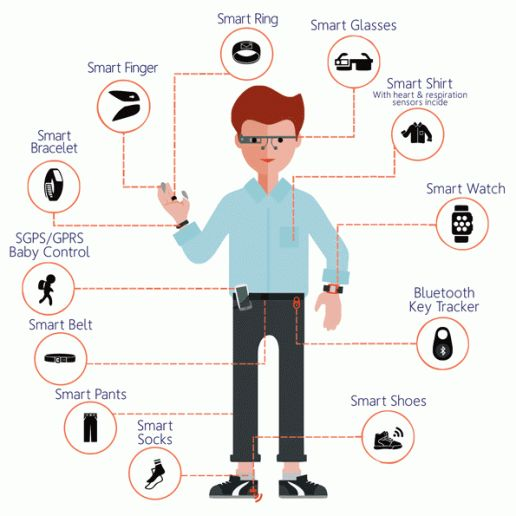
Imagine having a tool that boosts your team’s productivity, keeps everyone connected, and helps you make smarter decisions—all while on the move. That’s exactly what wearable technology can do for your business.
Whether you run a small startup or manage a large company, these smart devices are changing the way work gets done. Curious about how you can use wearable technology to transform your business? Keep reading to discover practical ways to stay ahead and unlock new opportunities with this powerful tech.
Credit: finmodelslab.com
Benefits Of Wearable Tech In Business
Wearable technology offers tangible benefits that can directly impact your business operations. It’s more than just a trendy gadget—these devices can streamline daily tasks, enhance team collaboration, and create safer work environments. Let’s look at how these advantages unfold in real workplace scenarios.
Enhancing Employee Efficiency
Wearable tech helps employees complete tasks faster by providing instant access to critical information. Imagine warehouse workers using smart glasses to scan barcodes while keeping their hands free—this cuts down errors and speeds up processing time.
These devices also reduce downtime by sending reminders and alerts, so your team stays on track without constant supervision. What if your employees could focus more on their work and less on checking emails or schedules manually?
Improving Communication
Clear and immediate communication is vital in any business. Wearables like smartwatches allow quick message exchanges and voice commands, keeping everyone connected without interrupting their workflow.
Picture a sales team in the field receiving real-time updates or urgent client requests directly on their wrist, enabling faster response times. Could your team benefit from cutting out unnecessary meetings or phone calls?
Monitoring Health And Safety
Wearables provide continuous monitoring of health metrics such as heart rate and fatigue levels, helping to prevent accidents before they happen. This is especially important in physically demanding or hazardous jobs.
One construction company reduced workplace injuries by using wearable sensors that alert workers when they enter dangerous zones. How much could reducing health risks improve your company’s overall productivity and morale?
Types Of Wearable Devices For Work
Wearable technology offers various devices designed for different work needs. These tools help employees track health, communicate, and access information quickly. Businesses can choose from many types depending on their goals and tasks.
Smartwatches And Fitness Trackers
Smartwatches and fitness trackers monitor physical activity and health. They track steps, heart rate, and sleep patterns. Employees use them to stay active and reduce stress. Smartwatches also provide notifications and quick access to messages. This keeps workers connected without checking phones constantly.
Augmented Reality Glasses
Augmented reality (AR) glasses overlay digital information onto the real world. Workers can see instructions or data hands-free. This improves focus and speeds up tasks. AR glasses are useful in manufacturing, healthcare, and training. They help reduce errors by providing real-time guidance.
Wearable Sensors And Badges
Wearable sensors and badges collect data on location, movement, and environment. They enhance safety by detecting hazards or monitoring worker health. Badges can track attendance and improve security. Sensors also help manage workflow and optimize productivity. These devices offer valuable insights to managers.
Boosting Productivity With Wearables
Wearable technology has become a powerful tool for businesses aiming to boost productivity. These devices keep you connected and informed without pulling you away from your core tasks. Imagine having crucial data and tools right on your wrist—how much smoother could your workday be?
Real-time Data Access
Wearables provide instant access to real-time data, letting you make faster decisions. Instead of digging through emails or waiting for reports, you get updates the moment they happen. This immediacy can prevent costly delays and keep your projects on track.
Think about a sales manager who receives live updates on client interactions while on the move. They can adjust their pitch or schedule follow-ups immediately, boosting chances of closing deals. What important information could you benefit from seeing instantly?
Task Automation
Wearable devices can automate repetitive tasks, freeing up your time for more critical work. For example, smartwatches can send reminders, track inventory levels, or even log work hours without manual input. This reduces errors and ensures consistency in daily operations.
Imagine a warehouse supervisor using wearables to automatically scan and record shipments. This speeds up processing and reduces paperwork. Which routine task in your business could wearables handle for you?
Time Management Tools
Wearables come equipped with tools that help you manage your time more effectively. From setting silent alarms for meetings to monitoring breaks, these features keep your schedule on point without distractions. They help you stay focused and maintain a healthy work rhythm.
Consider how a team leader uses a wearable to receive gentle reminders to check in with team members or switch tasks. This subtle nudge prevents burnout and improves collaboration. How could better time management change your daily workflow?
Credit: www.fortunebusinessinsights.com
Implementing Wearables In The Workplace
Implementing wearable technology in the workplace can improve productivity and safety. It requires careful planning to fit business needs. Selecting the right devices, training staff, and connecting wearables with current systems matter most.
Choosing The Right Devices
Pick devices that match your business goals. Focus on comfort and ease of use to ensure employee adoption. Consider battery life and durability for long work hours. Look for devices with good security features to protect data.
Training Employees
Provide simple and clear instructions for using wearables. Use hands-on sessions to build confidence. Explain benefits to encourage acceptance. Offer ongoing support to solve user issues quickly.
Integrating With Existing Systems
Check compatibility with current software and tools. Use APIs to connect wearables smoothly. Test integration before full deployment to avoid disruptions. Monitor data flow to ensure accuracy and security.
Challenges And Solutions
Using wearable technology in business comes with a set of challenges that can affect its success. Addressing these obstacles thoughtfully can turn potential setbacks into opportunities for growth. Let’s look at some common issues and practical ways you can overcome them.
Privacy Concerns
Wearables collect a lot of personal data, raising questions about how that information is used and protected. Employees and customers want to feel safe knowing their privacy is respected.
Start by setting clear policies about data collection and usage. Use strong encryption to protect sensitive information, and be transparent with users about what data you collect and why.
Ask yourself: Are you giving people control over their own data? Providing options to opt in or out can build trust and encourage adoption.
Device Compatibility
Different wearables run on various platforms, which can create integration headaches with your existing systems. This fragmentation may slow down workflows and frustrate users.
Focus on choosing devices that support open standards and offer APIs for easy integration. Testing devices in real work scenarios before full deployment can reveal hidden compatibility issues.
Think about your current tech stack: Will the new wearables fit smoothly, or will you need additional tools to bridge gaps?
Cost Management
Wearable tech can be expensive upfront, especially when scaling across many employees or locations. Without careful budgeting, costs can spiral out of control.
Prioritize investments by identifying which wearables offer the best return for your specific needs. Leasing or subscription models might reduce initial costs and allow upgrades more easily.
Track ongoing expenses like maintenance and training. Could reallocating budget from less effective tools help fund your wearable tech initiative?
Future Trends In Wearable Tech For Business
Wearable technology is evolving fast, and businesses that keep up will gain a competitive edge. The future holds exciting possibilities that can transform how your company operates and connects with employees and customers. Understanding these trends helps you plan smarter investments and stay ahead in a crowded market.
Ai And Machine Learning Integration
Wearables will soon use AI and machine learning to deliver smarter insights. Imagine a device that learns your work habits and suggests better ways to manage your time or health. This tech can analyze data in real-time, helping you spot patterns and make quicker decisions without digging through reports.
Businesses can use this to improve employee productivity and safety. For example, AI-powered wearables might detect early signs of fatigue or stress and prompt breaks before accidents happen. Wouldn’t it be powerful to have technology that not only tracks but actively improves your team’s performance?
Advanced Health Monitoring
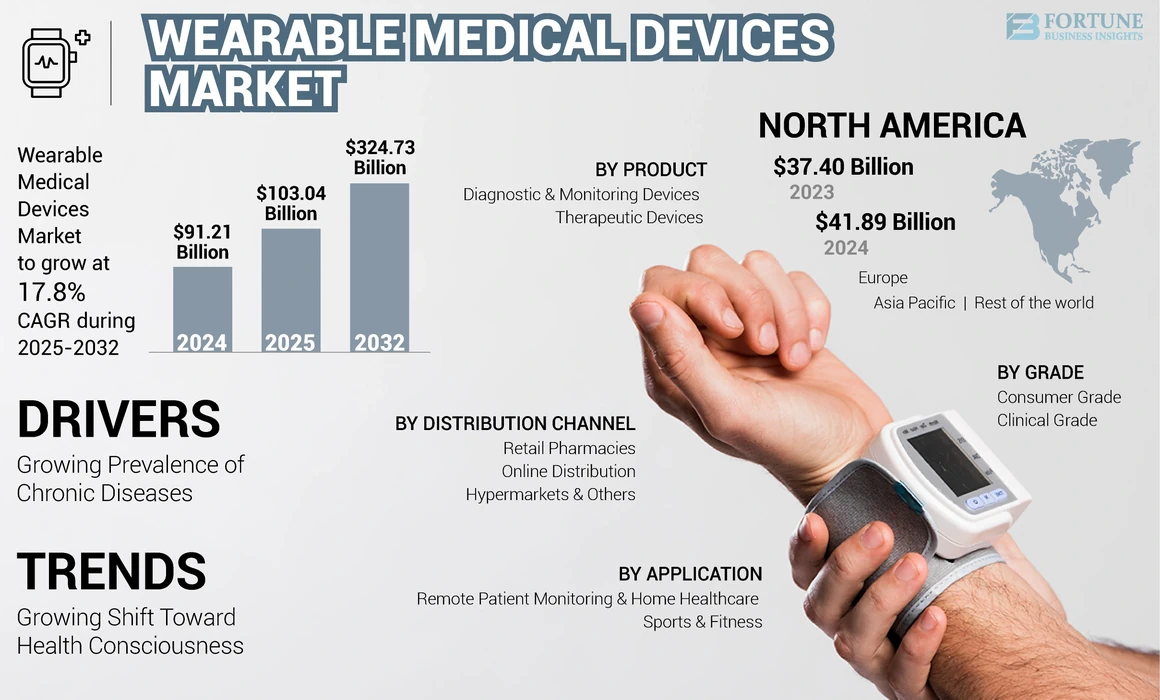
Wearables will offer more than just step counts and heart rates. Expect detailed health metrics like hydration levels, blood oxygen, and even stress indicators to become standard. This allows companies to support employee wellness proactively, reducing sick days and boosting morale.
Consider a workplace where your wearable alerts you about your health trends and connects you directly to medical professionals if needed. This can transform employee care and make health management a seamless part of daily life. How might this level of monitoring change your company’s approach to wellbeing?
Enhanced Connectivity
Future wearables will offer stronger, faster connections through 5G and beyond. This means real-time data sharing becomes effortless, no matter where your team is located. Remote workers can stay synced with office activities, improving collaboration and reducing downtime.
Imagine your wearable acting as a mini communication hub, integrating calls, messages, and alerts without needing to pull out your phone or laptop. This kind of constant connectivity can reshape how you manage projects and respond to urgent issues. How could this seamless link change the pace of your business?
Credit: www.fortunebusinessinsights.com
Frequently Asked Questions
What Are The Benefits Of Wearable Technology For Businesses?
Wearable technology boosts employee productivity and safety. It enables real-time data collection and improves communication. Businesses can reduce downtime and monitor health efficiently. This leads to better decision-making and cost savings. Overall, wearables enhance operational efficiency and employee well-being.
How Can Businesses Improve Employee Health With Wearables?
Wearables track vital signs and physical activity, promoting healthier lifestyles. They help identify early health risks and prevent injuries. Employers can offer personalized wellness programs based on data. This reduces absenteeism and healthcare costs. It also fosters a supportive and health-conscious work environment.
What Industries Benefit Most From Wearable Technology?
Healthcare, manufacturing, logistics, and retail gain significant advantages. Wearables improve patient monitoring, worker safety, and inventory management. They enable real-time tracking and efficient workflow management. These industries experience increased accuracy, productivity, and reduced operational risks. Wearables drive innovation across diverse business sectors.
How Do Wearables Enhance Workplace Safety?
Wearables monitor environmental conditions and worker vitals continuously. They alert users to hazards, preventing accidents and injuries. Real-time data helps managers respond quickly to emergencies. Wearables also track compliance with safety protocols. This proactive approach significantly reduces workplace risks and liabilities.
Conclusion
Wearable technology offers businesses new ways to grow. It improves employee efficiency and safety. Data from wearables helps make better decisions. Customers enjoy personalized experiences. Companies track health and fitness data easily. This leads to healthier employees. Costs reduce with increased productivity.
Communication becomes faster and clearer. Wearables also help in training. They provide real-time feedback to trainees. Businesses can stay competitive by embracing this tech. New opportunities arise with every innovation. Investing in wearable tech benefits companies greatly. Adapt and thrive in this digital age.
Leave a Reply