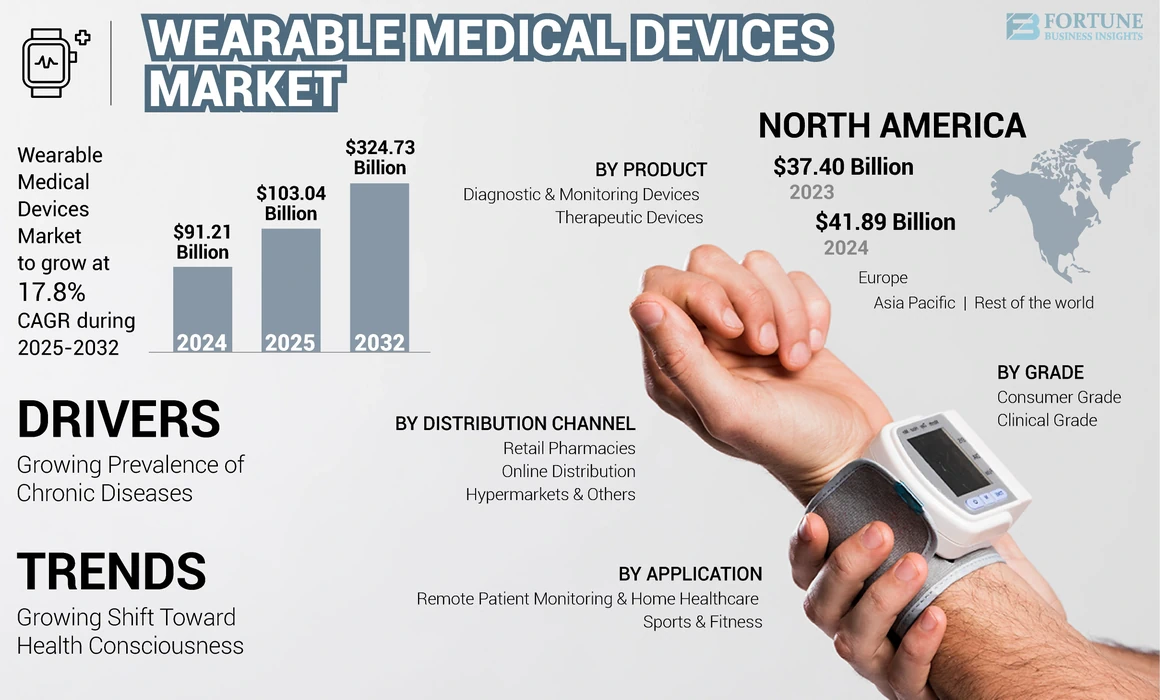
Have you ever wondered how technology can keep a closer eye on your health every day? Wearable medical technology is changing the way you track and manage your well-being.
These smart devices don’t just tell time or count steps—they monitor vital signs, detect health issues early, and even connect you to your doctor. If you want to understand how this powerful technology can make a difference in your life, keep reading.
You’ll discover what wearable medical technology is, how it works, and why it might be the key to staying healthier and more in control.
Credit: www.bgosoftware.com
Wearable Medical Devices
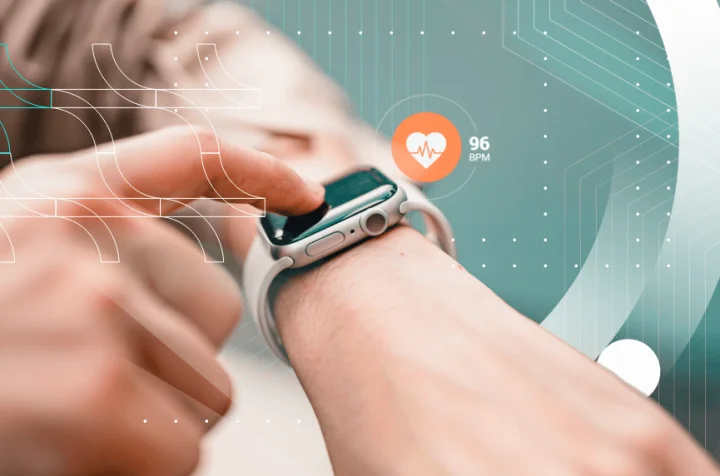
Wearable medical devices are small gadgets worn on or inside the body. They track health data and send it to doctors or users. These devices help monitor chronic diseases, fitness levels, and vital signs. They give real-time information, helping people stay informed about their health every day.
Types Of Wearable Devices
- Fitness trackers – measure steps, heart rate, and sleep patterns
- Smartwatches – combine fitness tracking with notifications and apps
- Continuous glucose monitors – track blood sugar levels for diabetics
- Wearable ECG monitors – record heart rhythms and detect irregularities
- Pulse oximeters – measure oxygen levels in the blood
- Wearable blood pressure monitors – check blood pressure throughout the day
- Smart patches – gather health data through skin sensors
- Hearing aids – improve hearing using advanced sound technology
Key Features And Functions
- Real-time monitoring – gives instant health updates
- Wireless connectivity – sends data to smartphones or cloud services
- Alerts and notifications – warn users of abnormal readings
- Long battery life – allows continuous use without frequent charging
- Comfortable design – easy to wear for long periods
- Data storage – saves health information for trend analysis
- Compatibility – works with various apps and health platforms
Health Monitoring Benefits
Wearable medical technology offers powerful health monitoring benefits that put you in control of your well-being. These devices collect important health data continuously, giving you insights that can improve your daily life and long-term health. Imagine having a personal health assistant that keeps an eye on your body every moment, helping you make smarter decisions.
Real-time Data Tracking
Wearable devices provide real-time tracking of vital signs like heart rate, blood pressure, and oxygen levels. This constant flow of information helps you understand how your body responds to different activities or stress. You can spot patterns, such as when your heart rate spikes during workouts or how your sleep affects your energy.
For example, if you notice your heart rate stays elevated even when resting, you can take action sooner by consulting a healthcare provider. Real-time alerts from these devices can notify you about abnormal readings immediately, which is crucial for managing chronic conditions.
Early Detection Of Health Issues
One of the biggest advantages of wearable technology is its ability to catch health problems before they become serious. These devices monitor subtle changes that might go unnoticed in regular check-ups. Detecting irregular heartbeats or shifts in blood sugar levels early can prevent emergencies.
Think about a friend who ignored slight dizziness until a wearable device detected an irregular heartbeat, leading to early treatment. This kind of early warning can save lives and reduce healthcare costs by avoiding hospital visits.
Are you paying enough attention to the small signals your body sends every day? Wearable medical technology can help you listen better and act faster.
Technology Behind Wearables
Wearable medical technology uses advanced tools to track health in real time. It combines small devices and smart software. These devices collect health data and send it for analysis. Understanding the technology behind these wearables helps us see their true value. It involves sensors that gather data and systems that connect devices to networks. This technology makes health monitoring easier and more accurate.
Sensors And Data Collection
Sensors are the core of wearable medical devices. They detect and measure physical signals from the body. Common sensors track heart rate, body temperature, and movement. Some devices use optical sensors to monitor blood oxygen levels. Others measure electrical signals like ECG. These sensors convert physical data into digital signals. The device then processes this data to give useful health insights.
Connectivity And Data Transmission
Wearable devices use wireless technology to send data. Bluetooth and Wi-Fi are common connection methods. These connections link the wearable to smartphones or computers. Data travels securely to apps for storage and analysis. Some devices also use cellular networks for real-time monitoring. This constant data flow helps doctors and users track health anytime. Fast, reliable connectivity is vital for wearable performance.

Credit: blog.stackademic.com
Impact On Patient Care
Wearable medical technology has a strong impact on patient care. It changes how doctors and patients interact daily. This technology helps track health conditions outside clinics. It supports faster responses and better health outcomes.
Remote Monitoring Advantages
Wearable devices let doctors monitor patients from afar. They collect real-time data on heart rate, blood sugar, or sleep patterns. This continuous data helps catch issues early. Patients avoid frequent hospital visits. It saves time and reduces stress for patients and doctors.
Remote monitoring also helps in emergencies. Alerts can notify doctors about critical changes immediately. This quick action can prevent serious health problems.
Personalized Treatment Plans
Data from wearables allows doctors to tailor treatments. They see how a patient responds to medicine or lifestyle changes. This helps create plans that fit each patient’s unique needs. Personalized care improves treatment effectiveness and patient satisfaction.
Wearable technology encourages patients to stay active in their health. It provides feedback and motivation to follow treatment plans better. This active role leads to healthier habits and better results.
Challenges And Limitations
Wearable medical technology offers incredible potential to improve health monitoring and patient care. Yet, this technology faces real challenges that can affect its effectiveness and your trust in it. Understanding these hurdles can help you make smarter choices when using or recommending these devices.
Privacy And Security Concerns
When you wear a medical device, it collects sensitive personal health data. This raises big questions about who has access to your information and how safely it’s stored.
Many devices transmit data wirelessly, which can be intercepted if not properly encrypted. Imagine if your heart rate or glucose levels were exposed—would you feel comfortable sharing that? You should always check if the device uses strong security measures like end-to-end encryption and secure authentication.
Additionally, some companies may use your data for marketing or share it with third parties without clear consent. This can be unsettling, especially when you expect your health details to remain private. Always read privacy policies carefully and prefer devices from trusted manufacturers.
Accuracy And Reliability Issues
Wearable devices promise real-time health monitoring, but their accuracy can vary widely. A device might show your heart rate as normal when it’s actually elevated, or miss irregular patterns altogether.
Factors like sensor quality, device placement, and even skin tone can affect readings. For instance, wrist-based heart monitors sometimes struggle during intense exercise or if your skin is dry. This can lead to false alarms or missed warnings, which impacts your health decisions.
Think about how much you rely on these numbers. Would you want to make medication changes or exercise plans based on potentially inaccurate data? It’s important to use wearable technology as a supplement to, not a replacement for, professional medical advice.
Future Trends
The future of wearable medical technology holds exciting possibilities. Devices will become smarter and more personalized. They will offer better health insights and improve patient care. Expect major changes in how wearables collect and use data. These trends will shape the next generation of health monitoring tools.
Integration With Ai And Machine Learning
Artificial intelligence will enhance data analysis in wearables. Machine learning helps detect health patterns early. Devices will predict potential health issues before symptoms appear. AI will provide personalized health advice based on user data. This integration leads to faster, more accurate diagnoses.
Advancements In Wearable Design
Wearables will become smaller, lighter, and more comfortable. Flexible materials will allow devices to fit natural body shapes. Battery life will improve, supporting longer use without charging. New sensors will track more health metrics with greater accuracy. Design will focus on user convenience and style.
Credit: www.otandp.com
Frequently Asked Questions
What Is Wearable Medical Technology Used For?
Wearable medical technology monitors health metrics continuously. It tracks vital signs like heart rate, blood pressure, and glucose levels. This data helps in early diagnosis and ongoing patient care. It improves health management and supports personalized treatment plans.
How Does Wearable Medical Technology Improve Healthcare?
Wearable devices provide real-time health data to doctors and patients. This enables quicker responses to medical conditions. It enhances remote monitoring and reduces hospital visits. The technology promotes proactive health management and better patient outcomes.
Are Wearable Medical Devices Accurate And Reliable?
Modern wearable medical devices use advanced sensors and algorithms. They offer high accuracy for vital sign monitoring. However, some devices may vary in precision. Regular calibration and medical validation ensure reliable performance and trustworthy data.
Can Wearable Medical Technology Detect Early Health Issues?
Yes, wearable devices continuously monitor health parameters. They can identify abnormal patterns or sudden changes quickly. Early detection allows timely medical intervention and prevention. This helps reduce complications and supports better long-term health.
Conclusion
Wearable medical technology offers many benefits. It provides real-time health data. This tech helps monitor vital signs easily. Patients can manage conditions better. Doctors get accurate information quickly. It’s changing healthcare practice. More people use these devices daily. They feel empowered and informed.
As technology advances, expect more innovations. These devices will become even more accessible. They will help improve health and quality of life. Embrace this change. Stay informed and healthy with wearable tech.
Leave a Reply