Have you ever wondered how you can keep a close eye on your health without constant visits to the doctor? Wearable healthcare technology is changing the way you track your well-being every day.
Imagine having a device that not only fits comfortably on your wrist but also monitors your heart rate, sleep patterns, and even alerts you to potential health issues before they become serious. This technology puts powerful health tools right at your fingertips, helping you make smarter choices and stay ahead of problems.
Keep reading to discover how wearable healthcare devices can transform your health routine and give you control like never before.
Wearable Healthcare Devices
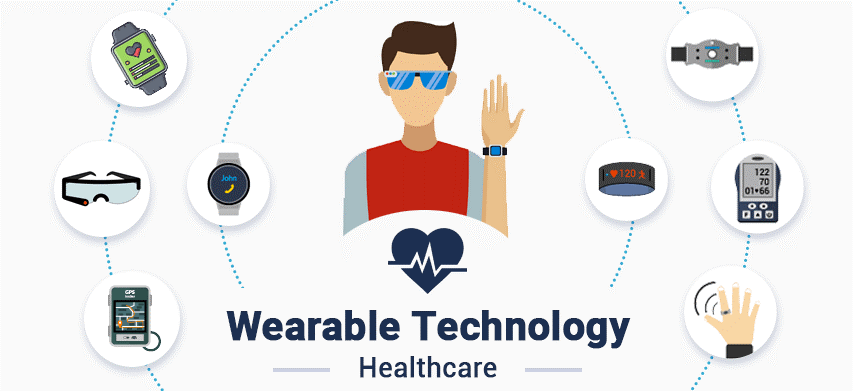
Wearable healthcare devices are small gadgets worn on the body. They track health data and help users manage their wellness. These devices collect real-time information about heart rate, activity, sleep, and more. Users can monitor their health easily without visiting a doctor.
Types Of Wearable Devices
- Fitness trackers: Monitor steps, calories, and exercise.
- Smartwatches: Combine health tracking with notifications and apps.
- Heart rate monitors: Measure pulse and heart activity continuously.
- Glucose monitors: Track blood sugar levels for diabetes care.
- Sleep trackers: Analyze sleep patterns and quality.
- Wearable ECG devices: Record heart rhythm for medical use.
Key Features And Sensors
- Heart rate sensor: Measures beats per minute.
- Accelerometer: Detects movement and activity levels.
- Gyroscope: Tracks orientation and balance.
- GPS sensor: Maps location and distance traveled.
- SpO2 sensor: Measures blood oxygen saturation.
- Electrodes: Capture electrical signals from the heart.
- Temperature sensor: Monitors body temperature changes.
Popular Brands And Models
| Brand | Model | Main Features |
|---|---|---|
| Apple | Apple Watch Series | Heart rate, ECG, SpO2, fitness tracking |
| Fitbit | Charge, Versa | Activity tracking, sleep monitoring, heart rate |
| Garmin | Vivoactive, Forerunner | GPS, heart rate, sports modes |
| Samsung | Galaxy Watch | Health tracking, ECG, fitness apps |
Credit: www.otandp.com
Health Monitoring Capabilities
Wearable healthcare technology offers powerful tools to monitor health constantly. These devices collect real-time data, helping users understand their body better. Health monitoring capabilities focus on vital signs, physical activity, and sleep patterns. This information supports healthier lifestyle choices and early detection of potential health issues.
Tracking Vital Signs
Wearables track key vital signs like heart rate, blood pressure, and oxygen levels. Sensors capture these signals accurately and continuously. Users can spot unusual changes quickly and seek medical advice. This constant monitoring helps manage chronic conditions and supports overall wellness.
Activity And Fitness Monitoring
These devices record daily steps, calories burned, and exercise duration. They motivate users to stay active and meet fitness goals. Some wearables also track specific workouts, like running or cycling. This data helps users adjust their routines for better results.
Sleep Quality Analysis
Wearable technology measures sleep duration, stages, and interruptions. It reveals patterns that affect rest and recovery. Users can identify habits that improve or harm sleep quality. Better sleep leads to improved energy and mental focus during the day.
Benefits For Patients
Wearable healthcare technology offers many benefits for patients. It helps people manage their health with ease and confidence. These devices collect real-time data that patients and doctors can use. This makes healthcare more personal and timely. Patients gain more control and insight into their well-being.
Chronic Disease Management
Wearable devices help track vital signs like heart rate and blood sugar. They allow patients to monitor their condition daily. Alerts can notify users about changes needing attention. This reduces hospital visits and emergencies. Patients feel safer managing illnesses such as diabetes or heart disease.
Early Detection And Prevention
Wearables detect unusual patterns early. They spot problems before symptoms appear. This helps patients act quickly and avoid serious health issues. Preventive care becomes easier with continuous monitoring. Early detection often leads to better treatment outcomes.
Enhanced Patient Engagement
Wearable technology encourages patients to stay involved in their health. It provides instant feedback and progress updates. Patients can set goals and track improvements. This motivates healthier habits and better lifestyle choices. Engaged patients tend to follow treatment plans more closely.

Credit: blog.stackademic.com
Impact On Healthcare Providers
Wearable healthcare technology changes how healthcare providers care for patients. It offers new tools to track health outside clinics. These tools help doctors and nurses act faster and smarter. They can monitor patients’ health in real time and use data to improve treatments.
Remote Patient Monitoring
Wearable devices allow healthcare providers to watch patients from afar. Devices track heart rate, blood pressure, and activity levels. This helps spot health issues early. Providers can adjust care without needing in-person visits. It reduces hospital stays and emergency visits. Patients feel safer and more connected to their care team.
Data-driven Decision Making
Wearables collect large amounts of health data. Providers use this data to make better decisions. Trends and patterns help predict health problems. Doctors can tailor treatments to each patient’s needs. Data supports faster diagnosis and precise care. It also helps with managing chronic illnesses effectively.
Improving Care Efficiency
Wearables save time for healthcare providers. Continuous monitoring reduces the need for frequent appointments. Alerts notify providers only when attention is needed. This allows focus on patients who need urgent care. Workflows become smoother and less stressful. Overall, care becomes faster and more organized.
Challenges And Limitations
Wearable healthcare technology offers exciting possibilities, but it also faces significant challenges and limitations that can affect its effectiveness and user experience. Understanding these hurdles can help you make better decisions about using these devices and managing your health data. Let’s dive into some key issues that often go unnoticed.
Data Privacy Concerns
Your health data is deeply personal, and wearable devices collect a lot of it every day. This raises serious questions about how securely your information is stored and who gets access to it.
Data breaches and unauthorized sharing of sensitive health details can lead to identity theft or discrimination. Have you ever wondered if your fitness tracker could share your data with insurers or employers without your consent?
To protect yourself, look for devices that offer strong encryption, clear privacy policies, and options to control what data you share. Being cautious about app permissions can also reduce risks significantly.
Device Accuracy And Reliability
Wearables promise to track your heart rate, sleep patterns, and activity levels, but they don’t always get it right. Inaccurate readings can mislead you or your healthcare provider, possibly affecting medical decisions.
Factors like device placement, battery life, and sensor quality play a big role in how reliable your data is. For example, wrist-worn devices might miss irregular heartbeats if not worn snugly or consistently.
Ask yourself: Can you trust your device enough to act on its data? Consider using wearables as a helpful tool rather than a definitive diagnosis, and always verify critical info with professional medical tests.
User Adoption Barriers
Even the best wearable technology won’t help if people don’t use it regularly or correctly. Some users find these devices uncomfortable, complicated, or simply not motivating enough to wear daily.
Older adults, in particular, may struggle with small screens or confusing interfaces. Without proper guidance or support, many users abandon their wearables after a short time.
Think about what would make you stick with a wearable. Would simpler designs, better customer support, or clearer health insights encourage you to keep using one? Understanding these barriers can help developers create devices that truly fit your needs.
Future Trends In Wearable Health Tech
The future of wearable healthcare technology is not just about tracking steps or heart rates anymore. It’s evolving into a powerful tool that can predict health issues, offer personalized advice, and even assist in treatment. Imagine a device that learns from your daily habits and health data to provide insights tailored just for you.
Integration With Ai And Machine Learning
Wearable devices are increasingly integrating AI and machine learning to analyze complex health data in real-time. This means your wearable can detect subtle changes in your body that you might miss, like irregular heart rhythms or early signs of illness.
Have you ever wondered how your device can notify you about potential health risks before symptoms appear? AI algorithms help predict these risks by learning from patterns in your data, allowing for earlier intervention and better outcomes.
Advancements In Sensor Technology
Sensor technology in wearables is becoming more accurate and diverse. New sensors can now measure things like blood glucose levels, hydration, and even stress hormones without invasive procedures.
This progress means you can monitor more health aspects conveniently throughout your day. Imagine managing chronic conditions with continuous data that updates your healthcare provider instantly—how much easier would that make your life?
Personalized Healthcare Solutions
Wearables are moving beyond generic health tracking to offer solutions designed specifically for your body and lifestyle. They can provide customized workout plans, nutrition advice, and medication reminders based on your unique health profile.
Personalization empowers you to take control of your health decisions with data that fits your needs. What if your wearable could help you prevent health problems by suggesting small, manageable lifestyle changes tailored just for you?
Credit: www.bgosoftware.com
Frequently Asked Questions
What Is Wearable Healthcare Technology?
Wearable healthcare technology includes devices worn on the body to monitor health metrics. Examples are fitness trackers, smartwatches, and medical sensors. These devices provide real-time data to help manage health and improve wellness.
How Do Wearable Health Devices Work?
Wearable devices use sensors to collect data like heart rate, steps, and sleep patterns. They connect to apps or cloud platforms for analysis. This helps users and healthcare providers track health trends and detect issues early.
What Are The Benefits Of Wearable Healthcare Technology?
Wearables promote proactive health management by offering real-time monitoring. They encourage fitness, improve chronic condition management, and enable early detection of health problems. This technology enhances patient engagement and supports personalized care.
Are Wearable Healthcare Devices Accurate And Reliable?
Most modern wearables provide reasonably accurate data for everyday health tracking. However, they are not substitutes for professional medical devices. Accuracy varies by device type, brand, and sensor quality.
Conclusion
Wearable healthcare technology is changing how we manage our health. These devices make tracking health data simple and accessible. From heart rate monitors to sleep trackers, they offer insights into our daily well-being. Users can make informed health decisions with ease.
This technology bridges the gap between patients and healthcare providers. It also encourages proactive health management. As technology advances, more features will become available. This evolution promises better health outcomes for everyone. Embrace wearable healthcare technology for a healthier future.
It’s easy, beneficial, and user-friendly. Stay informed, stay healthy, and enjoy the benefits.
Leave a Reply