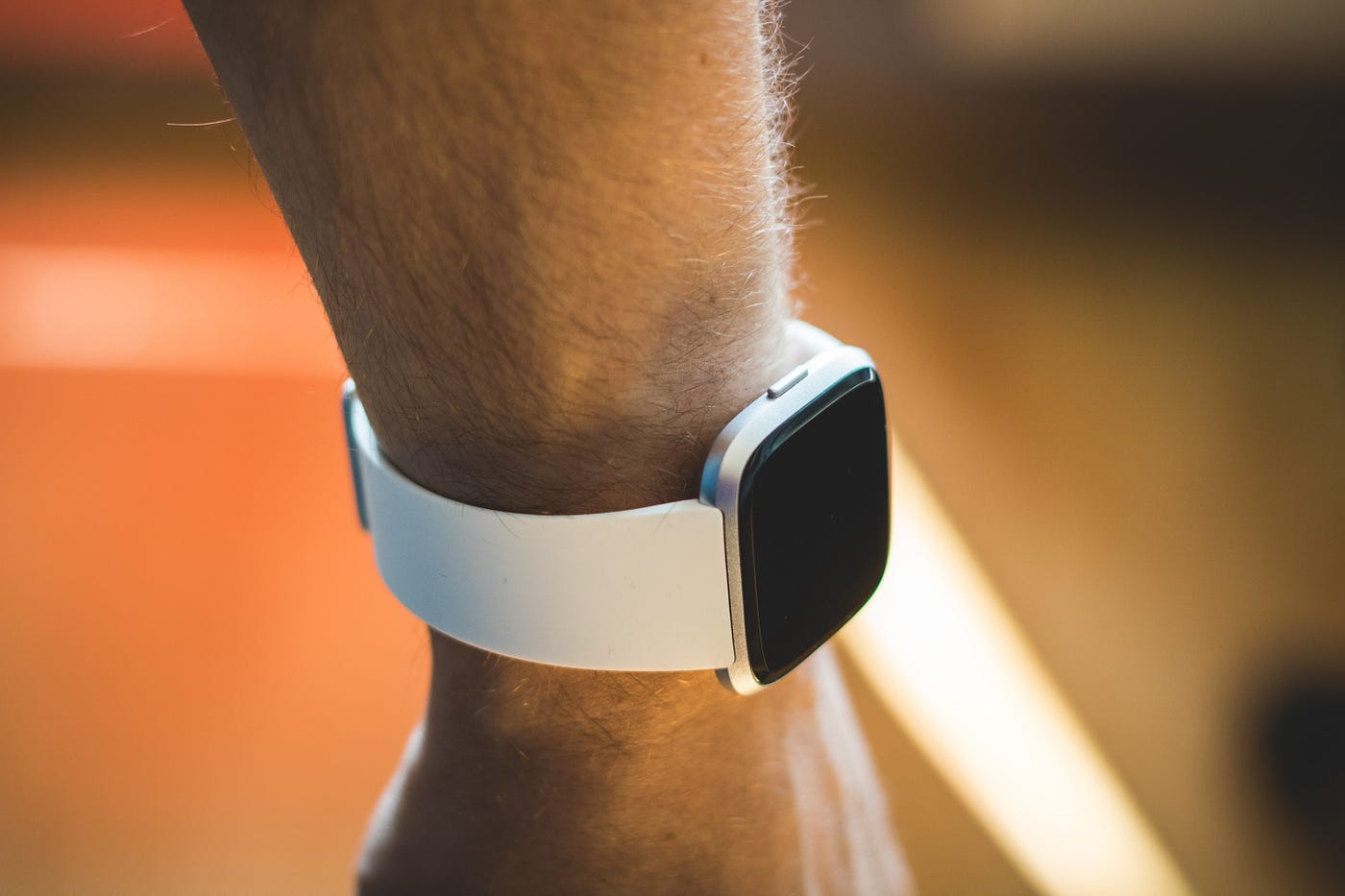
Have you ever started using a Fitbit with excitement, only to find yourself stopping after a while? You’re not alone.
Many people quit using their Fitbit wearables, and it’s not always because the device doesn’t work. There are hidden reasons that might surprise you—things that affect your motivation, comfort, or even how useful the tracker feels in your daily life.
If you want to understand why this happens and how to avoid it, keep reading. This article will reveal the key factors that make people give up on their Fitbit—and what you can do to keep yours working for you.

Credit: www.telegraph.co.uk
Common Issues With Fitbit Devices
Many Fitbit users stop using their devices due to common problems. These issues can make the experience frustrating and less enjoyable. Understanding these problems helps explain why some people quit Fitbit.
Battery Life Concerns
Battery life often disappoints Fitbit users. Some devices need charging every day or two. This frequent charging interrupts tracking and daily use. Over time, battery capacity may reduce, causing faster power loss. Users expect longer battery life from wearable technology.
Accuracy And Data Reliability
Fitbit devices sometimes show inaccurate results. Step counts, heart rate, and sleep tracking can be off. This reduces trust in the data. Users want reliable information to improve health and fitness. Inconsistent data can lead to frustration and quitting.
Comfort And Design Flaws
Comfort is key for wearable devices. Some Fitbit models feel bulky or tight on the wrist. Hard materials or sharp edges cause skin irritation. Design issues make wearing the device all day uncomfortable. Poor comfort lowers user satisfaction and device use.
User Experience Challenges
Many users find that their Fitbit experience starts strong but gradually loses appeal. A big reason behind this drop-off is the user experience challenges that wearers face. These challenges can turn what should be a helpful tool into a frustrating gadget.
Complicated App Interface
The Fitbit app can feel overwhelming at times. Navigating through multiple menus and settings may confuse you, especially if you’re not tech-savvy. This complexity can lead to frustration, making it harder to track your progress effectively.
Imagine trying to quickly check your daily steps or heart rate but getting lost in cluttered screens. This experience can discourage regular use, causing you to abandon the device altogether.
Syncing And Connectivity Problems
Syncing your Fitbit with your phone or computer should be seamless. Unfortunately, many users report frequent syncing failures or delays. This disrupts the flow of tracking and leaves you wondering if your data is even accurate.
When you can’t trust your device to update consistently, it’s easy to lose motivation. Have you ever missed a workout log because your Fitbit didn’t sync? That inconsistency can be a major deal-breaker.
Limited Customization Options
Personalizing your Fitbit experience is important to keep it engaging. However, many find the customization options limited. You might want to add specific goals or change alert types but find the choices too basic or restrictive.
This lack of flexibility can make the device feel less relevant to your unique fitness journey. How important is it for you to tailor your wearable to fit your lifestyle perfectly? Without enough options, you may feel stuck with a one-size-fits-all approach that doesn’t suit your needs.
Privacy And Data Security
Privacy and data security play a big role in why some people stop using Fitbit devices. Users share sensitive health and personal information through these wearables. Concerns about how this data is handled can make users uncomfortable. Trust in the device and company is essential for continued use. Without strong privacy measures, users may feel exposed or at risk.
Concerns Over Data Sharing
Fitbit collects data like heart rate, location, and activity levels. Some users worry this information might be shared without their clear permission. There is fear that third parties, including advertisers or insurance companies, could access this data. Users want control over who sees their health information. Lack of transparency about data sharing can lead to distrust.
Potential Security Breaches
Wearable devices store a lot of personal data. Security breaches could expose this sensitive information to hackers. Users worry about identity theft or misuse of their health details. Past incidents of data leaks in tech companies fuel these fears. Strong encryption and regular security updates are key to user confidence.
Cost And Value Issues
Cost and value are major reasons why some people stop using their Fitbit devices. Many users expect their wearable to justify every dollar spent by offering top features and reliable performance. When the price feels too high for what they get, it becomes hard to stay motivated and committed.
High Price Compared To Alternatives
Fitbit devices often come with a higher price tag compared to other fitness trackers on the market. You might find similar features in cheaper brands that cost half as much or less. This can make you question whether paying extra for Fitbit is worth it.
Some users share stories about buying a Fitbit but later switching to more affordable devices that still track steps and sleep effectively. If you’re trying to stick to a budget, the initial cost can feel like a big barrier.
Subscription Fees And Hidden Costs
Besides the upfront cost, Fitbit also encourages users to subscribe to Fitbit Premium for advanced insights and personalized guidance. This subscription adds a monthly or yearly fee, which can catch you off guard if you weren’t expecting ongoing expenses.
Hidden costs like replacing bands, chargers, or even batteries also add up over time. Ask yourself: are these extra fees clear from the start, and do they enhance your experience enough to keep paying?
When the total cost of ownership rises beyond your expectations, quitting the device might feel like the only sensible option.
Lifestyle And Motivation Factors
Understanding why people stop using Fitbit wearable technology often comes down to lifestyle and motivation factors. These devices start out exciting but can lose their appeal as your daily habits and goals shift. Let’s look at some common reasons behind this change and what it means for your own fitness journey.
Losing Interest Over Time
At first, the constant feedback and challenges from Fitbit can feel motivating. But after a few months, that initial excitement can fade. You might find yourself ignoring notifications or skipping daily goals.
Has your Fitbit become just another gadget instead of a helpful tool? When the novelty wears off, staying engaged requires new reasons to keep going.
Lack Of Real-life Benefits
Some users quit because they don’t see meaningful results in their health or fitness. Tracking steps and heart rate feels good, but if it doesn’t lead to better sleep or more energy, why continue?
Ask yourself: Are you using Fitbit data to make changes that improve your life, or is it just numbers on a screen? Without practical benefits, motivation drops quickly.
Preference For Non-digital Fitness Tracking
Not everyone enjoys logging their activity digitally. Some people prefer simple methods like jotting down workouts in a notebook or just listening to their body.
If technology feels like a hassle rather than a help, it can be easier to ditch the device. What matters most is finding a tracking style that fits your personality and keeps you moving.

Credit: www.mdpi.com
Competitive Alternatives
Many people stop using Fitbit devices because they find appealing alternatives that better fit their needs. Competitive alternatives often offer unique features and improved compatibility that make users reconsider their choice.
More Advanced Features In Other Brands
Some competitors provide features that Fitbit doesn’t offer or only includes in higher-end models. For example, Garmin watches often come with advanced GPS tracking and detailed performance metrics favored by serious athletes.
Others, like Apple Watch, include ECG monitoring and fall detection, which can be crucial for health-conscious users. If you want to track your fitness with more precision or need medical-grade features, you might find these alternatives more useful.
Better Compatibility With Other Devices
Fitbit works well with many smartphones, but some users find better integration with ecosystems like Apple or Samsung. Apple Watch syncs seamlessly with iPhones, offering smooth app interactions and notifications.
If you use multiple smart devices, you might prefer a wearable that connects effortlessly with your phone, headphones, or smart home gadgets. Have you experienced frustration when your wearable can’t talk to your other devices? That might push you to switch brands.

Credit: medium.com
Frequently Asked Questions
Why Do People Stop Using Fitbit Devices?
Many quit Fitbit due to inaccurate tracking or device glitches. Others find the app overwhelming or lose motivation over time.
Is Fitbit Data Privacy A Concern For Users?
Some users worry about Fitbit sharing personal health data. Privacy concerns can lead them to stop using the device.
How Does Fitbit Battery Life Affect User Retention?
Short battery life frustrates users, causing frequent recharging. This inconvenience often leads people to quit using Fitbit wearables.
Do Fitbit Devices Meet All Fitness Tracking Needs?
Fitbit may lack advanced features some users want. Missing functionalities prompt users to switch to other fitness trackers.
Conclusion
People quit Fitbit for many reasons. Often, comfort and design matter. Others find syncing issues frustrating. Some users feel overwhelmed by constant notifications. Privacy concerns can also drive people away. Battery life can disappoint too. Many seek simpler or more stylish alternatives.
Costs can add up over time. Personal preferences change. New tech offers fresh options. Each user has unique needs and expectations. Fitbit may not meet them all. Choices in wearables continue to grow. Users explore what’s best for them. Ultimately, it’s about finding the right fit for their lifestyle.
Leave a Reply