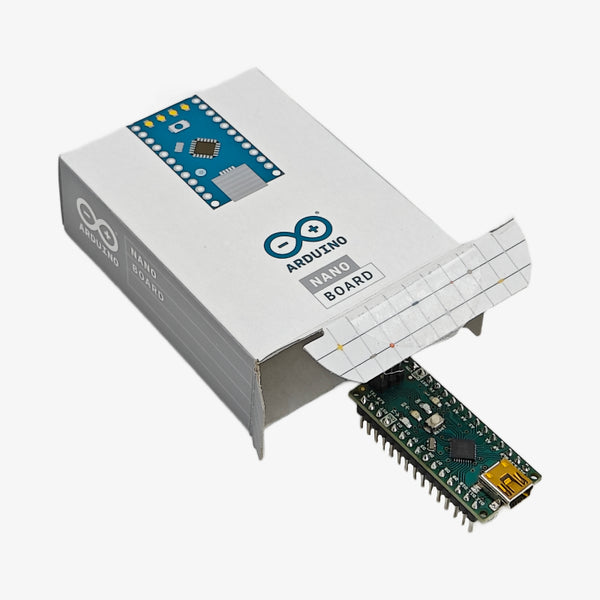
Are you building wearable technology and worried about water damage to your microcontrollers? You’re not alone.
Keeping these tiny but powerful components safe from moisture is essential for your device’s performance and longevity. Imagine your wearable surviving sweat, rain, or even accidental splashes without missing a beat. You’ll discover simple, effective ways to waterproof your microcontrollers.
By the end, you’ll have the confidence to protect your tech and ensure it works flawlessly, no matter where life takes you. Ready to make your wearable truly waterproof? Let’s dive in.

Credit: www.researchgate.net
Choosing Waterproof Microcontrollers
Choosing the right waterproof microcontroller is key to ensuring your wearable technology performs reliably under wet or humid conditions. Not all microcontrollers are built the same when it comes to handling moisture and water exposure. Understanding what to look for can save you time and avoid costly failures later.
Selecting Suitable Models
Look for microcontrollers designed with waterproof or water-resistant features from the start. Some models come with built-in protective coatings or sealed packaging that help keep moisture out. Popular choices include microcontrollers with conformal coatings or those intended for outdoor or medical devices where water exposure is common.
Ask yourself: does the microcontroller have a protective housing or special surface treatments? If not, you’ll need to add extra waterproofing steps. Choosing a model with inherent resistance can simplify your design significantly.
Water Resistance Ratings
Check the IP (Ingress Protection) rating provided by the manufacturer. This rating tells you how well the device can withstand solids and liquids. For wearables, an IP67 or IP68 rating is often required, meaning the microcontroller can survive immersion in water for a specified time and depth.
Understanding these ratings helps you align the microcontroller with your intended use. Will your wearable be exposed to sweat only, or will it be submerged? The answer directs your choice of microcontroller and additional sealing methods.
Durability Considerations
Durability goes beyond water resistance. Consider the environment where your wearable will be used. Is it going to face temperature changes, physical shocks, or constant movement?
Choose microcontrollers with robust packaging and materials that can handle these stresses without compromising waterproofing. Sometimes, a slightly bulkier microcontroller with better durability is a smarter option than a smaller, fragile one that risks damage.
Protective Coatings And Sealants
Protective coatings and sealants play a key role in waterproofing microcontrollers used in wearable technology. These layers guard the delicate electronics from moisture, dust, and sweat. They extend the device’s life and improve reliability under daily use.
Choosing the right coating depends on the device’s environment and use. Applying these coatings correctly ensures complete coverage and optimal protection. After application, proper curing and testing confirm the seal’s effectiveness.
Conformal Coatings Types
Conformal coatings are thin, protective films applied to circuit boards. Common types include:
- Acrylic:Easy to apply and remove, offers good moisture protection.
- Polyurethane:Strong resistance to chemicals and abrasion.
- Silikone:Flexible, ideal for devices exposed to heat and vibration.
- Epoxy:Very durable but harder to remove.
Each type suits different environments and device needs.
Application Techniques
Proper application is vital for waterproofing success. Techniques include:
- Brushing:Simple and low-cost, good for small areas.
- Dipping:Immerses the whole board, ensures full coverage.
- Spraying:Provides even coating, ideal for complex shapes.
- Selective Coating:Applies only where needed, saves material.
Clean the surface before coating for better adhesion.
Curing And Testing
Curing hardens the coating and locks protection in place. It can happen through:
- Air Drying:Simple but slower process.
- Heat Curing:Faster and stronger bond.
- UV Curing:Quick, used for special coatings.
Testing involves checking for gaps, bubbles, or weak spots. Use water spray or immersion tests to confirm waterproofing.
Encapsulation Methods
Encapsulating microcontrollers is a key step in protecting your wearable technology from moisture, sweat, and other environmental hazards. This process involves surrounding the sensitive electronics with a protective layer that blocks water and dust. Choosing the right encapsulation method can make a huge difference in durability without adding unnecessary bulk or weight to your wearable device.
Potting Compounds
Potting compounds are thick liquids that harden around your microcontroller to form a solid protective shell. These compounds are usually epoxy, silicone, or polyurethane-based, each offering different levels of flexibility and hardness.
Epoxy potting is very strong and provides excellent waterproofing, but it can be rigid and might crack under stress. Silicone potting offers more flexibility and can absorb shocks better, making it ideal for wearable tech that moves with you. Polyurethane strikes a balance, offering good protection and some flexibility.
Encapsulation Materials
Choosing the right material depends on your device’s needs. Silicone gels are soft and flexible, perfect if your wearable needs to bend or twist. Epoxy resins create a hard, durable shell that resists chemicals and physical damage.
There are also UV-curable materials that harden quickly when exposed to light, which speeds up manufacturing. Some materials even come with thermal management features to keep your microcontroller cool during operation.
Advantages And Drawbacks
| Encapsulation Type | Advantages | Drawbacks |
|---|---|---|
| Epoxy Potting |
|
|
| Silicone Potting |
|
|
| Polyurethane Potting |
|
|
Which balance between flexibility and protection works best for your wearable? Think about how your device will be used daily. You want it protected, but also comfortable and reliable over time.

Credit: thecavepearlproject.org
Designing Waterproof Enclosures
Designing waterproof enclosures for microcontrollers in wearable technology is more than just slapping a case around your device. It’s about choosing the right materials, creating effective seals, and managing internal pressure to protect sensitive electronics from moisture without sacrificing usability. Let’s break down these critical aspects so you can build enclosures that really work.
Material Choices
The first decision you face is what material to use for your enclosure. Plastics like ABS and polycarbonate are popular because they are lightweight, durable, and resist water well. Silicone and TPU (thermoplastic polyurethane) offer flexibility and excellent waterproofing but may wear out faster with constant movement.
Think about where your wearable will be used. If it’s for swimming or heavy sweating, choose materials with higher water resistance ratings and good chemical stability. Have you tested your material’s reaction to sweat or saltwater? That’s a detail many overlook until failure occurs.
Sealing Mechanisms
Seals are the frontline defense against water ingress. Common options include rubber gaskets, O-rings, and silicone adhesives. Each has strengths depending on the enclosure design and expected water pressure. For example, O-rings work well for removable covers, while adhesives provide a permanent seal for fixed parts.
Pay close attention to the assembly process. Even the best gasket fails if it’s not seated properly or if screws are over-tightened. Have you tried assembling your enclosure multiple times to check seal integrity? Repeated testing can reveal weak spots before your device hits the market.
Ventilation And Pressure Management
Waterproof doesn’t mean airtight. Wearables often need ventilation to manage heat and equalize pressure changes, especially with altitude or temperature shifts. Using breathable membranes like Gore-Tex allows air and moisture vapor to escape without letting liquid water in.
Consider the environment your device will face. Will it be exposed to rapid temperature changes or underwater pressure? Adding pressure relief valves or flexible diaphragms can prevent enclosure deformation and maintain waterproof integrity. Have you accounted for these subtle but crucial factors in your design?
Connector And Port Protection
Connector and port protection is essential for keeping microcontrollers safe in wearable technology. These points are the most vulnerable spots where water can sneak in and cause damage. Protecting them properly ensures your device stays reliable and durable, even when exposed to sweat, rain, or accidental splashes.
Waterproof Connectors
Using waterproof connectors is a smart way to safeguard your microcontroller. These connectors have built-in seals that prevent water from entering the connection points.
Look for connectors rated with an IP67 or higher standard. This rating means they can handle immersion in water up to a certain depth, which is perfect for wearables exposed to moisture.
Personally, I found that investing in these connectors saved me hours of troubleshooting after a workout session where sweat had damaged regular connectors.
Sealing Cable Entries
Cable entries are another weak spot where water can enter your device. Sealing these properly can make a huge difference in waterproofing.
Use silicone sealant or rubber grommets around cables to block water from creeping in. These materials are flexible and maintain a tight seal even when the cables move.
Ask yourself: Are your cables just shoved through holes, or do they have a proper seal? A small effort here avoids big headaches later.
Protective Covers
Protective covers add an extra layer of defense for connectors and ports. They act as shields against water, dust, and dirt.
Choose covers made from durable materials like TPU or silicone that fit snugly over your connectors. Some covers come with locking mechanisms to ensure they stay in place.
From experience, a well-fitted cover can extend your device’s life significantly, especially in harsh environments.
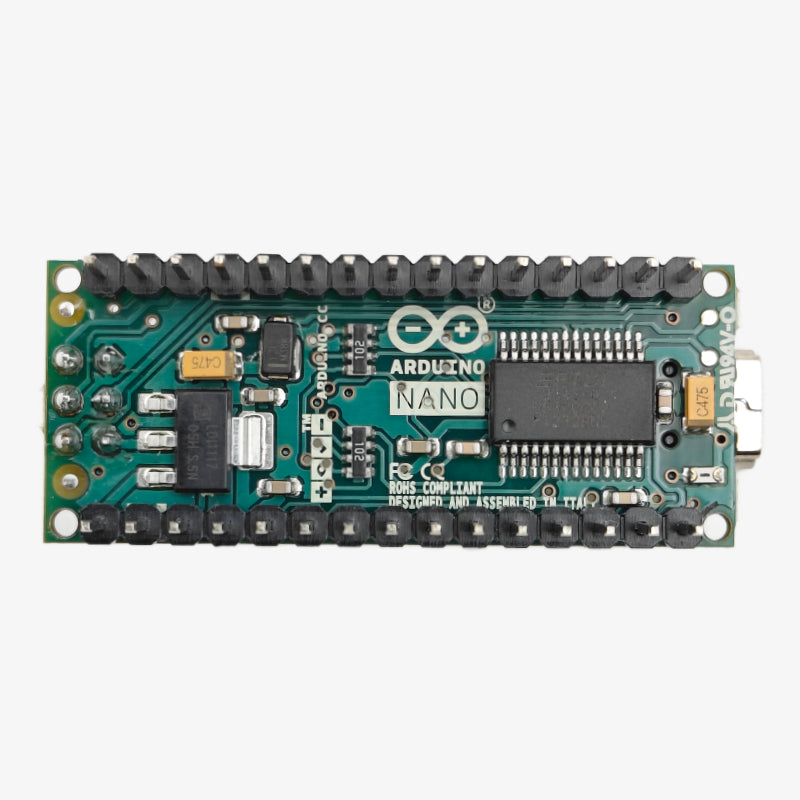
Credit: quartzcomponents.com
Testing And Validation
Testing and validation are crucial when waterproofing microcontrollers for wearable technology. You need to ensure your device withstands real-world conditions without failure. Proper testing helps you catch vulnerabilities early, saving time and money in the long run.
Waterproof Testing Methods
There are several ways to test the waterproofing of your microcontroller. One common method is the IP (Ingress Protection) rating test, which involves submerging the device in water at different depths and durations.
You can also use a spray testto simulate rain or sweat exposure. This helps verify that seals and coatings hold up under typical wear conditions. Another practical test is the condensation test, which checks if moisture forms inside the device after rapid temperature changes.
Have you ever wondered if your microcontroller would survive a sudden splash or a sweaty workout? These tests give you the confidence to answer that question definitively.
Environmental Stress Testing
Waterproofing isn’t just about water; it’s about the environment your device operates in. Subject your microcontroller to temperature cycles, humidity, and UV exposure to mimic real-life wear scenarios.
Try exposing your device to rapid temperature changes—from cold mornings to hot afternoons. This can reveal weak points in seals or coatings that might crack or peel. High humidity tests reveal if moisture can seep in over time, a common cause of corrosion.
These stress tests push your device to its limits, showing you how it behaves beyond just water contact. What unexpected environmental challenge might your wearable face?
Reliability Assessment
Reliability means your waterproofing lasts through everyday use, not just during initial tests. Run long-term soak tests where the device stays submerged for extended periods. Monitor its function periodically to catch slow degradation.
Mechanical stress is another factor. Repeated flexing, twisting, or impacts can damage waterproof seals. Use vibration and shock tests to simulate daily wear and tear.
Tracking failure rates under these conditions helps predict lifespan and maintenance needs. How often do you think your wearable should be retested or serviced to stay waterproof?
Maintenance And Longevity Tips
Maintaining waterproof microcontrollers is key for wearable technology’s long life. Proper care keeps devices working well despite exposure to water and sweat. Small actions can prevent damage and ensure performance over time.
Regular checks catch early problems. Keeping protective layers intact helps avoid costly repairs. Storing devices properly also protects against moisture and dust.
Regular Inspections
Check microcontrollers often for cracks or wear in seals and coatings. Use a magnifier to spot tiny damages. Look for any signs of rust or corrosion on metal parts.
Test the device’s waterproof function by gently exposing it to water. Dry it fully after testing. Early detection of issues helps fix problems fast.
Reapplication Of Coatings
Protective coatings wear out with use. Reapply waterproof sprays or conformal coatings as needed. Follow product instructions carefully for best results.
Reapplying ensures no gaps allow moisture inside. Choose coatings compatible with your microcontroller’s materials. Keep extra coating handy for quick touch-ups.
Handling And Storage
Handle devices with clean, dry hands to avoid transferring oils and dirt. Avoid dropping or bending the microcontroller, which may break seals.
Store wearables in a dry, cool place away from direct sunlight. Use sealed containers or bags with silica gel packets to reduce humidity. Proper storage extends device life and keeps waterproofing effective.
Frequently Asked Questions
How Do You Waterproof Microcontrollers For Wearables?
Waterproofing microcontrollers involves sealing them with protective coatings, using waterproof enclosures, and applying conformal coatings. These methods prevent moisture damage and ensure reliable performance in wearable technology exposed to sweat and water.
What Materials Best Protect Wearable Microcontrollers?
Silicone, epoxy resin, and polyurethane coatings are ideal for waterproofing. These materials create a durable, flexible barrier that resists water and environmental damage without affecting microcontroller functionality.
Can Conformal Coatings Improve Microcontroller Durability?
Yes, conformal coatings protect microcontrollers from moisture, dust, and corrosion. They are thin, transparent layers that maintain electrical performance while enhancing wearables’ durability and lifespan.
How To Test Waterproofing Effectiveness In Wearables?
Test waterproofing by submerging the device in water for a set time or exposing it to humidity chambers. Check for any functional failures or moisture ingress after testing.
Conclusion
Protecting microcontrollers is crucial for durable wearable tech. Waterproofing ensures longevity and reliability. Proper sealing methods guard against water damage. Choose materials wisely for effective protection. Test thoroughly to confirm waterproofing success. This safeguards your devices from unexpected failures. Consistent maintenance prolongs device lifespan.
Stay informed on new waterproofing techniques. Adapt your methods as technology evolves. By following these steps, wearable tech remains dependable. A little effort now saves headaches later. Keep your tech safe and functional. Enjoy peace of mind with well-protected microcontrollers.
Leave a Reply