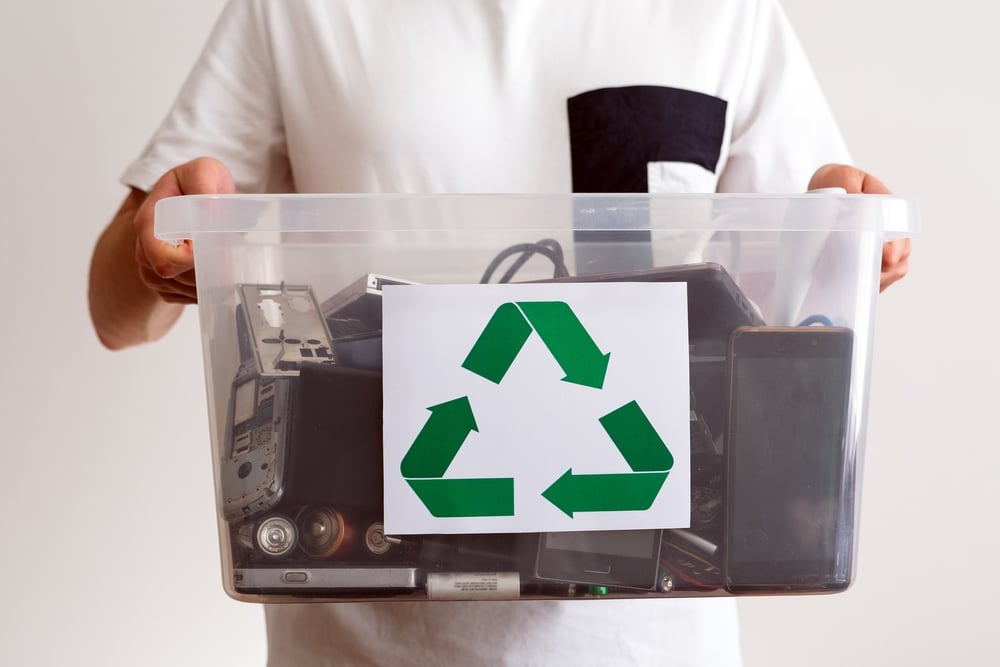
You have old phones, laptops, or other gadgets lying around, and you wonder what to do with them. Tossing them in the trash isn’t the answer—it harms the environment and wastes valuable materials.
But how can you recycle electronics safely and effectively? This guide will show you simple steps to recycle your devices, protect your personal data, and even find ways to give your gadgets a second life. Keep reading to learn how your actions can make a real difference for the planet and your community.

Credit: www.angi.com
Why Recycle Electronics
Recycling electronics is important for many reasons. Old devices contain materials that can harm the environment. Proper recycling helps reduce pollution and saves valuable resources. It also lowers the amount of electronic waste in landfills. Understanding why recycling electronics matters encourages responsible choices.
Environmental Impact
Electronic devices contain harmful chemicals. These chemicals can leak into soil and water. Recycling stops dangerous toxins from polluting nature. It protects wildlife and keeps air clean. Proper disposal reduces health risks for communities.
Resource Conservation
Many electronics have metals like gold, silver, and copper. These materials are limited and costly to mine. Recycling recovers these valuable resources. It reduces the need for new mining. This saves energy and lowers environmental damage.
Reducing E-waste
Millions of tons of e-waste are produced yearly. Most of it ends up in landfills or is burned. This creates toxic fumes and waste buildup. Recycling electronics lowers the amount of e-waste. It promotes reuse and responsible disposal practices.
Preparing Electronics For Recycling
Preparing your electronics properly before recycling makes the process safer and more efficient. It also protects your personal information and ensures that recyclable parts are handled correctly. Taking a few simple steps can make a big difference in how your device is processed and reused.
Data Backup And Removal
Your electronics likely hold personal information that you don’t want to share. Before recycling, back up important files to an external drive or cloud storage. After saving your data, perform a factory reset or use software tools to securely erase all personal information.
Have you ever thought about what happens to your data if you don’t delete it? Leaving your information on old devices can lead to identity theft or privacy breaches. Taking the time to wipe your device protects you and gives you peace of mind.
Removing Batteries And Accessories
Batteries can be hazardous if not disposed of properly. Remove them from your devices whenever possible and recycle them at designated battery drop-off points. Don’t forget to take off accessories like chargers, memory cards, or SIM cards, as they may need separate recycling or reuse.
Handling batteries carefully prevents leaks and fires during transportation. If you’re unsure how to remove them safely, check your device’s manual or look for online guides. This small step helps recyclers manage electronic waste more responsibly.
Cleaning Devices
Cleaning your electronics before recycling might seem unnecessary, but it helps workers handle them more easily. Wipe off dust, dirt, and grime with a soft cloth and avoid using harsh chemicals. Clean devices often get processed faster and reduce contamination in recycling facilities.
Imagine the difference a clean device makes to someone sorting through piles of electronics. A little effort on your part can speed up recycling and increase the chance that parts will be reused. Would you want to handle dirty, sticky gadgets all day? Probably not.
Finding Recycling Options
Recycling electronics helps reduce waste and protects the environment. Finding the right place to recycle old devices is simple. Many options exist, suited for different needs and locations.
Local Recycling Centers
Many towns have special centers for electronic waste. These places accept devices like phones, computers, and TVs. Staff at these centers ensure safe recycling. Check your city’s website or call to find the nearest center. Some centers have drop-off times or require appointments.
Retailer Take-back Programs
Many stores that sell electronics offer recycling programs. You can bring old devices back to these retailers. They often accept items like batteries, phones, and small gadgets. Some stores even offer discounts for recycling electronics. This option is convenient since you can recycle while shopping.
Community E-waste Events
Communities often hold special events for electronic waste collection. These events happen a few times a year. They provide a chance to recycle many items at once. Volunteers help organize and manage the collection. Keep an eye on local news or community boards for event dates.

Credit: www.twpofwashington.us
Safe Disposal Practices
Safe disposal practices are essential to protect both your health and the environment when recycling electronics. Handling electronic waste carelessly can release harmful substances into the air and soil. Taking simple, careful steps ensures you dispose of your gadgets responsibly and avoid potential hazards.
Handling Hazardous Materials
Many electronics contain hazardous materials like lead, mercury, and cadmium. These substances can be dangerous if they leak or break. Always check for batteries, screens, and circuit boards before disposal—they often require special handling.
Remove batteries separately and place them in designated recycling bins. Avoid breaking or crushing devices to prevent exposure to toxic chemicals. If you’re unsure about what’s inside, consult your local e-waste recycling center for guidance.
Packaging Electronics Securely
Packaging your electronics properly protects workers and the environment during transport. Use original packaging or sturdy boxes to avoid damage. Wrap fragile items like screens in bubble wrap or thick paper to prevent cracks and leaks.
Seal boxes tightly with tape and label them as “Electronic Waste” if required. This small effort helps recycling centers identify and process items safely. Have you ever experienced frustration when an item arrived broken? Proper packaging prevents that risk for everyone involved.
Benefits Of Recycling Electronics
Recycling electronics brings many benefits that affect the economy, environment, and health. It helps reduce waste, saves resources, and supports cleaner communities. Understanding these benefits encourages responsible recycling habits.
Economic Advantages
Recycling electronics creates jobs in collection, sorting, and processing. It helps recover valuable materials like gold, copper, and silver. These materials reduce the need for expensive mining. Businesses save money by using recycled parts. Consumers can find lower-cost refurbished devices. The cycle supports local economies and reduces production costs.
Supporting Sustainable Practices
Recycling electronics lowers the demand for new raw materials. It reduces energy use and pollution from manufacturing. Less mining means less land destruction and water contamination. Recycling also cuts greenhouse gas emissions. This helps protect natural habitats and biodiversity. Sustainable recycling conserves resources for future generations.
Protecting Public Health
Many electronics contain harmful chemicals and metals. Proper recycling stops these toxins from entering soil and water. It prevents air pollution caused by burning e-waste. Safe disposal reduces health risks for workers and communities. Recycling keeps hazardous waste out of landfills. This promotes cleaner, safer living environments for everyone.

Credit: mcfenvironmental.com
Tips For Reducing Electronic Waste
Reducing electronic waste is more than just recycling old gadgets—it’s about changing how you buy, use, and share electronics. Small choices can lead to big impacts on the environment and your wallet. Think about how often you replace devices and what happens to them afterward.
Buying Refurbished Products
Choosing refurbished electronics saves resources and reduces waste. These products have been tested and repaired to work like new, often at a lower price. You get reliable devices without supporting the demand for new raw materials.
Have you ever considered that buying refurbished could give you access to higher-end models that fit your budget better? This approach also supports businesses focused on sustainability.
Extending Device Lifespan
Keeping your devices longer helps cut down on waste. Simple actions like updating software, using protective cases, and replacing batteries can make a big difference. Regular maintenance can delay the need for a new device.
Think about your phone or laptop. How long have you had it? Could it work well for a few more years with some care? Giving your electronics a longer life keeps harmful materials out of landfills.
Donating Usable Electronics
If your device still works, donating it can benefit others and reduce waste. Schools, community centers, and charities often accept electronics to help those in need. This extends the product’s life and supports social good.
Before you toss or sell, ask yourself: Could someone else use this? Donating is a powerful way to keep devices out of the trash and make a positive impact in your community.
Frequently Asked Questions
What Electronics Can Consumers Recycle Safely?
Consumers can recycle devices like smartphones, laptops, TVs, and printers. Batteries and cables are also recyclable. Check local guidelines to ensure safe recycling.
Where Can I Recycle Old Electronics Near Me?
Many local recycling centers and retail stores accept electronics. Use online tools to find nearby certified e-waste recyclers. Always verify their recycling standards.
How Do Electronics Recycling Programs Benefit The Environment?
Recycling electronics reduces landfill waste and toxic pollution. It conserves natural resources by recovering valuable materials. This process lowers energy consumption and greenhouse gas emissions.
Can I Donate Used Electronics Instead Of Recycling?
Yes, donating working electronics extends their lifespan and helps others. Check charities and schools for donation programs. Ensure devices are functional and data is erased.
Conclusion
Recycling electronics helps protect our planet. It’s easier than many think. Start by finding local recycling centers. They accept old gadgets. Donate working devices to charities. This gives them new life. Sell usable electronics online. Make some money back. Contact manufacturers.
Many offer take-back programs. They recycle parts safely. Educate friends and family. Share why recycling matters. Every small step counts. Together, we reduce e-waste. A greener future awaits. Let’s act today.
Leave a Reply