Have you ever wondered what exactly counts as a consumer electronic? You probably use many of these devices every day without even thinking about it.
From the smartphone in your hand to the headphones you wear, these gadgets shape how you live, work, and play. Understanding what falls under the category of consumer electronics can help you make smarter choices when buying, using, or even upgrading your devices.
Keep reading, and you’ll discover the key types of consumer electronics and why they matter to you.
Consumer Electronics Explained
Consumer electronics refer to devices made for everyday use by people. These gadgets help with communication, entertainment, and work. They often have electronic circuits and use electricity to function. Understanding what falls under consumer electronics helps in knowing their role in daily life.
Key Features
- Designed for personal or household use
- Operates with electricity or batteries
- Offers user-friendly interfaces
- Supports communication, entertainment, or productivity
- Portable or stationary devices
- Includes hardware and software components
Common Categories
- Audio and video devices like TVs and speakers
- Computers, tablets, and smartphones
- Home appliances such as microwaves and smart thermostats
- Wearable technology like smartwatches and fitness trackers
- Gaming consoles and accessories
- Cameras and camcorders

Credit: www.statista.com
Popular Consumer Devices
Popular consumer devices shape how people live, work, and play daily. These gadgets blend technology with convenience. They offer easy access to information, communication, and entertainment. Each device type serves unique purposes but shares one goal: improving user experience.
Smartphones And Tablets
Smartphones and tablets are top consumer electronics. Smartphones combine calling, texting, and internet in one device. Tablets offer larger screens for reading, watching, and browsing. Both run apps for work and fun. They connect users to social media, news, and games quickly.
Wearable Technology
Wearable technology includes smartwatches and fitness trackers. These devices monitor health, steps, and sleep patterns. They keep users connected without carrying phones. Wearables provide notifications and music controls on the go. Their compact design fits easily on wrists or clothes.
Home Entertainment Systems
Home entertainment systems bring movies, music, and games to living rooms. They include smart TVs, soundbars, and streaming devices. These systems deliver high-quality audio and video. Users enjoy streaming services and online content easily. Home setups create immersive experiences for family and friends.
Emerging Trends In Consumer Electronics
Consumer electronics are changing fast with new trends shaping the market. These trends focus on making devices smarter and more connected. They bring ease and fun to everyday life.
Smart Home Devices
Smart home devices let you control your house remotely. Lights, locks, and thermostats respond to voice or phone commands. These devices learn your habits to save energy and improve comfort. They also increase home security with real-time alerts.
Virtual And Augmented Reality
Virtual reality (VR) and augmented reality (AR) create new ways to experience media. VR immerses users in a fully digital world. AR adds digital images to the real world around you. Both are used in gaming, education, and shopping for interactive experiences.
Ai Integration
Artificial intelligence (AI) is now part of many consumer electronics. AI helps devices understand and predict user needs. It powers smart assistants, improves camera quality, and enhances voice recognition. AI makes gadgets more intuitive and personalized.

Credit: us.arrk.com
Factors Influencing Consumer Choices
Understanding what drives your decision to buy a consumer electronic product can change how you shop. Several key factors influence your choices, shaping what you find valuable and worth investing in. These factors not only reflect your needs but also how technology and the market evolve around you.
Technology Advancements
New features and innovations often catch your eye first. Think about how smartphones now offer facial recognition or how smart TVs connect effortlessly to your home network. These advancements can make a product more appealing by promising convenience or improved performance.
Have you noticed upgrading your device because it supports the latest apps or faster speeds? That’s technology pushing your choices.
User Experience
How easy and enjoyable a product is to use plays a big role. You might skip a gadget if it feels complicated or frustrating, no matter how powerful it is. On the other hand, intuitive controls and clear instructions can make a big difference.
Consider your last purchase—did you choose it because it just worked seamlessly? That smooth experience often seals the deal.
Price And Affordability
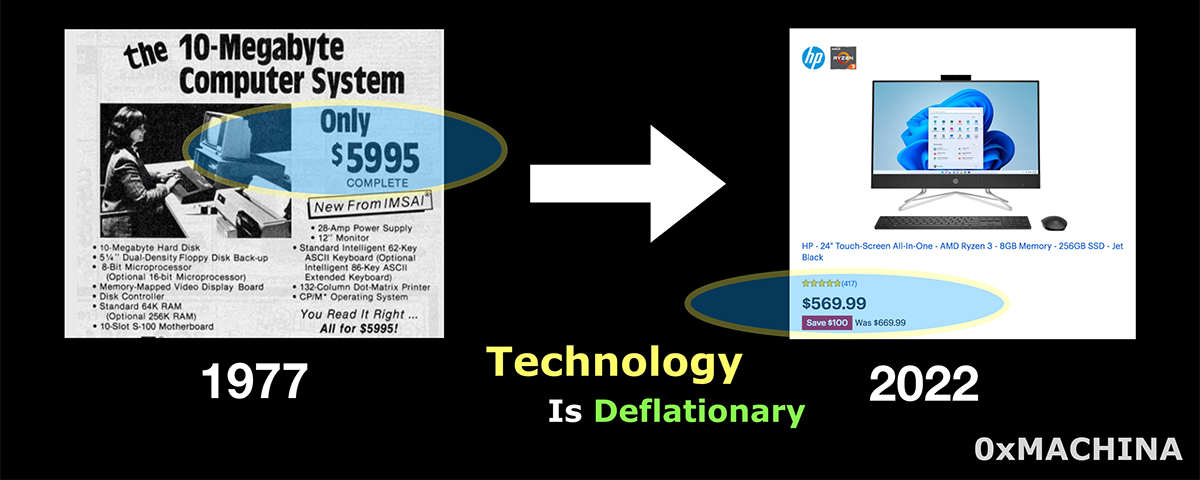
Cost often sets the boundaries for what you can consider. You may want the latest model, but if it stretches your budget too far, you’ll look for alternatives. Sometimes, a slightly older or simpler version offers the best value for your money.
Ask yourself: Is the price reflecting the benefits I actually need? Balancing price with features helps you make smarter choices that fit your lifestyle.
Regulations And Standards
Consumer electronics are more than just gadgets; they must meet strict regulations and standards to ensure they are safe, environmentally responsible, and respect your privacy. These rules protect you and the environment while helping manufacturers deliver reliable products. Understanding these regulations can give you confidence when choosing your next device.
Safety Requirements
Every electronic device you use undergoes testing to meet safety standards. These requirements prevent hazards like electrical shocks, fires, and overheating. For example, devices sold in the US often need UL certification, which proves they pass strict safety tests.
Have you ever wondered why your phone charger has specific symbols or marks? Those labels show it complies with safety regulations. It’s not just about legal compliance; it’s about protecting you and your home from accidents.
Environmental Impact
Consumer electronics can affect the environment significantly if not managed properly. Regulations often require manufacturers to minimize harmful materials like lead or mercury in their products. You might notice labels such as RoHS, indicating the device meets limits on dangerous substances.
Disposal rules also matter. Many countries mandate recycling programs for electronic waste to reduce landfill impact. Next time you toss out an old gadget, ask yourself if you’re following these guidelines to protect the planet.
Data Privacy
Modern electronics collect a lot of personal information, making data privacy standards critical. Regulations like GDPR in Europe require companies to handle your data transparently and securely. This means you have rights over what information is collected and how it’s used.
Think about the apps on your smart devices—do you know what data they access? Staying informed and choosing products that respect your privacy can safeguard your personal information from misuse.

Credit: www.statista.com
Future Outlook For 2025 And Beyond
The future of consumer electronics is set to transform how you interact with technology every day. By 2025 and beyond, expect smarter, faster, and more connected devices that fit seamlessly into your lifestyle. Understanding what drives this change can help you stay ahead and make better choices for your tech needs.
Innovation Drivers
Advances in artificial intelligence and machine learning are powering smarter devices that anticipate your needs. Battery technology is improving, making gadgets last longer while charging quicker. You’ll also see a rise in flexible and wearable electronics that blend comfort with cutting-edge features.
Think about how your smartphone adapted over the past few years. The same pace of improvement is now hitting new categories like smart home systems and health trackers. Could your next device learn your habits and adjust automatically?
Market Predictions
Experts expect the consumer electronics market to grow significantly, especially in emerging tech areas like virtual reality and Internet of Things (IoT) devices. Sales of smart home products and personal health gadgets are projected to surge as people prioritize convenience and wellness.
Brands are focusing on making devices more user-friendly and affordable, aiming to reach a wider audience globally. How might these trends change your daily tech interactions and purchasing decisions?
Challenges Ahead
Despite exciting growth, issues like data privacy and electronic waste pose real challenges. You’ll need to be more aware of how your devices handle personal information. Plus, sustainability will become a bigger factor in choosing which electronics to buy.
Another hurdle is the rapid pace of innovation, which can make devices obsolete quickly. How will you balance wanting the latest tech with making smart, long-term investments?
Frequently Asked Questions
What Defines A Consumer Electronic Product?
A consumer electronic product is any device used by individuals for entertainment, communication, or daily tasks. These include gadgets like smartphones, TVs, laptops, and wearable devices. They are designed for personal use, integrating technology to simplify or enhance everyday life.
Which Items Are Commonly Classified As Consumer Electronics?
Common consumer electronics include smartphones, tablets, laptops, televisions, gaming consoles, and headphones. These devices serve various functions such as communication, entertainment, and productivity. They are typically user-friendly and widely available in the market.
How Do Consumer Electronics Differ From Industrial Electronics?
Consumer electronics are designed for personal use, focusing on ease and aesthetics. Industrial electronics serve specialized technical functions in manufacturing or business environments. Consumer devices prioritize user experience, while industrial ones emphasize durability and performance.
Why Are Smartphones Considered Essential Consumer Electronics?
Smartphones combine communication, internet access, and multimedia in one device. They provide convenience, connectivity, and access to countless apps. Their multifunctionality and portability make them a key consumer electronic in modern life.
Conclusion
Consumer electronics shape our daily lives. These devices make tasks easier. Phones, TVs, and laptops are common examples. They connect us to the world. Understanding these gadgets helps us choose wisely. Technology evolves rapidly, bringing new options. Stay informed to keep up with changes.
Smart choices lead to better experiences. Embrace the tech around you. It enhances both work and play. Always consider needs and budget when purchasing. A little knowledge goes a long way. Keep exploring the world of consumer electronics. It’s exciting and ever-changing.
Leave a Reply