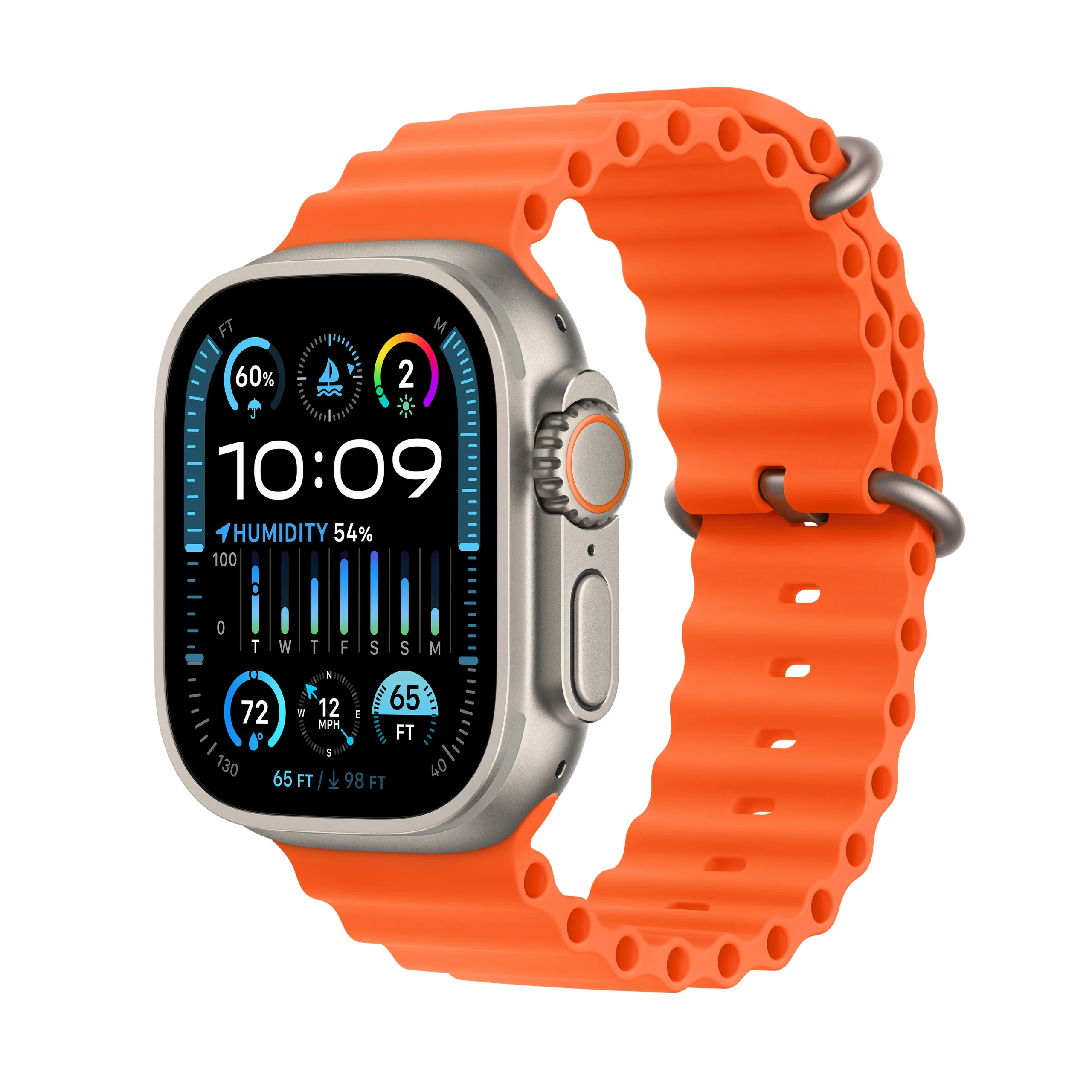
Imagine having a personal coach right on your wrist, guiding every move you make during training. Wearable technology is changing the way you learn, practice, and improve skills.
Whether you’re an athlete, a fitness enthusiast, or someone looking to boost your performance, these smart devices can give you real-time feedback and help track your progress like never before. Curious how this tech can transform your training routine? Keep reading to discover how wearable technology can take your skills to the next level.
Wearable Tech In Training
Wearable technology is rapidly transforming the way training programs are designed and executed. From fitness enthusiasts to professional athletes, wearable devices offer real-time data, personalized insights, and enhanced skill development. These tools not only track physical activity but also provide feedback that can be critical for improving performance. If you’re looking to optimize your training regimen, wearable tech might just be the key.
Types Of Wearable Devices
- Smartwatches:These versatile devices can track steps, heart rate, and even provide GPS navigation. Many models also offer training plans and progress tracking.
- Fitness Bands:Often simpler than smartwatches, these focus on tracking basic metrics like steps, sleep, and calorie burn. They’re perfect for those who want to keep it straightforward.
- Heart Rate Monitors:Essential for athletes, these devices provide accurate heart rate data. This allows you to train within specific zones for optimal results.
- Smart Clothing:Embedded with sensors, these garments can provide detailed data on your movements, helping to refine techniques and prevent injuries.
- Virtual Reality (VR) Headsets:While not wearable in the traditional sense, VR headsets are increasingly used in training to simulate real-world scenarios and improve skills in a controlled environment.
Key Features For Skill Development
Wearable tech is not just about tracking; it’s about enhancing your skills with actionable insights. One major feature is real-time feedback. Imagine running a marathon and having a virtual coach in your ear, adjusting your pace and form instantaneously. This could be the difference between a personal best and a missed opportunity.
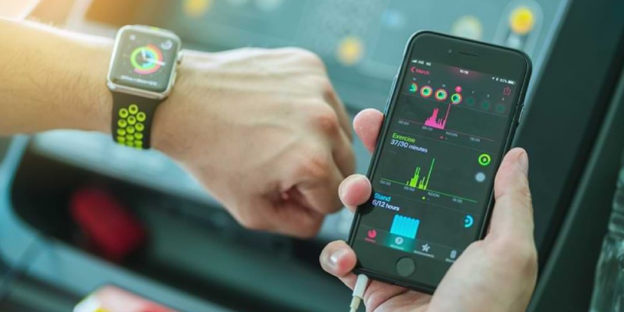
Another critical feature is data analytics. Devices collect vast amounts of data, which can be overwhelming. However, they often come with apps that analyze this data to offer personalized recommendations. This means you spend less time figuring out what to do and more time doing it.
Lastly, consider the motivational aspect. Many wearables come with gamification elements, such as challenges and rewards. This keeps you engaged and motivated to push your limits. After all, who doesn’t enjoy a little friendly competition?
Are you ready to take your training to the next level? Embrace wearable tech and watch how it transforms not just your workouts, but your entire approach to fitness. With the right device, you’re not just training harder—you’re training smarter.
Real-time Feedback
Real-time feedback transforms training by giving you immediate insights into your performance. It helps you stay aware of what you’re doing right and highlights areas that need quick improvement. This instant loop of information keeps you engaged and focused, making your training sessions more effective.
Instant Performance Tracking
Wearable technology tracks your performance as you move. Sensors measure data like heart rate, speed, and movement patterns without delay. This means you can see exactly how well you’re doing during each part of your workout or practice.
Imagine running and instantly knowing your pace dropped or your form shifted. You can react immediately, pushing harder or adjusting your technique. This ongoing tracking helps you maintain consistent progress and avoid bad habits before they settle in.
Correcting Mistakes On-the-go
Getting real-time alerts about mistakes changes how you train. Instead of waiting for a coach’s feedback after a session, you receive instant corrections. This helps you fix errors right away, preventing them from becoming ingrained.
For example, if your posture is off during a lift, a wearable can notify you to adjust immediately. This kind of prompt correction saves time and reduces the risk of injury. How often have you wished for an instant nudge to improve something you didn’t realize you were doing wrong?
Enhanced Engagement
Wearable technology boosts training by increasing learner engagement. It creates active and immersive learning environments. Trainees stay focused and retain information better. This technology offers real-time feedback and hands-on practice. Learners feel more involved and motivated throughout the training process.
Interactive Learning Experiences
Wearables provide interactive features that make learning hands-on. Sensors and motion trackers allow users to practice skills physically. This interaction helps learners understand concepts deeply. They get instant feedback on their actions. This immediate response helps correct mistakes quickly. Interactive learning keeps attention high and reduces boredom.
Gamification And Motivation
Wearable devices support gamified training activities. Points, levels, and challenges encourage continuous effort. Competition and rewards boost motivation and participation. Gamification turns training into a fun experience. Learners push themselves to improve skills. This approach helps maintain interest over time.

Credit: dl.acm.org
Personalized Training Paths
Personalized training paths give you control over how you learn and grow your skills. Wearable technology collects real-time data on your performance, helping tailor your training to fit your unique needs. This approach moves away from one-size-fits-all programs and focuses on what truly helps you improve.
Data-driven Skill Assessments
Wearables track detailed metrics like heart rate, movement patterns, and reaction times during training sessions. These data points reveal your strengths and areas needing improvement without relying on guesswork.
Imagine wearing a device that shows you exactly where your form breaks down during a workout. You get instant feedback, so you can adjust immediately. This prevents bad habits from forming and speeds up progress.
Wouldn’t it be great to know your readiness level before attempting a tough skill? Data-driven assessments provide that insight, helping you avoid injury and frustration.
Customizing Learning Modules
With insights from wearable data, training programs can be customized to match your pace and preferences. Modules adapt based on your progress, making learning more efficient and engaging.
For example, if your wearable shows steady improvement in endurance but struggles with agility, your training can shift focus accordingly. You spend less time on what you already know and more on what challenges you.
Think about how much more motivating it is to follow a plan designed just for you. Personalized modules keep you invested and make every session count toward your goals.
Applications Across Industries
Wearable technology has found diverse uses across many industries. It supports training by providing real-time feedback and data tracking. This technology helps learners improve skills faster and with better accuracy. Industries adopt wearables to create hands-on and interactive learning experiences. The following sections highlight key applications in healthcare, sports, and corporate training.
Healthcare And Medical Training
Wearables assist medical professionals in learning complex procedures safely. Devices like smart glasses show step-by-step surgery guides. Sensors track hand movements to improve precision during practice. Trainees receive instant feedback on their technique and posture. Simulated patient data helps with diagnosis training and emergency response drills. This technology reduces errors and boosts confidence before real patient care.
Sports And Fitness
Athletes use wearables to monitor performance metrics such as heart rate and speed. Real-time data helps coaches adjust training plans effectively. Devices track movement patterns to avoid injuries and improve form. Wearable feedback motivates athletes to reach their fitness goals. Virtual reality gear offers immersive practice environments for skill drills. This tech enhances endurance, strength, and technique development.
Corporate Skill Development
Wearables enable interactive learning in corporate settings. Employees practice complex tasks in virtual simulations. Smart watches and headsets deliver bite-sized training modules on the go. Real-time performance tracking helps managers identify skill gaps quickly. Wearables create engaging and flexible learning experiences. This approach supports continuous improvement and boosts workplace productivity.
Challenges And Considerations
Wearable technology offers exciting opportunities for training. Yet, several challenges require attention before full adoption. These challenges affect users and organizations alike. Understanding them helps create better training programs with wearable devices.
Privacy And Data Security
Wearables collect personal and sensitive information. Protecting this data is crucial to maintain user trust. Companies must follow strict rules to secure data. Risks include hacking, unauthorized sharing, and data leaks.
Users worry about who accesses their information and how it’s used. Transparent policies and strong encryption methods reduce these concerns. Regular security updates help keep data safe from new threats.
Device Limitations And Costs
Wearable devices vary in features and performance. Some may not track all necessary training metrics accurately. Battery life and comfort can also limit use during long sessions.
Cost is another important factor. High-quality wearables can be expensive. Budget constraints may limit how many devices an organization can provide. Maintenance and software updates add extra expenses.
Choosing the right device involves balancing price, function, and user needs. Testing devices before large purchases helps avoid costly mistakes.
Future Trends
The future of wearable technology in training is bright and full of potential. As devices become smarter and more intuitive, they will offer more personalized and effective training experiences. You might wonder how these advancements will directly impact your training sessions and progress.
Ai Integration
AI is set to change the way wearables assist in training by providing real-time feedback tailored to your specific needs. Imagine a device that learns your strengths and weaknesses and adjusts your workout plan on the fly.
This means you could receive instant coaching tips that help you avoid injury or improve technique without waiting for a trainer’s input. The AI can also analyze large amounts of data to predict when you might hit a plateau and suggest new challenges to keep you progressing.
Advanced Sensor Technologies
Sensors in wearable devices are getting more precise and capable of tracking a wider range of physical and physiological signals. Beyond just counting steps or monitoring heart rate, future wearables will measure muscle fatigue, hydration levels, and even stress markers.
With this detailed data, your training can become highly customized. For example, if your sensors detect early signs of muscle strain, the device might recommend a lighter workout or a recovery day to prevent injury.
What if your wearable could alert you to subtle changes in your body that you wouldn’t notice yourself? This kind of insight could be a game-changer for anyone serious about improving performance or maintaining long-term health.

Credit: www.healio.com
Credit: medium.com
Frequently Asked Questions
How Does Wearable Technology Improve Training Effectiveness?
Wearable technology tracks real-time data like heart rate and movement. This helps trainers tailor workouts and monitor progress precisely. It boosts motivation and ensures safety, making training more efficient and personalized.
What Types Of Wearable Devices Are Used In Training?
Common wearables include fitness trackers, smartwatches, heart rate monitors, and GPS devices. These gadgets collect data on physical activity, sleep, and recovery to optimize training routines effectively.
Can Wearable Tech Enhance Athlete Performance?
Yes, wearables provide detailed analytics on performance metrics. Athletes can identify strengths and weaknesses, adjust training plans, and prevent injuries, leading to improved overall results.
How Do Wearables Support Remote Training Programs?
Wearable devices allow trainers to monitor clients remotely via synced apps. This enables real-time feedback, progress tracking, and personalized adjustments without in-person sessions.
Conclusion
Wearable technology helps trainers track progress and improve skills. It gives real-time feedback during exercises. This tech makes training more personal and focused. Athletes and learners can see their strengths and weaknesses clearly. Training becomes more efficient and enjoyable with these tools.
Small devices can lead to big improvements. Using wearable tech is a smart step in modern training. It supports better results with less guesswork. Simple, smart, and useful—wearables change how we learn and grow.
Leave a Reply