Have you ever wondered how to say “wearable technology” in Spanish? Whether you’re traveling, working with Spanish-speaking clients, or just curious, knowing the right term can make a big difference.
Imagine confidently joining conversations about the latest smartwatches or fitness trackers without missing a word. You’ll discover exactly how to say “wearable technology” in Spanish and learn a few handy tips to use it naturally. Ready to boost your language skills and impress others?
Keep reading—you’re about to unlock a simple secret that makes tech talk in Spanish easy and fun.

Credit: techcrunch.com
Wearable Tech Terms In Spanish
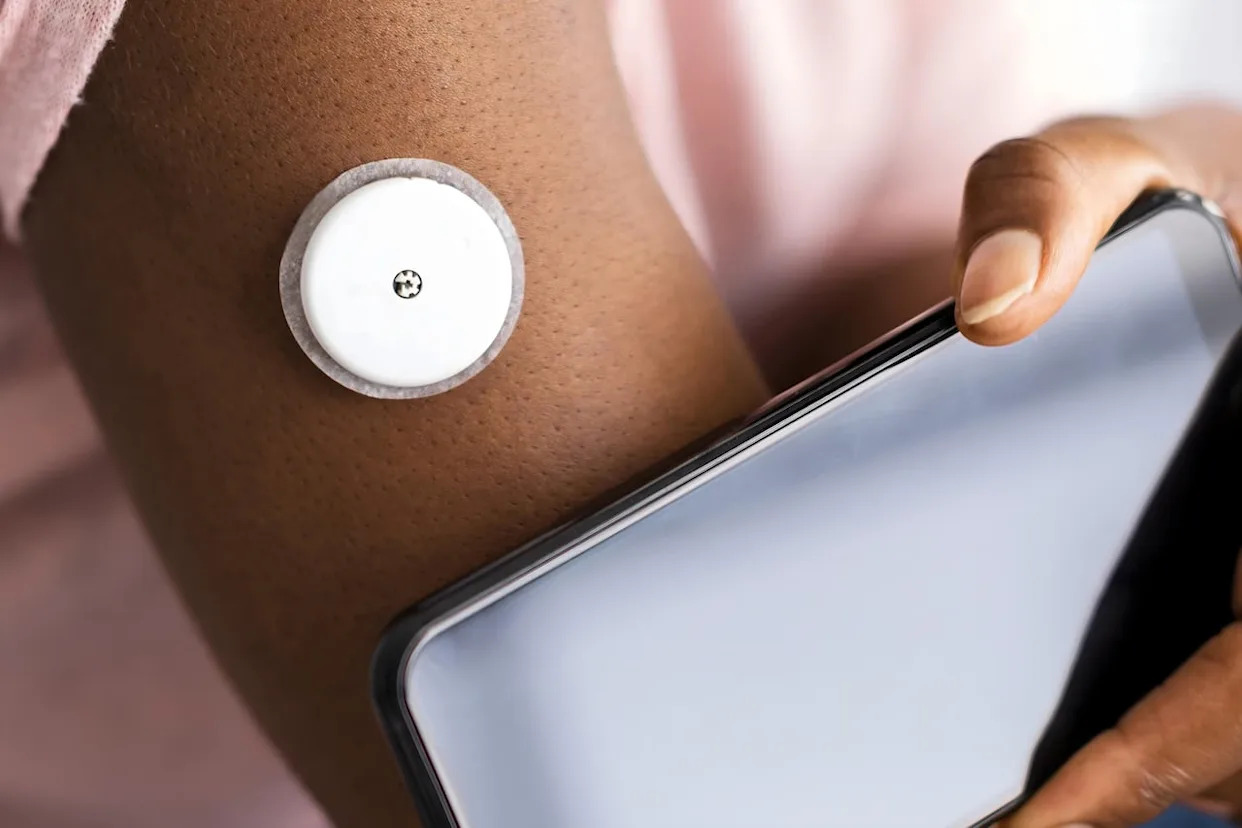
Wearable technology in Spanish is called “tecnología vestible” or “tecnología portátil. ” These terms describe gadgets you wear, like smartwatches or fitness trackers. Knowing them helps when discussing wearable tech in Spanish-speaking settings.
Wearable technology has seamlessly integrated into our daily lives, transforming how we interact with the world. But how do you talk about these gadgets in Spanish? Understanding wearable tech terms in Spanish can enrich your experience, whether you’re traveling or engaging with Spanish-speaking tech enthusiasts.Common Vocabulary
When discussing wearable technology, there are some fundamental terms you’ll encounter. – Tecnología vestible: This is the direct translation for “wearable technology” and is widely understood. – Reloj inteligente: The Spanish term for “smartwatch.” You’ll hear this often in tech conversations. – Gafas inteligentes: Meaning “smart glasses,” this term is becoming more common as these devices gain popularity. These words form the foundation of your Spanish wearable tech vocabulary. Knowing them allows you to have basic yet meaningful conversations about your devices.Technical Words
Diving deeper, you’ll find technical terms that are useful in specific contexts. – Sensores: Simply “sensors,” these are crucial components in most wearable devices. – Monitor de actividad: Translates to “activity tracker,” an essential device for fitness enthusiasts. – Interfaz de usuario: Meaning “user interface,” this term helps you discuss the design and usability of devices. Understanding these technical words can enhance your ability to discuss device specifications and features with others.Everyday Expressions
You might wonder how wearable tech fits into everyday Spanish conversations. – ¿Cuántos pasos diste hoy?: Asking “How many steps did you take today?” can spark a discussion about fitness trackers. – Mi reloj me recuerda moverme cada hora: “My watch reminds me to move every hour” is a casual way to talk about smartwatch features. – Estoy probando un nuevo dispositivo: Saying “I’m trying out a new device” can lead to sharing experiences and opinions. Everyday expressions like these make it easier to incorporate wearable tech into your daily Spanish interactions. Are you ready to take your tech talk to the next level? Embrace these terms and see how they transform your conversations.Pronunciation Tips
Mastering the pronunciation of “wearable technology” in Spanish can boost your confidence and help you connect better with native speakers. Pronunciation isn’t just about sounding correct; it’s about making yourself understood and engaging in meaningful conversations. Let’s break down some useful tips that will make your Spanish pronunciation clearer and more natural.
Key Sounds To Master
The Spanish translation for wearable technology is “tecnología vestible”. Focus on the following sounds:
- “Tecnología”: The “g” sounds like an English “h” when followed by “í” – say “teck-no-lo-HEE-a.”
- “Vestible”: The “v” is softer than in English, almost like a “b” sound, and the “s” is crisp and clear.
- Remember the accent on the “í” in tecnología—it changes the stress to that syllable, so don’t skip it.
Paying attention to these sounds will help your Spanish sound more authentic and easier to understand.
Common Mistakes
Many learners mix up the “b” and “v” sounds in Spanish. Don’t worry, they’re quite similar but not identical. Practice softening the “v” just a bit to avoid sounding harsh.
Another common slip is stressing the wrong syllable in “tecnología.” Placing stress on “te” or “lo” instead of “lí” can confuse listeners. Have you caught yourself doing this?
Lastly, pronouncing the “g” as a hard “g” like in “go” instead of the soft “h” sound can make the word sound off.
Practice Exercises
Try these exercises to get comfortable:
- Say “tecnología” slowly, emphasizing each syllable: tec-no-lo-GÍ-a.
- Repeat “vestible” while softening the “v” and clearly pronouncing the “s.”
- Record yourself and compare your pronunciation to native speakers on language apps or videos.
- Practice tongue twisters with similar sounds, like “veo vídeo vibrante” to tune your “v” and “b” sounds.
Which of these exercises will you try first? Consistent practice can transform your Spanish pronunciation faster than you expect.
Contextual Usage
Understanding how to say “wearable technology” in Spanish is useful in different situations. The phrase changes slightly based on where and how you use it. This section explores the most common contexts where you might hear or use this term.
In Conversations
People often say tecnología vestibleor tecnología portátilin daily talk. Both mean wearable technology but focus on different ideas.
- Tecnología vestiblehighlights the wearable aspect, like clothes or accessories.
- Tecnología portátilstresses portability, meaning devices you can easily carry.
Simple phrases help explain what these devices do. For example, “Tengo un reloj con tecnología vestible” means “I have a watch with wearable technology.”
In Marketing
Marketing uses clear and catchy terms to attract buyers. Tecnología portátilis more popular in ads and product descriptions. It sounds modern and practical.
Marketers focus on benefits, such as:
- Easy to carry
- Helps track health
- Connects with your phone
These points make the product appealing and easy to understand.
In Tech Reviews
Tech reviews use both phrases but with more detail. Reviewers explain features and performance of dispositivos con tecnología vestible.
They discuss:
- Design and comfort
- Battery life
- Compatibility with other devices
This language helps readers understand the device deeply before buying.
Regional Variations
Understanding how the term “wearable technology” changes across Spanish-speaking regions can help you communicate more effectively. Different countries have their own ways of saying the same thing, influenced by local culture and language habits. Recognizing these regional variations can make your conversations feel more natural and relatable.
Spain Vs Latin America
In Spain, “wearable technology” is often translated as “tecnología vestible”or “tecnología para llevar”. These phrases emphasize the idea of technology that you wear or carry on your body.
In many Latin American countries, people tend to use “tecnología portátil”, which literally means “portable technology.” This term is broader but widely understood to include wearables like smartwatches and fitness trackers.
Have you noticed how the same device might be described differently depending on where you are? This subtle difference can influence how your message is received.
Slang And Informal Terms
Spanish speakers often use informal or slang terms to refer to wearable technology, especially among younger users. Words like “gadgets para llevar”(gadgets to wear) or simply “wearables”borrowed directly from English are common.
In some places, you might hear “chucherías tecnológicas”, which literally means “tech knick-knacks,” used humorously or casually to describe small wearable devices.
Using slang can make your language sound more approachable, but it’s important to know your audience. Would you feel comfortable using casual terms in a professional setting? Adjust your vocabulary accordingly to maintain clarity and respect.
Related Technology Words
Understanding related technology words in Spanish can make your conversations about wearable tech much smoother. These words often appear alongside “wearable technology” and help you describe devices and features accurately. Let’s look at some key terms that you’ll find useful.
Smart Devices
Smart devices translate to dispositivos inteligentesin Spanish. These include gadgets that connect to the internet or other devices to perform tasks automatically. Think about your smartphone (teléfono inteligente) or smart glasses (gafas inteligentes).
Have you noticed how these terms often pop up in tech shops or online? Knowing them helps you ask the right questions and understand product descriptions better.
Fitness Trackers
Fitness trackers are called monitores de actividador sometimes rastreador de actividad físicain Spanish. These devices measure your steps, heart rate, and other health stats. Wearing one has changed how I track my progress—it feels like having a personal coach on my wrist.
When shopping or discussing fitness gear in Spanish, using these terms makes the conversation clearer and more precise.
Augmented Reality Gear
Augmented reality gear translates to equipos de realidad aumentada. These devices overlay digital information onto the real world, like AR glasses (gafas de realidad aumentada). They’re becoming popular for gaming, education, and even work.
Have you ever tried AR apps or devices? Talking about them in Spanish is easier once you know this phrase, especially if you want to explain how the technology works or share your experience.

Credit: www.youtube.com
Useful Phrases For Learners
Learning useful phrases helps you talk about wearable technology in Spanish. It makes conversations easier and more natural. Here are some key phrases that learners can use in different situations.
Asking About Wearables
- ¿Qué es la tecnología vestible? (What is wearable technology?)
- ¿Usas algún dispositivo vestible? (Do you use any wearable device?)
- ¿Para qué sirve este reloj inteligente? (What is this smartwatch for?)
- ¿Dónde puedo comprar tecnología vestible? (Where can I buy wearable technology?)
- ¿Cuánto cuesta esta pulsera fitness? (How much does this fitness band cost?)
Describing Features
- Esta pulsera mide tu ritmo cardíaco. (This band measures your heart rate.)
- El reloj tiene GPS incorporado. (The watch has built-in GPS.)
- La batería dura hasta siete días. (The battery lasts up to seven days.)
- Se conecta fácilmente al teléfono. (It connects easily to the phone.)
- Es resistente al agua y al polvo. (It is water and dust resistant.)
Expressing Opinions
- Me gusta usar dispositivos vestibles. (I like using wearable devices.)
- Creo que esta tecnología es útil. (I think this technology is useful.)
- No me gusta el diseño de este reloj. (I don’t like this watch’s design.)
- Pienso que ayuda a mantener la salud. (I think it helps keep health.)
- Prefiero pulseras en lugar de relojes. (I prefer bands over watches.)

Credit: vortexofadigitalkind.com
Frequently Asked Questions
What Is The Spanish Term For Wearable Technology?
The Spanish term for wearable technology is “tecnología vestible. ” It refers to electronic devices worn on the body. This term is widely used in Spanish-speaking tech communities and media.
How Do You Pronounce Wearable Technology In Spanish?
Wearable technology in Spanish is pronounced as “teck-no-lo-HEE-ah ves-TEE-bleh. ” Emphasize the third syllable in “tecnología” and the second in “vestible. “
Are There Common Synonyms For Wearable Technology In Spanish?
Yes, synonyms include “dispositivos vestibles” and “tecnología portátil. ” Both terms describe wearable tech and are used interchangeably in Spanish-speaking countries.
Why Learn The Spanish Term For Wearable Technology?
Knowing the Spanish term helps in understanding tech news and products. It aids communication with Spanish speakers in the tech industry and expands your vocabulary.
Conclusion
Knowing how to say wearable technology in Spanish helps in many situations. It connects you with Spanish speakers easily. You can talk about gadgets and devices without confusion. This knowledge also improves your language skills. Practice using “tecnología vestible” in daily conversations.
It makes learning fun and practical. Keep exploring new tech words in Spanish. It opens doors to better communication and understanding. Simple steps lead to great progress. Keep learning and enjoy the journey.
Leave a Reply