Have you ever wondered how your smartwatch or fitness tracker might be changing the way you connect with the people around you? Wearable technology is no longer just about tracking steps or checking messages—it’s shaping your personal relationships in surprising ways.
From boosting communication to creating new distractions, these devices affect how you interact, share moments, and even understand each other. Keep reading to discover the hidden impact wearable tech has on your closest bonds—and how you can make it work for you, not against you.
Wearable Tech Trends
Wearable technology is changing fast. It influences how people connect and share moments. These trends show which devices are popular and who uses them most.
Popular Devices Today
Smartwatches lead the way in wearable tech. They track health, messages, and calls easily. Fitness bands help users monitor steps and sleep. Smart glasses and rings are gaining interest too.
- Apple Watch
- Fitbit
- Garmin
- Oura Ring
- Google Glass
These devices help people stay connected without checking phones often. They offer quick updates and reminders on the go.
Adoption Across Ages
Young adults adopt wearables fast. They use tech for fitness and social sharing. Middle-aged users focus on health and convenience. Older adults join for health tracking and safety features.
| Age Group | Main Use | Popular Device |
|---|---|---|
| 18-30 | Fitness, social updates | Apple Watch, Fitbit |
| 31-50 | Health, productivity | Garmin, Samsung Galaxy Watch |
| 51+ | Health monitoring, safety | Fitbit, Medical alert wearables |
Wearables offer benefits for all ages. They shape how people stay close and informed.
Communication Shifts
Wearable technology is changing how people interact every day. These devices bring new ways to stay connected but also shift the way conversations happen between you and those close to you. Understanding these changes can help you use wearables to improve your personal relationships rather than let them create distance.
Instant Connectivity
Wearables like smartwatches and fitness bands keep you connected without needing your phone. You can reply to messages, receive calls, or share your location instantly. This quick access helps you respond faster and stay in touch even when you’re busy.
However, instant connectivity can sometimes cause interruptions. Imagine trying to enjoy dinner, but your watch keeps buzzing with notifications. How often do you find yourself distracted by alerts instead of focusing on the person in front of you?
To manage this, try setting specific times to check your wearable or use “Do Not Disturb” modes. This way, you stay connected without sacrificing quality time.
Changing Conversation Patterns
Wearables influence not just when you communicate, but how. Short texts or voice notes sent from your watch often replace longer, more thoughtful conversations. This shift can make exchanges feel less personal.
Think about a time you received a quick emoji or a brief reply on your watch. Did it feel as meaningful as a face-to-face chat or a phone call? These bite-sized messages can sometimes create misunderstandings or reduce emotional depth.
To keep conversations meaningful, use wearables for quick check-ins but plan regular moments for deeper talks. Balancing convenience with connection helps maintain strong bonds.
Emotional Connections
Wearable technology has changed the way people connect emotionally in their relationships. These devices offer new channels to share feelings and stay connected, even when physical presence is not possible. Yet, they also challenge how genuine and deep these emotional connections can be.
Expressing Feelings Digitally
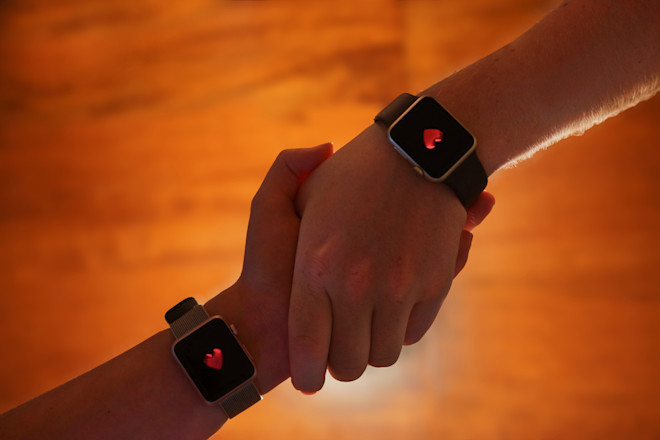
Wearables allow you to send quick heartbeats, vibrations, or emojis to your partner, making it easier to express love or concern instantly. This can be especially helpful during busy days or long-distance relationships where words might fail or seem too much.
However, relying too much on digital signals may reduce face-to-face conversations where tone, facial expressions, and body language play a big role. Have you noticed how a simple “I love you” text feels different from saying it in person? These subtle cues build trust and warmth that a vibration or emoji cannot fully replace.
Impact On Empathy
Wearable tech can sometimes create a false sense of understanding between people. For example, receiving a heartbeat alert might make you feel connected, but does it really capture what your partner is going through emotionally?
True empathy requires active listening and emotional presence, which technology can’t fully provide. You might find yourself assuming you know how someone feels based on their wearable data, but it’s important to ask and engage deeply. How often do you check in with your loved ones beyond the data your devices share?
Privacy Concerns
Wearable technology offers incredible convenience, but it also raises serious privacy concerns that can impact your personal relationships. These devices collect a lot of sensitive data about your daily life, habits, and even your health. How comfortable would you feel if your partner or friends had unrestricted access to this information?
Data Sharing Risks
Wearables often sync data to cloud services, which means your information can be shared beyond your device. Sometimes apps share data with third parties for advertising or analytics without clear consent.
Imagine your fitness tracker revealing your location history or sleep patterns without your knowledge. This could lead to uncomfortable situations or misunderstandings in your relationships.
Ask yourself: Do you know who really has access to your wearable’s data? Reviewing privacy settings regularly can help you control what you share and with whom.
Trust Issues In Relationships
Wearables can unintentionally create trust problems between partners. If one person tracks the other’s activities too closely, it might feel like surveillance rather than support.
One friend shared how her partner checked her fitness app obsessively, leading to arguments about privacy invasion. This shows how technology can strain trust if boundaries aren’t clear.
Setting clear agreements on what data is shared can protect your relationship. Have you talked openly with your partner about privacy expectations related to wearables?
Health Monitoring Effects
Wearable technology that tracks health data changes how people connect. These devices help monitor heart rate, sleep, and activity levels. This health information can impact relationships in many ways.
Shared Health Goals
Couples and friends can use wearables to set common health targets. Tracking steps or workouts together builds teamwork and motivation. It creates a sense of support and shared purpose.
Celebrating progress feels rewarding. It encourages both partners to stay active and healthy. This joint effort can improve trust and communication.
Stress And Anxiety Factors
Wearables also track stress through heart rate and sleep quality. Seeing constant stress alerts may cause worry or tension in relationships. One partner might feel pressured or misunderstood.
Open talks about these feelings help reduce anxiety. Understanding each other’s health data promotes empathy and patience. It is important to balance tech use with emotional care.

Credit: www.jacc.org
Work-life Balance
Wearable technology often blurs the line between work and personal life. These devices keep people connected to their jobs almost all the time. This constant connection can make it hard to switch off from work and focus on personal relationships.
Blurred Boundaries
Wearables send work notifications directly to users’ wrists. This makes it easy to check emails and messages anytime. The constant flow of work alerts can invade personal time. People may find it difficult to relax or enjoy moments with loved ones.
Work tasks can interrupt dinners, walks, or family gatherings. Over time, this breaks the natural barrier between work and home life. The feeling of always being “on call” creates stress. It reduces quality time spent with friends and family.
Relationship Strain
Wearable devices can cause misunderstandings in relationships. One partner might feel ignored when the other focuses on work alerts. This distraction creates feelings of neglect or frustration. Communication may suffer as attention shifts to the device.
Some couples struggle to set boundaries with wearables. Without clear rules, work can take priority over personal needs. This imbalance leads to arguments and emotional distance. Partners must learn to manage device use wisely to keep relationships strong.
Positive Outcomes
Wearable technology is transforming how you connect with those around you. Instead of creating distance, these devices often bring people closer by offering new ways to communicate and care. Let’s look at some positive effects wearables have on personal relationships.
Enhanced Support Systems
Wearables can act as your personal health and wellness assistant, not just for you but for your loved ones too. Imagine your partner receiving an alert if your heart rate spikes unexpectedly, prompting immediate check-ins. This feature allows you both to feel safer and more cared for, even when apart.
These devices also help track mental health through stress and sleep monitoring. Sharing this data can open honest conversations about well-being, encouraging support rather than judgment. How often do you share your true feelings with those close to you? Wearables can make it easier.
Strengthening Bonds
Sharing fitness goals and progress through wearables can turn exercise into a team effort. Whether it’s a daily step challenge or a shared meditation session, these activities build connection through shared experiences. You might find yourself cheering more for your friend’s progress than your own.
Wearables also allow subtle expressions of affection, like sending a vibration or a heartbeat to someone special during the day. These small gestures keep emotional ties alive, even when words are hard to find. What simple signals could you send to show you care?

Credit: rollingout.com

Credit: www.jacc.org
Frequently Asked Questions
How Does Wearable Technology Impact Communication In Relationships?
Wearable technology enhances communication by enabling instant sharing of health and activity data. It fosters transparency and understanding. However, excessive use may cause distractions, reducing face-to-face interactions and emotional connection between partners.
Can Wearable Devices Improve Emotional Bonds?
Yes, wearable devices can improve emotional bonds by encouraging shared fitness goals and health monitoring. Couples can motivate each other and celebrate achievements, strengthening their connection and support system.
Do Wearables Cause Privacy Concerns In Relationships?
Wearables can raise privacy concerns due to constant data sharing. Partners might feel monitored or mistrusted, leading to potential conflicts. Clear boundaries and mutual consent are essential to maintain trust and respect.
How Do Wearables Affect Time Spent Together?
Wearables can both enhance and reduce quality time. They promote shared activities but may also distract users with notifications. Balancing device use is crucial to ensure meaningful moments without interruptions.
Conclusion
Wearable technology changes how we connect with others. It offers new ways to communicate. Yet, it can distract us from real-life interactions. Balance is essential. Use wearables mindfully. Foster deeper connections in personal relationships. Remember to unplug sometimes. This helps maintain stronger bonds.
Prioritize face-to-face time. Technology should enhance, not replace, human interaction. Being present matters. Stay connected with loved ones. Technology is a tool, not a substitute for human touch. Use it wisely. Embrace the benefits, but keep relationships genuine. Aim for harmony between technology and personal connections.
Leave a Reply