Imagine having a device on your wrist or a sensor on your clothing that keeps track of your health every second. What if this small gadget could alert you to problems before you even feel sick?
Wearable technology is changing the way we look after our health. But is it really the future of healthcare? If you want to know how these smart devices could protect your well-being and maybe even save your life, keep reading.
Your health could depend on what you learn next.
Rise Of Wearable Tech
Wearable technology is reshaping healthcare in ways many never imagined. These devices have moved beyond simple fitness trackers to become essential tools for monitoring and managing health. Have you ever wondered how a small gadget on your wrist could impact your well-being every day?
Growth In Healthcare Devices
The healthcare sector is experiencing a rapid increase in wearable devices designed to track vital signs, activity levels, and more. Millions of people now use gadgets that provide real-time health data, helping both users and doctors make informed decisions quickly.
This growth isn’t just in quantity but in quality too. Devices today are more accurate, comfortable, and user-friendly. With continuous improvements, these wearables are becoming a standard part of health management.
Popular Wearable Gadgets
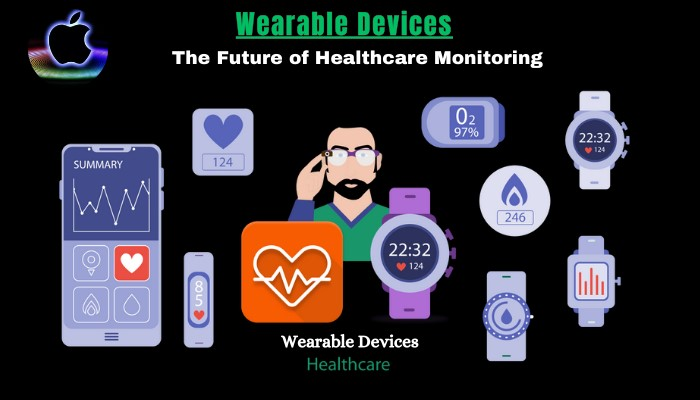
Some wearable gadgets stand out because of their features and reliability. These include:
- Smartwatches:Track heart rate, sleep patterns, and even detect irregular rhythms.
- Fitness Bands:Focus on activity tracking, calories burned, and step count.
- Wearable ECG Monitors:Provide detailed heart health insights and alert users to abnormalities.
- Continuous Glucose Monitors:Help diabetics manage blood sugar without frequent finger pricks.
Each device offers unique benefits depending on what you need. Have you tried any of these gadgets to monitor your health? How did it change your daily habits or understanding of your body?
Benefits To Patient Care
Wearable technology is changing how healthcare reaches you directly. It offers clear benefits to patient care by making health data easy to access and act upon. The advantages go beyond convenience—they can truly improve your health outcomes and daily experience.
Real-time Health Monitoring
Imagine having your vital signs tracked continuously without visiting a clinic. Wearables provide real-time health monitoring, alerting you and your doctor immediately if something unusual happens. This constant data flow can catch issues early, such as irregular heartbeats or low oxygen levels.
Such instant feedback can prevent emergencies and reduce hospital visits. Have you ever wished you could know your health status anytime? Wearables make that wish a reality, keeping you informed and safer.
Improved Chronic Disease Management
Managing chronic diseases like diabetes or hypertension requires constant attention. Wearable devices help by tracking key indicators such as blood sugar or blood pressure around the clock. This ongoing monitoring allows for quick adjustments in treatment, improving control over the condition.
For example, a friend with diabetes uses a glucose monitor that syncs with their phone, helping them avoid dangerous highs and lows. This practical support can reduce complications and enhance your quality of life.
Enhanced Patient Engagement
Wearables encourage you to take an active role in your health. They provide clear, easy-to-understand data that motivates healthier habits and adherence to treatment plans. When you see your progress daily, it’s easier to stay committed.
Think about how tracking your steps or sleep patterns can inspire better choices. Are you ready to engage more with your health? Wearable technology makes it simple and interactive, putting the power in your hands.
Impact On Healthcare Providers
The rise of wearable technology is reshaping the role of healthcare providers in profound ways. These devices equip doctors and nurses with real-time data and tools that enhance patient care beyond traditional settings. How does this shift change the everyday work of healthcare professionals, and what benefits can you expect as a patient?
Data-driven Decisions
Wearable devices collect continuous health data like heart rate, activity levels, and sleep patterns. This constant stream of information helps healthcare providers make decisions based on facts rather than occasional checkups or patient memories. Imagine your doctor spotting early warning signs of a health issue before symptoms appear, thanks to the data your wearable shares.
With data dashboards, providers can easily track trends and adjust treatments quickly. This approach reduces guesswork and improves outcomes because decisions are tailored to your specific health patterns. Wouldn’t you want your care to be that precise?
Remote Patient Monitoring
Wearables make it possible for healthcare providers to monitor you from anywhere. This means fewer hospital visits and more comfort as you recover or manage chronic conditions at home. Healthcare teams can respond faster to any changes, often preventing emergencies.
This continuous monitoring also supports personalized care plans that adapt as you improve or need more support. Have you ever wished your doctor could check on you without you needing to leave your house?
Streamlining Clinical Workflows
Healthcare providers face heavy workloads and administrative tasks that can slow down patient care. Wearable technology helps by automating data collection and alerting providers only when intervention is needed. This reduces unnecessary tests and frees up more time for direct patient interaction.
When providers spend less time digging through paperwork and more time focusing on your health, the entire care experience improves. How much better would your appointments be if your doctor was fully focused on you, not on charting notes?

Credit: www.biohealthmatics.com
Challenges To Overcome
Wearable technology promises to transform healthcare by providing real-time monitoring and personalized insights. However, several key challenges stand between today’s innovations and tomorrow’s seamless healthcare solutions. Understanding these hurdles is crucial if you want to see wearable devices become reliable tools in managing health.
Data Privacy Concerns
Your health data is deeply personal, and wearable devices collect vast amounts of it. This raises serious questions about who has access and how securely this information is stored.
Have you ever wondered what happens to your health data once it leaves your device? Unauthorized sharing or breaches can lead to misuse or identity theft.
Manufacturers and healthcare providers must build stronger security measures and transparent data policies to protect users. Without this, trust in wearable tech will remain fragile.
Device Accuracy And Reliability
If a wearable gives you incorrect heart rate or glucose readings, it could cause unnecessary panic or missed health warnings. Accuracy isn’t just a technical detail—it’s a matter of safety.
Many devices struggle to maintain reliable performance across different users and conditions. Factors like skin type, movement, and environmental changes can affect readings.
You should demand devices that have been clinically validated and regularly updated to improve precision. After all, your health decisions depend on trustworthy data.
Integration With Existing Systems
Wearables generate tons of data, but this information often exists in isolation from your doctor’s records. How useful is a health tracker if your healthcare provider can’t access or interpret its data?
Bridging the gap between wearable tech and medical systems is still a work in progress. Compatibility issues and lack of standard data formats slow down this integration.
Imagine a future where your wearable seamlessly updates your medical history and alerts your doctor to anomalies instantly. To get there, developers must prioritize interoperability and user-friendly data sharing.
Future Trends
Wearable technology is evolving fast in healthcare. New trends shape how these devices support health and wellness. They bring smarter tools for patients and doctors.
Future trends focus on better data use, more personal care, and wider applications. These changes make wearables more useful for many health needs.
Ai And Wearables
Artificial intelligence helps wearables analyze health data. AI spots patterns and predicts health issues early. This allows users to act before problems grow. AI also improves device accuracy and alerts users to risks.
Personalized Healthcare
Wearables offer care tailored to each person. Devices track unique health info like heart rate and sleep. This data helps create custom health plans. Personalized care improves outcomes and user engagement.
Expanding Use Cases
Wearables now serve more than fitness tracking. They monitor chronic diseases, mental health, and elderly care. New sensors detect blood sugar, oxygen levels, and more. This broad use supports health at home and in clinics.

Credit: medium.com
Global Impact
Wearable technology is reshaping healthcare globally. Devices like smartwatches and fitness trackers collect vital health data. This data helps doctors monitor patients remotely and make better decisions. The impact spreads across many regions and healthcare systems. It offers new ways to improve health outcomes everywhere.
Access In Remote Areas
Wearables bring healthcare to places with few doctors. Remote patients can share health data without travel. This technology reduces the need for hospital visits. People in rural areas get timely care and advice. It helps detect problems early and manage chronic diseases.
Cost Reduction In Healthcare
Wearable devices lower healthcare costs by reducing hospital stays. Continuous monitoring catches issues before they worsen. Fewer emergencies mean less spending on urgent care. Insurance companies may offer lower premiums for wearable users. This technology supports affordable and efficient healthcare for many.
Policy And Regulation
Governments work to create rules for wearable health devices. They focus on data privacy and security. Regulations ensure device accuracy and safety for users. Clear policies help build trust among patients and providers. Proper rules encourage innovation and protect public health.
Credit: cubettech.com
Frequently Asked Questions
What Is Wearable Technology In Healthcare?
Wearable technology in healthcare refers to devices that monitor health metrics. These include smartwatches, fitness trackers, and biosensors. They help track vital signs, physical activity, and chronic conditions continuously and in real-time, enhancing patient care and early diagnosis.
How Does Wearable Tech Improve Patient Monitoring?
Wearable tech enables continuous health data collection outside clinics. It provides real-time alerts for abnormal readings, allowing timely interventions. This improves chronic disease management, reduces hospital visits, and supports personalized treatment plans, making healthcare more efficient and proactive.
Are Wearable Devices Accurate For Medical Use?
Many wearable devices offer high accuracy for tracking health metrics. However, accuracy varies by device and measurement type. Regulatory approval and clinical validation improve reliability. Wearables should complement, not replace, professional medical assessments for critical decisions.
Can Wearable Technology Reduce Healthcare Costs?
Yes, wearable technology can lower healthcare costs by enabling early detection. It reduces emergency visits and hospital stays through better chronic disease management. Remote monitoring decreases the need for frequent in-person consultations, making healthcare more affordable and accessible.
Conclusion
Wearable technology holds promise for healthcare’s future. These devices monitor vital signs. They assist in early disease detection. Patients gain more control over health management. Doctors receive valuable data for better decisions. Challenges exist, like data privacy concerns. Affordability remains an issue too.
Yet, wearable tech’s potential is vast. It can transform patient care and outcomes. As technology advances, expect more innovations. Healthcare could become more accessible and efficient. Embracing wearable tech might lead to healthier communities. The journey ahead looks promising. Stay informed about these developments.
Your health could benefit greatly.
Leave a Reply