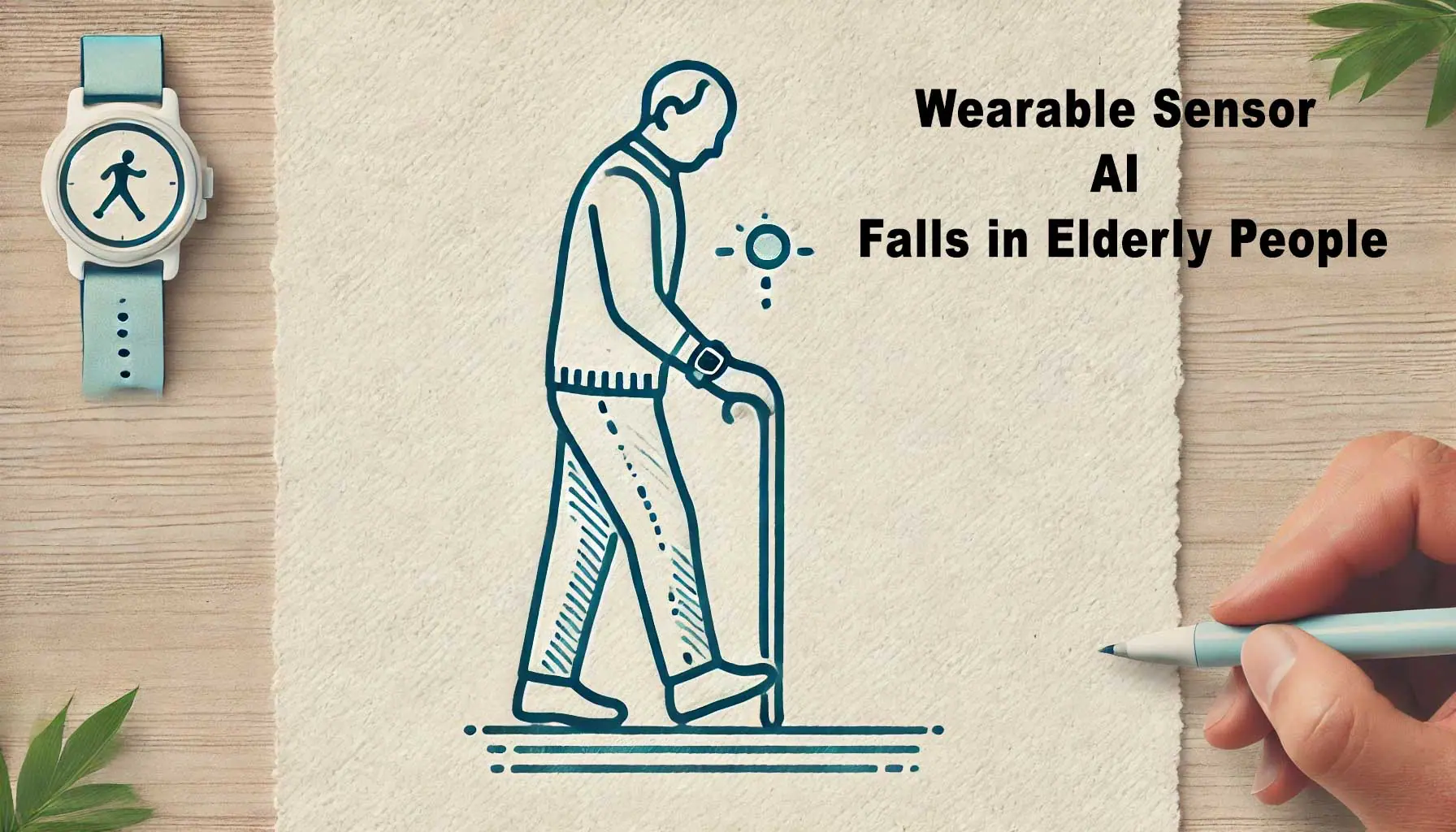
Are you looking for ways to help your elderly loved ones embrace wearable technology? You’re not alone.
Many seniors hesitate to use new gadgets, but these devices can greatly improve their health and safety. Imagine your parents feeling more confident, connected, and secure every day. You’ll discover simple, effective tips to encourage them to try wearable tech without feeling overwhelmed.
Keep reading to unlock the secrets that make technology friendly and accessible for your elderly family members.
Benefits Of Wearable Tech For Seniors
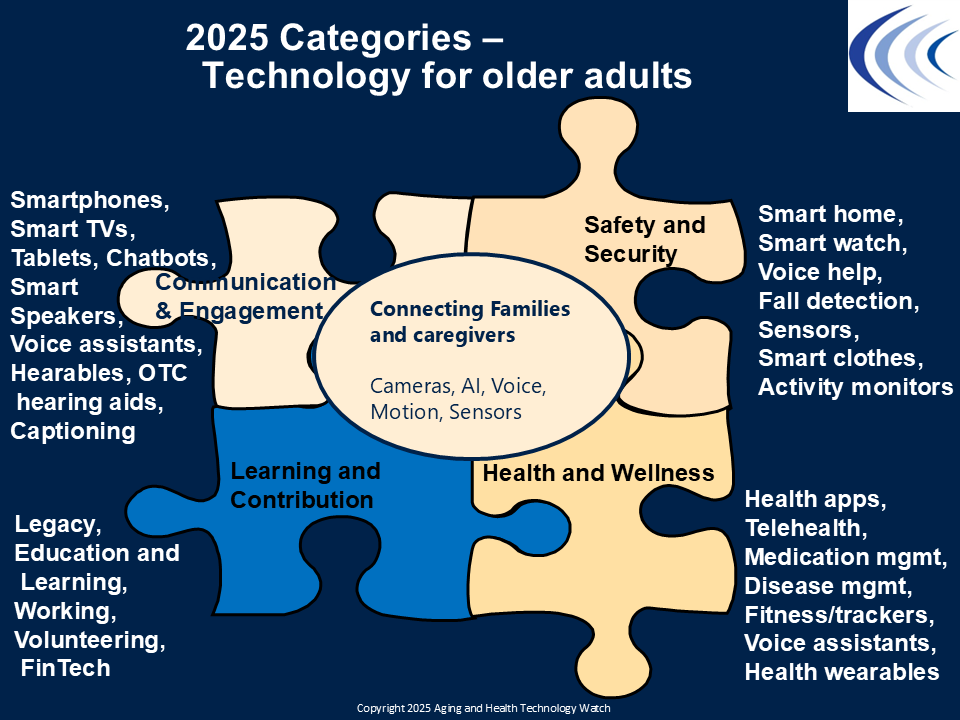
Wearable technology offers seniors a powerful way to stay healthy, safe, and connected. These devices are more than just gadgets; they can become essential tools that improve daily life and provide peace of mind. Understanding the specific benefits can help you encourage your elderly loved ones to give wearables a try.
Health Monitoring
Wearable tech can track vital signs such as heart rate, blood pressure, and sleep patterns continuously. This real-time data helps seniors and their caregivers spot potential health issues early. Imagine catching irregular heartbeats before they become serious—this can save lives.
Many devices also remind users to take medication or stay active, supporting better health habits. Have you noticed how small reminders can make a big difference in managing daily routines? Wearables offer that gentle nudge without being intrusive.
Safety Features
Safety is a major concern for seniors living alone. Wearable devices often include emergency alert buttons that connect users directly to help when needed. This feature can bring comfort to both seniors and their families, knowing assistance is just a button press away.
Fall detection is another critical function in many wearables. If a fall happens, the device can automatically notify emergency contacts. How reassuring would it be to know help arrives even if you can’t call for it yourself?
Social Connectivity
Loneliness can affect health, but wearables help seniors stay connected with family and friends. Features like messaging, calls, or even simple activity sharing keep communication easy and accessible. You might find that your elderly relatives enjoy sharing their daily steps or heart rate stats as conversation starters.
Some devices also integrate with social platforms or community groups designed for seniors. Could this be the key to encouraging them to engage more socially and feel less isolated?
Credit: www.ageinplacetech.com
Choosing The Right Device
Choosing the right wearable device for elderly users is crucial to ensure they feel comfortable and confident using new technology. The perfect device balances ease of use, essential functions, and affordability. Thinking about what matters most to your loved one can guide you to the best choice.
User-friendly Interfaces
A simple, clear interface makes a huge difference for elderly users. Look for devices with large icons, readable fonts, and straightforward navigation. Touchscreens that respond well without complex gestures often work best.
Remember how frustrating it was when your parents struggled with tiny buttons or confusing menus? Devices designed with seniors in mind reduce this frustration and encourage consistent use.
Essential Features
Focus on features that improve safety and health monitoring, such as fall detection, heart rate tracking, and GPS location. These features provide peace of mind both for the user and their family.
Ask yourself which functions your elderly loved one needs daily. Is it medication reminders? Emergency SOS buttons? Prioritize features that solve real problems instead of adding unnecessary complexity.
Budget Considerations
Wearables come in a wide price range, so consider what fits your budget without sacrificing key features. Some affordable models offer excellent basic tracking and emergency alerts without high costs.
Also, check for ongoing costs like subscription fees for advanced services. It’s better to pick a device that stays affordable long-term rather than one that feels like a financial burden later.
Introducing Technology Gradually
Introducing wearable technology to elderly individuals requires patience and a gentle approach. Sudden exposure to complex features can overwhelm them and reduce their willingness to engage. Gradual introduction allows them to build confidence and enjoy the benefits without frustration.
Starting With Basic Functions
Begin by focusing on the simplest features of the device, such as time display or step counting. These functions are easy to understand and provide immediate, visible benefits. Watching their daily steps increase can motivate them to explore more.
Try to avoid jumping into advanced settings or notifications right away. Instead, let your loved one get comfortable with what’s most familiar and useful first. This step-by-step exposure makes the technology feel less intimidating.
Hands-on Demonstrations
Show, don’t just tell. Let them hold the device and walk through each function together. Your hands-on guidance helps reduce anxiety and builds a personal connection with the technology.
Encourage questions and repeat demonstrations as needed. Sometimes, seeing you use the device alongside them creates a supportive learning environment. Have you noticed how sharing a task makes it feel easier?
Setting Realistic Goals
Help them set achievable targets based on their daily routine and interests. For example, aiming to walk 2,000 steps a day is more encouraging than a high, unattainable number. Celebrate small wins to keep motivation high.
Ask yourself what goals feel meaningful to your loved one. Are they interested in tracking sleep, staying active, or reminding themselves to take medication? Aligning goals with personal priorities makes the technology truly useful.
Providing Ongoing Support
Providing ongoing support is essential to help elderly individuals feel confident and comfortable using wearable technology. It’s not just about handing over the device; continuous assistance builds trust and encourages consistent use. Your support can turn initial frustration into a rewarding experience.
Regular Check-ins
Check in regularly to see how they are managing with their wearable device. These check-ins don’t have to be long—short conversations can reveal if they face any challenges or need a refresher on features. Asking questions like, “Have you noticed any benefits this week?” keeps the dialogue open and shows you care.
Troubleshooting Help
Be ready to help solve common issues quickly. Elderly users might struggle with syncing devices or interpreting data, so patience and clear explanations are key. Offer step-by-step guidance, or create a simple troubleshooting list they can refer to when problems arise.
Encouragement And Patience
Learning new technology can be overwhelming at any age, especially for seniors. Celebrate small wins and remind them it’s okay to take their time. Your encouragement can make a big difference in their willingness to keep trying.
Creating Positive Experiences
Creating positive experiences is key to helping elderly people embrace wearable technology. A good start builds confidence and reduces fear. Positive feelings make them want to keep using the device. Enjoyment and success lead to better habits. The goal is to make technology feel helpful and friendly.
Sharing Success Stories
Stories from others inspire trust and motivation. Hearing how peers benefit from wearables makes the idea real. Share simple stories about improved health or safety. Use examples with easy language and clear results. This creates hope and curiosity. It shows technology is not too hard.
Involving Family And Friends
Family support makes learning fun and less lonely. Invite loved ones to help with setup and use. They can explain features in a gentle way. Friends can share tips and encourage regular use. Group activities with wearables build social bonds. This support turns technology into a shared experience.
Celebrating Small Achievements
Recognize every step forward, no matter how small. Praise for wearing the device regularly boosts confidence. Celebrate learning new functions or reaching daily goals. Use simple rewards or verbal encouragement. Small wins create positive feelings around technology. This helps build lasting habits and interest.

Credit: medium.com
Addressing Common Concerns
Encouraging elderly individuals to use wearable technology often means addressing their specific worries head-on. Many seniors hesitate because of concerns that feel very real to them. Understanding and responding to these concerns can make a big difference in their comfort and willingness to try new devices.
Privacy And Security
Seniors often worry about who can see their personal data. Reassure them that most wearable devices have strong security measures like encryption and password protection. You can also help by setting up privacy controls together, showing exactly what information is shared and with whom.
Ask yourself: How would you feel if a stranger could track your every move? This helps you empathize and explain why privacy matters. Encourage them to update their device software regularly—this keeps security features up to date and reduces risks.
Cost And Maintenance
Cost can be a major hurdle. Discuss budget-friendly options that offer essential features without extra bells and whistles. Sometimes, simple models do the job well and don’t overwhelm users with complicated functions.
Maintenance worries can also cause reluctance. Show how easy it is to charge the device or change bands. Offer to help with routine checks, so they don’t feel alone managing the technology. How often do you think about the upkeep of your own gadgets? Explaining this can normalize the effort required.
Physical Comfort
Wearables must feel good on the skin to be used regularly. Some seniors find straps too tight or materials irritating. Look for adjustable bands made from soft, breathable fabrics that reduce discomfort.
Encourage trying different styles and brands until they find the right fit. Sometimes, wearing the device for short periods at first helps get used to the feeling. How would you adjust a new watch if it felt uncomfortable? Applying that mindset can help seniors find their own comfort level.

Credit: www.youtube.com
Frequently Asked Questions
How Can I Introduce Wearable Tech To The Elderly Effectively?
Start by explaining the benefits clearly and simply. Use hands-on demonstrations. Be patient and address their concerns. Show how it improves health and safety. Offer continuous support to boost confidence and comfort with the device.
What Features Of Wearable Technology Appeal To Seniors Most?
Seniors prefer easy-to-use interfaces and clear displays. Health monitoring like heart rate and fall detection is crucial. Long battery life and comfort matter. Devices with emergency alert functions also provide peace of mind.
How To Overcome Elderly Resistance To Wearable Devices?
Listen to their worries and provide reassurance. Highlight real-life benefits and success stories. Make the technology less intimidating through step-by-step guidance. Encourage trial periods to build familiarity and trust gradually.
What Role Does Family Play In Encouraging Tech Use?
Family support is vital for motivation and learning. They can assist with setup and troubleshooting. Positive reinforcement and regular check-ins foster consistent usage. Family involvement increases seniors’ confidence and willingness to adopt new tech.
Conclusion
Encouraging elderly to use wearable technology benefits everyone. Start with simple devices. Highlight their health and safety features. Make learning a fun experience. Offer patience and support during the learning process. Tailor technology to their specific needs. Show them how it can enhance daily life.
Regularly remind them of its advantages. Create a supportive community for tech discussions. Address concerns promptly and kindly. With time and encouragement, they will embrace these tools. It’s a journey worth taking together. Their comfort and independence improve. Everyone gains from this positive change.
Leave a Reply