
Are you curious about how wearable technology is changing your daily life? Imagine devices that do more than just tell time or count steps—they can monitor your health in real time, boost your productivity, and even keep you safer.
The latest innovations in wearable tech are designed to make your life easier and smarter in ways you might not expect. Keep reading to discover the cutting-edge gadgets and features that could soon become a part of your routine. This could be the breakthrough you’ve been waiting for.

Credit: moldstud.com
Wearable Tech Evolution
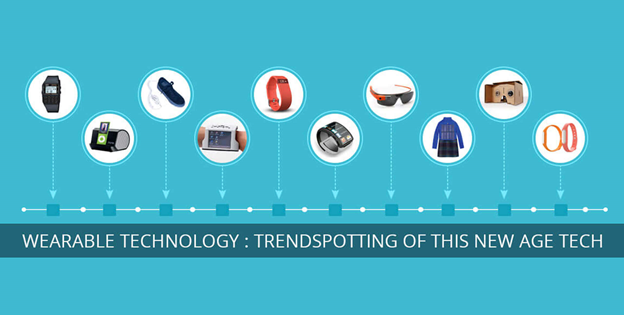
Wearable technology has changed a lot over the years. It started as simple fitness trackers and now includes smartwatches and more. These devices do more than count steps. They monitor health, connect to phones, and even help with daily tasks. The journey of wearable tech shows how fast technology grows and adapts to users’ needs.
From Fitness Bands To Smartwatches
Wearable tech began as fitness bands. These bands tracked steps, calories, and sleep. They were basic but useful for health awareness.
Smartwatches replaced many functions of fitness bands. They added features like calling, messaging, and apps. Users can now manage tasks from their wrist. The evolution brought more convenience and style.
Advancements In Materials And Design
New materials make wearables lighter and stronger. Flexible screens and durable bands improve comfort. Some devices use skin-friendly materials to avoid irritation.
Designs now focus on both function and fashion. Sleek shapes and customizable looks suit different tastes. This helps wearables blend into daily life, not just tech gear.
Health Monitoring Breakthroughs
Health monitoring breakthroughs in wearable technology have taken a giant leap forward, helping you keep a closer eye on your well-being with ease and accuracy. These innovations give you real-time data, which can be vital for managing chronic conditions or simply improving your daily health habits. Imagine having a personal health assistant on your wrist or embedded in your clothing, alerting you to changes before they become serious issues.
Continuous Glucose Tracking
Continuous glucose monitors (CGMs) now fit comfortably on your skin, providing constant updates on blood sugar levels without the need for finger pricks. This technology is a game-changer for people with diabetes, allowing you to spot dangerous highs and lows early.
You don’t have to guess how your meals or exercise affect your glucose anymore. These devices send alerts directly to your smartphone, helping you adjust your lifestyle in real time. Have you ever wondered how much a small change in diet could improve your glucose control?
Advanced Heart Rate Sensors
Heart rate sensors have become more precise and capable of capturing detailed heart rhythm patterns beyond just beats per minute. Some wearables now detect irregular heartbeats and even early signs of arrhythmia.
These sensors help you catch potential heart issues before they escalate, offering peace of mind. If your device notifies you of an irregular pattern, it could be the nudge you need to see a doctor sooner. Would you pay more attention to your heart health if your wearable could warn you first?
Sleep And Stress Analysis
Wearables today track your sleep stages with impressive accuracy, showing you exactly how much deep, light, and REM sleep you’re getting. This insight helps you understand what’s truly affecting your rest and energy levels.
Stress monitoring features analyze heart rate variability and skin temperature to detect when you’re under pressure. Knowing your stress patterns can push you to take timely breaks or try relaxation techniques before burnout hits. How often do you check your stress levels and adjust your day accordingly?
Enhanced Connectivity Features
Enhanced connectivity features have become a key focus in wearable technology. These features improve how devices communicate and work together. Users enjoy faster data transfer, better network access, and smoother syncing between gadgets. This leads to a more reliable and efficient user experience.
5g Integration
Many new wearables now support 5G networks. This upgrade offers much faster internet speeds and lower delays. Users can stream videos, download apps, and send data quickly. 5G also helps in better real-time tracking and communication. Wearables with 5G enable more freedom without relying on phones or Wi-Fi.
Seamless Device Synchronization
Wearables today connect smoothly with other devices. They sync data instantly across phones, tablets, and computers. This means health stats, notifications, and music update everywhere at once. Seamless synchronization saves time and avoids manual transfers. It creates a unified system where all gadgets work in harmony.
Augmented And Virtual Reality Wearables
Augmented and virtual reality wearables bring new ways to experience digital content. They blend the real and virtual worlds to create interactive environments. These devices improve gaming, training, education, and communication. Advances in this field are making the technology lighter, faster, and more user-friendly. Users can expect clearer visuals, better comfort, and smarter features in the latest models.
Next-gen Ar Glasses
Next-gen AR glasses offer sharper displays and wider fields of view. They overlay digital information onto real-world scenes with improved accuracy. These glasses use advanced sensors to track surroundings and user movements. Many models now support voice control and hand gestures for easy interaction. Lightweight designs make them comfortable for long use. Some AR glasses connect to smartphones or the cloud for extra power. They help with navigation, work tasks, and real-time translations.
Immersive Vr Headsets
Immersive VR headsets provide deep, 3D virtual experiences. They feature high-resolution screens and fast refresh rates to reduce motion sickness. Built-in sensors track head and body movements precisely. New models include wireless options to increase freedom of movement. VR headsets now support social apps for shared virtual spaces. They are used in gaming, virtual tours, therapy, and training simulations. Improved audio systems add to the sense of presence.
Energy Efficiency And Battery Innovations
Energy efficiency and battery innovations are crucial in wearable technology. Devices must run longer without frequent charging. Advances focus on smarter power use and new ways to keep batteries charged. These improvements enhance user experience and device reliability.
Long-lasting Power Solutions
Wearable devices now use batteries that last much longer. New lithium-ion and solid-state batteries offer higher energy density. This means more power in smaller sizes. Manufacturers also optimize software to reduce power consumption. Sleep modes and adaptive brightness extend battery life. Users enjoy devices that work all day or even several days.
Energy Harvesting Technologies
Some wearables capture energy from the environment. Solar cells convert sunlight into electric power. Others use body heat or motion to generate energy. Piezoelectric materials create power from movement. These technologies reduce dependence on traditional charging. They provide continuous power and improve convenience for users.
Ai And Machine Learning Integration
AI and machine learning are reshaping wearable technology. These smart systems analyze data and learn from users. This leads to devices that adapt and improve over time. Wearables become more intuitive and helpful in daily life.
Personalized User Experiences
Wearables now tailor functions to each user’s habits and preferences. AI studies activity patterns and suggests adjustments. Notifications, settings, and feedback change based on user behavior. This creates a unique experience for every person.
For example, a fitness tracker can modify workout plans. It uses past data to recommend better exercises. Sleep trackers adjust tips based on sleep quality trends. This personal touch enhances comfort and usefulness.
Predictive Health Insights
AI analyzes health data to predict possible issues early. Machine learning spots patterns that humans might miss. Wearables can warn users about irregular heart rates or stress levels. This early detection helps users act before problems worsen.
Continuous monitoring allows devices to provide ongoing health advice. Users receive reminders for medication or hydration based on their routines. Predictive insights improve health management and promote well-being.
Fashion Meets Function
Wearable technology has taken a giant leap beyond just being practical gadgets. Now, it’s about blending style with utility, so you don’t have to choose between looking good and staying connected or healthy. This fusion of fashion and function means your wearable tech can reflect your personality while offering cutting-edge features.
Customizable Wearable Designs
You no longer have to settle for a one-size-fits-all look. Customizable wearable designs let you pick colors, materials, and even shapes that match your style. Brands are offering options like swappable bands, engraved cases, and personalized watch faces, so your device feels truly yours.
Imagine wearing a fitness tracker that looks like a sleek bracelet or a smartwatch that fits perfectly with your outfit’s color scheme. This level of customization makes it easier to wear your tech every day without it feeling out of place. Have you ever avoided wearing a device because it didn’t match your style? Customizable wearables solve that problem.
Smart Jewelry And Accessories
Smart jewelry is changing the way you think about wearable tech. These pieces look like regular rings, necklaces, or earrings but pack powerful features like activity tracking, notifications, or even contactless payments. They blend effortlessly into your daily wardrobe.
For example, some smart rings can track your sleep and heart rate without the bulk of a traditional fitness band. Others offer discreet vibration alerts so you can stay connected without constantly checking your phone. If you want technology that complements your look rather than dominates it, smart jewelry might be the perfect fit.

Credit: www.techinsights.com
Security And Privacy Enhancements
Security and privacy have become top priorities in wearable technology as these devices collect more personal and sensitive data than ever before. Protecting this information is essential not only for your peace of mind but also to prevent unauthorized access and misuse. Recent innovations focus on making these devices smarter at verifying your identity and safeguarding your data continuously.
Biometric Authentication
Wearables now use advanced biometric methods to confirm who you are. Fingerprint scanners and facial recognition are common, but newer devices are adding options like vein pattern scanning and voice recognition.
These biometric systems reduce the need for passwords, which can be forgotten or stolen. Have you noticed how quickly your smartwatch unlocks just by being on your wrist? That’s biometric authentication making your experience seamless and secure.
Some wearables even track your heart rhythm as a unique identifier. This continuous authentication means the device stays locked if it detects someone else wearing it. Such features make it harder for thieves or hackers to access your data.
Data Encryption Advances
Encryption protects your data by turning it into unreadable code unless you have the key. Wearables now implement stronger encryption algorithms that adapt in real-time to potential threats.
Manufacturers are also using end-to-end encryption for data sent between your wearable and smartphone or cloud services. This means even if someone intercepts the data, they cannot read or alter it.
Some devices offer customizable encryption settings, so you control what information stays private. Have you checked your wearable’s privacy options lately? Taking a few minutes to adjust these can significantly enhance your security.
Future Directions
The future of wearable technology is set to change how you interact with your devices and health. Innovations are focusing on making wearables more adaptable, less intrusive, and smarter. These advancements promise to blend technology seamlessly into your daily life.
Flexible And Implantable Devices
Imagine a wearable that bends and stretches with your body or one implanted beneath your skin, monitoring your health silently. Flexible devices use new materials that move naturally with you, making comfort a priority. Implantable devices take this further by providing continuous monitoring without the hassle of charging or wearing something externally.
These devices can track vital signs like heart rate, blood sugar, and hydration levels with high accuracy. They open doors for early detection of health issues, giving you real-time data without interrupting your routine. Would you trust a device implanted in your body to manage your health? Many are already embracing this technology, showing it’s no longer just science fiction.
Wearables In Healthcare And Beyond
Wearable technology is expanding beyond fitness bands into critical healthcare roles. Devices now assist in managing chronic conditions such as diabetes and heart disease by providing constant health monitoring. This means fewer hospital visits and more personalized care tailored to your unique needs.
Beyond health, wearables are finding uses in areas like workplace safety, sports performance, and even mental health. For instance, some devices can detect stress levels and suggest breathing exercises instantly. What if your wearable could not only track your steps but also help you manage your emotions?
- Enhanced sensors for more precise data collection
- Integration with AI for smarter health insights
- Improved battery life for longer use without charging
- Greater customization to suit individual lifestyles and preferences
As you consider your next wearable, think about how these future trends might fit your lifestyle. Are you ready to wear technology that truly understands and supports you in every moment?
Credit: medium.com
Frequently Asked Questions
What Are The Newest Features In Wearable Technology?
The latest wearables include advanced health sensors, AI integration, and longer battery life. They track vitals, sleep, and stress with improved accuracy. Smartwatches now support contactless payments and voice assistants, enhancing user convenience and functionality.
How Is Ai Improving Wearable Devices?
AI enables wearables to analyze health data in real time. It offers personalized insights and predictive alerts for wellness. AI also enhances user experience by adapting device settings based on behavior and preferences.
Which Industries Benefit Most From Wearable Innovations?
Healthcare, fitness, and sports industries see major gains from wearables. Devices aid in remote patient monitoring, injury prevention, and performance tracking. Wearables also improve workplace safety and productivity in industrial sectors.
Are Wearable Devices Becoming More Energy-efficient?
Yes, new wearables use low-power chips and optimized software. These advancements extend battery life significantly. Users can enjoy longer usage without frequent recharging, making wearables more practical for daily use.
Conclusion
Wearable technology is advancing rapidly. New features enhance daily life. Health monitoring devices are more accurate and user-friendly. Smartwatches now offer diverse functions. Fashion meets tech with stylish wearables. Companies focus on user comfort and design. These innovations improve connectivity and convenience.
Wearables become indispensable in our lives. As technology progresses, expect even more exciting developments. Stay updated to enjoy the benefits of the latest trends.
Leave a Reply