Have you ever wondered what makes your smartwatch or fitness tracker tick? How do these small devices keep up with your heart rate, steps, and even sleep patterns so effortlessly?
Understanding how wearable technology works can give you a new appreciation for the gadgets you use every day. You’ll discover the simple yet fascinating science behind these devices and learn how they collect and share data to help improve your health and lifestyle.
Keep reading, and you’ll soon see wearable tech in a whole new light.

Credit: onlinelibrary.wiley.com
Basics Of Wearable Tech
Understanding the basics of wearable technology helps you see how these smart devices fit into your daily life. At their core, wearables combine hardware and software to track, analyze, and sometimes even predict your movements, health, and environment. Let’s break down what makes these devices tick and why they’ve become so useful and popular.
Types Of Wearable Devices
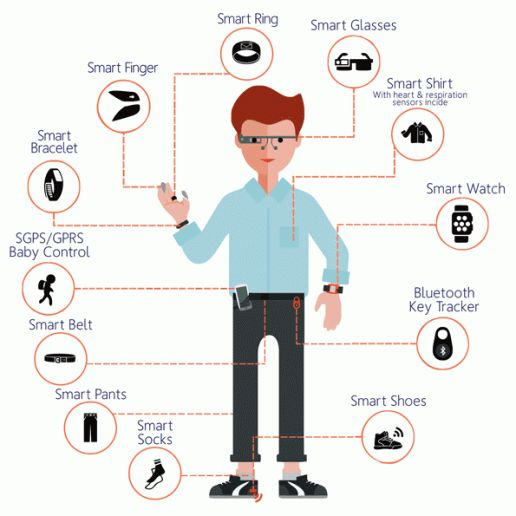
Wearable tech comes in many shapes and sizes, designed for various purposes. You might recognize fitness trackers that count your steps or smartwatches that display notifications from your phone. But there are also smart glasses, health monitors, and even wearable cameras that capture your point of view.
- Fitness Trackers:Track physical activity, heart rate, and sleep patterns.
- Smartwatches:Combine fitness tracking with apps, calls, and messages.
- Medical Wearables:Monitor vital signs like glucose levels or blood pressure.
- Augmented Reality Glasses:Overlay digital information onto your real-world view.
Which type of wearable would fit your lifestyle best? Think about what you want to track or improve.
Key Components Inside
Every wearable device houses a few critical parts that work together seamlessly. A small processor acts as the device’s brain, handling all the data it collects. There’s also memory to store information temporarily and a battery that powers the device throughout the day.
Don’t forget the display, which lets you interact with the device, and wireless connectivity options like Bluetooth or Wi-Fi to sync data with your smartphone or cloud services. These components are packed tightly to keep the device lightweight and comfortable.
| Component | Function |
|---|---|
| Processor | Processes data and runs software |
| Memory | Stores data temporarily |
| Battery | Provides power for operation |
| Display | Shows information and notifications |
| Connectivity Modules | Enables data transfer (Bluetooth, Wi-Fi) |
Sensors And Data Collection
The heart of wearable tech lies in its sensors. These tiny devices detect changes in your body or environment and convert them into data. Accelerometers sense movement and speed, while heart rate monitors track your pulse in real time.
Some wearables even include GPS sensors to map your location during workouts. The collected data is processed to give you insights—like how many calories you burned or if your sleep quality needs improvement. Ever wondered how your watch knows when you’re asleep? It’s these sensors working quietly in the background.
- Accelerometer: Tracks motion and steps
- Gyroscope: Detects orientation and rotation
- Heart Rate Sensor: Measures pulse
- GPS: Tracks location and distance
- Temperature Sensor: Monitors body or skin temperature
Are you ready to dive deeper into the data your wearable collects and see what it can teach you about your health and habits?
Connectivity And Communication
Connectivity and communication are the core of wearable technology. These devices collect data and send it to other devices or servers. They rely on wireless signals to stay linked without cables. This connection allows users to receive real-time updates and control their devices easily. Understanding how wearables communicate helps explain their convenience and efficiency.
Wireless Technologies Used
Wearable devices use several wireless technologies to connect. Bluetooth is the most common for short-range communication. It uses low energy to save battery life. Wi-Fi supports faster data transfer over longer distances. Near Field Communication (NFC) allows quick data exchange by tapping devices. Some advanced wearables use cellular networks to stay online anywhere. Each technology fits different user needs and device types.
Data Transmission Methods
Wearables transmit data in small packets to save power. They often send health and activity data in real time. Data encryption ensures security during transmission. Some devices store data temporarily if no connection is available. Once connected, they upload stored data to apps or cloud servers. This method ensures no data loss and smooth syncing.
Role Of Smartphones And Apps
Smartphones act as a hub for wearable devices. They receive data and display it in easy-to-understand formats. Apps analyze and track user information over time. Users can customize settings and notifications through apps. Smartphones also update wearable software to improve performance. This integration creates a seamless user experience across devices.
Data Processing And Analysis
Data processing and analysis are at the heart of how wearable technology delivers value to you. These devices collect vast amounts of raw data through sensors, but the real magic happens when this data is processed and interpreted to provide meaningful insights. Whether it’s tracking your heart rate or analyzing sleep patterns, the way data is handled determines the accuracy and usefulness of the information you receive.
On-device Processing
Wearables often perform initial data processing right on the device itself. This means they can analyze basic information instantly without needing to send data elsewhere. For example, your fitness tracker might calculate steps taken or detect sudden movements without delay, making it responsive and power-efficient.
This immediate processing helps reduce the amount of data transmitted, saving battery life and protecting your privacy. It also allows your wearable to give you real-time feedback during workouts or daily activities. Have you noticed how quickly your smartwatch alerts you to a change in heart rate? That’s on-device processing in action.
Cloud Computing Integration
Once initial processing is done, wearable devices often send data to the cloud for deeper analysis. Cloud servers have the power to handle large datasets and complex calculations that would be impossible for small devices. This is where your daily activity data can be compared over weeks or months to spot trends and suggest improvements.
Cloud integration also allows your data to be accessed from multiple devices, like your phone or computer, making it easy to track progress over time. Plus, cloud storage means you don’t have to worry about losing your data if your wearable gets lost or damaged. How would you use your long-term health data if it was organized and accessible anytime?
Machine Learning Applications
Machine learning is the secret sauce that makes wearables smarter over time. These algorithms learn from your unique data patterns and adapt their analysis to fit your lifestyle. For example, if your sleep cycle shifts due to a new work schedule, your wearable can adjust its sleep quality assessments accordingly.
Machine learning also helps in predicting potential health issues by recognizing anomalies in your data early on. This personalized insight can prompt you to take action before problems escalate. Imagine your device alerting you about irregular heartbeats based on patterns it has learned—how valuable would that be for your health?
Power Sources And Battery Life
Power sources and battery life are the backbone of wearable technology. Without a reliable energy supply, even the smartest devices lose their appeal quickly. Understanding how these devices get their power and manage it can help you choose and use wearables more effectively.
Common Battery Types
Most wearables use lithium-ion or lithium-polymer batteries because they pack a lot of energy in a small space. These batteries are lightweight, recharge quickly, and last through multiple charge cycles. You might notice your smartwatch or fitness tracker holds a charge longer than older devices thanks to these advanced batteries.
Some wearables even use smaller coin cell batteries, especially if their functions are basic, like step counting or notifications. These batteries can last months but often can’t be recharged, so you replace them instead. Have you ever wondered why some devices need frequent charging while others seem to run forever?
Energy Efficiency Techniques
Wearable devices use clever tricks to stretch battery life. They switch off sensors and displays when you’re not using them and use low-power chips designed for minimal energy use. This means your device stays ready without draining power unnecessarily.
Software also plays a role. Smart algorithms predict when to activate certain features, reducing waste. I remember turning off notifications on my fitness band during a busy week, which noticeably extended battery life. What simple settings could you adjust to get more from your wearable?
Charging Methods
Charging options have become more user-friendly over the years. Many wearables use magnetic chargers that snap into place, making it easy to connect without fiddling. Wireless charging pads are also popular, offering convenience without cables.
Some devices even support quick charging, giving you hours of use after just a few minutes plugged in. This can be a lifesaver if you’re in a rush. Have you tried charging your wearable in different ways to see which suits your routine best?
User Interaction And Interface
User interaction and interface play a key role in wearable technology. These devices must be easy to use while providing quick access to important information. The interface design focuses on simplicity and responsiveness. Wearables often have small screens or no screens at all, so interaction methods must be intuitive and efficient.
Display Technologies
Wearable devices use various display types to show information clearly. OLED and AMOLED screens offer bright colors and low power use. Some wearables use e-ink displays to save battery and improve readability in sunlight. Flexible displays can bend with the device for comfort. Minimalist designs often show only essential data to avoid clutter.
Voice And Gesture Controls
Voice commands let users control wearables without touching them. This hands-free approach works well during activities like running or cooking. Gesture controls use motions like swipes or taps in the air. Sensors detect these movements and translate them into commands. These controls make interaction natural and fast, especially on small devices.
Haptic Feedback
Haptic feedback uses vibrations to communicate with the user. It alerts users to notifications, messages, or health data quietly. This feedback is subtle but effective, especially in noisy or busy places. Different vibration patterns can signal different types of alerts. Haptics improve user experience without needing the user to look at the device.

Credit: www.happiestminds.com
Security And Privacy
Security and privacy are crucial when dealing with wearable technology. These devices collect a lot of personal data, from your heart rate to location. Protecting this information is essential to keep you safe and maintain your trust.
Data Encryption
Data encryption acts like a secret code for your information. It scrambles your data so only authorized devices or apps can read it. Imagine sending a message that looks like gibberish to anyone trying to intercept it—this is how encryption works to keep your details safe.
Many wearables use strong encryption standards to protect data both when stored on the device and during transmission. If you’ve ever noticed your wearable syncing securely with your phone, that’s encryption at work.
User Authentication
User authentication confirms that only you can access your wearable device and its data. This often involves passwords, PINs, or biometric methods like fingerprint or facial recognition.
Some devices go further by requiring continuous authentication, such as monitoring your heartbeat patterns or movement. This prevents someone else from using your device if it’s lost or stolen.
Privacy Concerns
Even with encryption and authentication, privacy concerns remain. Wearables collect sensitive data that, if shared without your consent, could be misused.
Ask yourself: who has access to your information? Is it only you, or also third-party apps or service providers? Checking the privacy policies and settings on your wearable can help you control what data is shared.
Remember, securing your wearable technology isn’t just about technology—it’s about taking control of your personal information every time you use the device.
Future Trends In Wearables
The future of wearable technology is shaping up to be more exciting and practical than ever before. As devices become smarter and more integrated into daily life, you’ll find they offer new ways to improve your health, productivity, and even style. But what specific changes should you expect in the coming years?
Advancements In Materials
Wearables are evolving beyond plastic and metal. Imagine fabrics that can sense your body temperature or change color based on your mood. These smart textiles not only enhance comfort but also expand wearable functions without adding bulk.
Flexible batteries and lightweight components will make devices less noticeable on your body. You’ll likely see wearables that feel more like clothing or accessories than gadgets. How would it change your routine if your watch or band was so light you barely noticed it?
Integration With Ai
Artificial intelligence will play a bigger role in making wearables smarter and more responsive to your needs. Instead of just tracking data, your device could predict health issues or suggest personalized lifestyle changes. This means your wearable could act like a personal coach or health advisor.
Voice commands and natural language processing will improve, allowing you to interact with your devices more easily. Imagine asking your wearable for advice on stress management during a hectic day and getting instant, tailored suggestions. Could this level of interaction change how you manage your wellness?
Health Monitoring Innovations
Health tracking will go far beyond steps and heart rate. Future wearables might monitor blood sugar, hydration levels, or even detect early signs of illness through sweat analysis. This would give you real-time insights into your well-being, helping you take action before problems escalate.
Wearables could also support mental health by tracking mood patterns or sleep quality with greater accuracy. With these advances, managing your health becomes more proactive and personalized. What new health feature would make the biggest difference in your life?
Credit: newatlas.com
Frequently Asked Questions
What Is Wearable Technology And How Does It Function?
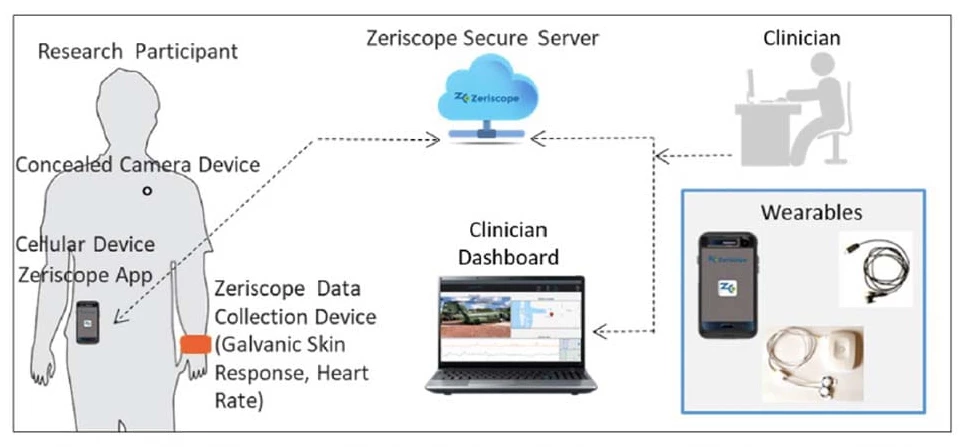
Wearable technology includes devices worn on the body that collect data using sensors. These sensors track activities, health metrics, and environmental information, then transmit data to apps or cloud storage for analysis and feedback.
How Do Sensors In Wearables Track Health Data?
Sensors like accelerometers, heart rate monitors, and gyroscopes detect movement and vital signs. They convert physical signals into digital data, enabling real-time health monitoring and personalized insights for users.
Can Wearable Technology Sync With Smartphones?
Yes, wearable devices connect wirelessly to smartphones via Bluetooth or Wi-Fi. This sync allows data sharing, notifications, and control through dedicated apps, enhancing user convenience and device functionality.
What Powers Wearable Technology Devices?
Wearables use rechargeable batteries, often lithium-ion, that provide energy for sensors and wireless communication. Battery life varies by usage and device type but typically lasts from several hours to days.
Conclusion
Wearable technology makes our lives smarter and more efficient. These devices track health, connect with phones, and offer convenience. They work through sensors, capturing data for analysis. This tech helps monitor heart rate, steps, and sleep patterns. It’s like having a personal assistant on your wrist.
Wearables improve daily life by providing real-time information. They are simple to use and easy to wear. As technology advances, these devices will become even more helpful. So, whether for fitness or convenience, wearable technology is a useful tool for many.
Leave a Reply