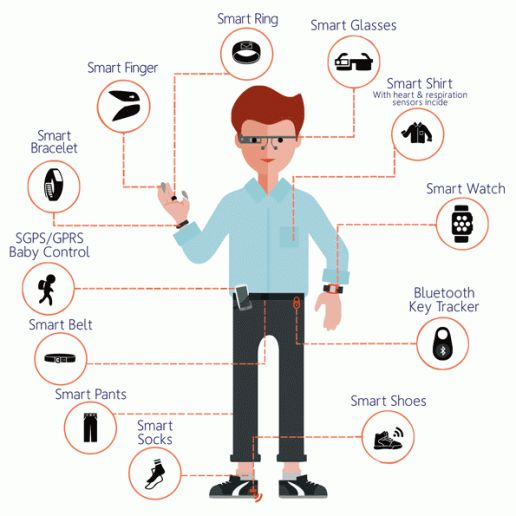
Are you ready to make your wearable technology stand out in a crowded market? Marketing wearable tech isn’t just about listing features—it’s about connecting with your audience in a way that feels personal and exciting.
You want your product to be seen, trusted, and chosen over countless others. You’ll discover simple yet powerful strategies that tap into what really drives people to buy. Keep reading, and you’ll learn how to turn your wearable technology into a must-have item that your customers can’t resist.
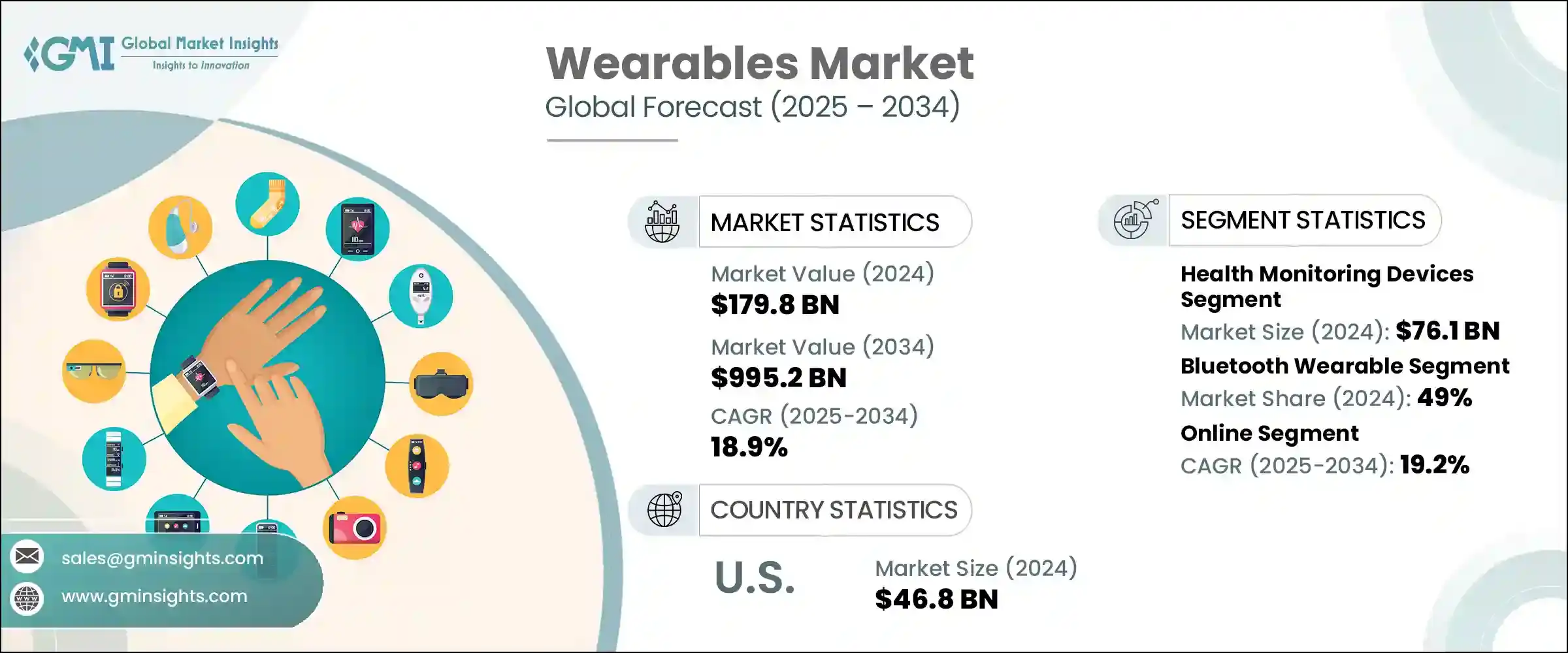
Credit: www.gminsights.com
Target Audience Identification
Identifying the right target audience is key to marketing wearable technology. It helps tailor messages that connect with potential buyers. Understanding who will use the product guides design, features, and promotion. This focus saves time and budget by reaching interested customers only.
Target audience identification breaks down into studying demographics, behaviors, and niche markets. Each part reveals unique insights that shape marketing strategies. Let’s explore these areas to better know your audience.
Demographic Analysis
Demographic analysis looks at age, gender, income, and location. Wearables often appeal to younger people who value fitness and tech. Income levels affect buying power and device preferences. Urban areas may show more interest due to lifestyle and access to technology.
- Age groups like teens, adults, or seniors
- Gender differences in product design and use
- Income brackets determining affordability
- Geographical regions influencing trends
User Behavior Insights
Studying user behavior reveals how people interact with wearables. Track usage patterns, app preferences, and daily routines. Fitness fans might use step counters and heart rate monitors. Busy professionals may prefer smartwatches with notifications. Understanding habits helps create relevant content and offers.
- Frequency of device use
- Preferred features and apps
- Purchase triggers and pain points
- Feedback from current users
Niche Market Segmentation
Niche segmentation finds smaller groups with specific needs. Examples include athletes, health-conscious seniors, or tech enthusiasts. Targeting these groups allows focused marketing and stronger connections. Tailored messages highlight unique benefits that resonate deeply with each niche.
- Athletes seeking performance tracking
- Seniors needing health monitoring
- Tech lovers wanting the latest features
- Parents tracking children’s activity
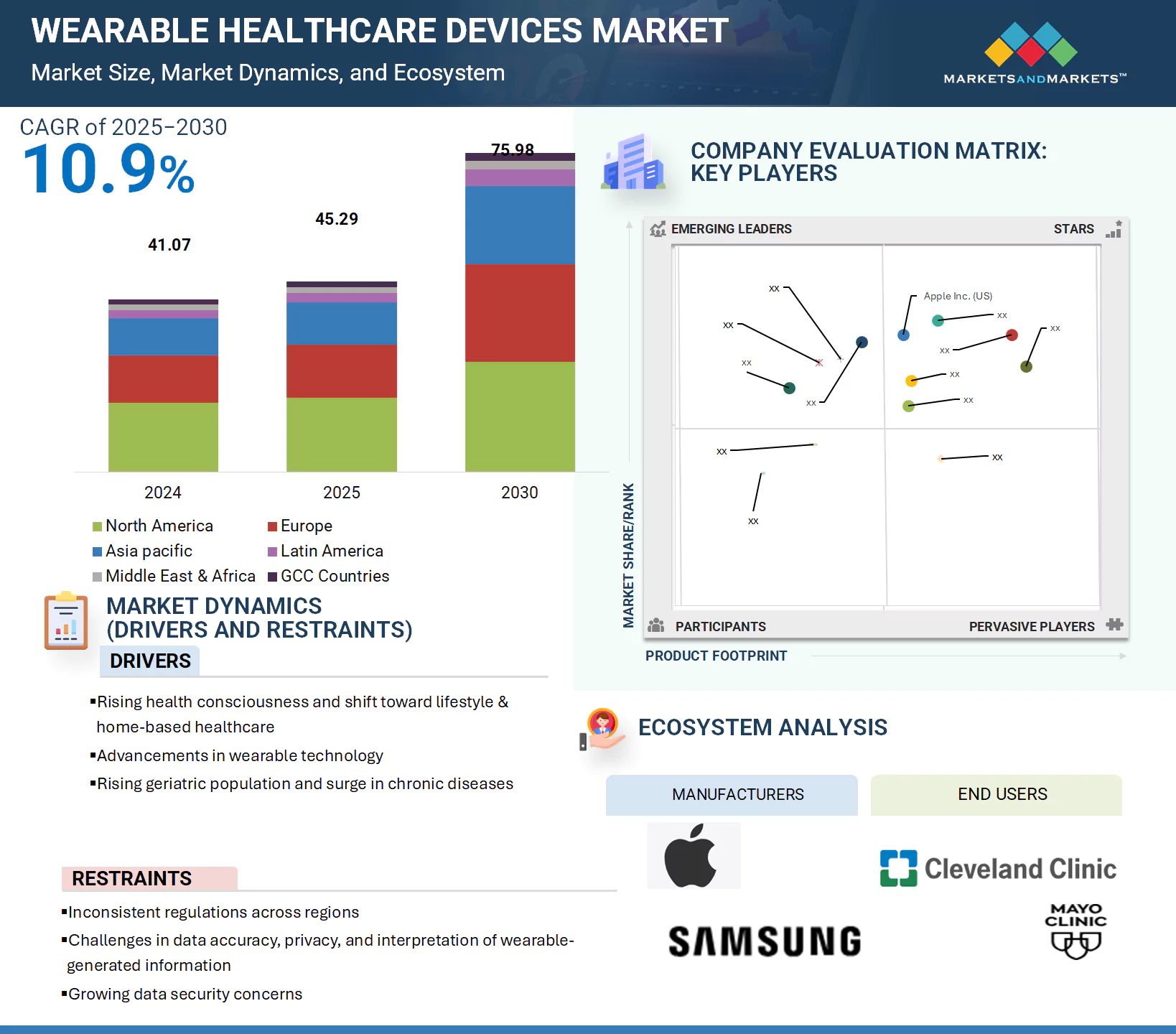
Credit: www.marketsandmarkets.com
Product Positioning
Product positioning is essential when marketing wearable technology. It defines how your product fits into the market and how your target audience perceives it. Clear positioning helps you stand out and connect with customers on a deeper level.
Unique Selling Points
Identify what makes your wearable technology different. Is it the battery life, design, health tracking features, or ease of use? Highlighting these unique selling points (USPs) gives your audience a reason to choose your product over others.
Think about your own experience with wearables. What feature made you keep using one? That insight can guide you to emphasize the benefits that matter most to your customers.
Competitive Differentiation
Understanding your competitors helps you position your product effectively. Analyze their strengths and weaknesses to spot gaps your wearable can fill.
For example, if most competitors focus on fitness tracking, maybe your wearable excels in sleep analysis or fashion appeal. Showing how your product differs creates a clear choice for buyers.
Value Proposition Crafting
Your value proposition should clearly explain the benefit your wearable offers and why it matters. It answers the question: “What’s in it for me?” from the customer’s perspective.
Use simple, direct language to communicate this. A strong value proposition connects emotion with function, like improving health or boosting productivity. Can you state your wearable’s value in one compelling sentence?
Content Marketing Tactics
Content marketing is key to promoting wearable technology. It helps explain features and benefits clearly. Good content builds trust and draws customers in. Using varied tactics keeps your audience interested and informed.
Educational Blog Posts
Create blog posts that explain how wearable devices work. Use simple language and clear examples. Focus on benefits, such as health tracking or convenience. Answer common questions your audience may have. Well-written posts improve search rankings and attract visitors.
Video Demonstrations
Show how to use the wearable devices in short videos. Highlight key features and real-life uses. Videos help viewers understand the product better. They also increase engagement and time spent on your site. Use captions and clear visuals for easy understanding.
User Testimonials
Share stories from real users who enjoy your product. Genuine reviews build credibility and trust. Include details about how the device helped them. Use quotes, photos, or short videos for impact. Testimonials encourage potential buyers to take action.
Social Media Strategies
Social media offers powerful tools to promote wearable technology. It connects brands directly to users and tech fans. Using the right strategies helps create buzz and build trust. Focus on choosing platforms wisely, partnering with influencers, and running engaging campaigns.
Platform Selection
Pick social media platforms where your audience spends time. Tech lovers often use Instagram, Twitter, and YouTube. LinkedIn works well for B2B marketing of wearable tech. Tailor your content to each platform’s style and user habits. Visual posts perform great on Instagram. Videos and tutorials do well on YouTube. Keep messages clear and simple to attract more followers.
Influencer Partnerships
Collaborate with influencers who know wearable technology. They can show how products work in daily life. Choose influencers with real engagement, not just follower numbers. Micro-influencers often have loyal audiences and higher trust. Ask them to share honest reviews and demos. This builds credibility and reaches new potential customers.
Engagement Campaigns
Create campaigns that invite users to join and share. Run contests asking followers to post photos using your wearables. Use polls or questions to spark conversations. Share user stories and testimonials regularly. Respond to comments quickly to build a community. These actions increase visibility and keep your brand top of mind.
Partnerships And Collaborations
Building strong partnerships and collaborations is key to marketing wearable technology effectively. These connections can expand your reach, add credibility, and create unique value for your customers. Think about how the right alliance can open doors you hadn’t considered before.
Tech Industry Alliances
Partnering with other tech companies can boost your wearable’s appeal and functionality. Imagine integrating your device with popular platforms or apps your audience already uses.
For example, collaborating with a smartphone manufacturer or a cloud service provider can enhance user experience. This kind of synergy makes your product more attractive and practical for everyday use.
Ask yourself: Which tech companies share your target audience but don’t directly compete with you? Those are your best collaboration candidates.
Fitness And Health Brands
Wearables often focus on health and fitness, so teaming up with related brands makes perfect sense. Think about gyms, nutrition companies, or wellness apps that complement your technology.
One brand I worked with partnered with a popular fitness app, and their sales jumped because users saw direct benefits from syncing devices. Collaborations like these build trust through association.
Consider what health or fitness brand your customers already love. How can your wearable add value to their existing routines?
Retail Channel Partnerships
Getting your wearable into the right stores or online marketplaces can dramatically increase visibility. Retail partners often have established customer bases and marketing channels you can tap into.
Look for retailers that align with your brand’s image and values. Whether it’s a specialty electronics store or a lifestyle shop, the right placement can boost your credibility and sales.
Have you explored how your wearable fits into the retail environment? Sometimes, a well-chosen retail partner is the missing piece in reaching your audience effectively.
Pricing And Promotions
Pricing and promotions play a key role in marketing wearable technology. Setting the right price attracts customers while promotions boost sales and awareness. Both elements help position the product in the competitive tech market. Careful planning of pricing and promotional strategies can increase customer interest and drive purchases.
Competitive Pricing Models
Analyze prices of similar wearable devices in the market. Use that data to set a fair and attractive price. Pricing too high may push customers away. Pricing too low may suggest poor quality. Consider these models:
- Cost-plus pricing: Add a fixed margin to production cost.
- Value-based pricing: Price based on perceived customer value.
- Penetration pricing: Set a low price to enter the market quickly.
Choose a model that fits the product’s features and target audience.
Limited-time Offers
Use limited-time offers to create urgency and encourage fast buying decisions. These offers can include discounts or special gifts. Highlight the time limit clearly to motivate customers.
- Flash sales lasting a few hours or days.
- Seasonal discounts during holidays or events.
- Early bird pricing for new product launches.
Limited-time deals help increase short-term sales and brand attention.
Bundle Deals
Bundle deals package several items at a reduced total price. This strategy increases product value and encourages more purchases. For wearable tech, bundles can include accessories like chargers or extra bands.
- Combine a smartwatch with wireless earbuds.
- Offer a fitness tracker with a subscription app.
- Pair basic and advanced models at a discount.
Bundles boost average order value and provide convenience to buyers.
Customer Support And Feedback
Customer support and feedback play a vital role in marketing wearable technology. They build trust and improve user experience. Good support keeps customers happy and loyal. Feedback helps companies understand user needs and fix issues quickly.
Responsive Service Channels
Offer multiple ways for customers to reach support. Use phone, email, live chat, and social media. Fast replies show care and build confidence. Clear answers solve problems without confusion. Keep support available during busy hours for better service.
User Feedback Integration
Collect feedback through surveys, reviews, and app ratings. Listen to user suggestions and complaints. Use feedback to improve device features and software. Show customers their opinions matter by sharing updates. Regular updates based on feedback keep products relevant.
Community Building
Create online forums or social media groups for users. Encourage sharing tips, experiences, and questions. Communities build a sense of belonging and loyalty. Peer support reduces pressure on customer service teams. Active communities generate valuable insights for product growth.
Data Privacy And Security Messaging
Data privacy and security messaging is a crucial part of marketing wearable technology. Your customers want to know their personal information is safe and handled with care. Clear communication about how you protect their data can make a huge difference in gaining their trust and loyalty.
Transparency Practices
Be upfront about what data you collect and why. Avoid vague statements that leave users guessing. Instead, provide simple and easy-to-understand privacy policies that explain data usage in plain language.
Let users know if you share data with third parties and what measures are in place to protect it. You can even use visual aids like charts or infographics to make complex information more digestible. Transparency isn’t just about honesty—it’s about making privacy part of your brand’s identity.
Security Features Highlight
Showcase the specific security features your wearable devices have. Mention encryption methods, biometric locks, and secure data storage solutions. When you explain these features clearly, users feel more confident about using your product.
Think about how you can demonstrate security in action—maybe through demo videos or customer testimonials. Sharing details about regular security updates or certifications also helps underline your commitment to protecting users’ data.
Building Consumer Trust
Trust isn’t given; it’s earned through consistent actions. Engage with your audience by answering questions about privacy and security openly. Use your marketing channels to share stories about how you handle data breaches or improve security over time.
Consider creating a dedicated support team to handle privacy concerns. When customers see you take their worries seriously, they become advocates for your brand. Ask yourself: how can you turn data protection from a risk into a selling point for your wearable tech?
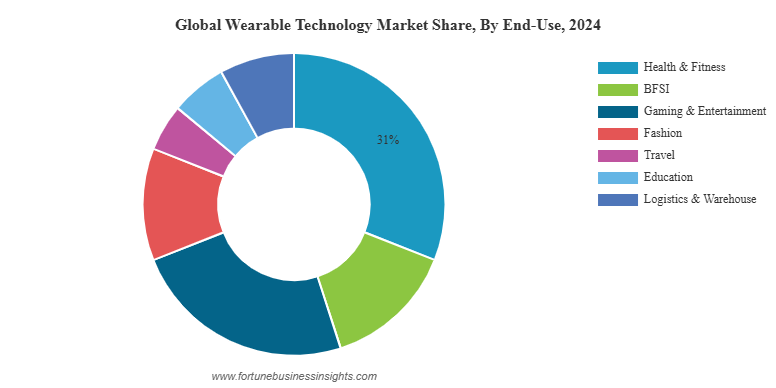
Credit: www.fortunebusinessinsights.com
Frequently Asked Questions
What Are The Best Strategies To Market Wearable Technology?
Effective strategies include targeting niche audiences, showcasing product benefits, using influencer marketing, and leveraging social media platforms. Highlighting real-life use cases and customer reviews also builds trust and engagement, driving higher conversions.
How Can Social Media Boost Wearable Tech Marketing?
Social media allows brands to reach large, engaged audiences quickly. Creating engaging content, collaborating with influencers, and using targeted ads can increase brand awareness and drive sales for wearable technology products.
Why Is Influencer Marketing Important For Wearable Technology?
Influencers provide authentic product reviews and demonstrations, building trust with their followers. They help create buzz, educate potential customers, and increase product visibility, making influencer marketing essential for wearable tech promotion.
What Role Does User Experience Play In Marketing Wearables?
A seamless user experience encourages positive reviews and repeat purchases. Marketing should emphasize ease of use, comfort, and practical benefits to attract and retain customers in the competitive wearable tech market.
Conclusion
Marketing wearable technology can be straightforward with the right steps. Know your audience well. Use social media to engage them. Collaborate with influencers to boost visibility. Highlight the benefits of your technology. Provide clear and honest information. Create content that educates and informs.
Stay updated with trends and adapt your strategies. Monitor feedback to improve your marketing efforts. Build trust and maintain good customer relationships. Remember, successful marketing requires patience and consistency. Keep your audience’s needs at the center of your strategy. With dedication, your wearable technology can reach its full potential.
Leave a Reply