Have you ever wondered if the smartwatch on your wrist or the fitness tracker you wear every day is truly safe for you? With so many people using wearable technology, it’s natural to ask: Can these devices affect your health or privacy?
You rely on them to keep track of your steps, heart rate, and even sleep patterns, but do you know what’s happening behind the scenes? This article will uncover the facts you need to know about the safety of wearable technology—so you can make smart choices about the gadgets you trust every day.
Keep reading to protect yourself and your data.

Credit: www.ishn.com
Health Risks Of Wearables
Wearable technology offers many benefits, but it may also pose health risks. Many users wonder about the possible dangers of wearing devices all day. Understanding these risks helps people use wearables safely. Below are some common health concerns linked to wearable tech.
Radiation Exposure
Wearables use wireless signals like Bluetooth and Wi-Fi. These signals emit low-level radiation known as radiofrequency (RF) energy. Current studies show RF exposure from wearables is below harmful levels. Still, long-term effects are not fully known. Experts advise limiting unnecessary close contact with devices.
Skin Irritation And Allergies
Wearing devices for many hours can cause skin problems. Sweat and friction may lead to irritation or rashes. Some people react to materials like nickel or rubber in bands. Cleaning the device and band regularly reduces risks. Choosing hypoallergenic bands helps sensitive skin.
Impact On Sleep Patterns
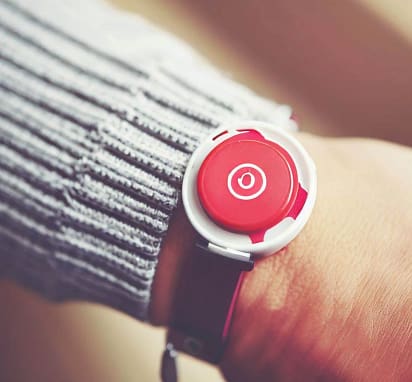
Many wearables track sleep by monitoring movement and heart rate. Some emit light or vibrations that disturb rest. Wearing devices tightly at night can cause discomfort. Poor sleep affects mood and health. Users should avoid bright screens and tight bands before bedtime.
Credit: www.jethotelsolutions.com
Data Privacy Concerns
Wearable technology collects a lot of personal information. This raises concerns about how this data is handled. Users worry about privacy and who sees their data. Understanding these concerns helps users make safer choices.
Personal Data Collection
Wearables track details like location, heart rate, and activity levels. This data is often stored in the device or cloud. Users may not know exactly what data is collected. Some devices collect more data than necessary. This can feel invasive to many people.
Data Sharing With Third Parties
Some companies share user data with partners or advertisers. This sharing can happen without clear user consent. Data might be used for marketing or research. Users lose control over how their data is used. This raises trust issues with wearable brands.
Security Breaches And Hacks
Wearable devices can be targets for hackers. Weak security can lead to stolen personal information. Hackers may access sensitive health or location data. Breaches can cause identity theft or privacy violations. Strong security measures are crucial to protect users.
Device Accuracy And Reliability
Device accuracy and reliability form the backbone of wearable technology’s value, especially when it comes to health monitoring. If the data these devices collect isn’t precise, their usefulness diminishes significantly. You might wonder how much you can truly trust the numbers flashing on your wrist or smartphone screen.
Tracking Health Metrics
Wearables track various health metrics like heart rate, sleep patterns, and activity levels. Most devices use sensors that detect electrical signals or movement to gather this data. While many wearables provide reasonably accurate measurements during rest, accuracy can drop during intense activity or irregular movements.
Consider how your step count might spike when you’re driving over a bumpy road. This shows that sensor limitations can sometimes lead to misleading results. It’s essential to understand these boundaries before relying heavily on the data for health insights.
False Alarms And Misreadings
False alarms are a common concern with wearable devices. Imagine receiving an alert about an irregular heartbeat that turns out to be a sensor glitch. Such misreadings can cause unnecessary stress or, worse, lead to ignoring real symptoms due to alarm fatigue.
Some wearables have improved their algorithms to reduce false positives, but no device is perfect. You should always verify any critical alert with professional medical advice rather than assuming the device is always right.
Impact On Medical Decisions
Wearables can influence medical decisions, but how much weight should you give their readings? Doctors often use wearable data as a supplemental tool rather than a standalone diagnosis. This is because medical-grade accuracy requires stringent testing and certification that most consumer devices haven’t passed.
Have you ever wondered if your doctor trusts the numbers your wearable shows? It’s a good idea to share data with healthcare professionals, but be prepared for them to interpret it cautiously. Relying solely on wearables without professional guidance can lead to misinformed choices about your health.
Regulations And Standards
Wearable technology is becoming a bigger part of daily life, but many wonder about its safety. Regulations and standards play a key role in making sure these devices meet certain safety and privacy benchmarks. Understanding these rules helps you choose wearables that protect your health and data.
Government Guidelines
Governments around the world set rules to ensure wearable devices are safe to use. Agencies like the U.S. Food and Drug Administration (FDA) oversee devices that monitor health to prevent harm. These guidelines require companies to test their products thoroughly before selling them.
You should check if your wearable complies with local regulations. This can mean the difference between a reliable device and one that risks your privacy or health.
Industry Certifications
Industry certifications act as a quality stamp for wearables. Look for marks like CE in Europe or FCC approval in the U.S., which indicate compliance with safety and communication standards.
Certifications often cover radiation limits, battery safety, and data security. When you pick a certified device, you reduce the chances of malfunction or data leaks.
User Responsibility
Your role is crucial in keeping your wearable safe. Following instructions on usage, charging, and updates can prevent accidents or security issues.
Do you regularly update your device’s software? Updates often fix vulnerabilities that hackers might exploit. Taking simple actions can protect both your health and personal information.
Safe Usage Tips
Using wearable technology safely is key to enjoying its benefits without risking your health or privacy. You can take simple steps to protect yourself and get the most out of your device. These tips focus on choosing wisely, keeping your device clean, and controlling your settings effectively.
Choosing The Right Device
Not all wearable devices are built the same. Look for products that have passed safety certifications and have good reviews about skin comfort and battery safety. If you have sensitive skin or allergies, prioritize devices made with hypoallergenic materials.
Think about your daily activities. If you exercise a lot, pick a device that is water-resistant and durable. Also, check if the device offers privacy controls to protect your personal data. Have you ever stopped to consider how much personal info your wearable collects?
Maintaining Hygiene
Wearables stay in close contact with your skin, so keeping them clean matters. Wipe your device regularly with a soft, damp cloth and avoid harsh chemicals that can damage it or irritate your skin. Remove your wearable before showering or swimming, unless it is specifically designed for water use.
Try to let your skin breathe by taking breaks from wearing the device, especially if you notice redness or discomfort. This simple habit can prevent skin irritation and infection. How often do you clean your wearable compared to other gadgets you use daily?
Managing Device Settings
Customize your device settings to match your comfort and security needs. Lower screen brightness to reduce eye strain and extend battery life. Turn off notifications that aren’t essential to avoid distractions and stress.
Review the privacy settings carefully. Disable location tracking or data sharing features you don’t need. Regularly update your device’s software to fix bugs and improve security. Are you aware of how much control you have over your wearable’s data?
Credit: x.com
Frequently Asked Questions
Are Wearable Devices Safe For Everyday Use?
Yes, most wearable devices are safe for daily use. They undergo strict testing for electrical and skin safety. Always follow manufacturer guidelines to avoid any risks or discomfort.
Can Wearable Technology Cause Health Issues?
Wearable tech rarely causes health problems. Some users may experience skin irritation or minor allergies. Prolonged exposure to electromagnetic fields is generally considered safe at low levels.
How Secure Is My Data On Wearable Devices?
Data security depends on the device and app’s encryption. Use strong passwords and enable two-factor authentication for better protection. Regularly update your device software to fix security vulnerabilities.
Do Wearables Emit Harmful Radiation?
Wearables emit very low levels of non-ionizing radiation, which is considered safe. Regulatory bodies set strict limits to ensure user safety. Current evidence shows no significant health risks from this radiation.
Conclusion
Wearable technology offers many benefits. Yet, safety concerns still exist. Users should stay informed about potential risks. Regular updates and research can help ensure safer use. It’s wise to balance convenience with caution. Always follow guidelines from trusted sources. Consult professionals for health-related wearables.
Prioritize your health and well-being. Technology should enhance, not harm. Make informed choices and stay alert. Wearables can be helpful tools. Use them wisely and responsibly. Be aware, stay safe, and enjoy the benefits.
Leave a Reply