Have you ever wondered how your every click, swipe, or tap online seems to know exactly what you like? Electronic consumer surveillance is the hidden force behind those personalized ads and recommendations that follow you around the internet.
But how does it actually work? Understanding this can help you take control of your privacy and make smarter choices about the information you share. Keep reading, and you’ll uncover the secrets behind the technology tracking your digital footprint—and why it matters to you.
Electronic Surveillance Technologies
Electronic surveillance technologies have become a key part of how companies and governments monitor consumer behavior. These tools gather data through various devices and networks, often without you even noticing. Understanding these technologies helps you stay aware of what information is collected and how it might be used.
Cameras And Visual Monitoring
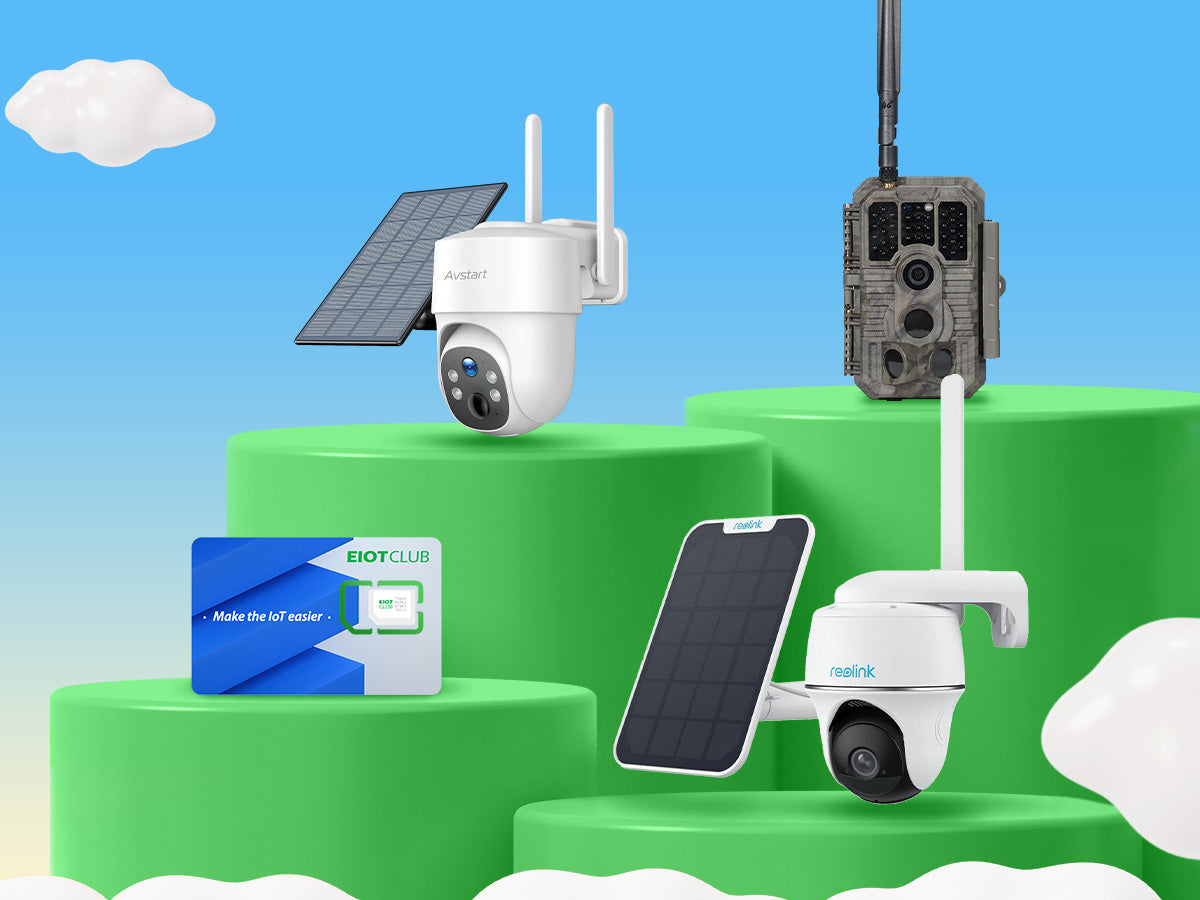
Cameras are everywhere—from stores to public spaces. They capture visual information that can identify your movements, actions, and even emotions. Some systems use facial recognition to track individuals over time, raising questions about privacy.
Think about walking into a shop and not realizing you’re being recorded. That footage can be analyzed to see which products catch your eye or how long you stay in certain aisles. This data helps businesses adjust store layouts or marketing strategies based on your behavior.
Internet Tracking Tools
Every website you visit leaves behind digital footprints. Cookies and tracking pixels collect data on your browsing habits, preferences, and even location. These tools help create detailed profiles that advertisers use to target you with personalized ads.
Have you ever noticed ads popping up for something you just searched? That’s not a coincidence. Internet tracking tools connect your online activities across multiple platforms, building a picture of your interests without you having to type anything.
Mobile Device Surveillance
Your smartphone holds a wealth of personal data, making it a prime target for surveillance. Apps can track your location, access your contacts, and monitor your communications. Some surveillance software works silently in the background, collecting information without your knowledge.
Imagine your phone silently reporting where you go and who you talk to. This data is valuable not only to marketers but also to organizations interested in your habits and connections. Protecting your mobile device means understanding these risks and managing app permissions carefully.

Credit: www.zetronix.com
Data Collection Methods
Understanding how electronic consumer surveillance collects data is key to recognizing its impact on your privacy. Different tools and techniques gather information about your online and offline activities. These data collection methods vary in how active or hidden they are, influencing what kind of information is captured and how you might control it.
Active Vs Passive Collection
Active data collection happens when you knowingly give information. Filling out forms, signing up for newsletters, or completing surveys are examples where you directly provide data.
Passive collection, on the other hand, occurs without your direct input. It tracks your behavior as you browse websites or use apps, often without obvious notice. Have you ever wondered how websites seem to “know” what you like without asking?
Both methods combine to create detailed profiles about your habits, preferences, and even daily routines.
Cookies And Tracking Pixels
Cookies are small files stored on your device that remember your preferences or login details. They also track which pages you visit and how long you stay there. This data helps websites personalize your experience but also follows you across multiple sites.
Tracking pixels are tiny, invisible images embedded in emails or web pages. They send information back to servers about when you open an email or visit a page. Ever noticed a sudden surge of targeted ads after opening a specific email? That’s tracking pixels at work.
Gps And Location Services
Many apps and devices use GPS to pinpoint your exact location. This data helps deliver services like maps or weather updates tailored to where you are. But it also feeds into surveillance systems that map your movements throughout the day.
Location services can reveal patterns like your home, workplace, and favorite spots. Have you paused to consider how sharing your location might paint a detailed picture of your lifestyle?
Knowing these data collection methods gives you more control over your digital footprint. What steps can you take today to limit unwanted tracking?
Analyzing Collected Data
After collecting data from various electronic consumer surveillance tools, the next crucial step is analyzing that information to extract meaningful insights. This process transforms raw data into actionable knowledge that businesses use to understand customer preferences and improve their offerings.
Data Processing Techniques
Data collected from devices, apps, and online activity is first cleaned and organized. This involves removing duplicates, correcting errors, and structuring data into usable formats. Without proper processing, the sheer volume of information can overwhelm analysts and lead to inaccurate conclusions.
Think about your own experience with a cluttered inbox—it’s hard to find what matters unless you sort and filter your messages. Similarly, data must be sorted before any real insights can emerge.
Behavioral Analysis
Once data is processed, analysts study consumer behavior patterns. This means looking at how you interact with products, websites, or ads over time. For example, tracking which items you view repeatedly or how long you spend on certain pages reveals your interests and habits.
This analysis helps companies tailor their marketing and product development to better match your needs. Have you noticed ads that seem to know exactly what you’re interested in? That’s behavioral analysis at work.
Predictive Analytics
Predictive analytics uses historical data to forecast future actions. By recognizing patterns in your past behavior, systems predict what you might do next—like buying a product or abandoning a shopping cart.
This technique powers recommendations you see on streaming platforms or e-commerce sites. It’s like having a personalized assistant anticipating your preferences before you even express them. How comfortable are you with machines making such predictions about your habits?

Credit: www.youtube.com
Privacy Concerns
Electronic consumer surveillance raises many privacy concerns. It collects vast amounts of personal data. This data can reveal habits, preferences, and even locations. Users often have little control over what is collected or how it is used. These concerns affect trust and user safety in the digital world.
Data Security Risks
Collected data faces constant risk of breaches. Hackers target databases to steal personal information. Poor security measures increase vulnerability. Stolen data can lead to identity theft or financial loss. Companies must invest in strong protection to keep user data safe.
User Consent Issues
Many users do not fully understand what they agree to. Consent forms are often long and confusing. Some companies collect data without clear permission. Users may feel powerless or unaware of surveillance. Transparent and simple consent processes are needed.
Regulatory Challenges
Laws vary widely across countries and regions. Some places have strict rules, others have none. Enforcement is difficult with global data flows. Companies may exploit weak regulations to collect more data. Better international cooperation and clear laws are essential to protect privacy.
Impact On Consumer Behavior
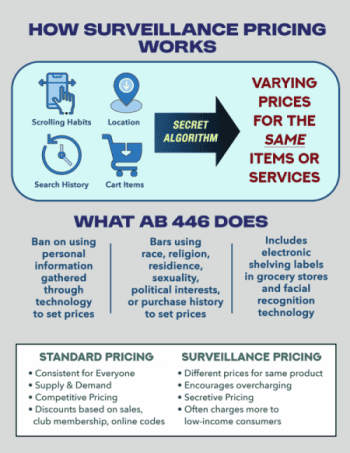
Electronic consumer surveillance shapes the way you interact with brands and make purchasing decisions every day. It collects data about your online activities, preferences, and behaviors to influence what you see and buy. Understanding this impact can help you navigate your choices more consciously and take control over your shopping habits.
Personalized Marketing
Have you noticed ads that seem to know exactly what you want? That’s personalized marketing powered by electronic surveillance. By tracking your browsing history and purchase patterns, companies tailor ads and offers just for you.
This personalization makes ads more relevant, increasing the chances you’ll click or buy. But it also means your online experience is shaped by algorithms deciding what you see, often limiting your exposure to new or different products.
Consumer Decision Making
Surveillance data influences not just what you see but how you decide. When recommendations pop up based on your past behavior, it can simplify your choices, saving time and effort.
On the flip side, it might steer you toward options you wouldn’t have considered otherwise. Have you ever wondered if your preferences are truly yours or a result of subtle nudges from targeted content?
Trust And Transparency
Your trust plays a big role in how you respond to electronic surveillance. If you feel your data is used openly and respectfully, you’re more likely to engage with personalized marketing.
However, many consumers worry about privacy and hidden data collection. Being informed about what data is gathered and how it’s used can help you decide when to share your information and when to protect it.
Future Of Consumer Surveillance
The future of consumer surveillance is shaping how businesses understand and interact with you. It will blend more advanced technology with deeper ethical questions and evolving laws. This combination will affect what data is collected, how it’s used, and the control you have over your own information.
Technological Advancements
Consumer surveillance will rely more on artificial intelligence and machine learning. These tools can analyze massive amounts of data quickly, spotting patterns that humans might miss.
Wearable devices and smart home gadgets will gather even more detailed insights about your habits and preferences. Imagine your smartwatch not only tracking your health but also predicting your shopping needs before you even think about them.
Will you be comfortable with devices anticipating your desires this closely?
Ethical Considerations
As surveillance becomes more sophisticated, questions about privacy will grow louder. You might wonder how much of your personal life should be accessible to companies.
Transparency is key. You deserve clear information on what data is collected and why. Without it, trust erodes quickly.
Have you ever felt uneasy sharing details online because you weren’t sure who might see them?
Emerging Regulations
Governments worldwide are drafting stricter laws to protect your data. These rules aim to limit what companies can track and how they must handle your information.
New regulations could require companies to get explicit permission before collecting certain types of data. This shift gives you more control but also means companies must rethink their strategies.
How will these laws change your experience as a consumer in the next few years?
Credit: consumerwatchdog.org
Frequently Asked Questions
What Is Electronic Consumer Surveillance?
Electronic consumer surveillance tracks consumer behavior using digital devices and online activities. It collects data to understand preferences, habits, and trends, helping businesses tailor marketing strategies and improve products.
How Do Companies Collect Consumer Data Electronically?
Companies collect data through cookies, mobile apps, social media, and smart devices. These tools monitor online behavior, purchases, and location to gather insights on consumer preferences and habits.
Is Electronic Consumer Surveillance Legal?
Yes, electronic consumer surveillance is legal when companies follow privacy laws and obtain consent. Regulations like GDPR and CCPA protect consumers by setting rules on data collection and usage.
How Does Consumer Surveillance Impact Privacy?
Consumer surveillance can reduce privacy by sharing personal data without full awareness. It raises concerns about data security and misuse, emphasizing the need for transparent policies and user control.
Conclusion
Electronic consumer surveillance collects data through devices and apps. It tracks habits, preferences, and locations to understand behavior. Companies use this information to improve products and ads. Consumers should stay aware of what data they share online. Protecting privacy requires careful choices and strong passwords.
Knowing how surveillance works helps people stay safe. Technology changes fast, so learning about it is important. Stay informed and think before sharing personal information.
Leave a Reply